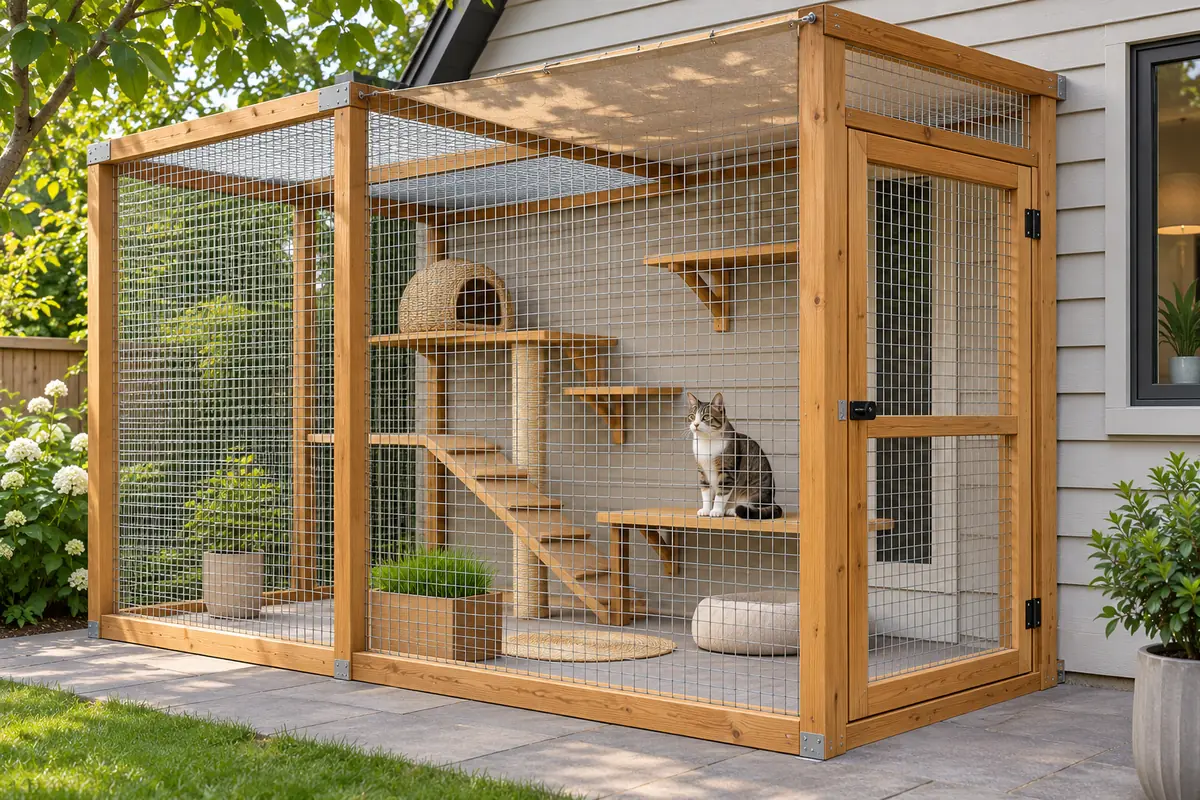
Choose wire mesh for cats by the smallest cat that will use the enclosure, the installed opening and the strength of the finished boundary. For a framed outdoor catio, rigid welded mesh is a practical starting point. Check the door, roof and wall joints alongside the mesh, since gaps at those places can be larger than the grid itself.
Choose mesh for the enclosure and the smallest cat
A catio is an enclosed outdoor space that allows cats access to fresh air and outdoor sights. It may be a ground-level porch enclosure, an attached run or a freestanding structure. In each case, the mesh choice depends on the animals, the expected exposure and how the mesh will be supported. A small kitten, an adult climber and a cat that continually paws at the gate put different demands on the same enclosure.
| Enclosure material | Practical use | Check before choosing |
|---|---|---|
| Rigid welded steel mesh | Framed walls, doors and other straight edges | Clear opening in both directions, wire size, edge retention and corrosion protection |
| Polymer-coated welded mesh | Where a manufacturer offers a suitable outdoor coated grid | Underlying wire thickness, coating condition and treatment of cut ends |
| Flexible pet netting | A purpose-designed enclosure system with compatible fixings | Mesh stretch, opening under load, chew or claw exposure and attachment spacing |
| Fine insect screen | A secondary insect layer on compatible construction | How it is supported and how the primary enclosure remains continuous |
The BC SPCA’s enclosed porch design lists 1 × 1 in mesh and accepts stainless or galvanized wire.[1] Catio Spaces specifies a 2 × 3 in grid for its own designs.[4] Those examples belong to particular builds. Check what the smallest cat can reach or squeeze through, especially if kittens will use the enclosure. A nominal grid size can describe the centers of the wires. The wire mesh sizes guide explains how to verify the clear gap. If the mesh flexes, inspect the opening under movement too.
Choose a steel mesh construction for the local exposure
Welded mesh gives each straight bay a regular pattern. Verify it can be fixed securely along its edges and remains stiff enough at the chosen span. Galvanized or coated products can be economical in sheltered gardens. Check the sections that stay damp, exposed cut ends and compatibility between mesh and fasteners. In a wet coastal site or hard-to-replace enclosure, compare the actual alloy, frame and fixing materials in the quotation. A stainless steel welded wire mesh supplier can use those details to identify suitable mesh stock or cut pieces.
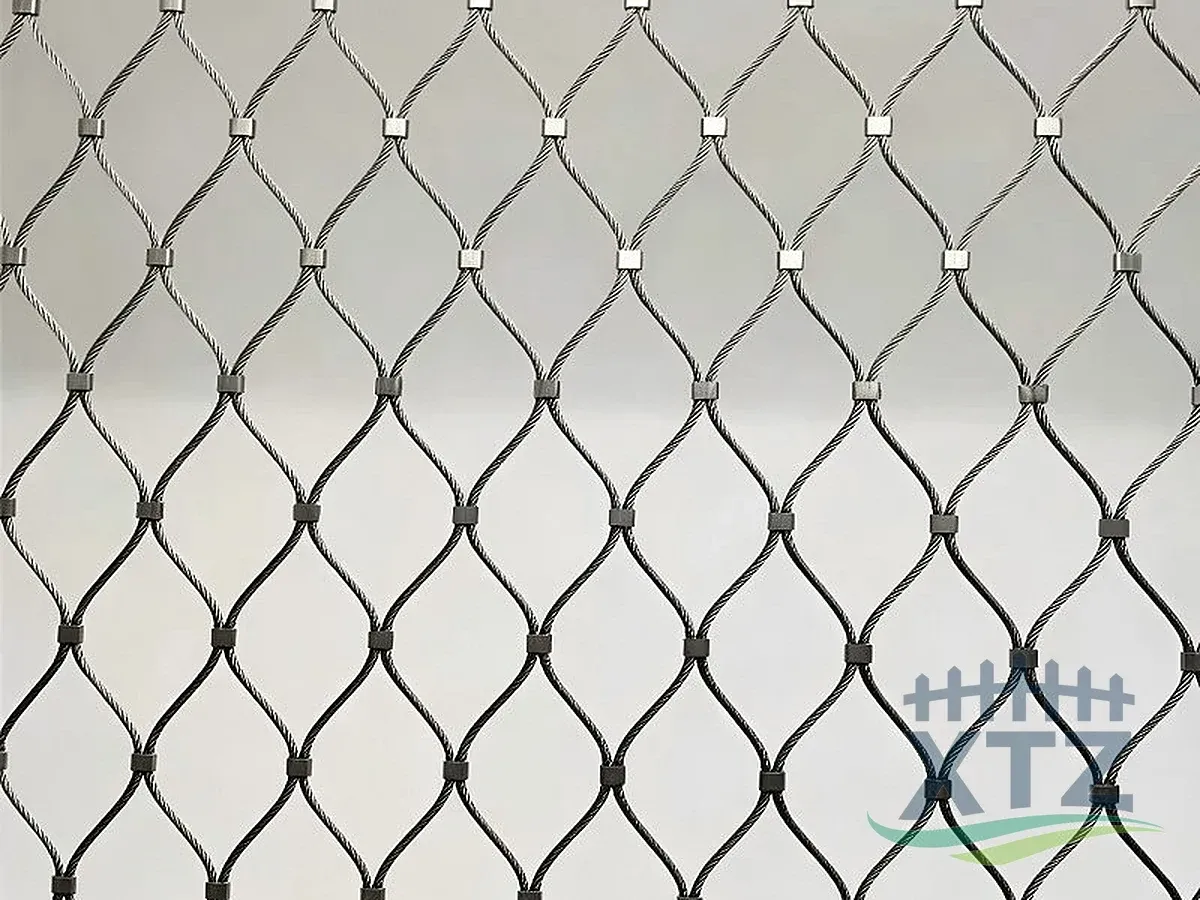
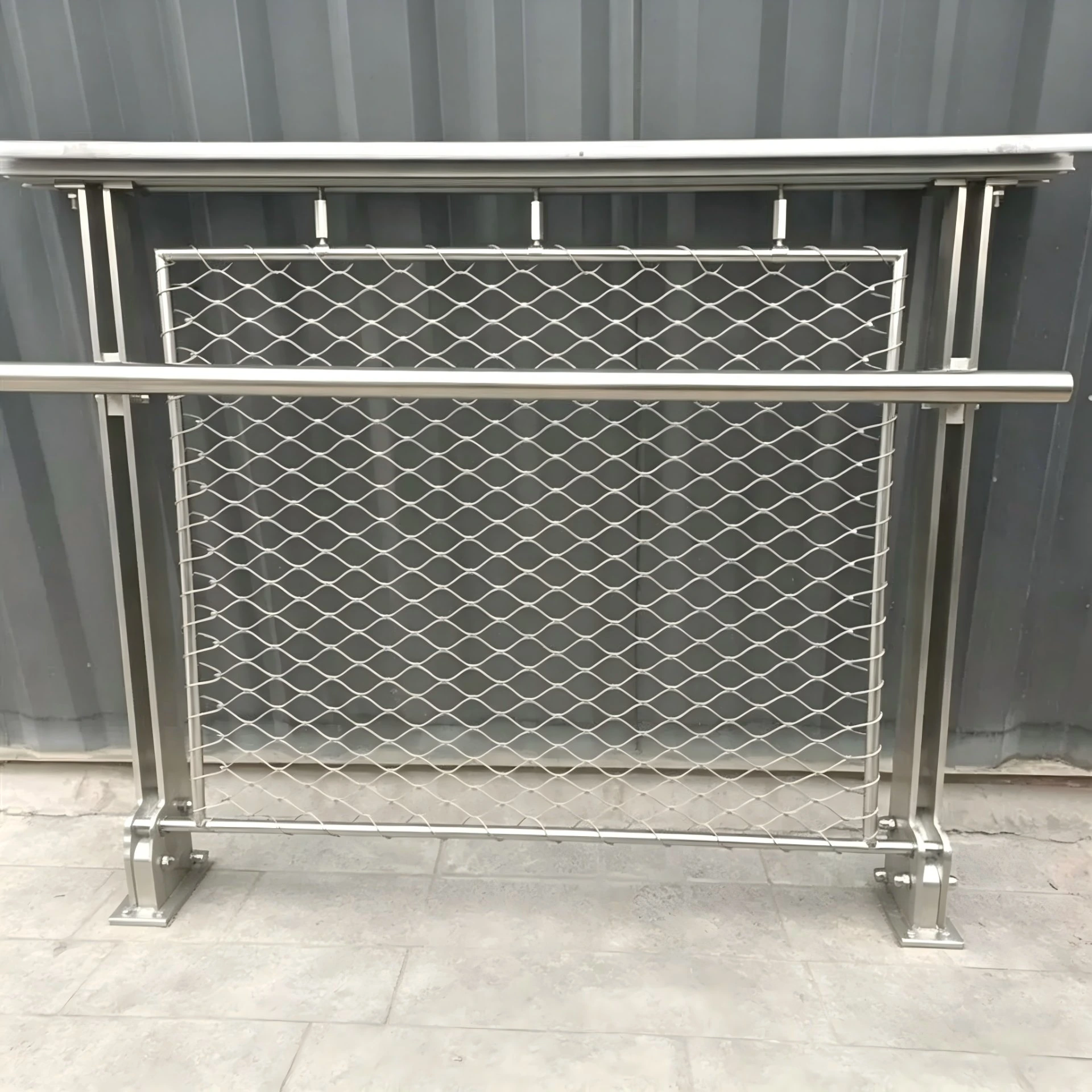
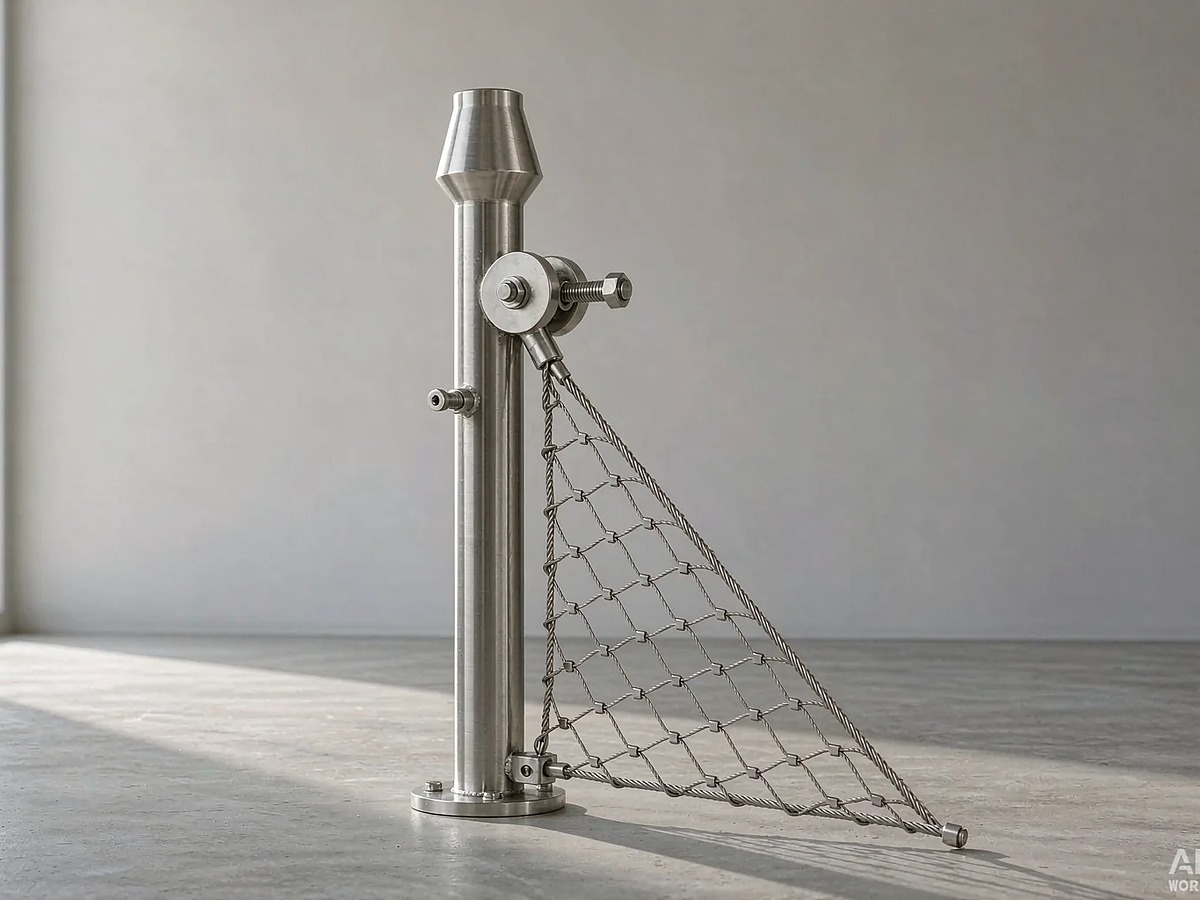
Larger enclosures sometimes use flexible stainless steel cable mesh in a separate engineered frame. The diamond opening and perimeter behavior are different from those of a rigid welded grid. Consult the project designer about containment for the smallest animal before considering it. Flexible pet netting products with a steel reinforcing thread are also a different construction and should be evaluated as complete systems.
Close gaps around doors and along walls
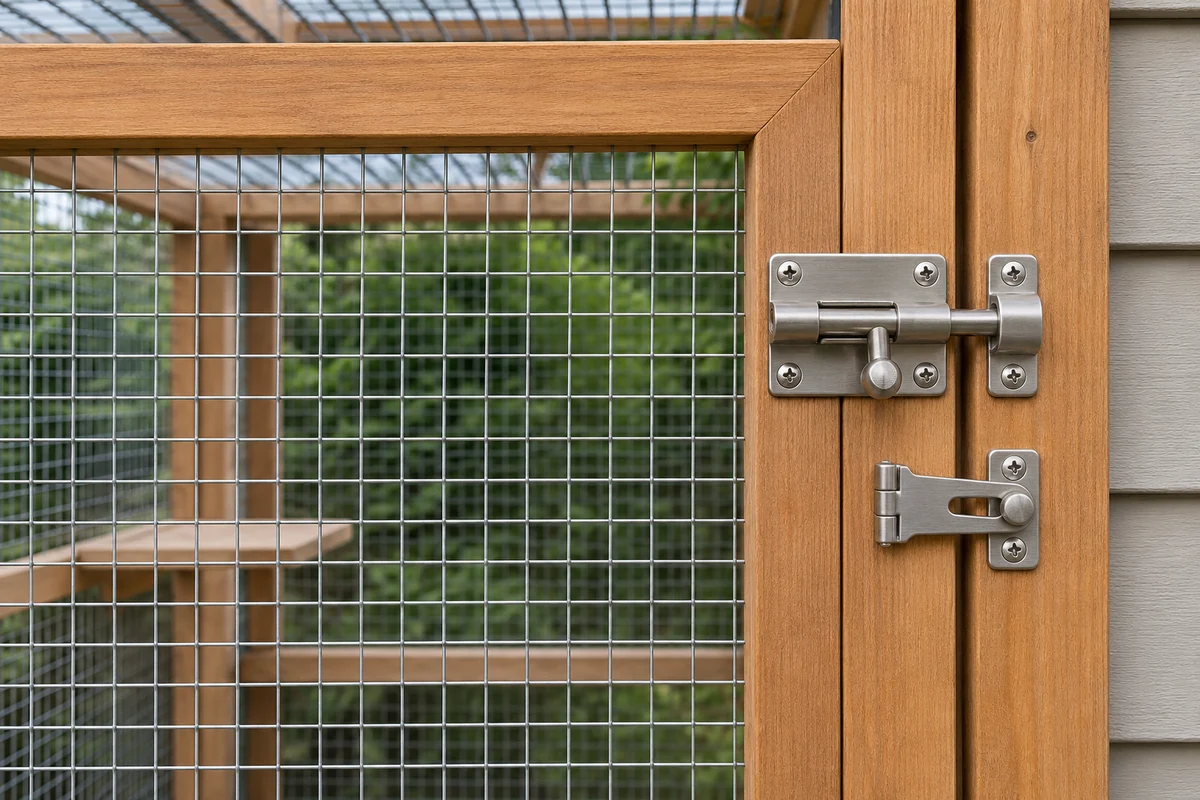
A cat can investigate the bottom corner of a door even if the rest of the enclosure looks tight. Install and operate the door before fitting every adjacent panel. Check the hinge edge, latch edge, threshold, and gate corners with the door shut and while it swings. Use a secure latch that closes consistently after the frame settles. A second contained entry can help for large walk-in enclosures where people will regularly carry food, tools or litter through the gate.
Mark each seam against a wall, deck or adjoining panel. Check behind trim where nailing surfaces stop and at transitions in level. The retainer should hold the mesh by its edge and conceal projections where cats can rub or climb. On a removable access panel, use a detail that a person can reinstall in the correct position after cleaning.
Worked inspection. A catio with nominal 1 in mesh has a deeper gap under the latch side because the paving slopes away. Tightening the mesh in the gate will leave that threshold route in place. Record the varying gap with the gate closed, then address the threshold and door fit while preserving operation. Repeat the check after the weather changes or the timber moves.
Close the roof and keep the enclosure usable
Mesh walls need a continuous top closure suited to the frame and weather. If only part of the roof has a solid weather cover, carry the enclosure boundary through the uncovered section and secure the junction between the two. Keep shade, a dry place to rest, water and a route back indoors where the design allows. Animal welfare guides also describe placing shelves, resting areas and other features at useful heights for cats.[2][3]
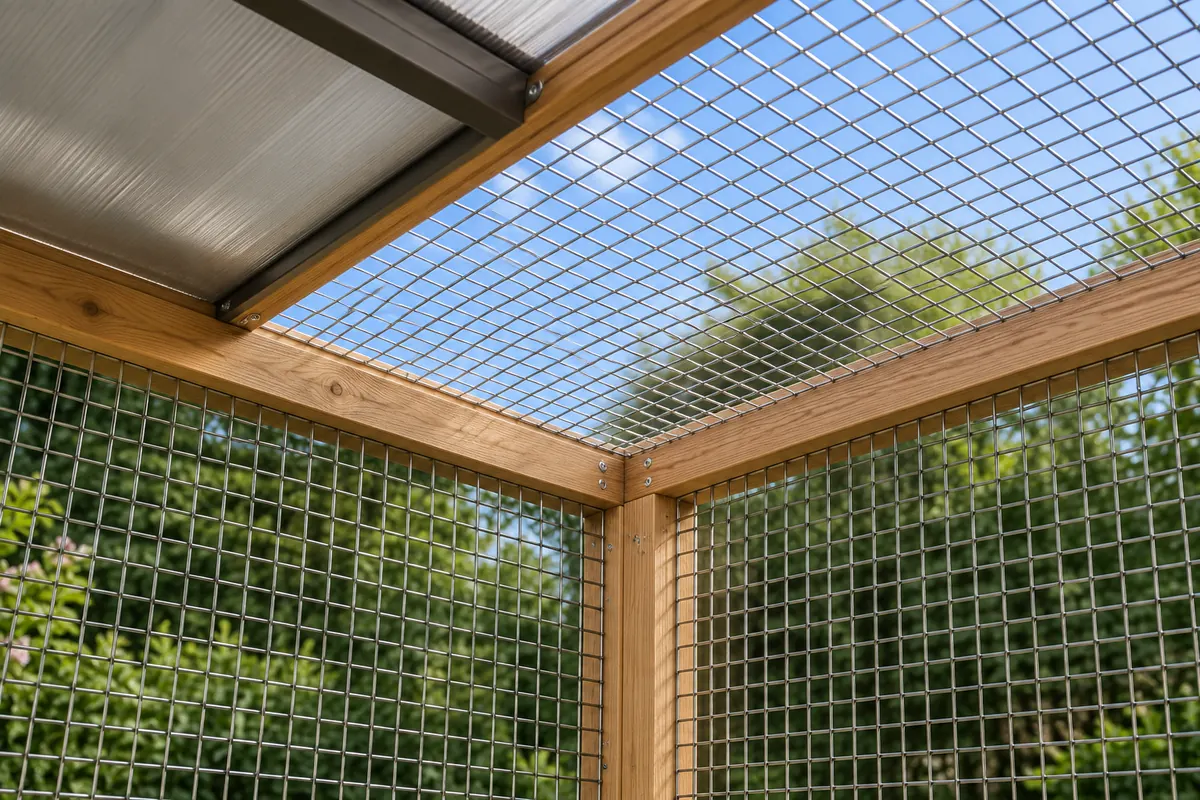
Check wall and roof connections against expected wind, snow and debris loading. A ground-level catio and a balcony enclosure have different supporting structures and consequences if a connection fails. For an elevated or shared building installation, agree the design and permissions with the appropriate building parties and a qualified professional. See the separate guide on balcony and railing mesh where the project involves an existing balcony.
Make a panel schedule and inspect before first use
Measure the finished rectangle between frame members for each wall and roof bay. Then add a separate mesh cut size according to how the edge is held. Mark net direction for flexible material, joint positions, latch hardware and any pipe or wall penetrations. Record the actual clear aperture and wire diameter in the quotation. Take a close photo of the wall and sill if the mesh needs to fit an existing opening.
Before the cat enters, close and test the latch, check the perimeter from both sides and inspect mesh edges and any loose retainers. Recheck after the first storm, after any impact and when the gate starts closing differently. Keep the cat indoors until a damaged panel or affected gap is repaired.
For a cut mesh inquiry, send XTZ Fence the bay dimensions, mesh opening and wire diameter, approximate climate, framing detail and quantity. Include a sketch of the fixed and removable sections so the offer can distinguish mesh supply from a complete enclosure design.
Frequently asked questions
Which mesh opening is suitable for kittens?
Check the actual clear opening for the smallest animal, and look for places where a paw or head can enter and get caught. A porch design using a nominal one-inch mesh gives a reference for that design only. A shelter or veterinarian familiar with your cats can help identify practical containment concerns.
Can I use chicken wire for a catio?
Assess how the wire moves and how its edges are supported. Lightweight poultry netting can deform more readily than a suitably framed welded grid. A durable enclosure also depends on the frame, roof, latch and retention at each seam.
Is stainless steel better than galvanized mesh?
Check site exposure and replacement cost. An appropriate galvanized product can suit a sheltered structure. Stainless is an option for harder exposures or long-term use when the grade and fixings are compatible. Review cut edges and damp joints in either case.
Does a catio need a roof?
An enclosure intended to contain climbing cats needs a closed top or another appropriately designed containment arrangement. A roof can combine mesh and coverage for shade or rain. The transition between the two materials should maintain the boundary.
Can cat netting and welded wire mesh be used together?
They can serve different areas when the joining detail maintains the same containment function. Document both materials and their attachment. Check stretch and gaps where they meet, especially around doors and at the roof.
How often should catio mesh be checked?
Inspect before first use, after storms or impacts, and when a gate starts shifting. Include mesh damage, latch action, loose fasteners, sharp edges and corrosion. Set the routine frequency to suit the weather, usage and age of the enclosure.
Technical sources
- BC SPCA enclosed porch catio construction guide
- Roanoke Valley SPCA catio design guide
- BC SPCA guidance on building a catio
- Catio Spaces’ mesh selection notes for its DIY designs