
Stainless Steel Crimped Wire Mesh
Crimped woven mesh with uniform openings and locked intersections for screening, guarding and filtering.
- Family
- Stainless Steel Crimped Wire Mesh
- Supply form
- Flat panels, rolls and cut-to-size pieces
- Typical use
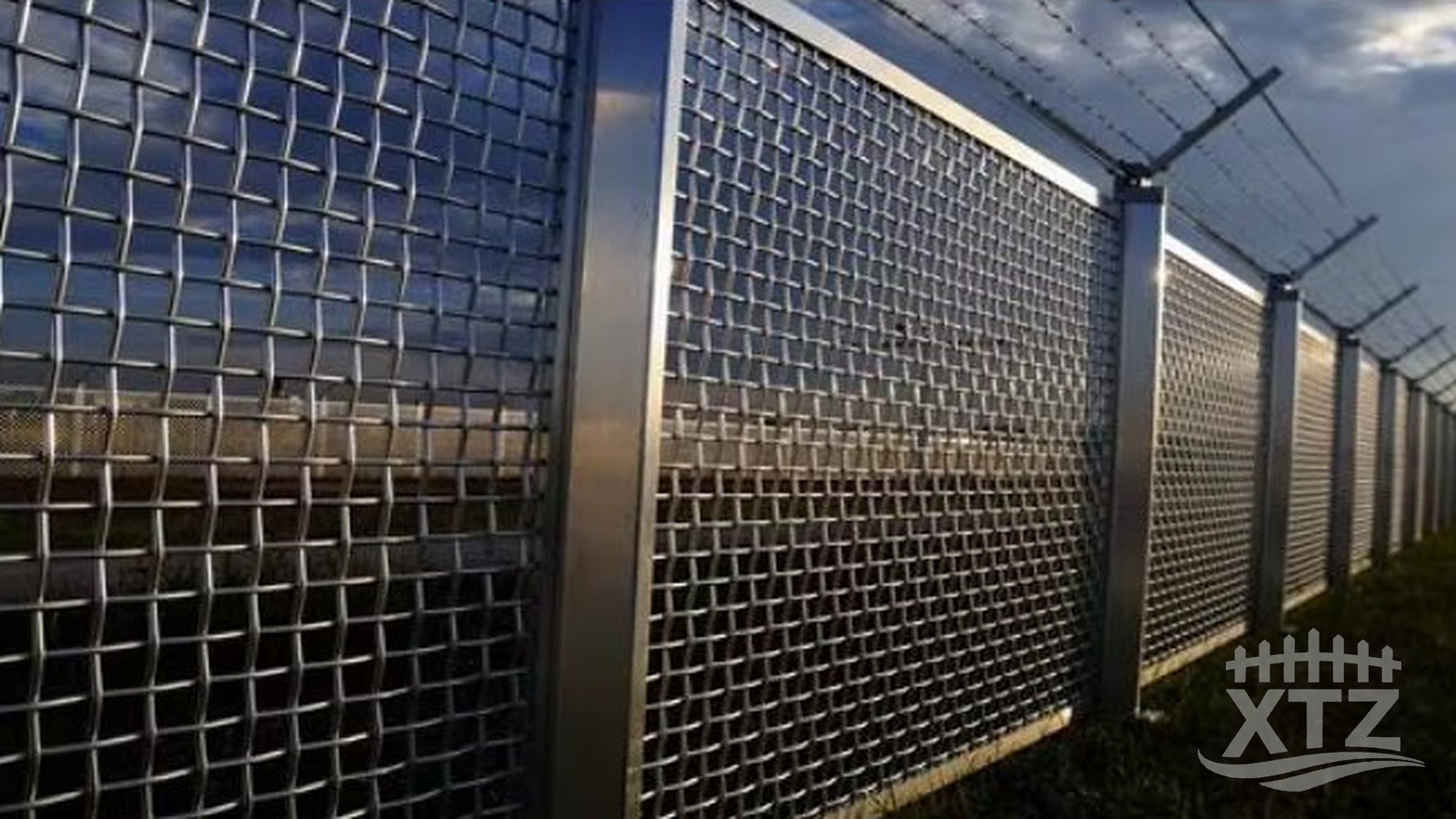
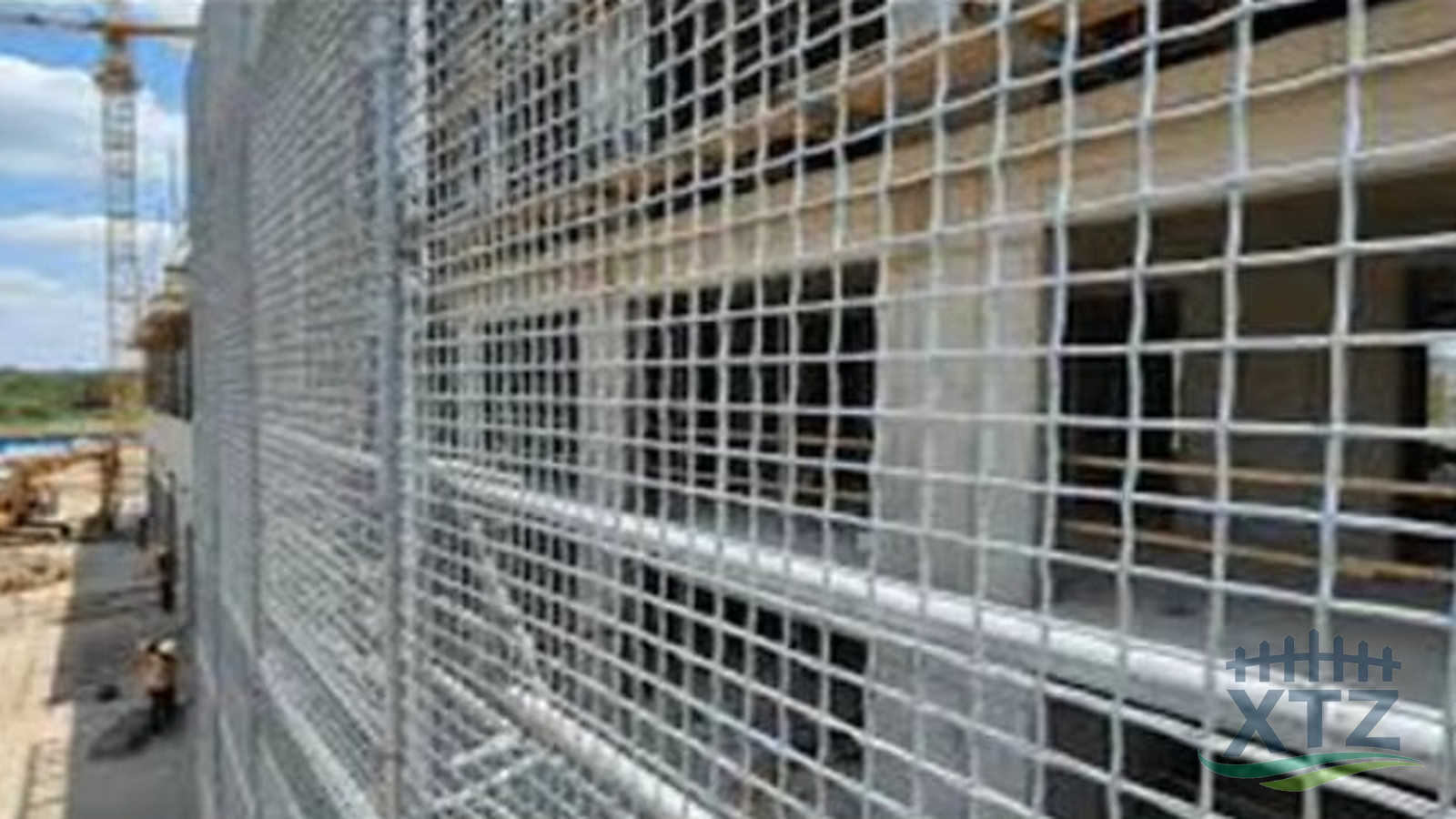
- Mining & aggregate screening, Site perimeter protection, Construction & building
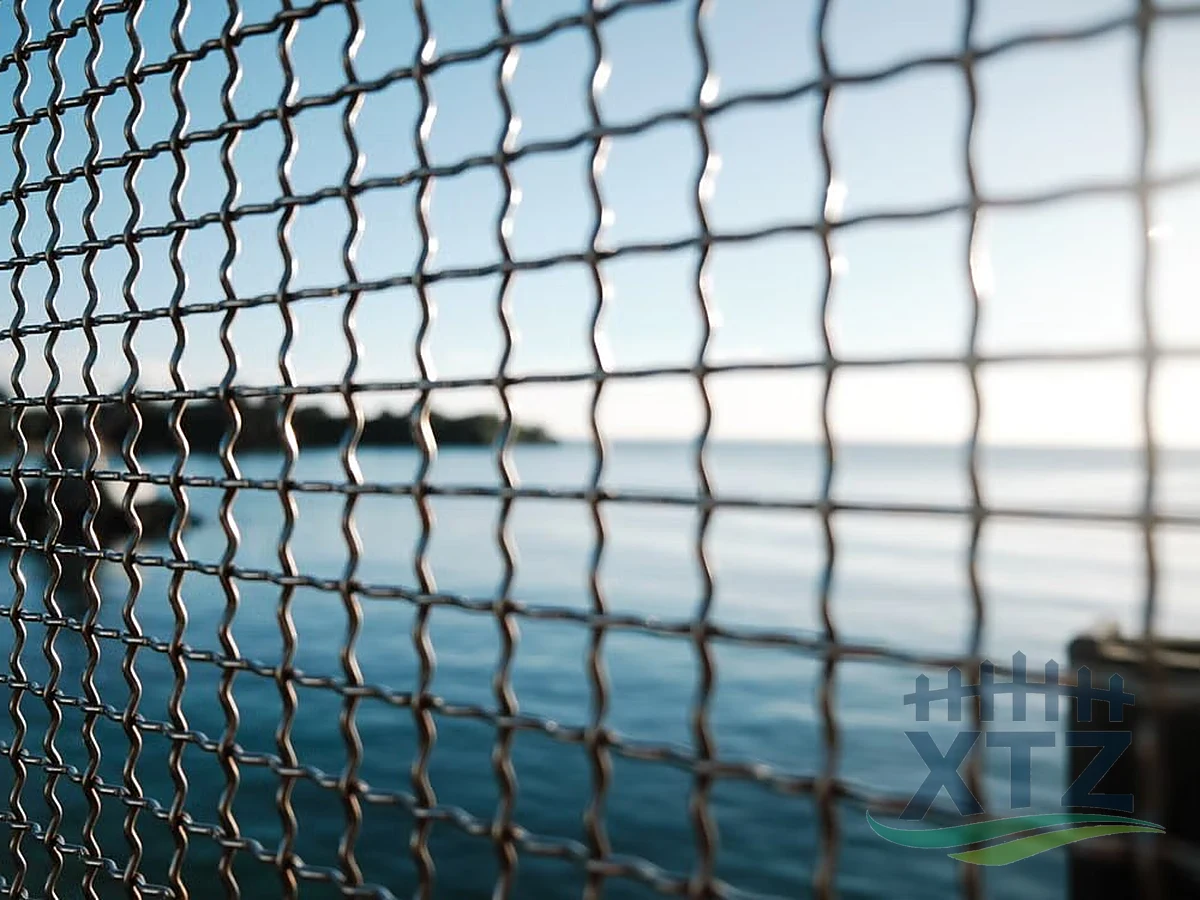
Stainless Steel Crimped Wire Mesh
Filmed on the XTZ factory floor - the production process behind every Stainless Steel Crimped Wire Mesh: raw stainless steel coil, precision cutting and forming, weaving and welding, frame assembly, surface finishing and final quality inspection before packing.
What to confirm.
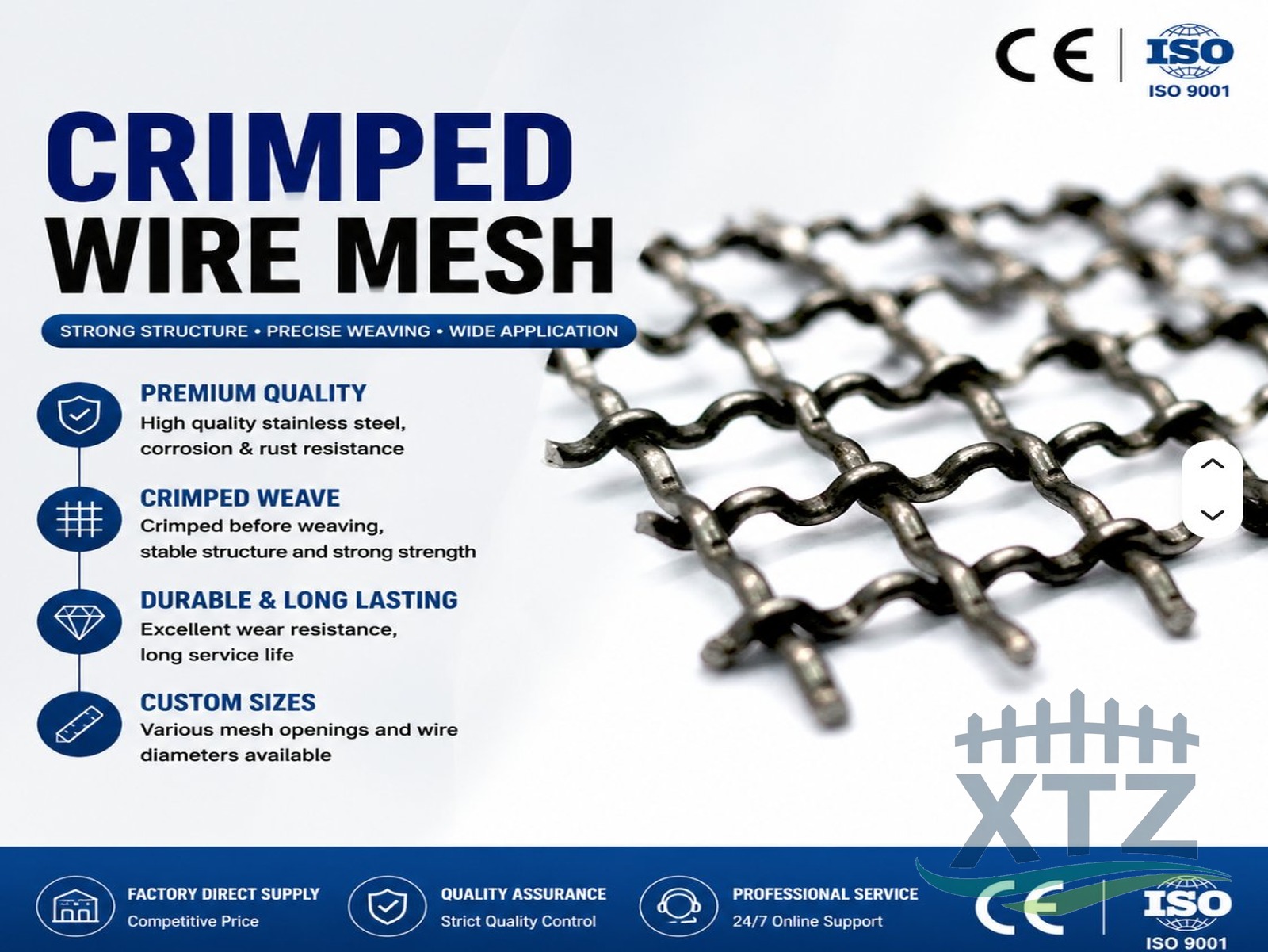
Define this item from drawings, operating conditions and the required installation method.
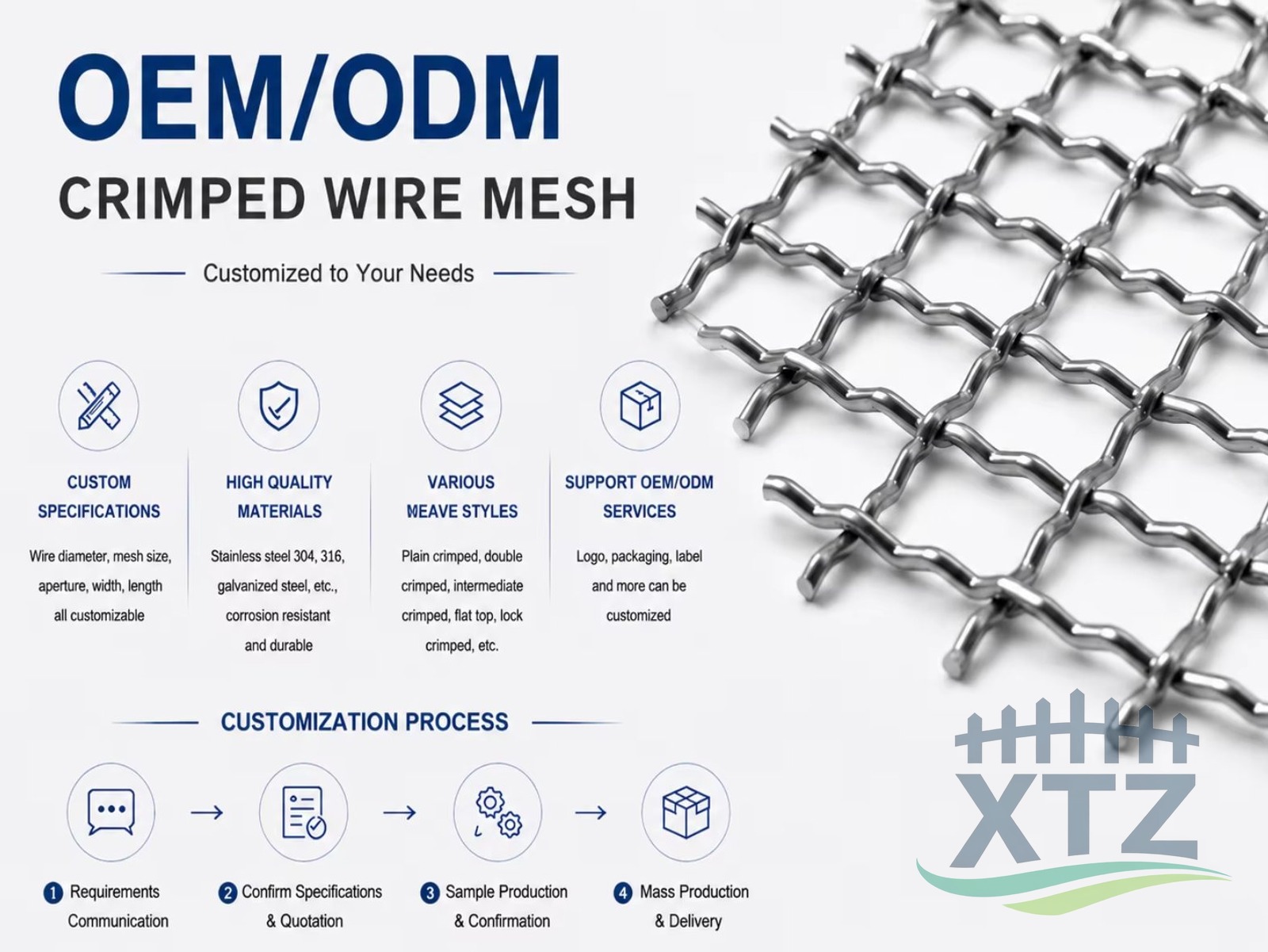
Define this item from drawings, operating conditions and the required installation method.
Define this item from drawings, operating conditions and the required installation method.
Define this item from drawings, operating conditions and the required installation method.
Family-level checks
- Wire diameter and mesh opening
- Crimp pattern and weave type
- Panel size and edge finish
- Alloy and surface finish
Typical applications.
Related products.
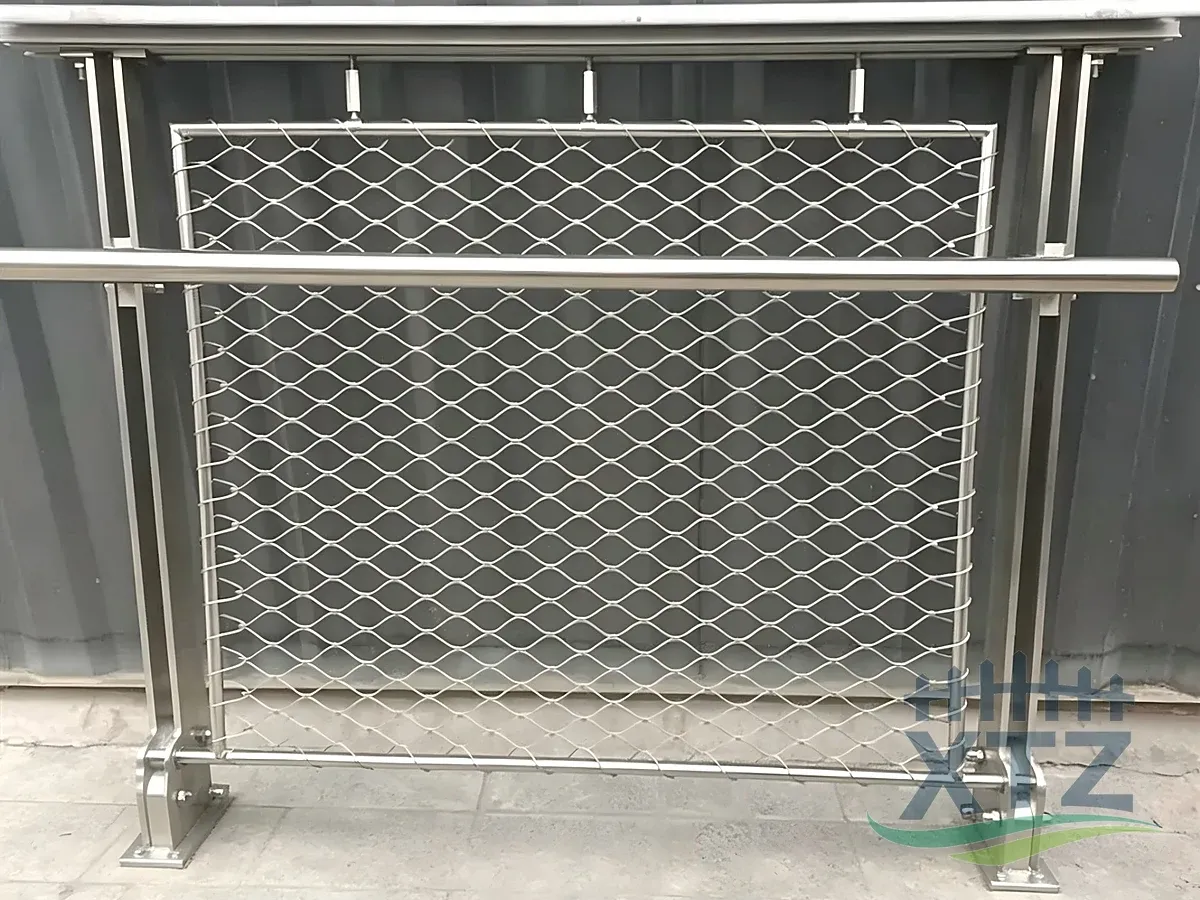 Stainless Steel Rope Mesh FenceFlexible stainless steel rope mesh assembled into framed fence panels for perimeter and fall-protection barriers.
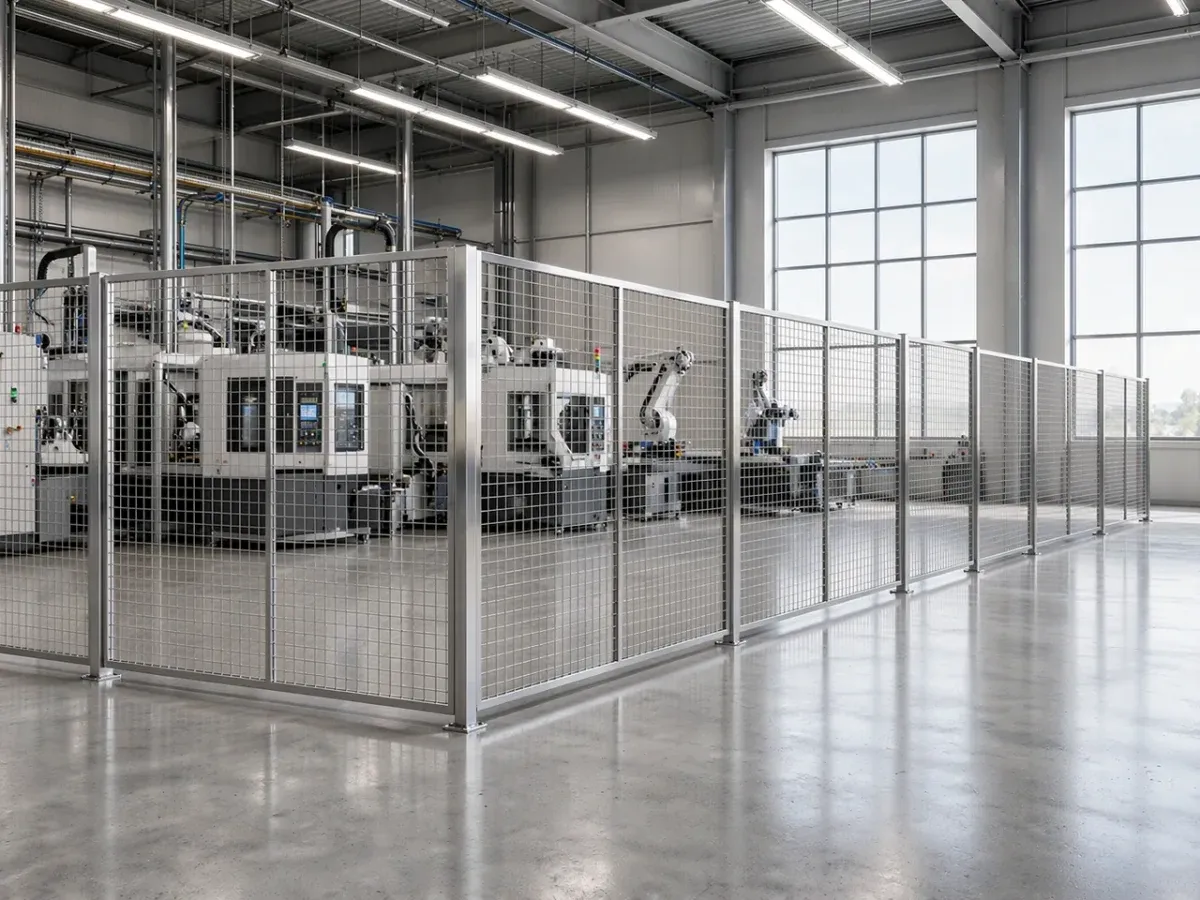
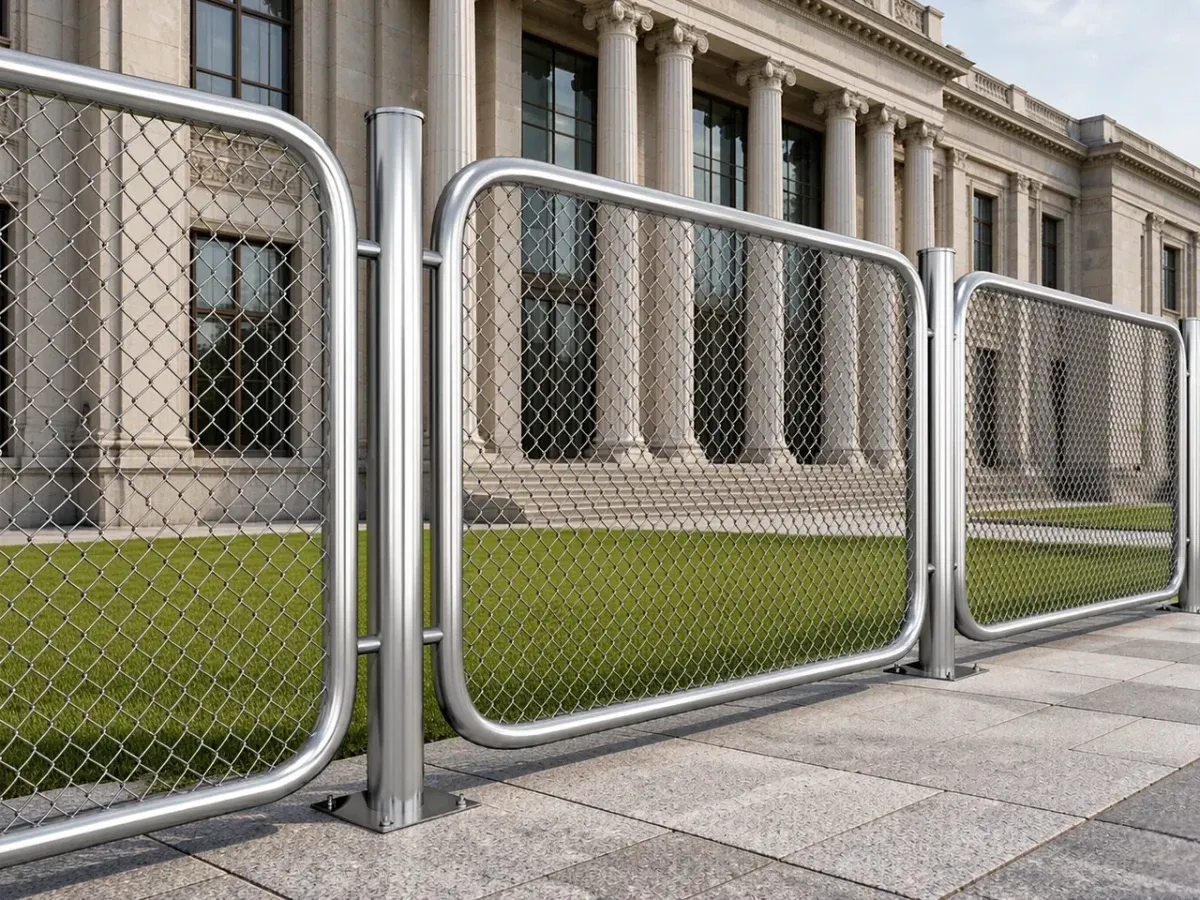
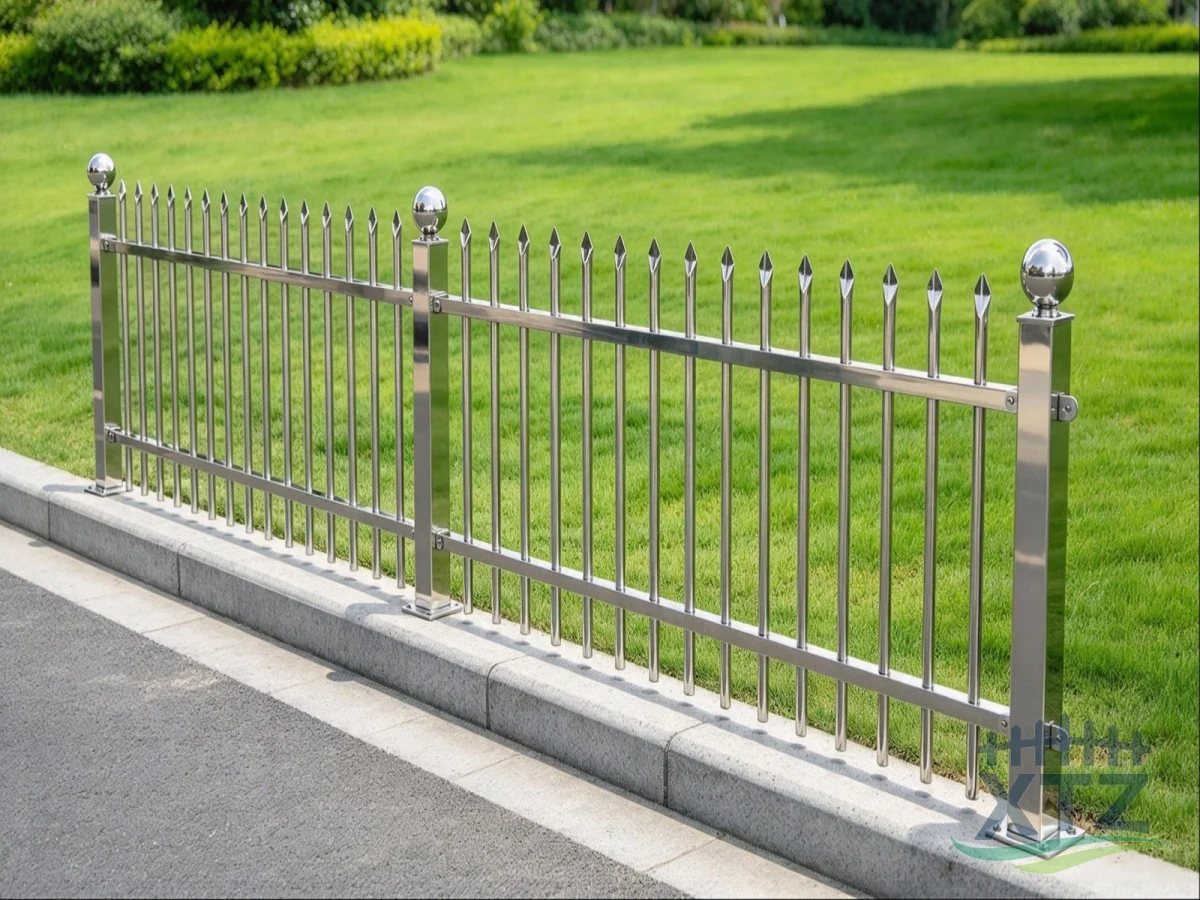 Stainless Steel Security FenceReinforced stainless steel fence systems engineered for high-security perimeter protection.
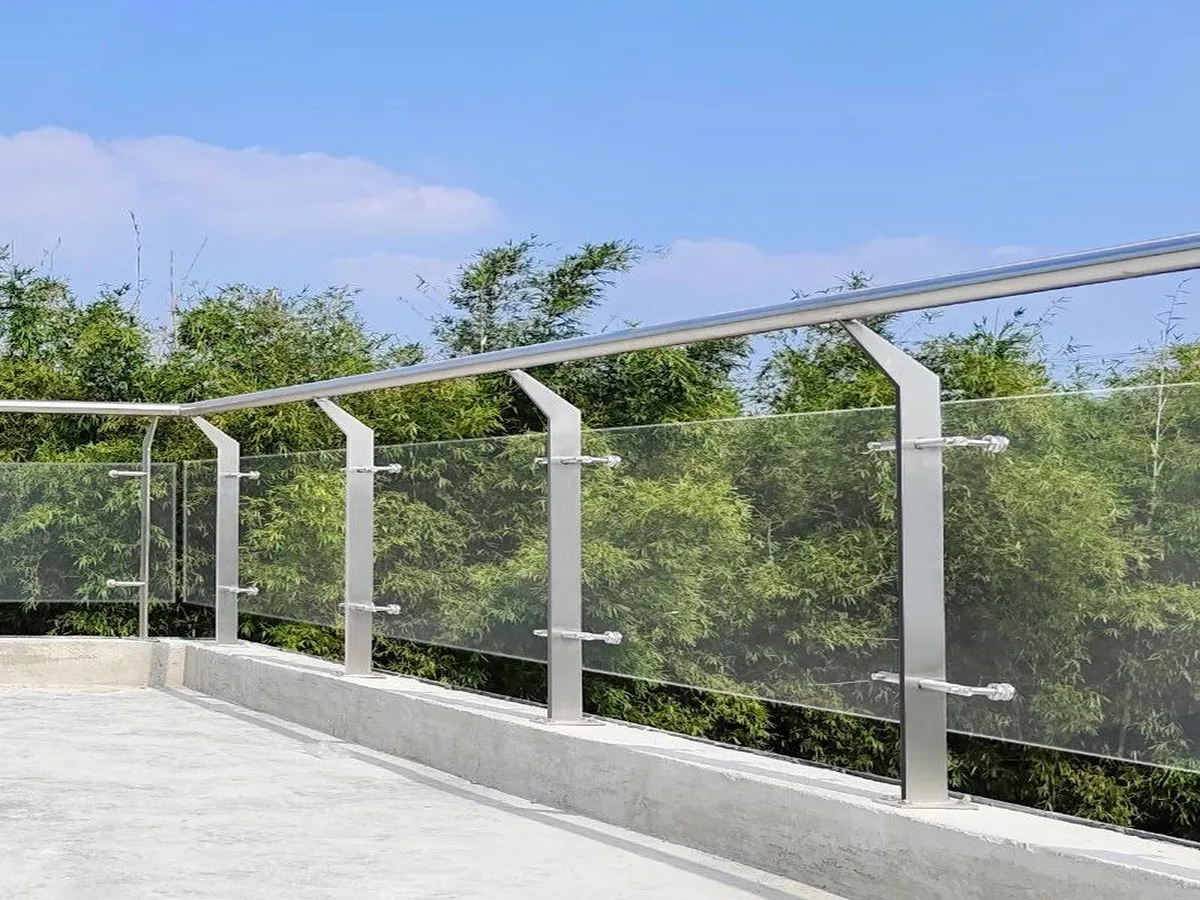 Stainless Steel Glass RailingStainless steel railing systems that secure glass panels for balconies, staircases, terraces and pool fencing.
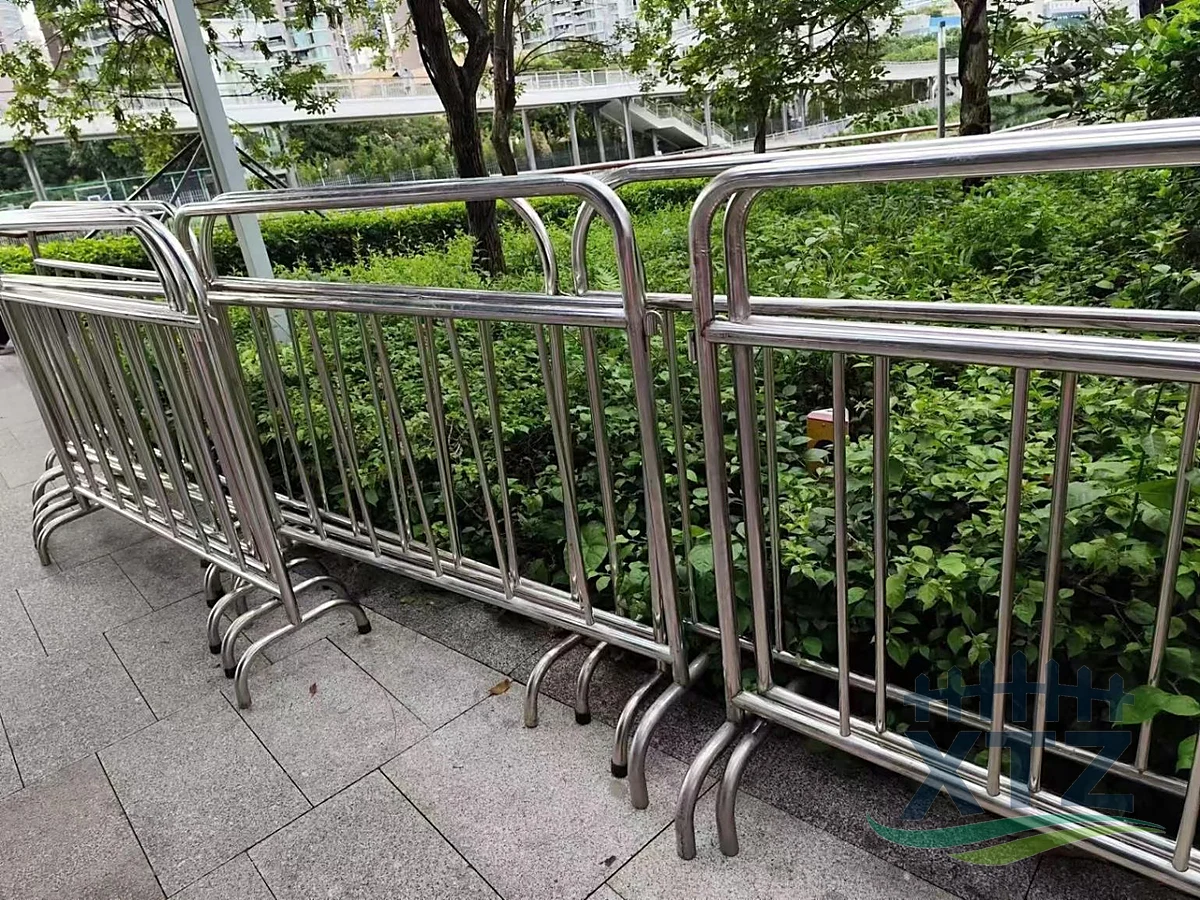 Stainless Steel Crowd Control BarrierPortable stainless steel barriers with interlocking hooks for rapid queue and crowd management.
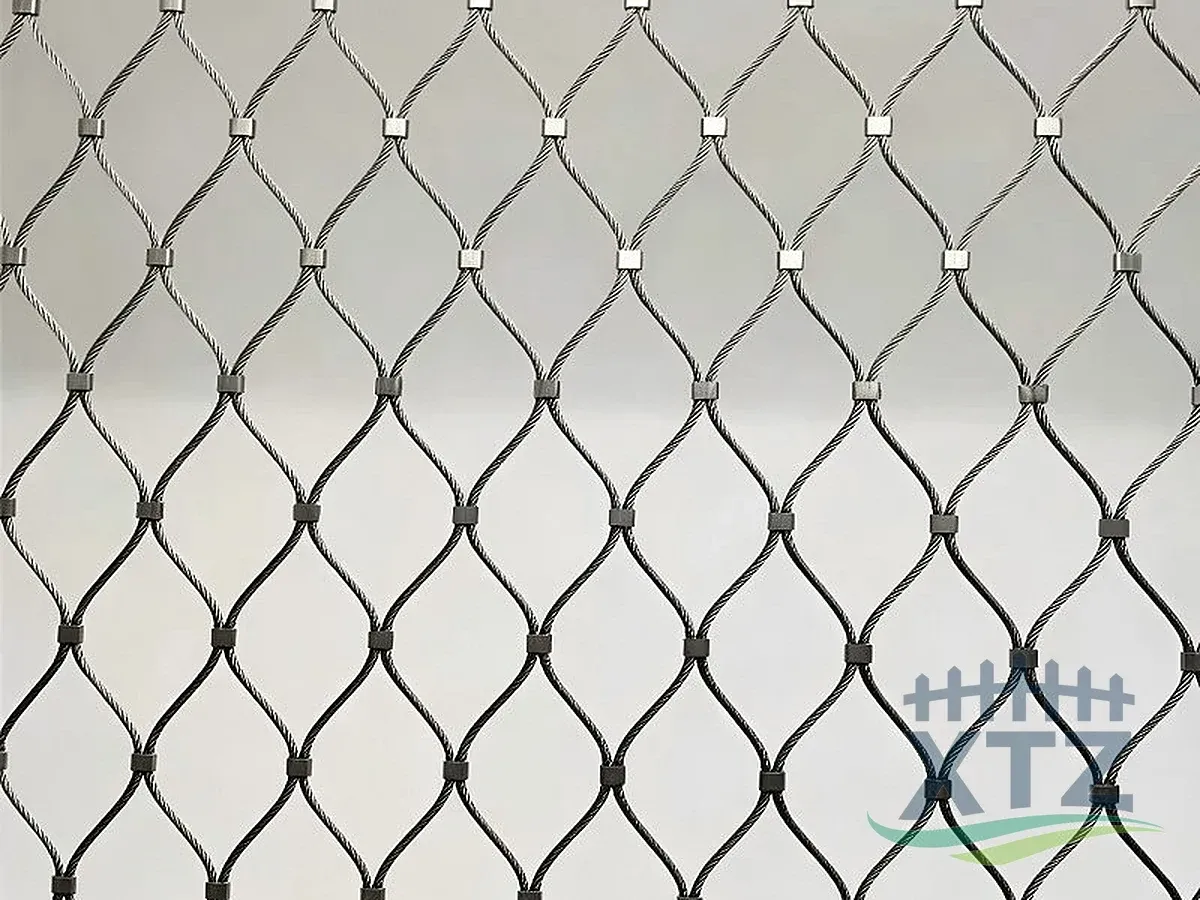 Stainless Steel Rope MeshFlexible rope mesh systems for transparent safety barriers, enclosures and architectural applications.
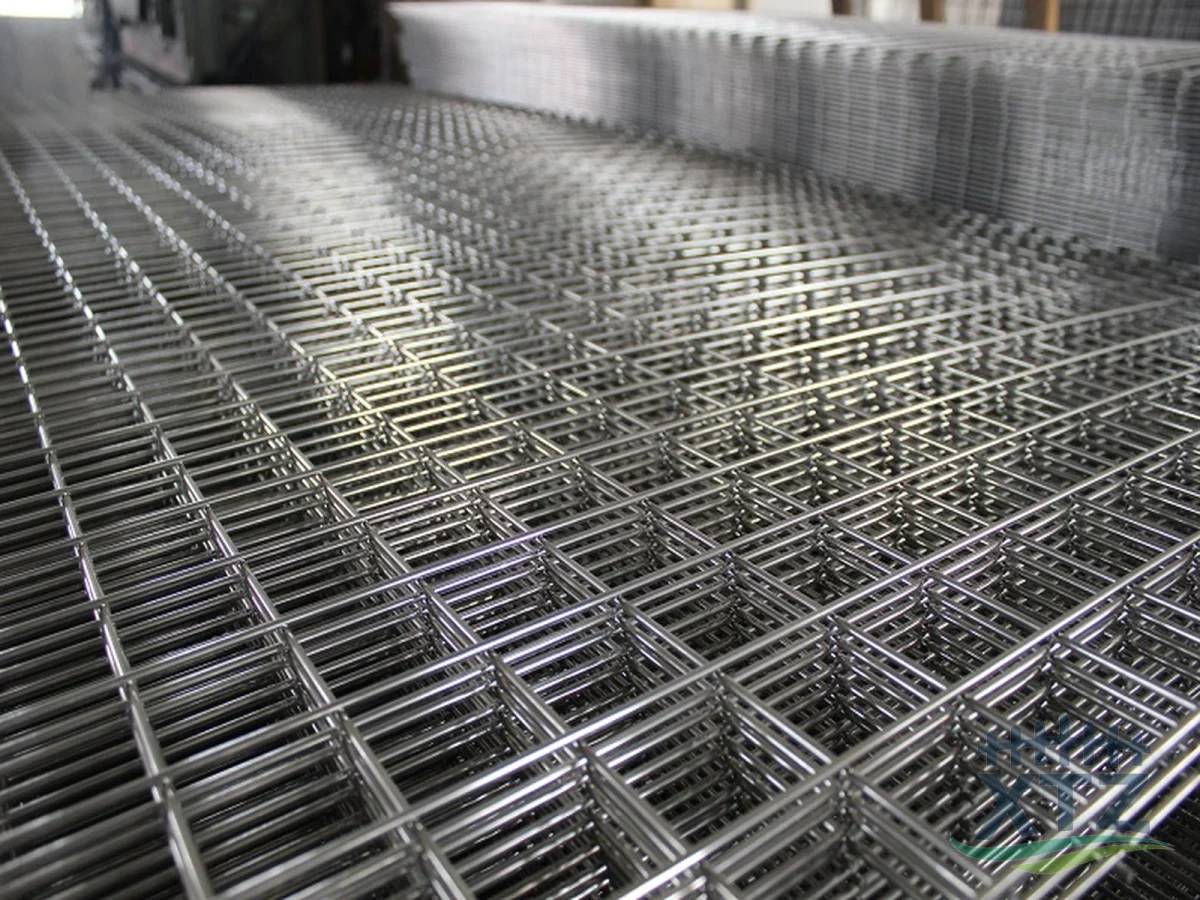 Stainless Steel Mesh PanelWelded or pressure-locked bar grating creates ventilated walking and service surfaces with coordinated support direction.
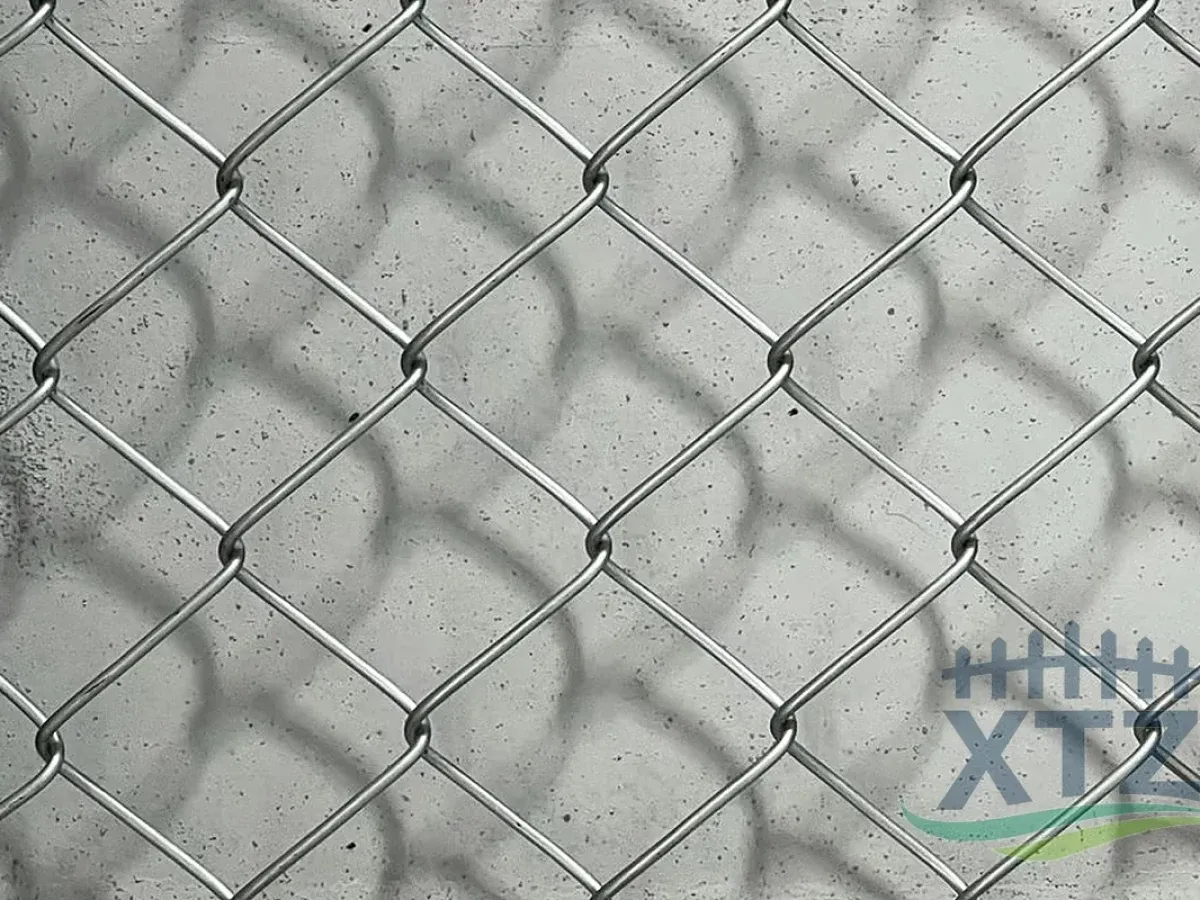
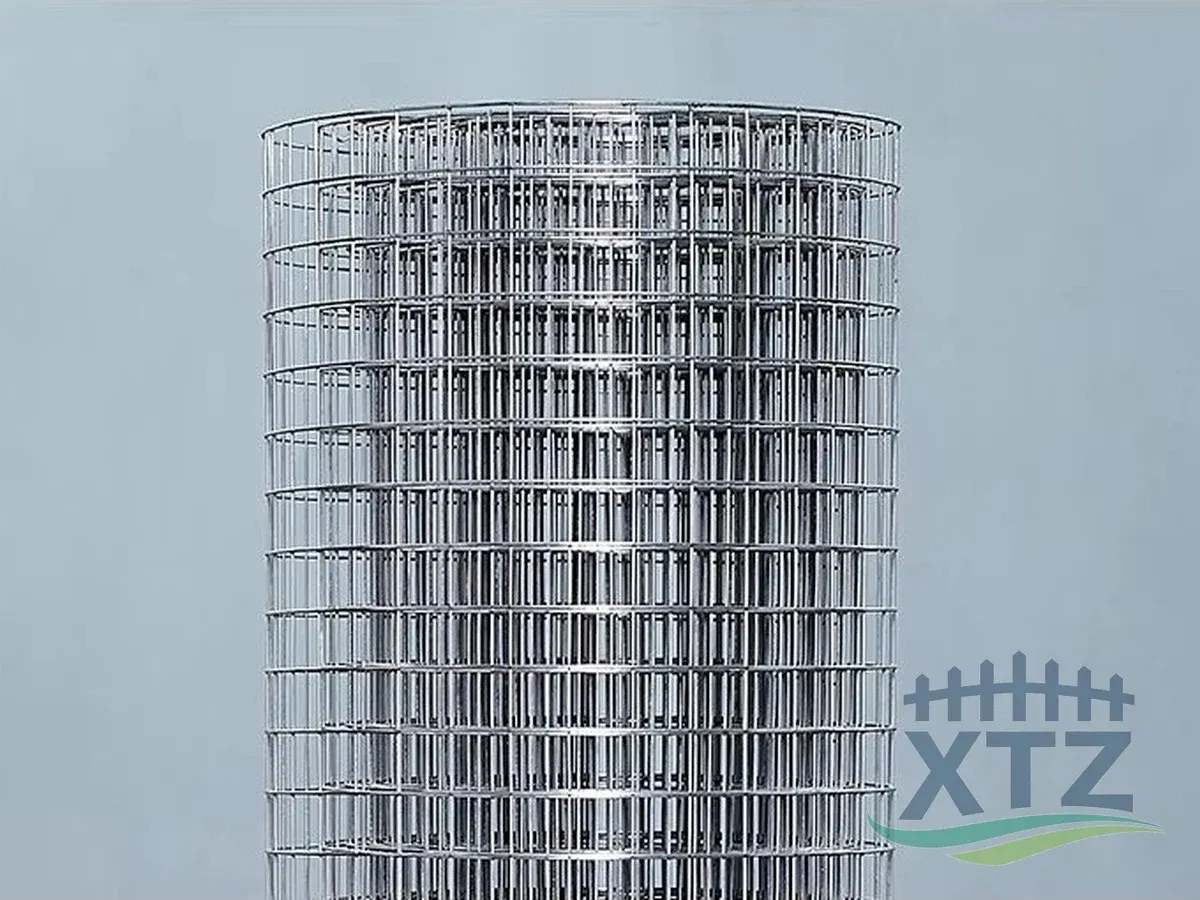 Stainless Steel Welded Wire MeshWoven and welded stainless meshes for screening, filtration, guarding and precise industrial separation.
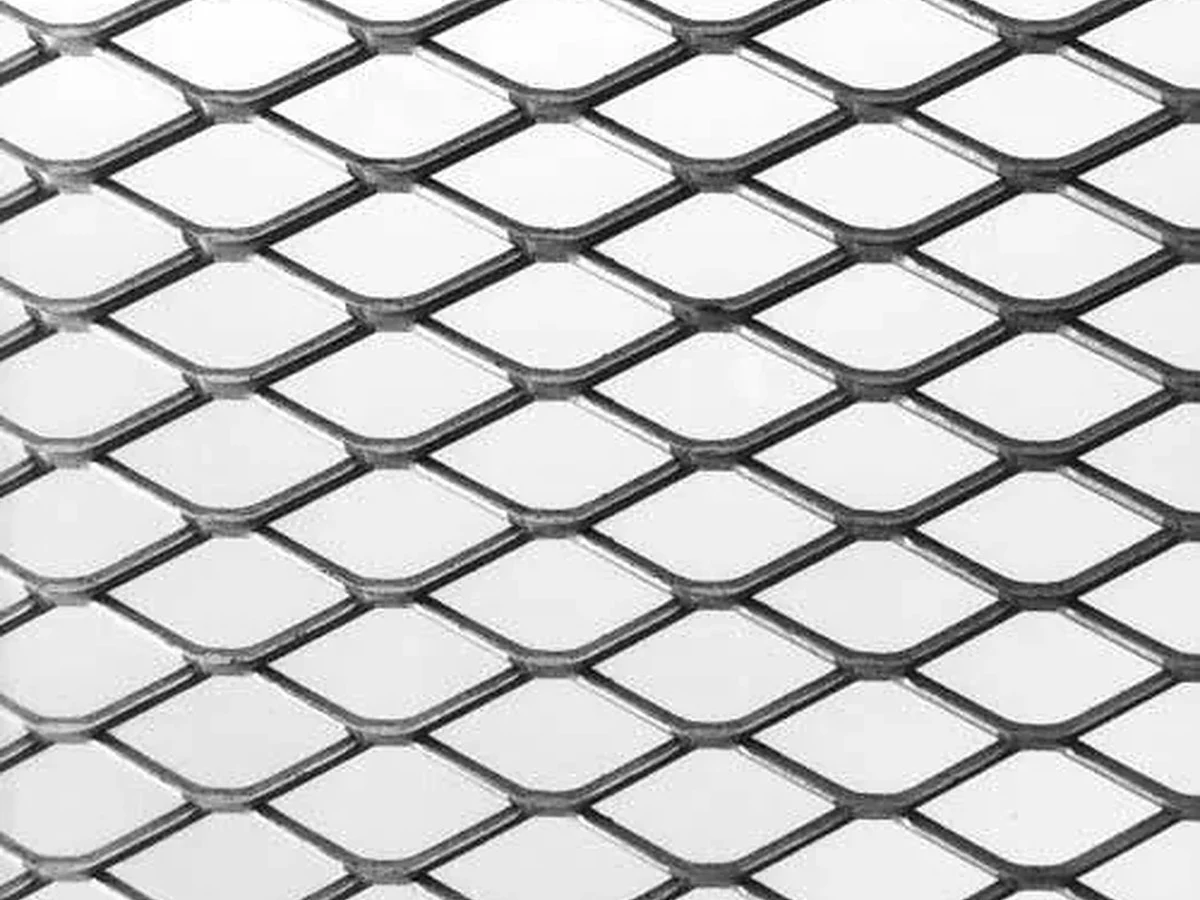 Stainless Steel Expanded Metal MeshA single sheet is expanded into a regular diamond network for guards, platforms, screens and architectural panels.
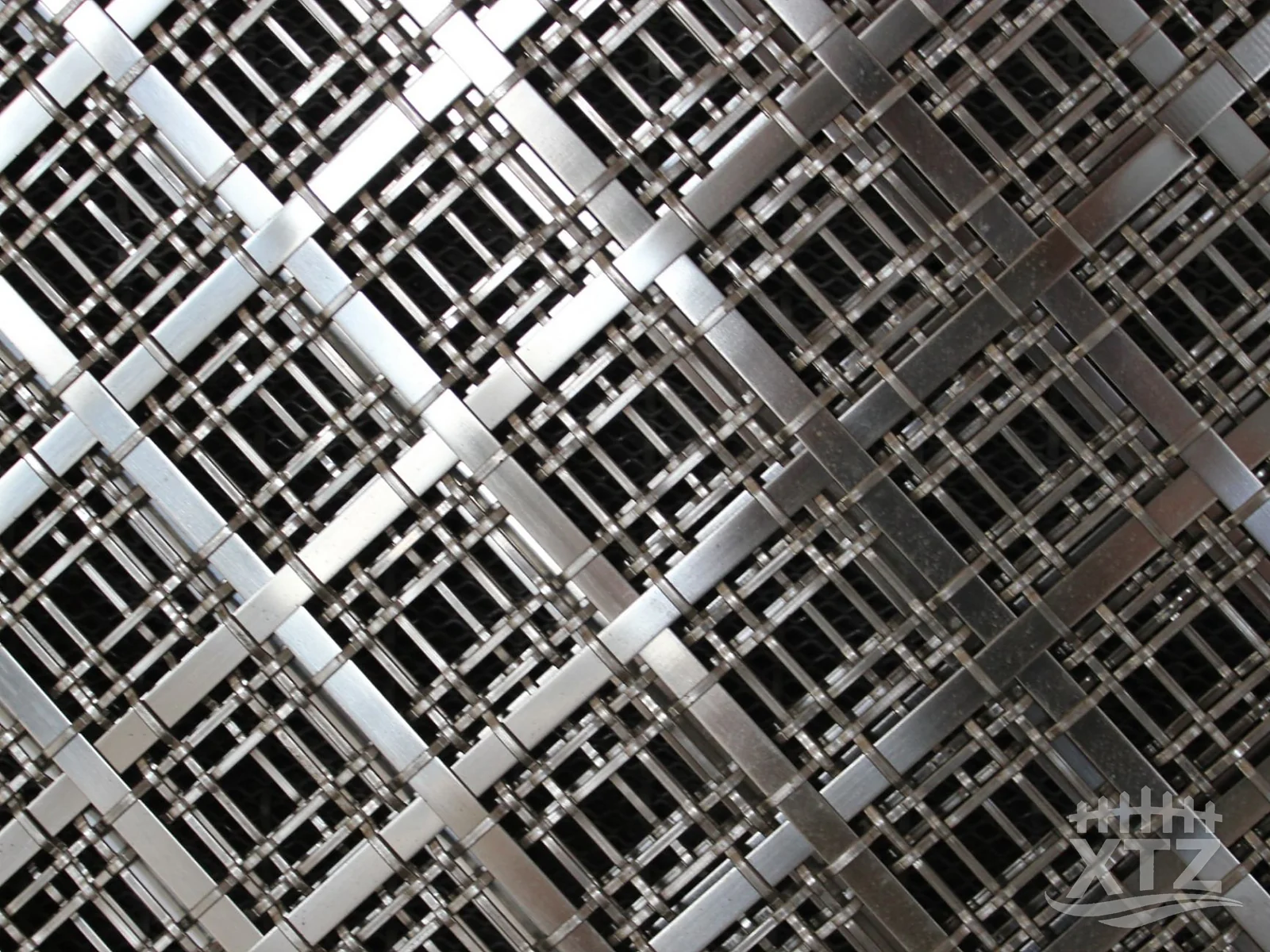 Stainless Steel Decorative MeshWoven, cable-supported and formed metal surfaces for facades, interiors, balustrades and feature screens.
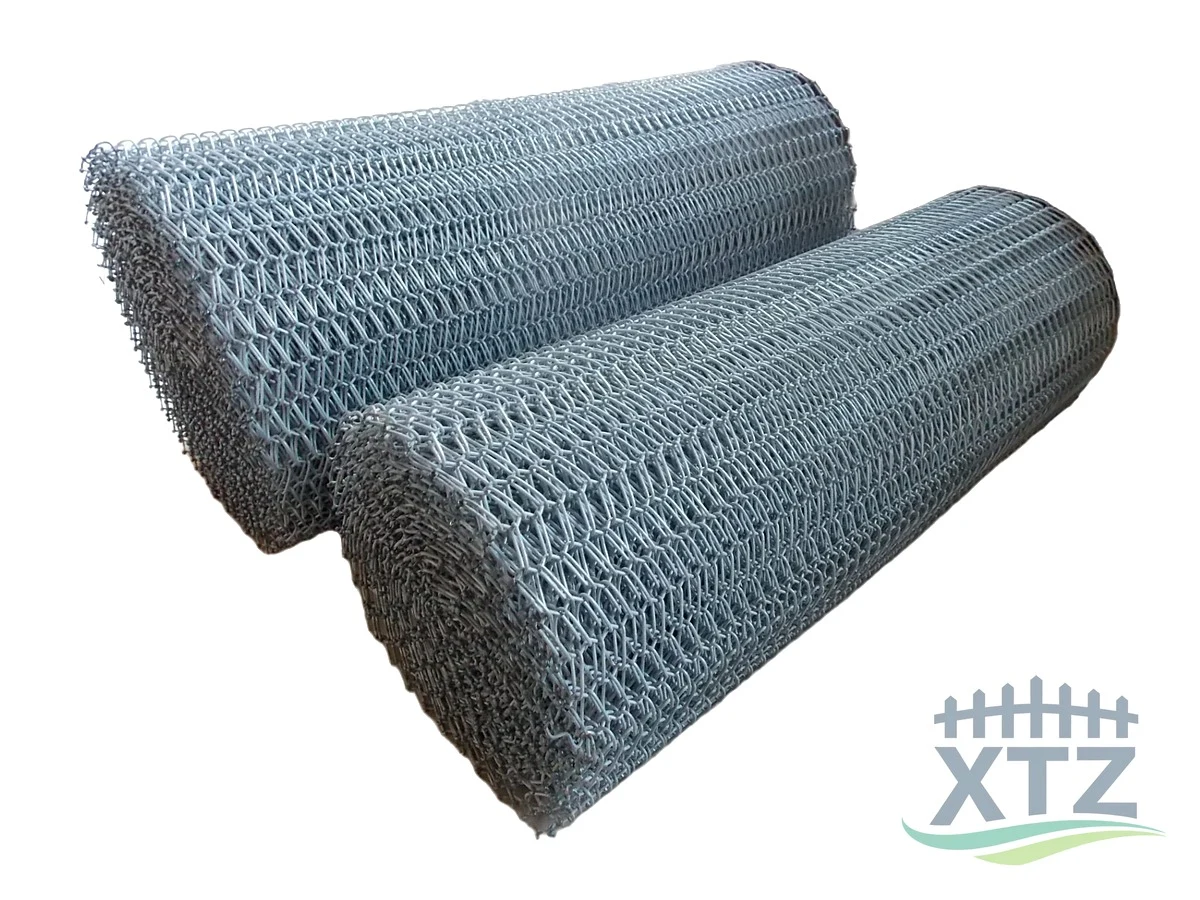 Stainless Steel Conveyor Belt MeshContinuous wire is formed into interlocking loops that compress, recover and conform to complex shapes.
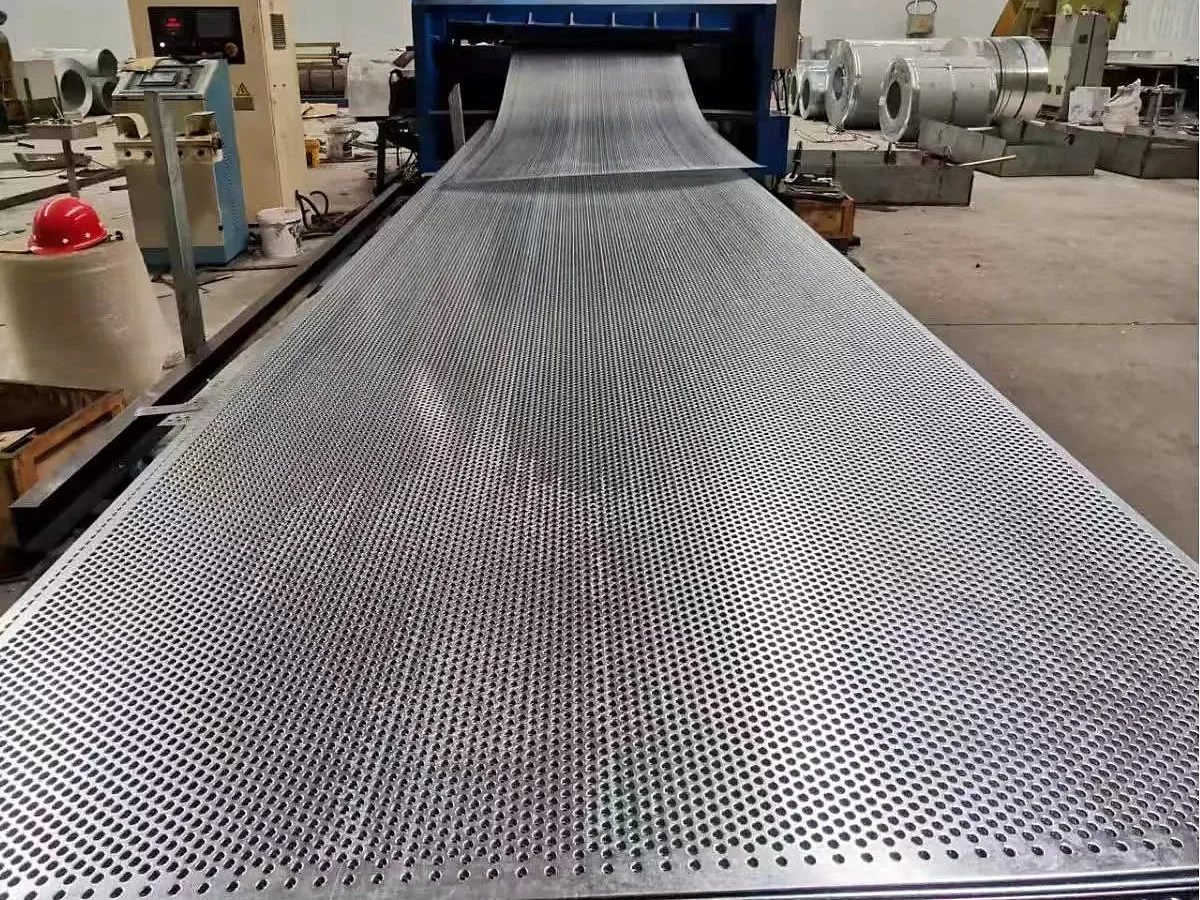 Stainless Steel Perforated SheetRound, square or shaped perforations can be arranged to control open area, appearance and downstream fabrication.
Send the project conditions.
Include drawings, dimensions, quantity, destination and any required finish or packing method.
Stainless Steel Crimped Wire Mesh Products, Specifications and Applications
XTZ Fence manufactures stainless steel crimped wire mesh in plain crimp and lock crimp constructions, supplied as rolls or cut sheets with custom wire diameter and mesh opening for screening, filtration and process separation.
Stainless Steel Crimped Wire Mesh
Stainless steel crimped wire mesh is woven from wire that has been pre-crimped, or corrugated, before weaving, so the intersections sit in a defined profile instead of crossing loosely. The result is a flatter, more accurate opening and a stiffer section, which is what makes crimped mesh the usual choice for screening, filtration and process separation. XTZ Fence supplies plain crimp and lock crimp constructions, in rolls and cut-to-size sheets, for stainless steel woven wire mesh and wire cloth applications.
Product Structure and Materials
Plain Crimp, Lock Crimp and Weave Types
The crimp type is the first decision, because it determines the flatness of the surface and the way the mesh carries load. Plain crimp pairs the weft wire with a single warp wire at each intersection, giving a surface that is flat enough for screening and general filtration. Lock crimp crimps several wires together at each node, which produces the strongest, most rigid surface for heavy screening and dewatering. Square, plain and other weave patterns are available to specification, and the mesh can be supplied as woven wire cloth for fine screening.
- Plain crimp: Single wire crimped at each intersection
- Lock crimp: Multiple wires crimped together for maximum rigidity
- Weave type: Square, plain or other pattern to specification
- Wire diameter: Custom Specifications, confirmed per project
- Mesh opening: Selected per screening or filtration duty
- Mesh count: Derived from the wire diameter and opening
- Mesh width: Available to specification
- Sheet size: Supplied cut to size or in rolls
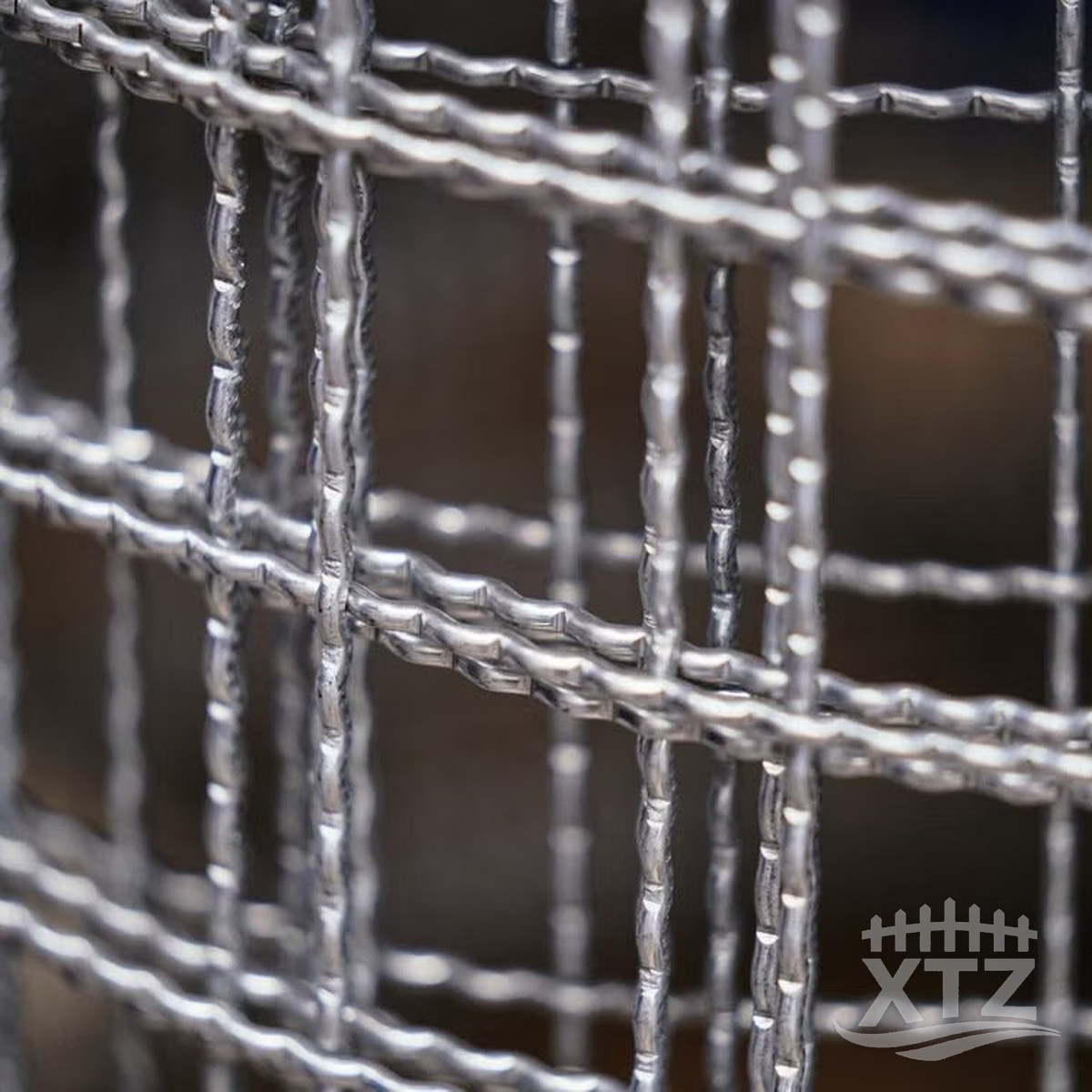
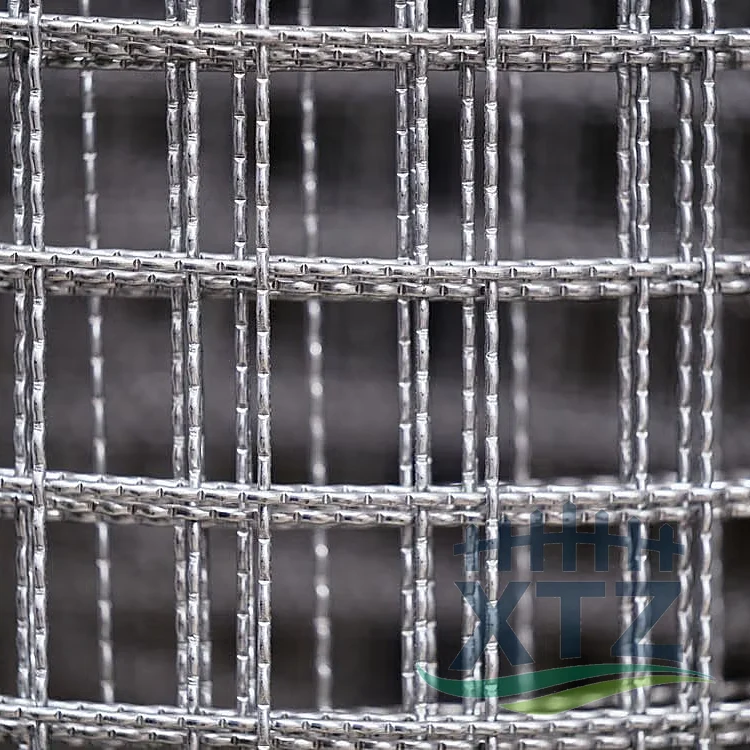
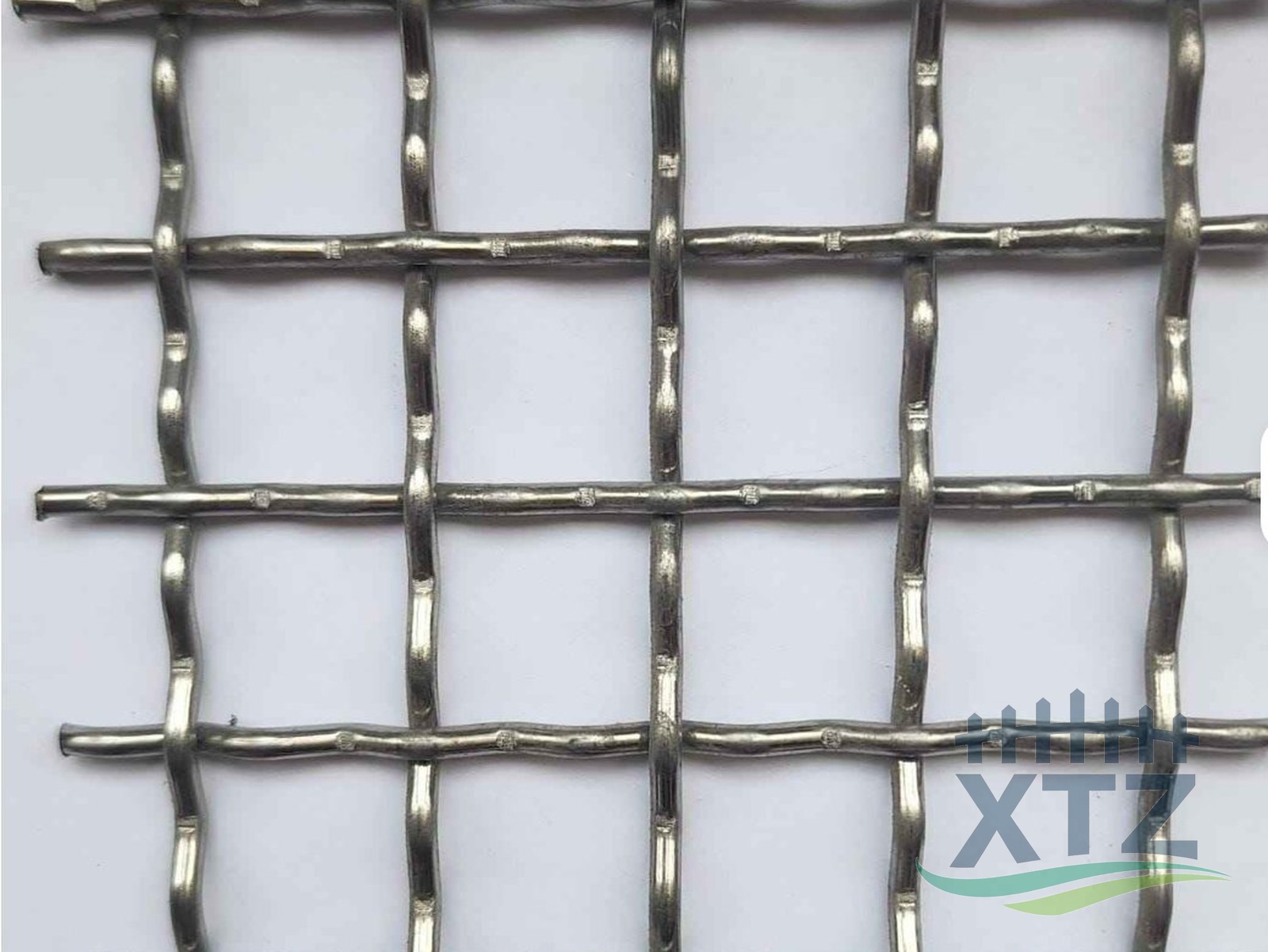
Crimp Profile Detail
A close view of the crimped intersection, showing the pre-crimped profile that holds the wires in position. The flat top surface of the crimp is what gives the mesh its accurate opening and its rigidity under load.
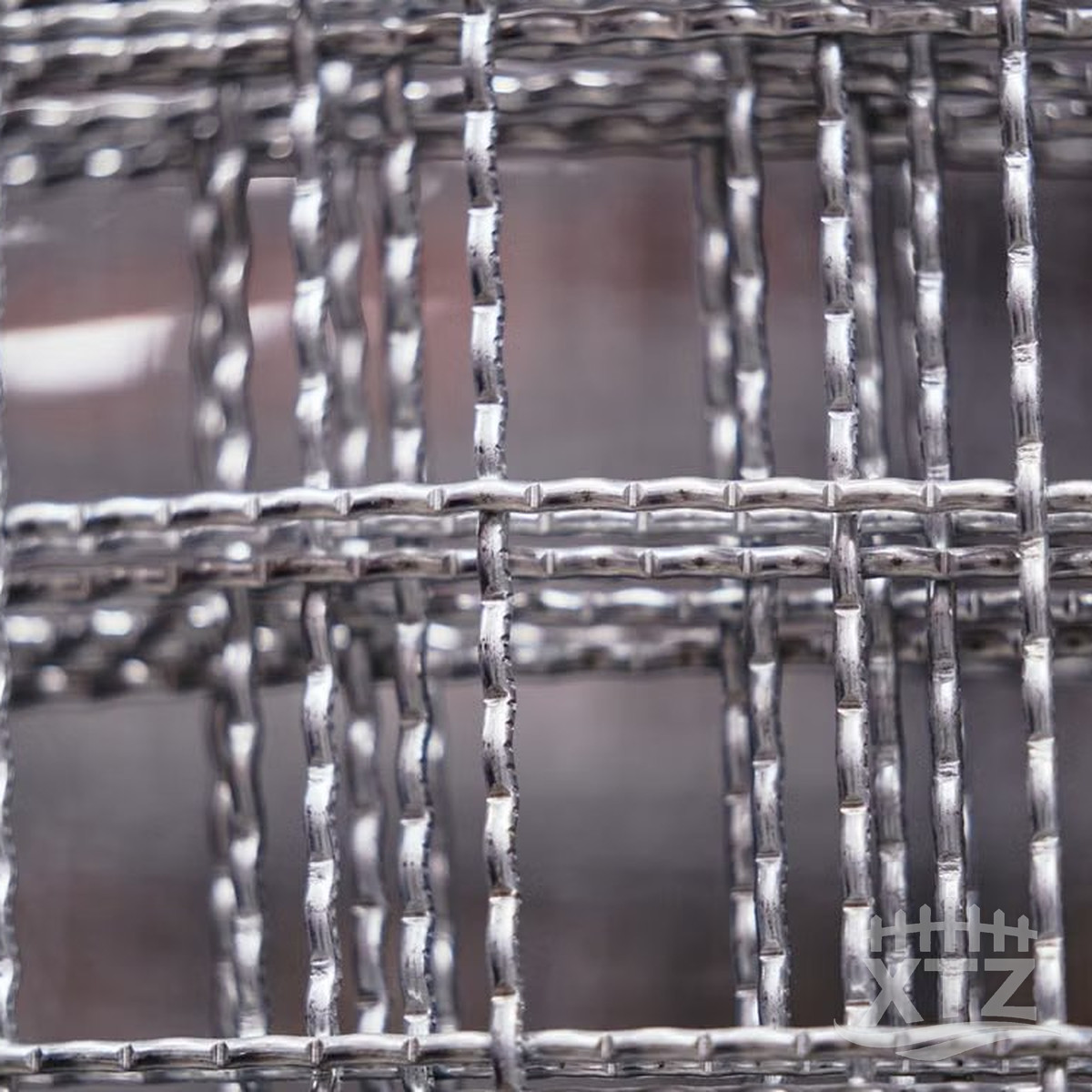
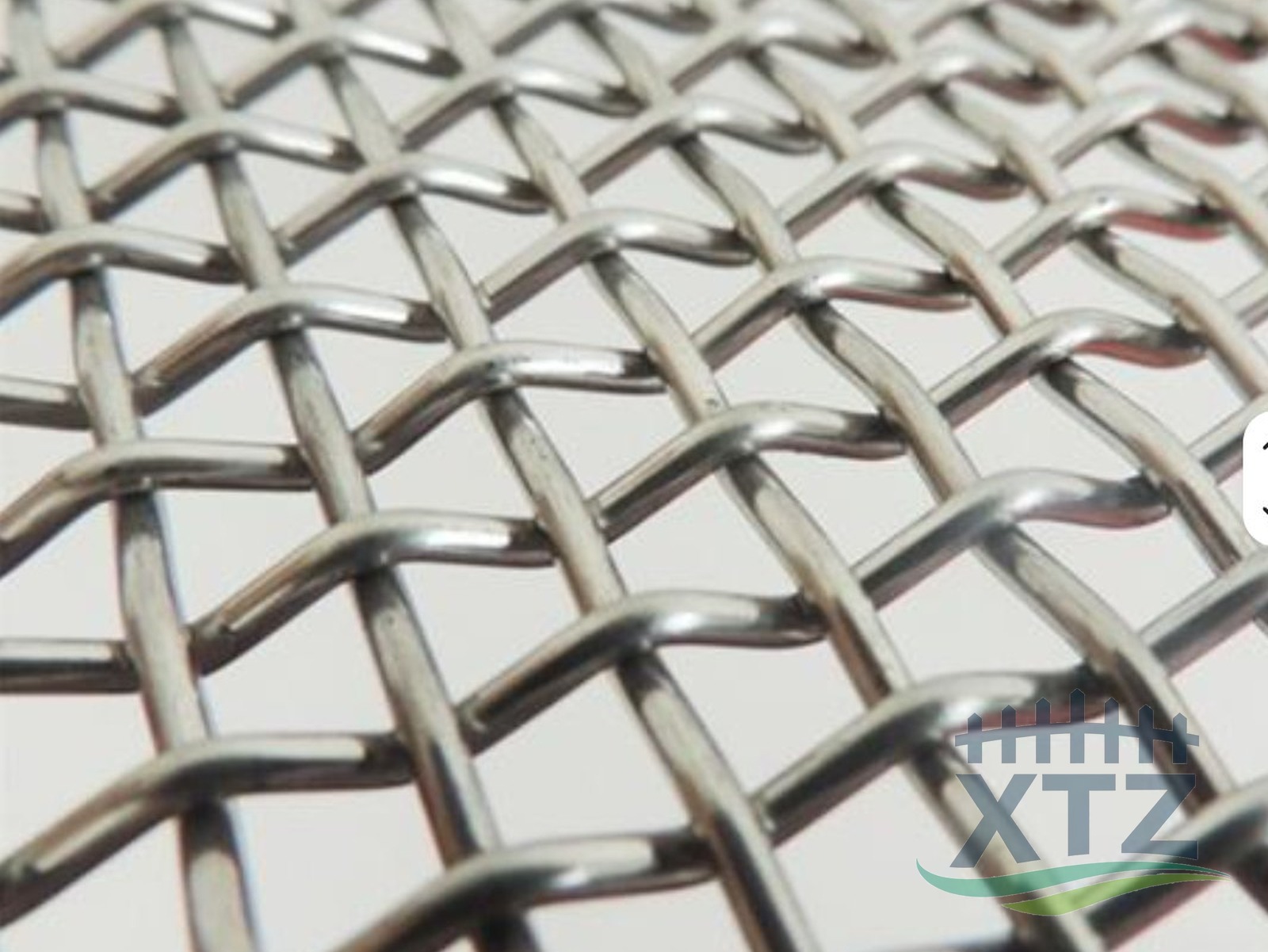
Stainless Steel Crimped Mesh Weave
Crimped wire mesh seen across the panel, showing the repeating crimp rows. The crimp holds the wires apart at a fixed distance, so the opening stays consistent along the whole sheet rather than varying with handling.
Applications and Selection
Applications for Crimped Wire Mesh
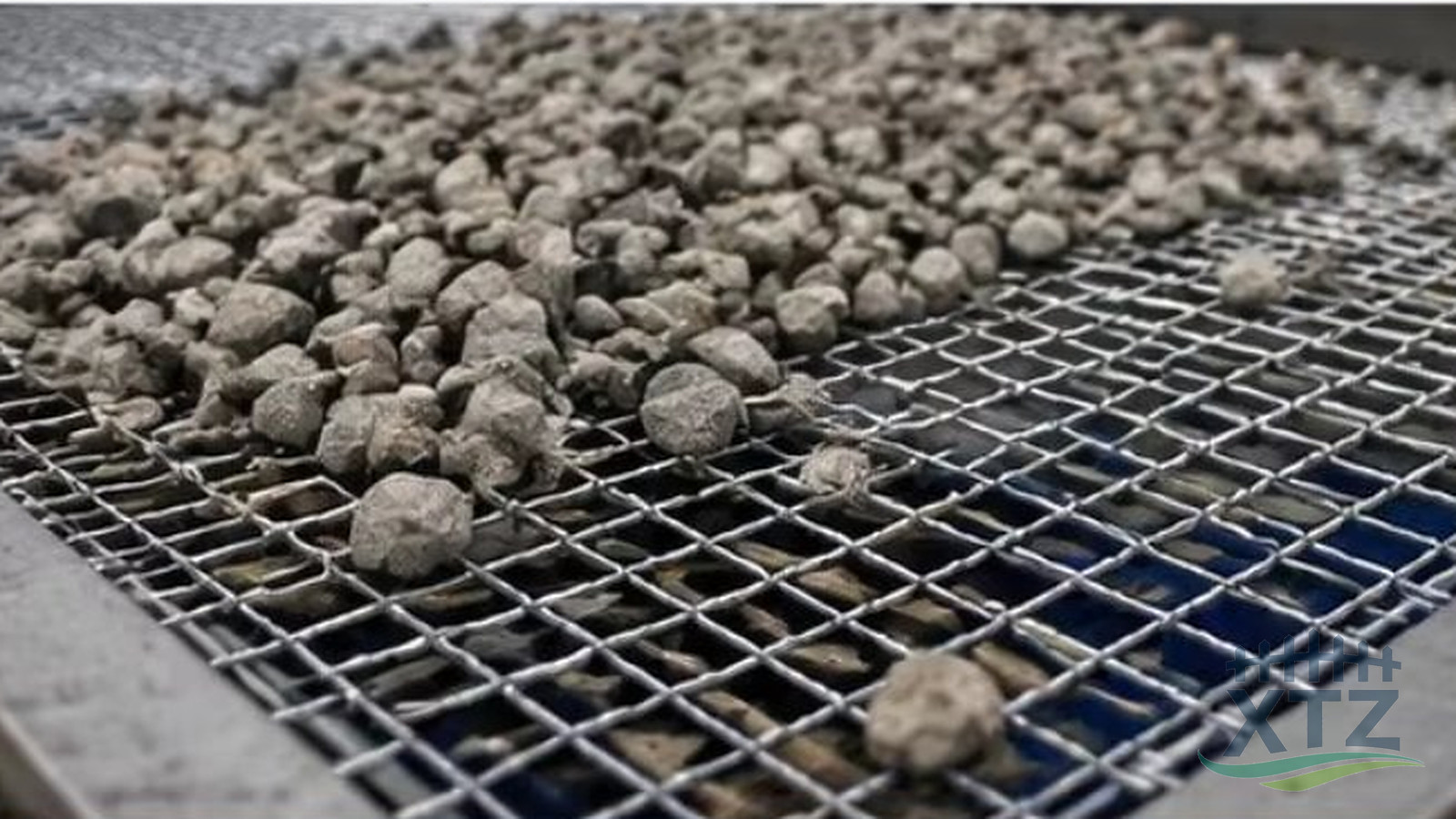
Crimped wire mesh is used wherever the screen has to hold a defined opening under load. Industrial screening and sieving is the primary application, followed by filtration and process separation, where the flat surface of the crimp improves the flow behaviour and reduces blinding. It is also used in mining and mineral processing, in food and pharmaceutical processing, and in architectural and infill work where a flat woven panel is preferred over an expanded or perforated sheet.
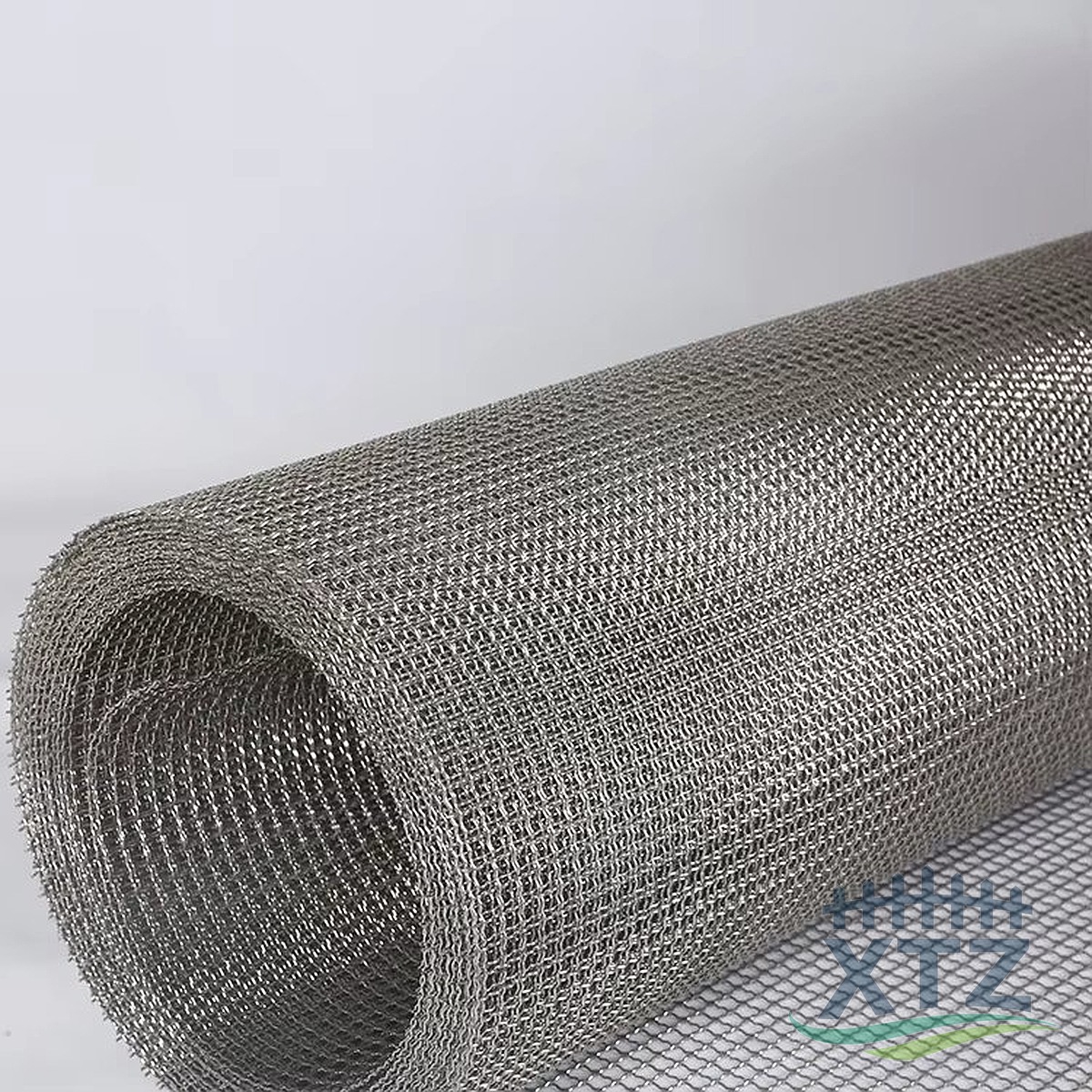
Crimped Mesh Roll
Crimped wire mesh supplied on a roll. The mesh is delivered as material and is cut to the panel size required, so the screen size can follow the equipment rather than the other way round.
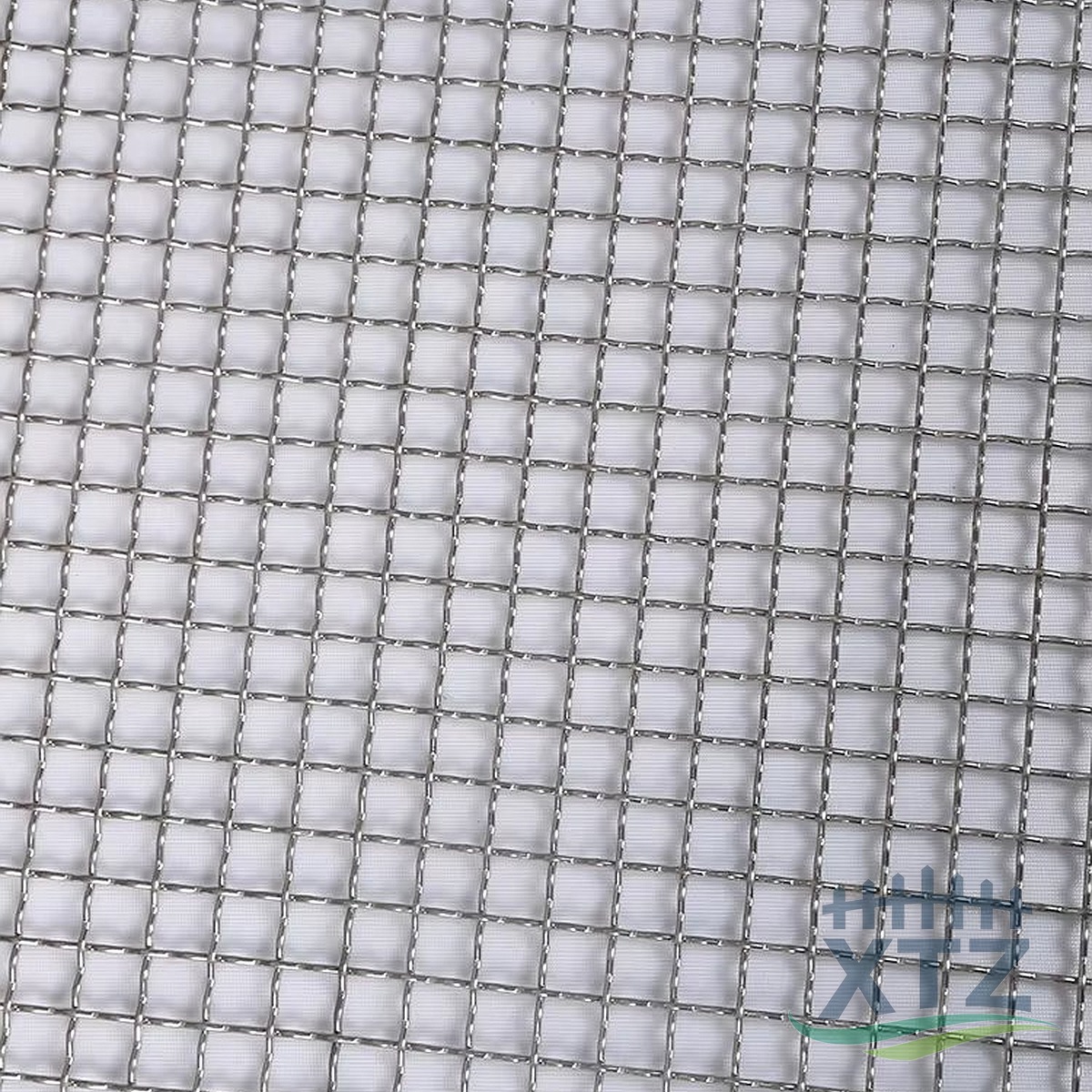
Woven Wire Cloth Detail
Fine woven wire cloth with square openings, showing the closer weave used for screening applications where the opening has to be held accurately. Both woven cloth and crimped mesh are supplied from the same product range.
Selecting Wire Diameter and Mesh Opening
The screening duty sets both numbers. The opening is chosen against the particle size to be retained, and the wire diameter against the load the screen carries and the service life required. The crimp type then follows from the duty. Where a woven but non crimped mesh is wanted, our stainless steel welded wire mesh covers the welded grid form and our stainless steel cable mesh covers the rope based woven form. Where the requirement is a formed open panel rather than a woven screen, our stainless steel expanded metal mesh covers the slit and stretched form. Send the drawings, the opening and wire diameter, the crimp type, the grade, the quantity and the destination to receive a project-specific quotation. For further technical reading, see Stainless Steel Aviary Mesh and Stainless Steel Safety Mesh.
Frequently Asked Questions
Q: What is stainless steel crimped wire mesh?
A: Stainless steel crimped wire mesh is woven from wire that has been pre-crimped, or corrugated, before weaving, so the intersections sit in a defined profile instead of crossing loosely. The result is a flatter, more accurate opening and a stiffer section, which is what makes crimped mesh the usual choice for screening and filtration.
Q: What is the difference between plain crimp and lock crimp?
A: Plain crimp pairs the weft wire with a single warp wire at each intersection, giving a surface that is flat enough for screening and general filtration. Lock crimp crimps several wires together at each node, which produces the strongest, most rigid surface for heavy screening and dewatering.
Q: How do I choose the mesh opening for a screening duty?
A: The opening is chosen against the particle size that has to be retained, and the wire diameter against the load the screen carries and the service life required. The crimp type then follows from the duty. Both are confirmed with the drawings before production.
Q: Which grade should be used for food or chemical processing?
A: The grade is selected against the exposure of the process. 304 is generally adequate for dry applications, while 316 is used where the product is acidic, salty or where the equipment is washed down with chemicals. The grade is confirmed with the project engineer.
Q: Can crimped wire mesh be supplied cut to size?
A: Yes. The mesh is supplied in rolls or as sheets cut to the confirmed panel size, so the screen size follows the equipment rather than the other way round. The sheet size and the weave pattern are confirmed with the drawings.
Request a Custom Quotation
Request a Custom Quotation – send the drawings, the mesh opening and wire diameter, the crimp type, the material grade, the sheet size, the quantity and the destination, and XTZ Fence will confirm the specification for your project.