
Stainless Steel Perforated Sheet
Round, square or shaped perforations can be arranged to control open area, appearance and downstream fabrication.
- Family
- Stainless Steel Perforated Sheet
- Supply form
- Sheets, coils and fabricated components
- Typical use
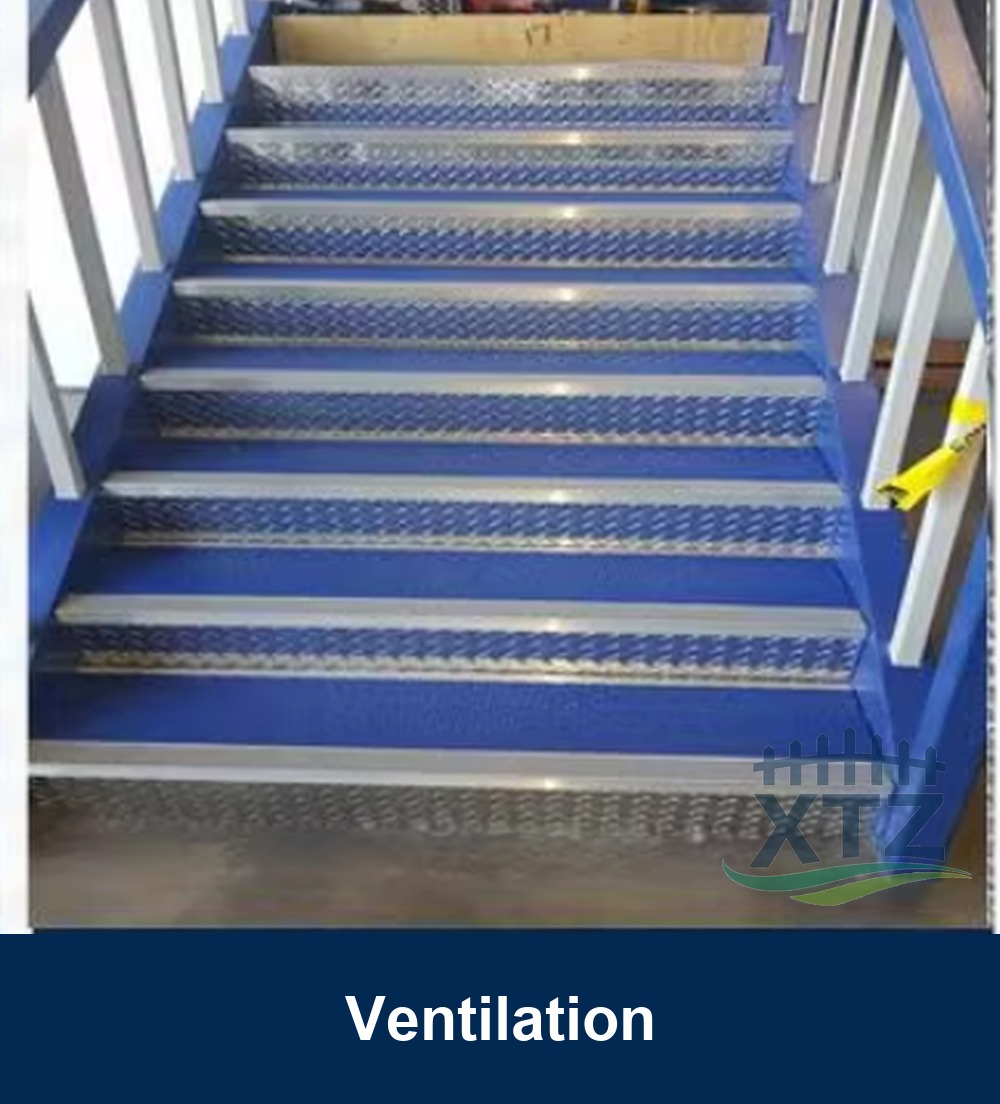
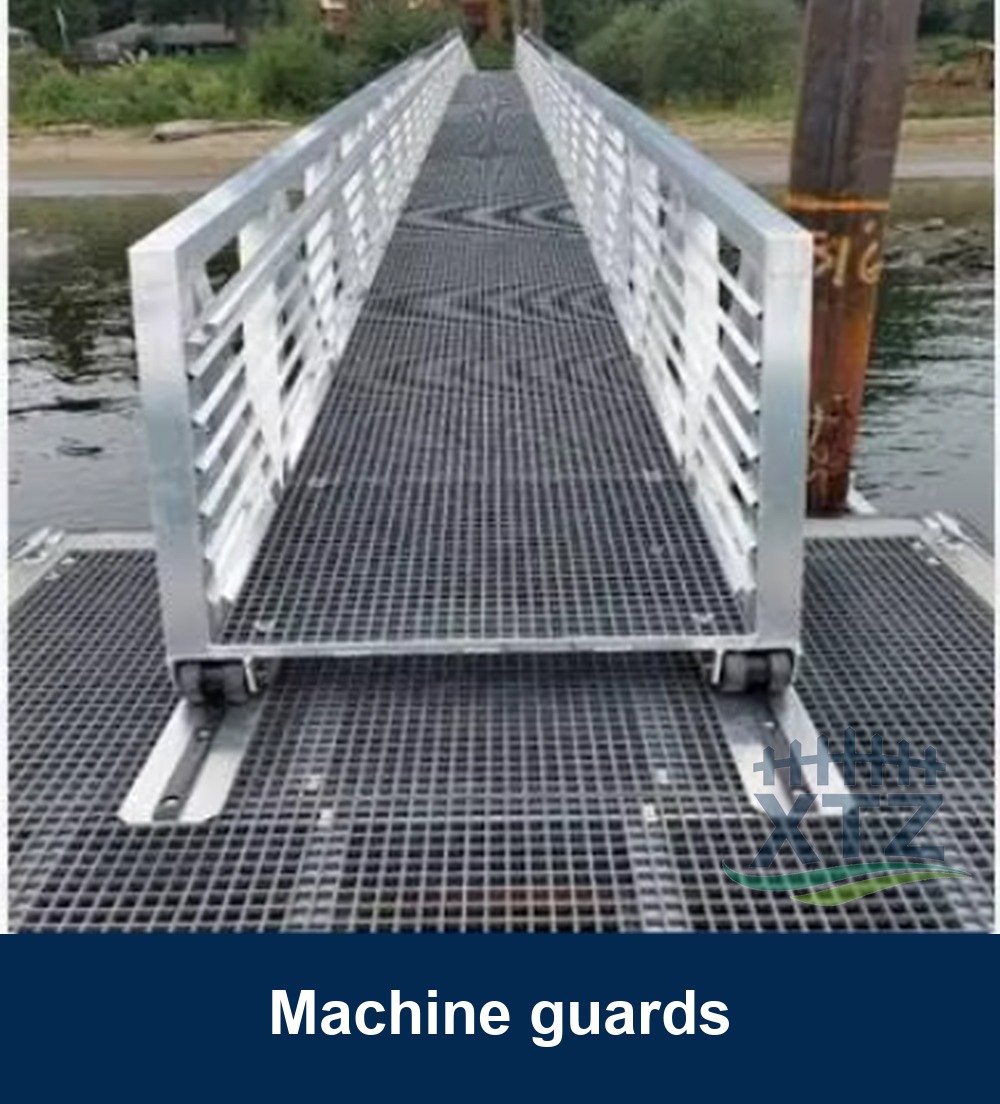
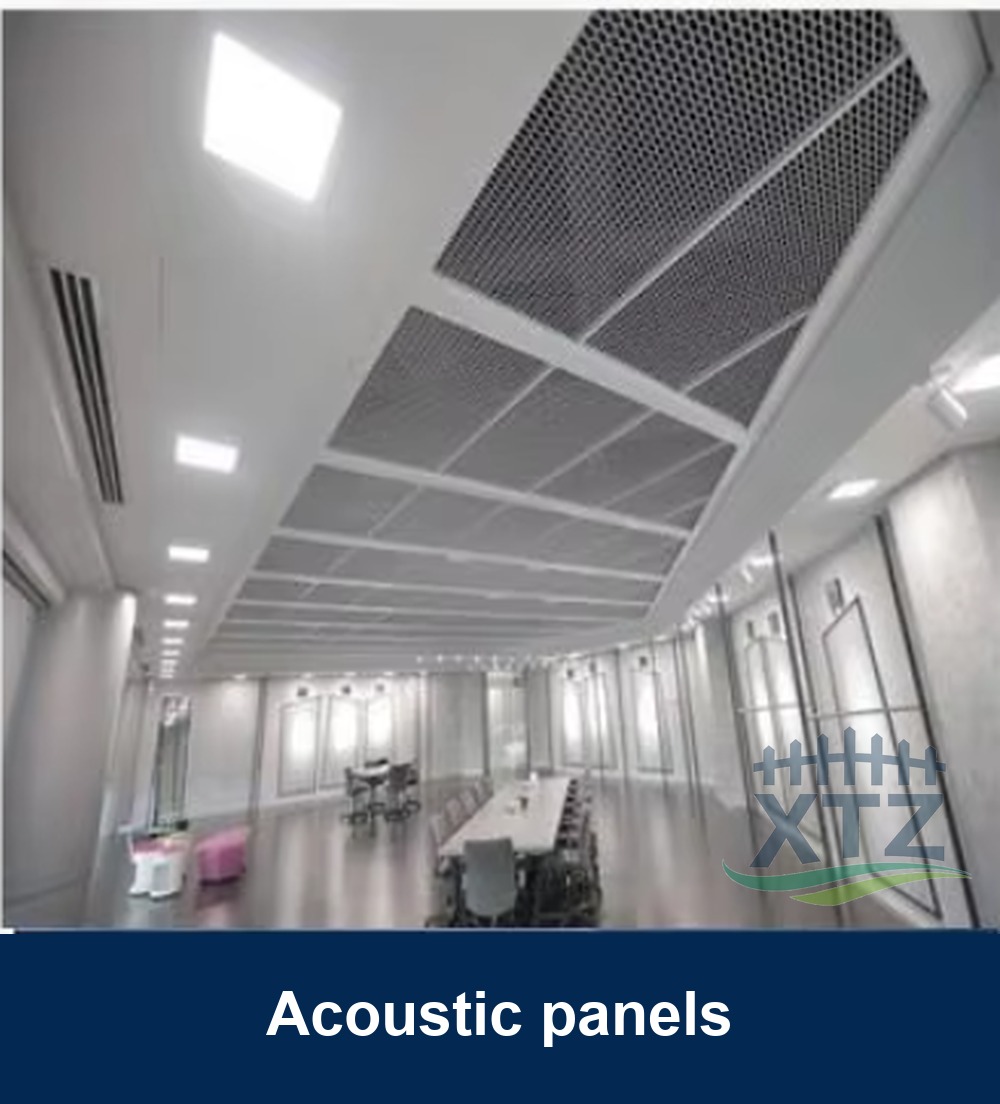
- Ventilation, Machine guards, Acoustic panels
Stainless Steel Perforated Sheet
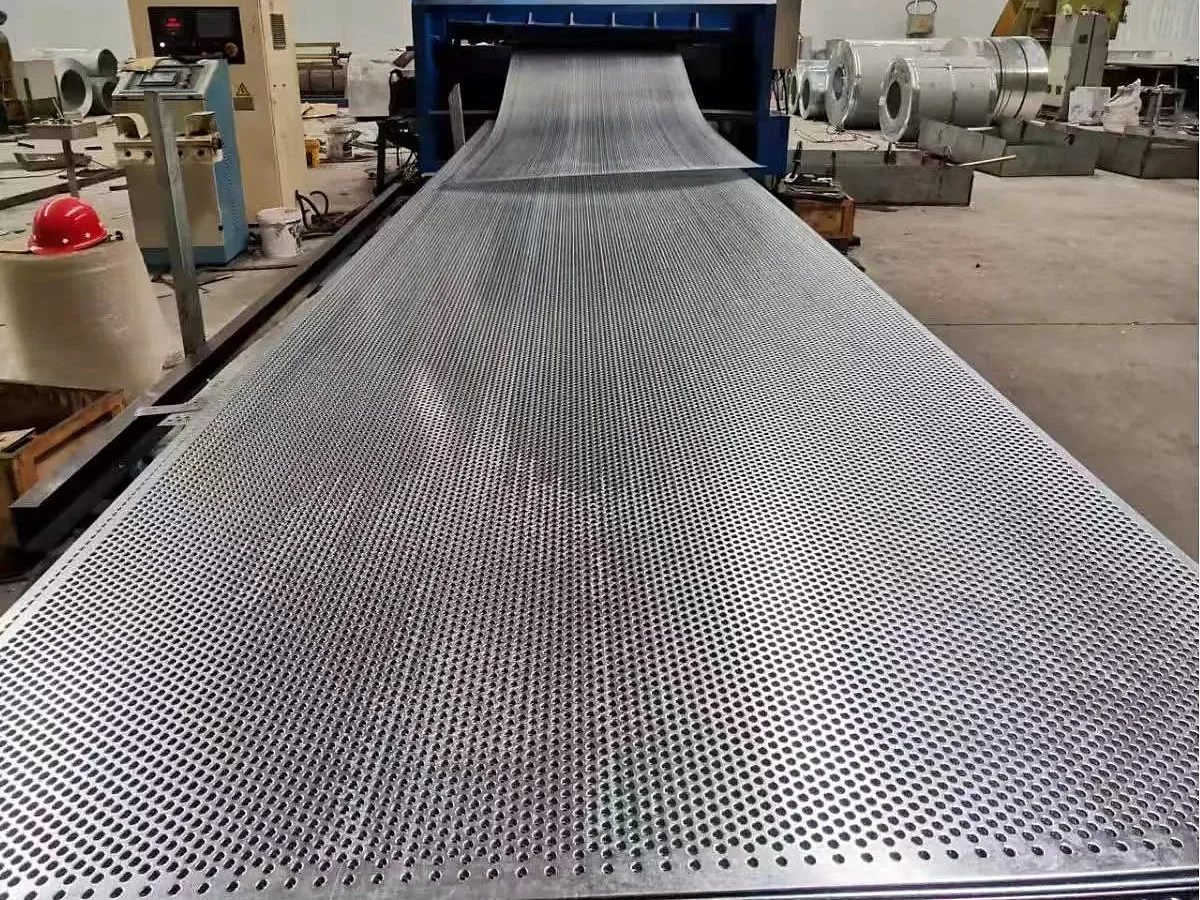
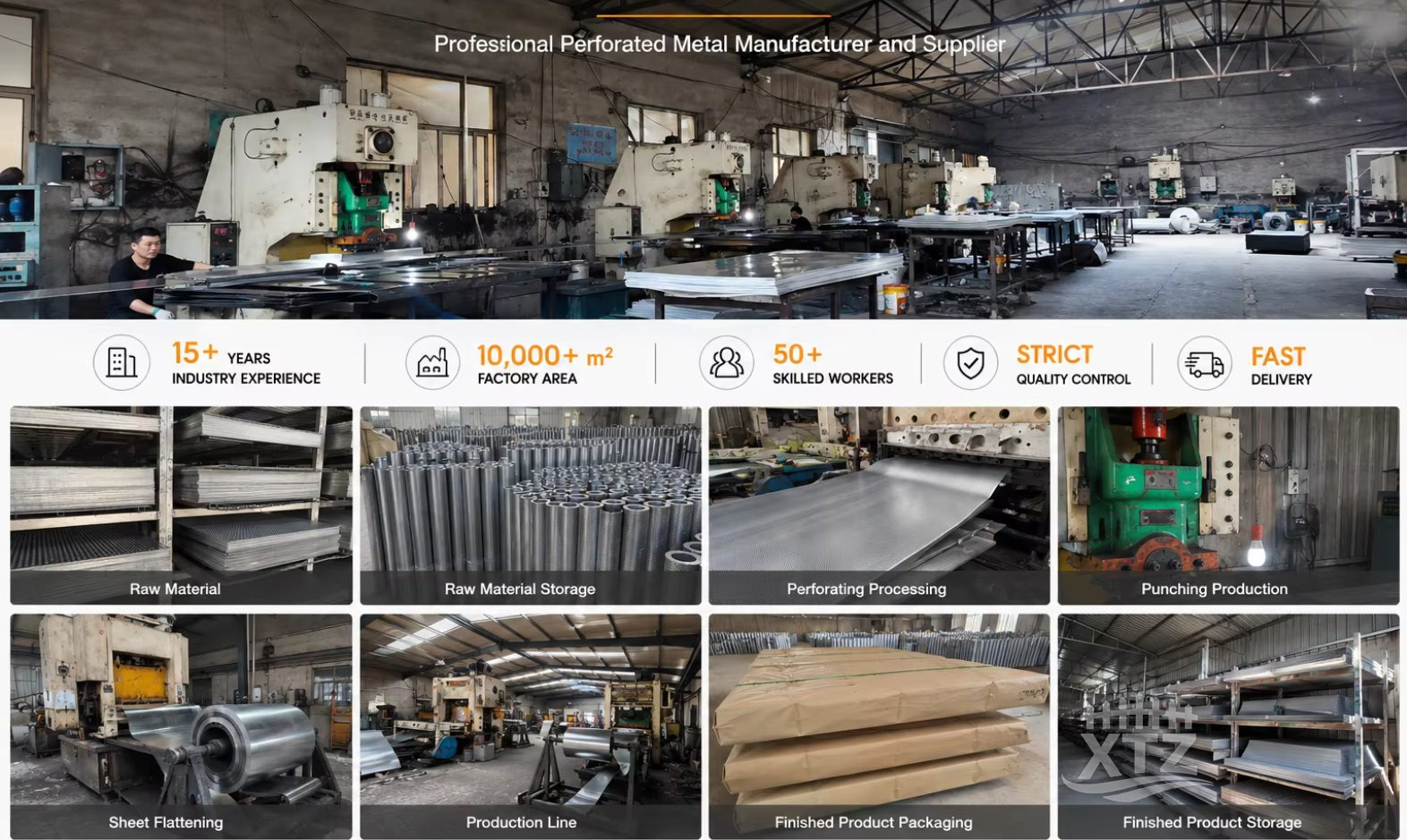
Filmed on the XTZ factory floor - the production process behind every Stainless Steel Perforated Sheet: raw stainless steel coil, precision cutting and forming, weaving and welding, frame assembly, surface finishing and final quality inspection before packing.
What to confirm.
Define this item from drawings, operating conditions and the required installation method.

Define this item from drawings, operating conditions and the required installation method.
Define this item from drawings, operating conditions and the required installation method.
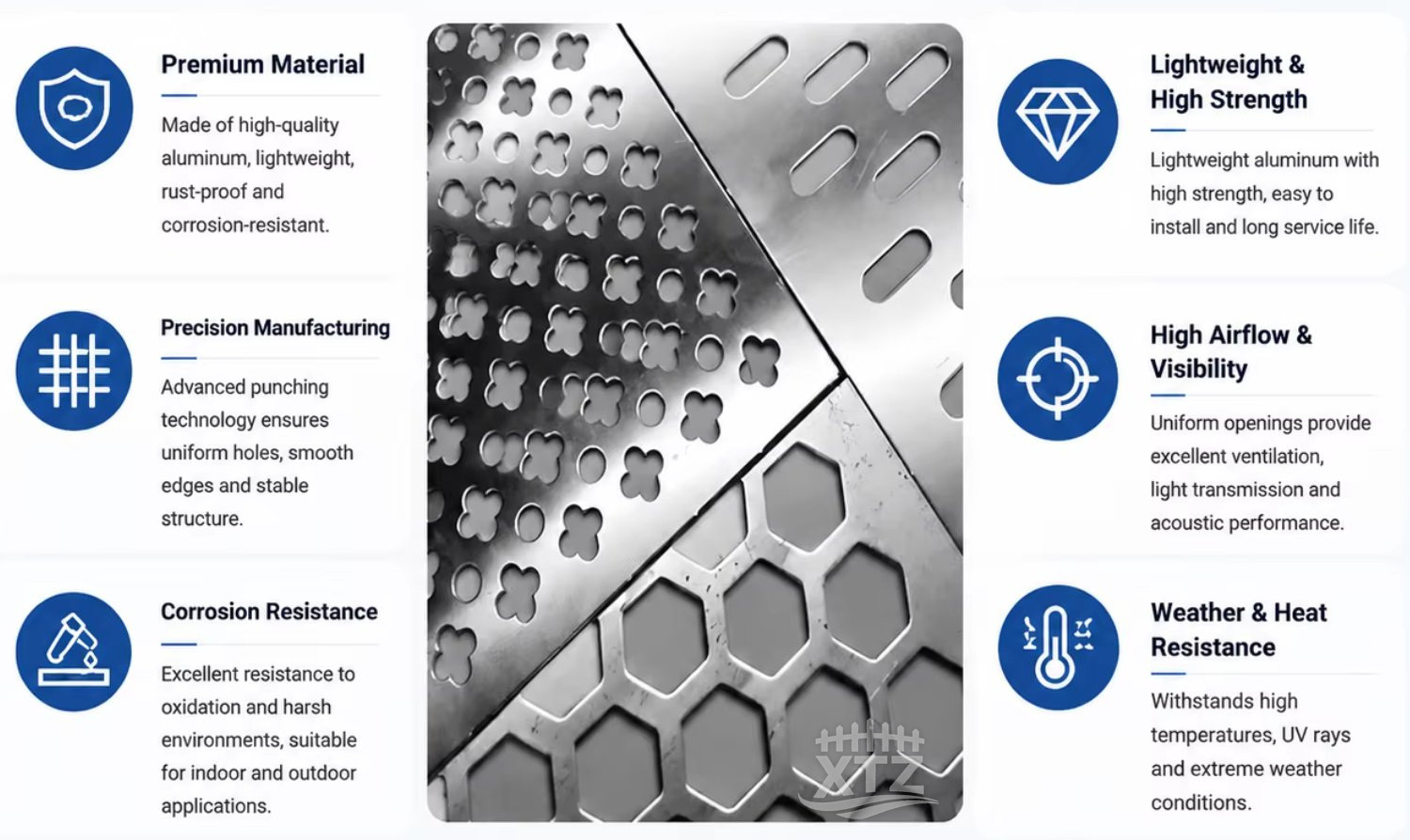
Define this item from drawings, operating conditions and the required installation method.
Family-level checks
- Hole shape, size and pitch
- Open area and margin layout
- Sheet material and gauge
- Flat, folded or framed supply
Typical applications.
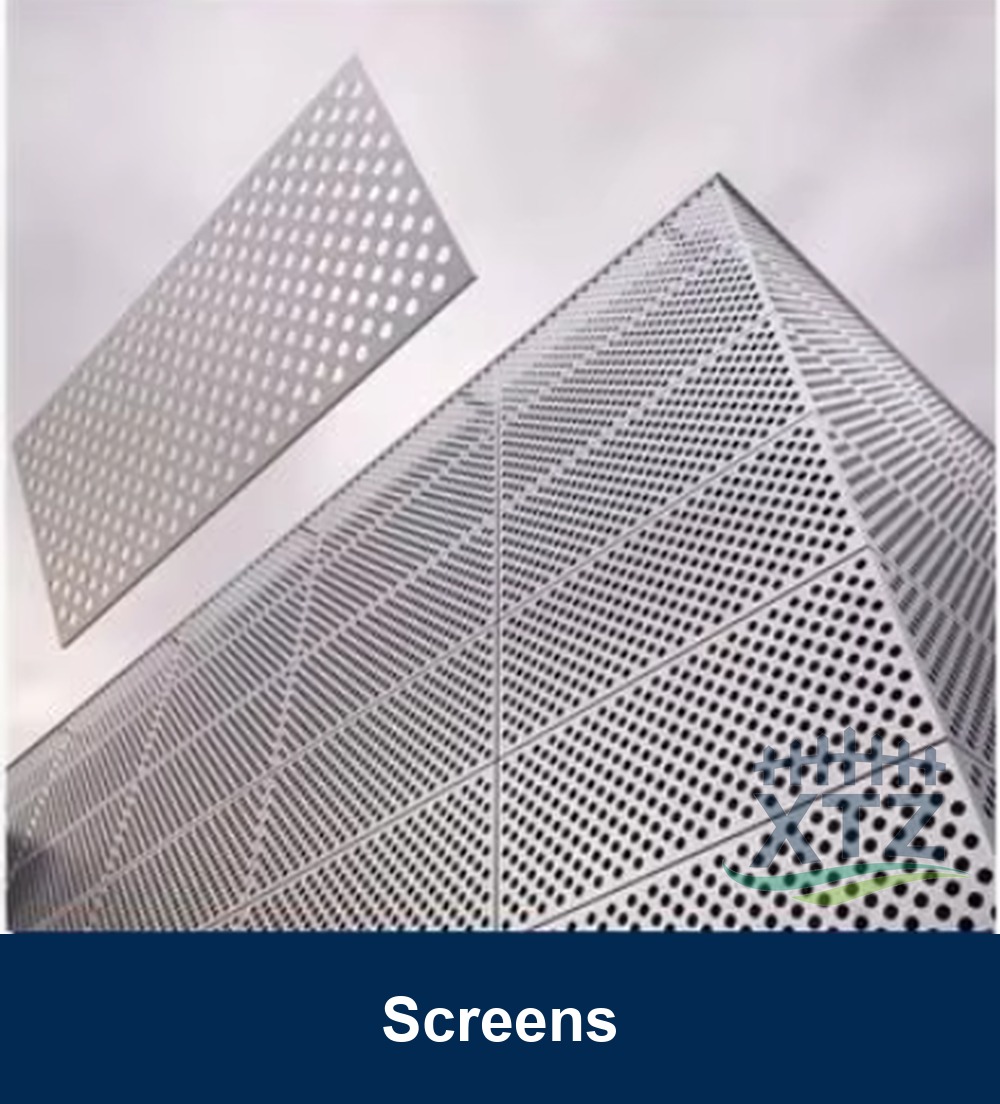
Related products.
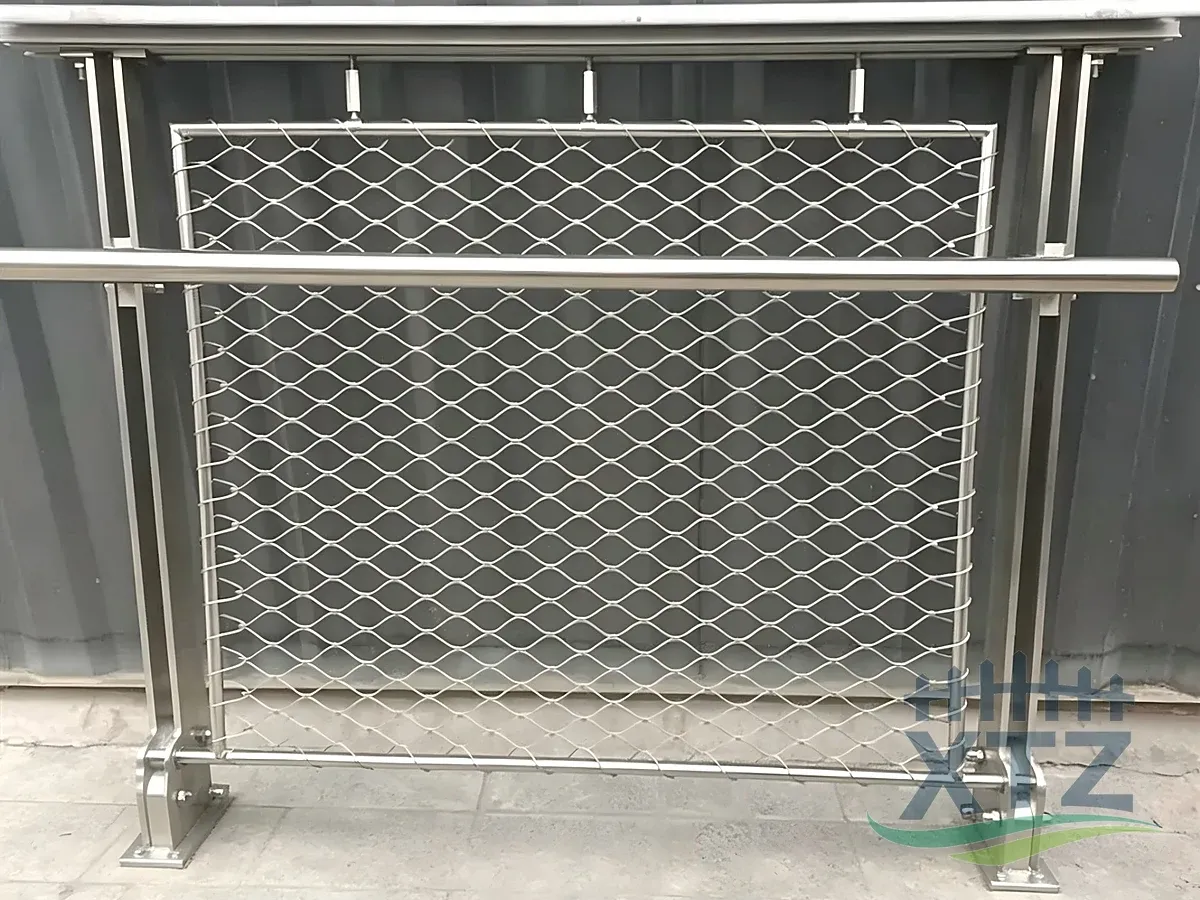 Stainless Steel Rope Mesh FenceFlexible stainless steel rope mesh assembled into framed fence panels for perimeter and fall-protection barriers.
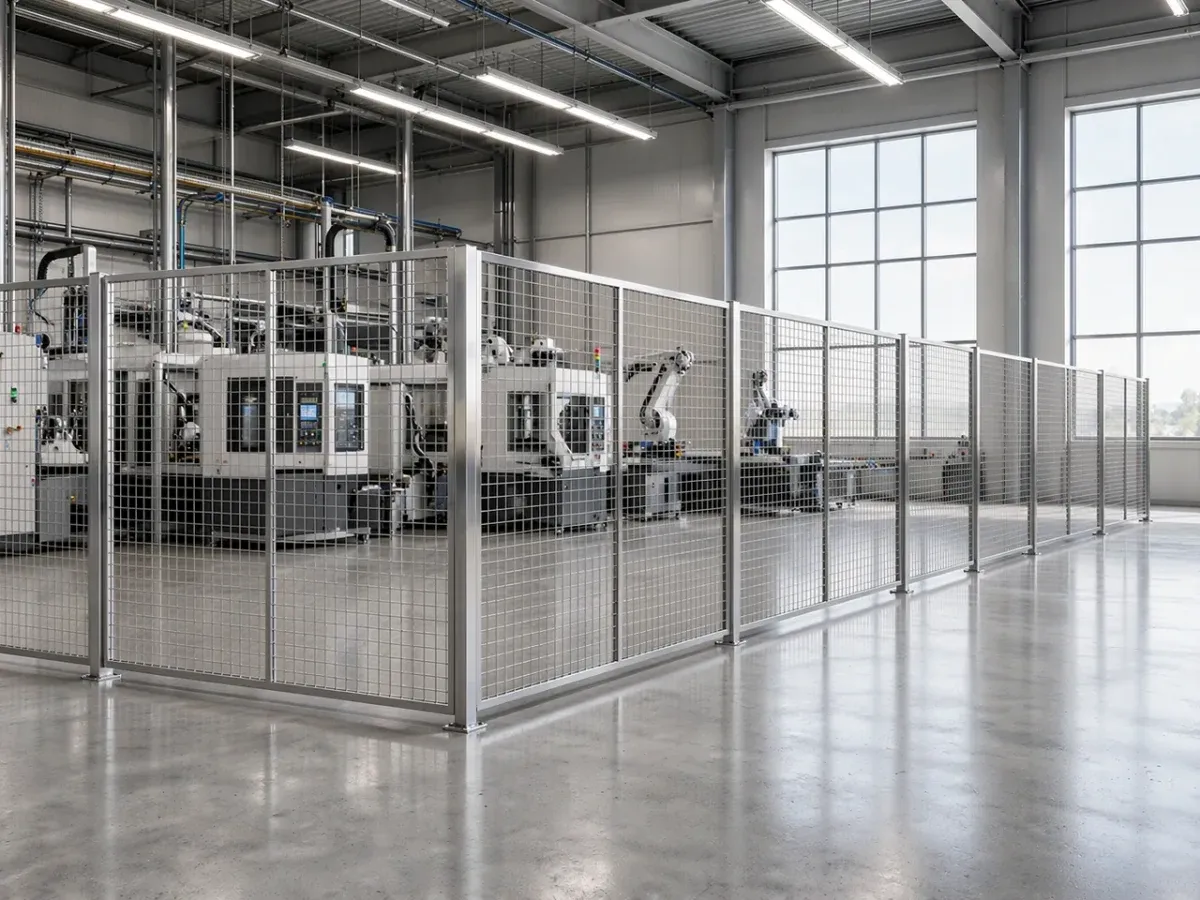
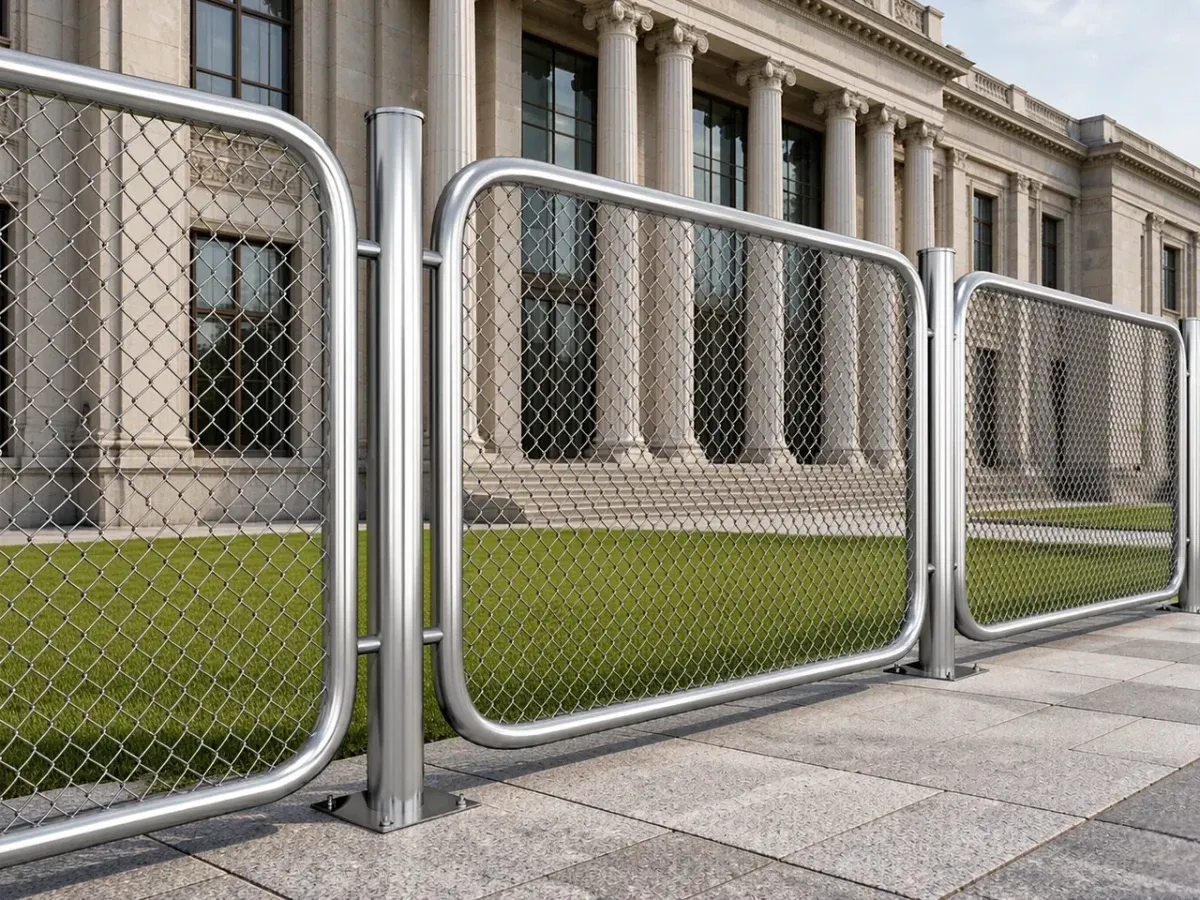
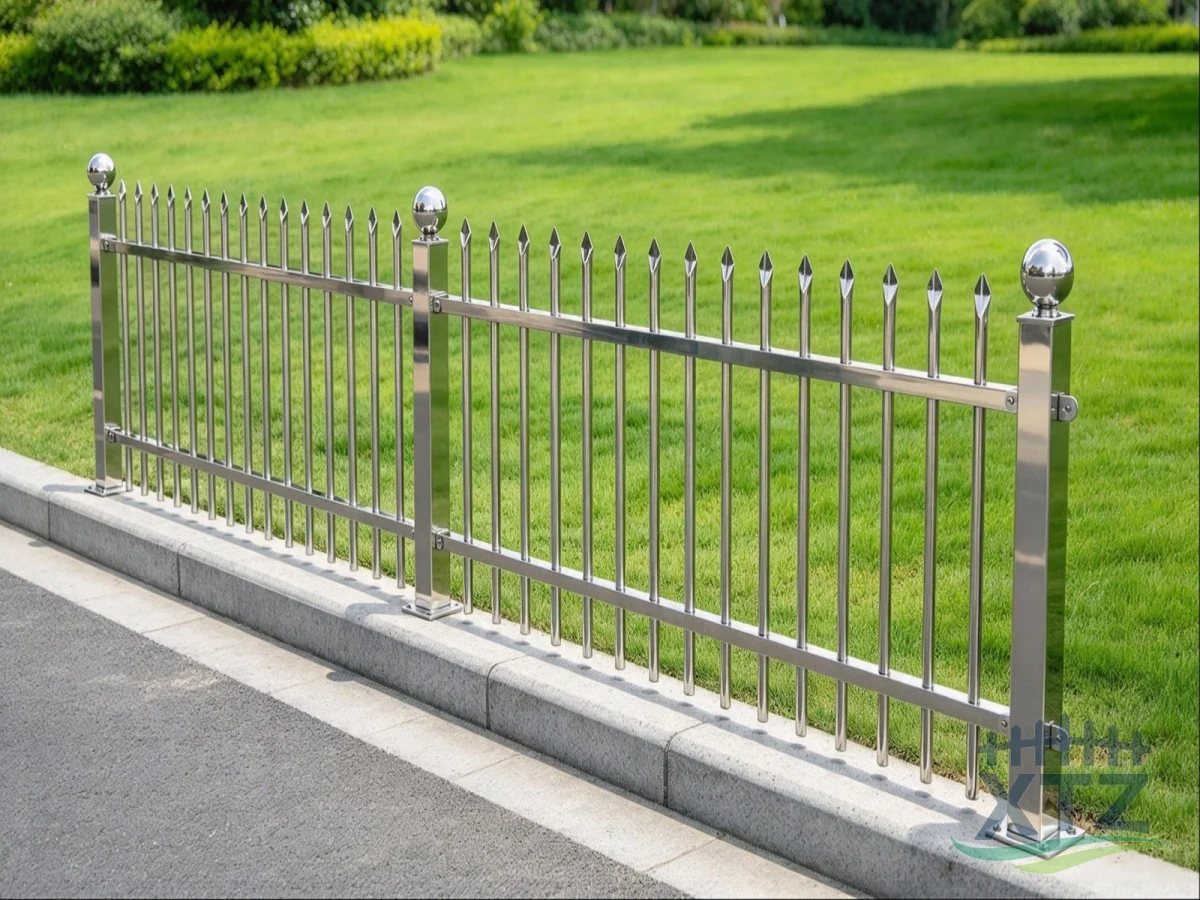 Stainless Steel Security FenceReinforced stainless steel fence systems engineered for high-security perimeter protection.
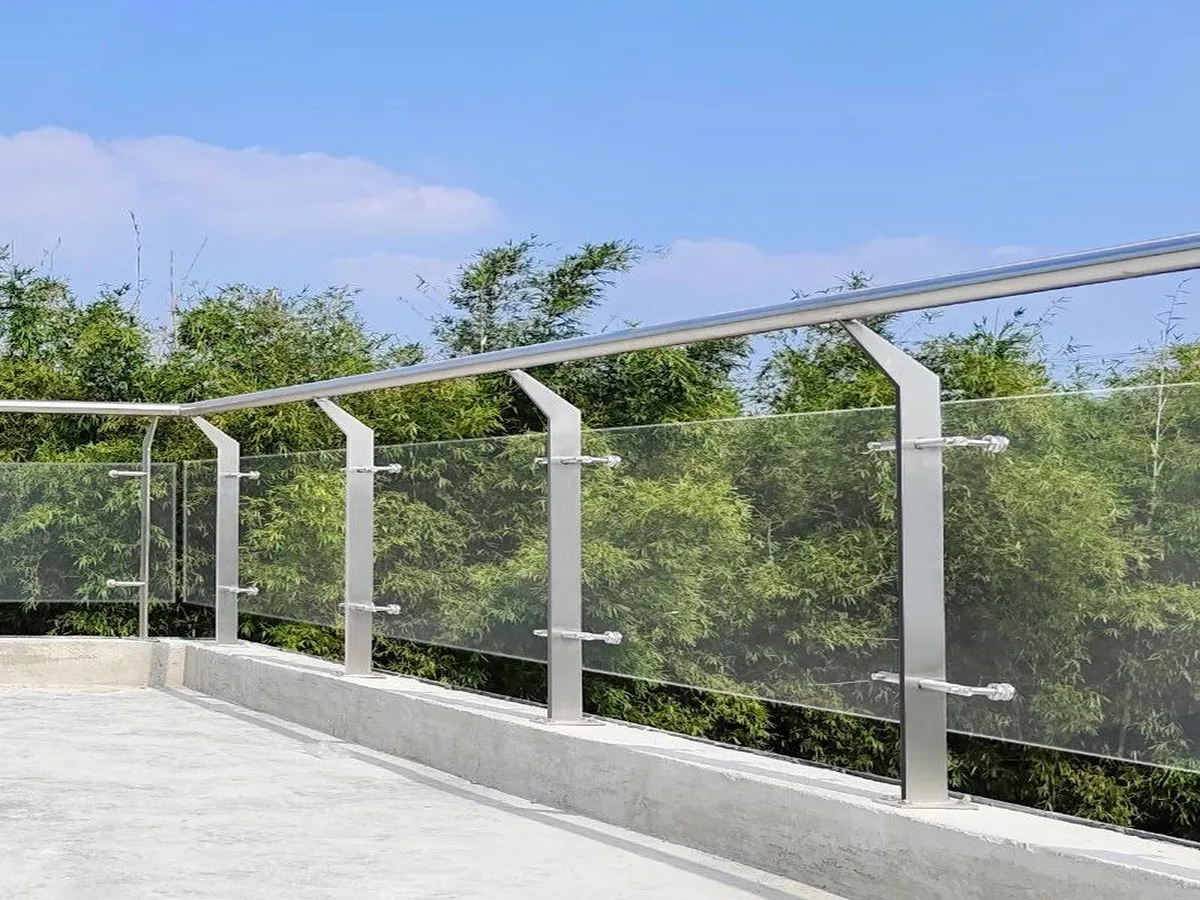 Stainless Steel Glass RailingStainless steel railing systems that secure glass panels for balconies, staircases, terraces and pool fencing.
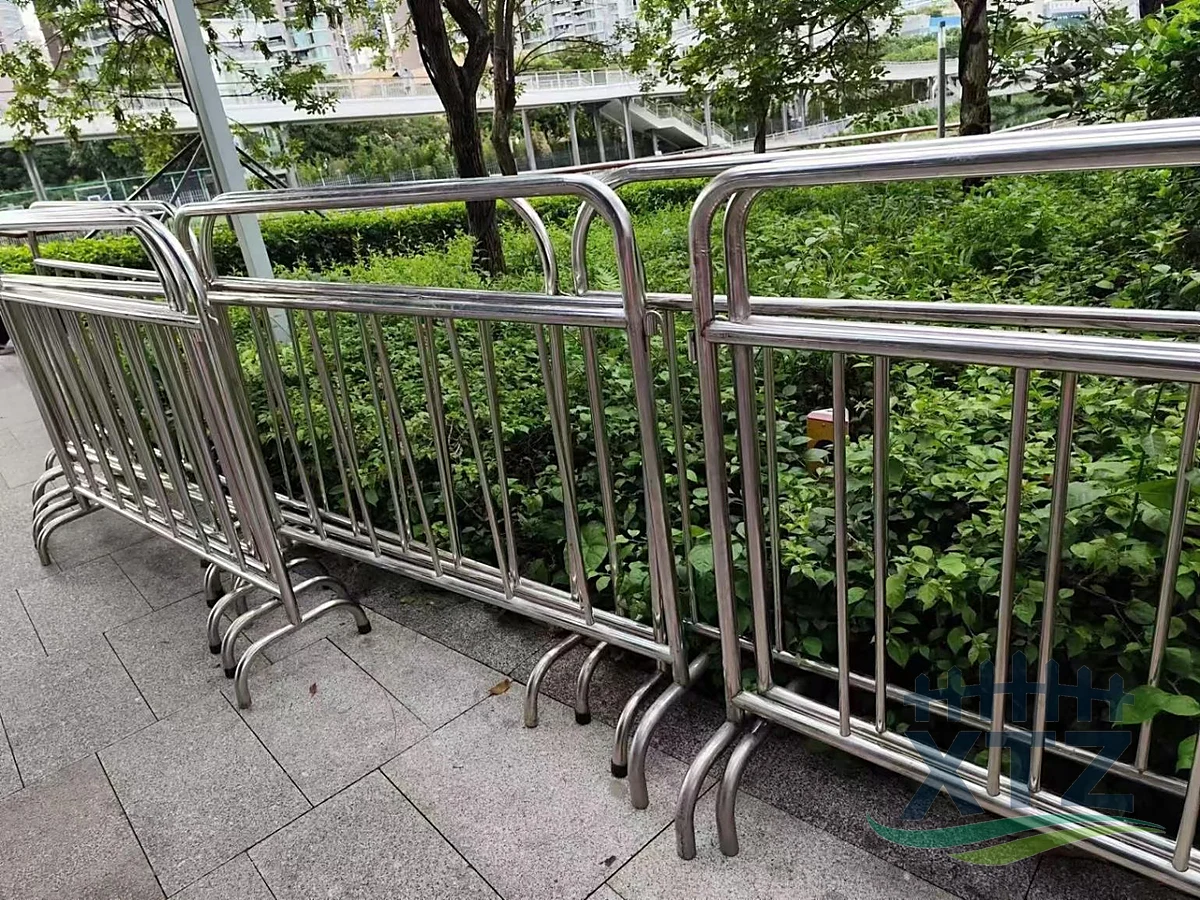 Stainless Steel Crowd Control BarrierPortable stainless steel barriers with interlocking hooks for rapid queue and crowd management.
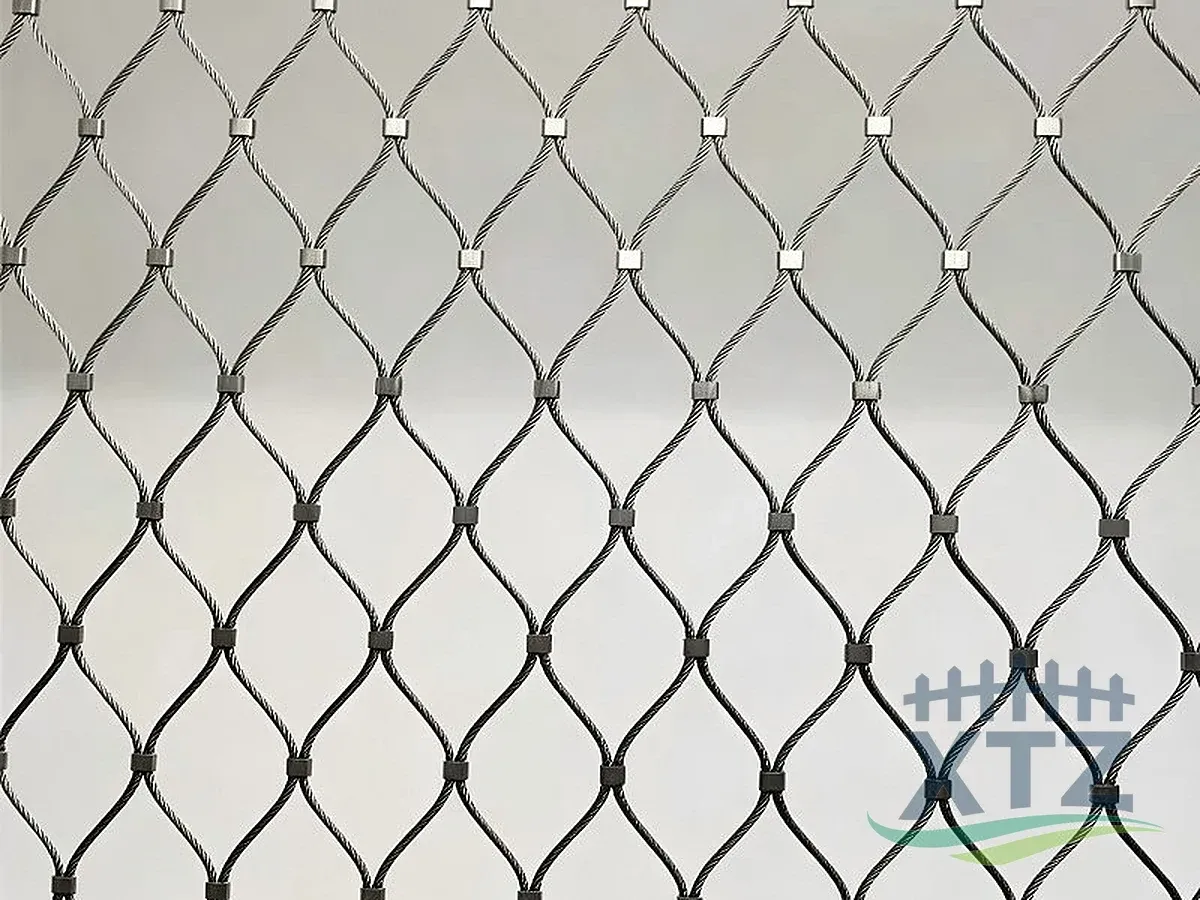 Stainless Steel Rope MeshFlexible rope mesh systems for transparent safety barriers, enclosures and architectural applications.
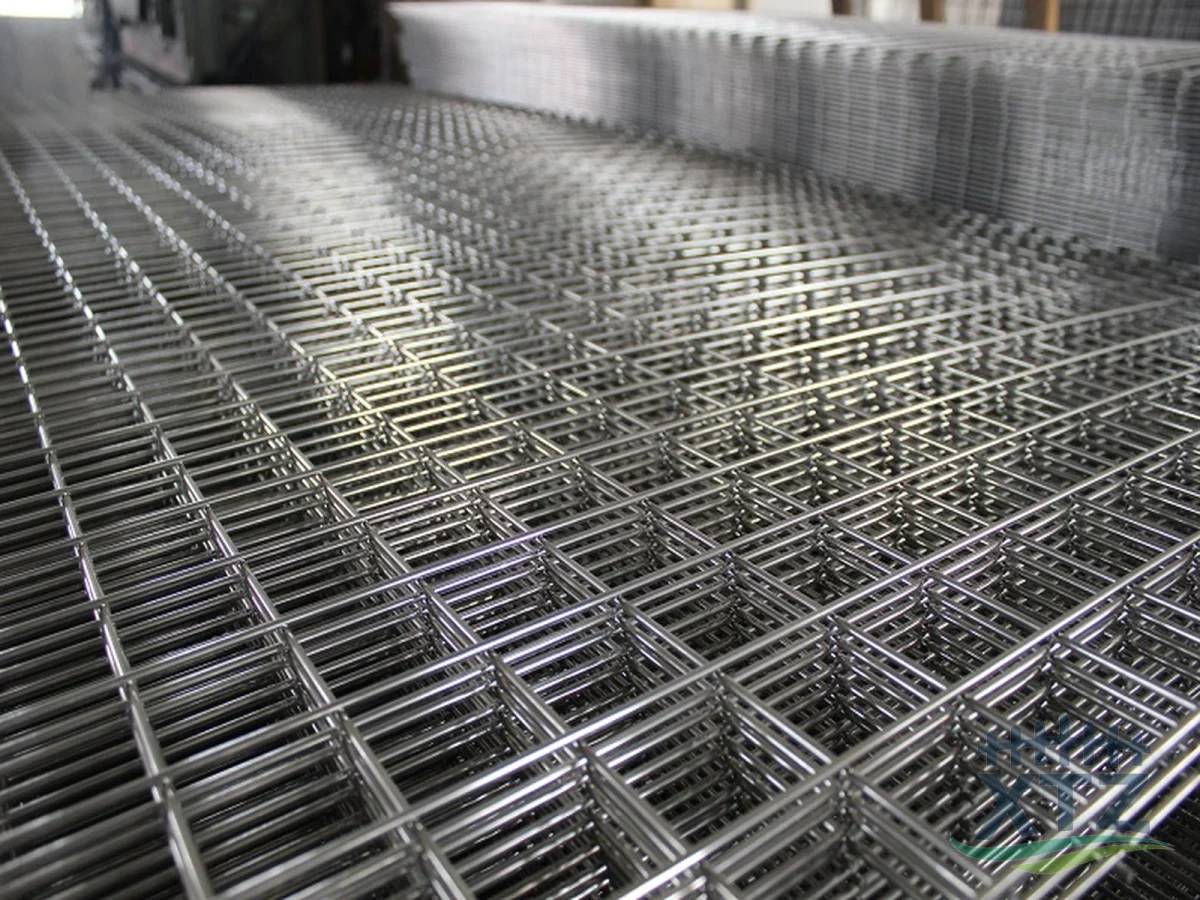 Stainless Steel Mesh PanelWelded or pressure-locked bar grating creates ventilated walking and service surfaces with coordinated support direction.
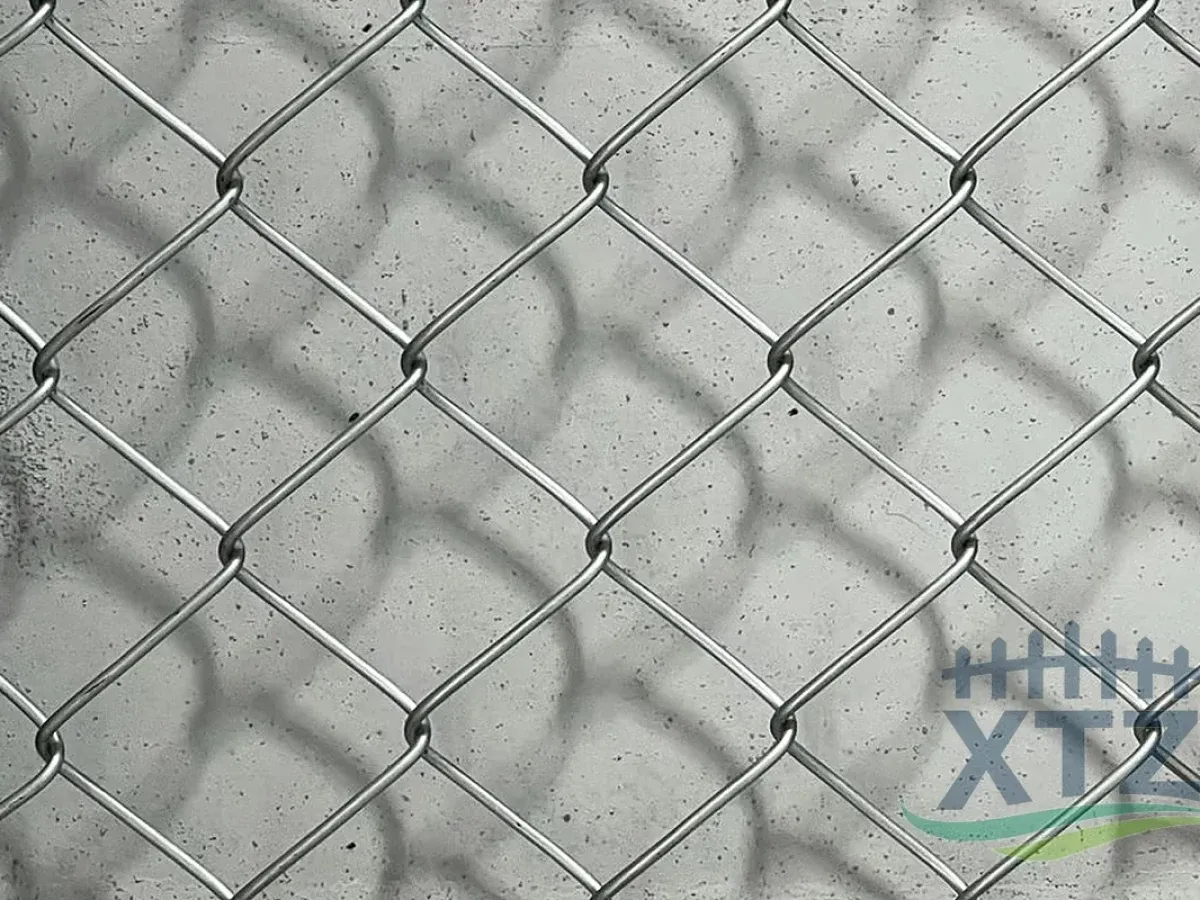
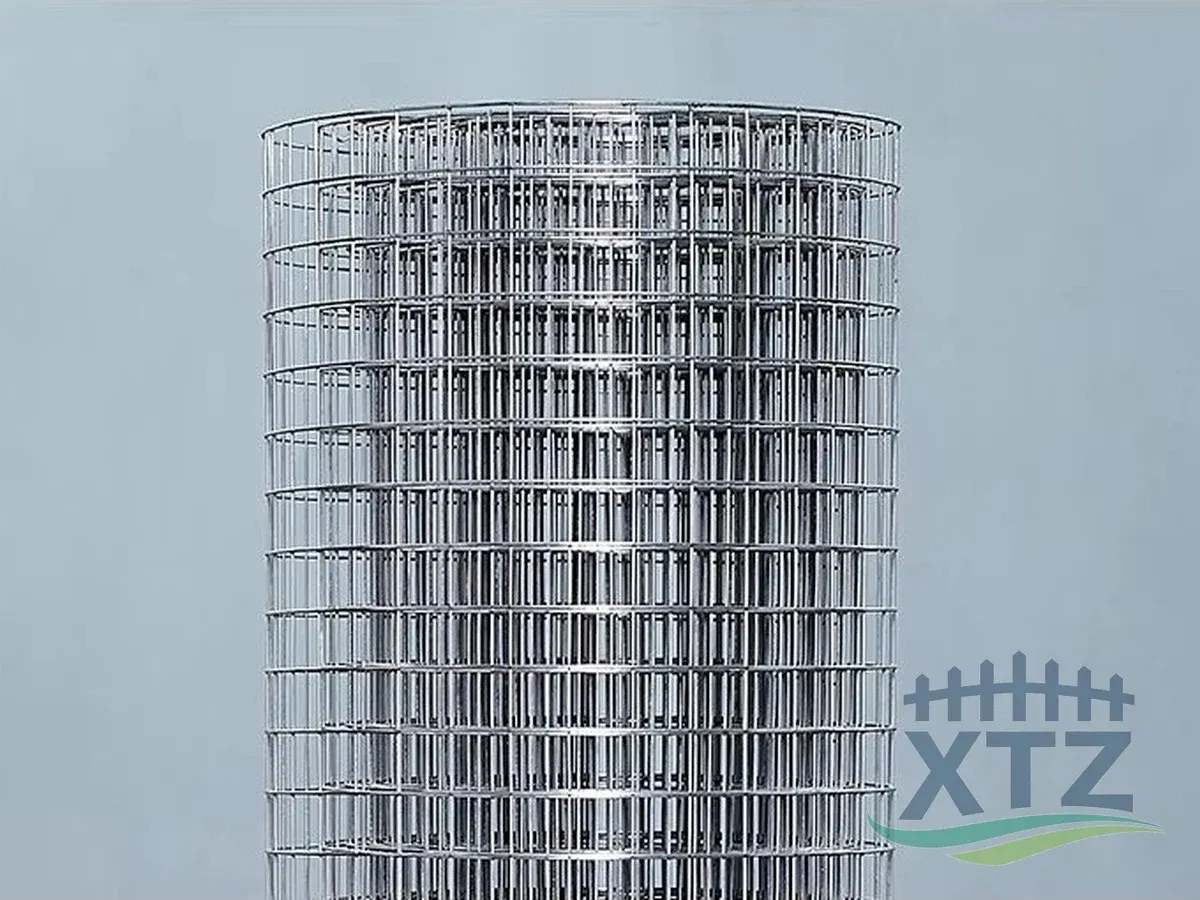 Stainless Steel Welded Wire MeshWoven and welded stainless meshes for screening, filtration, guarding and precise industrial separation.
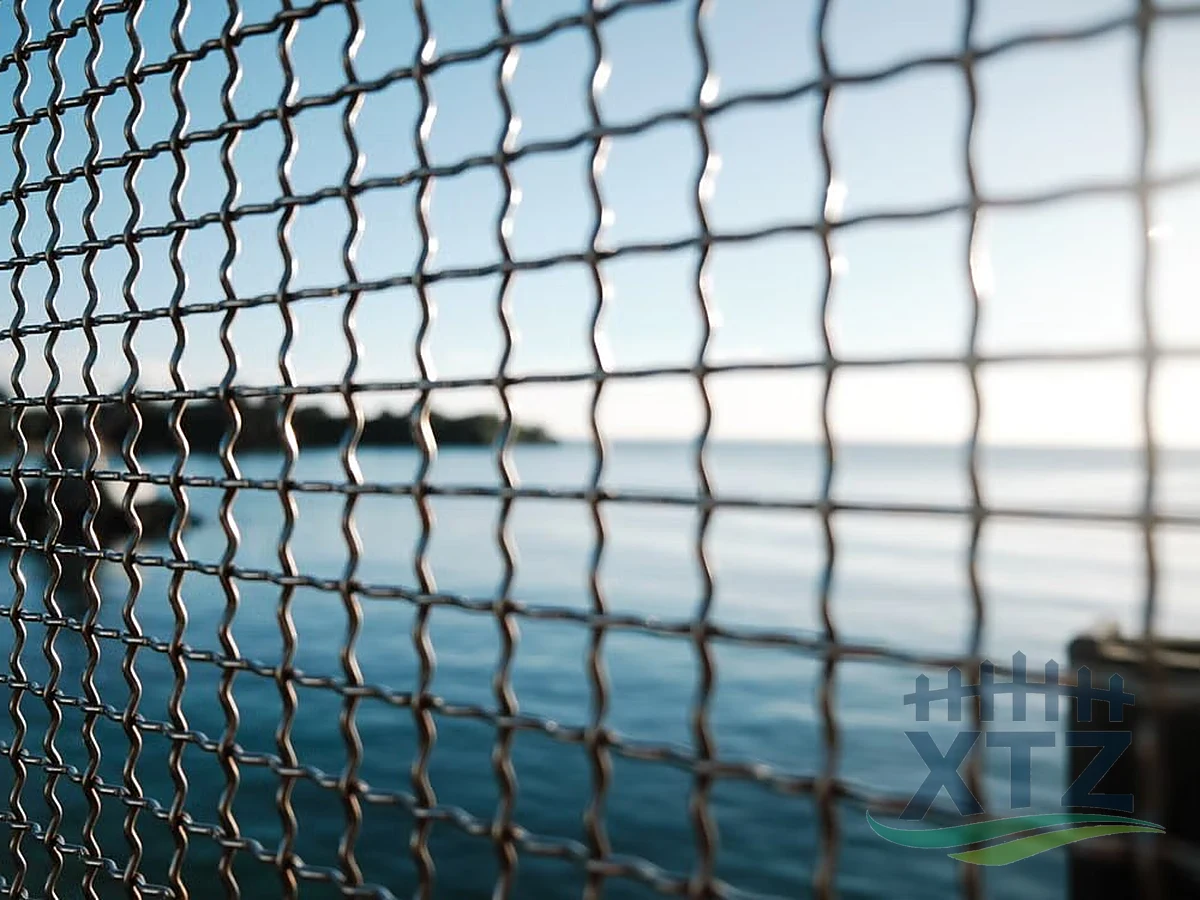 Stainless Steel Crimped Wire MeshCrimped woven mesh with uniform openings and locked intersections for screening, guarding and filtering.
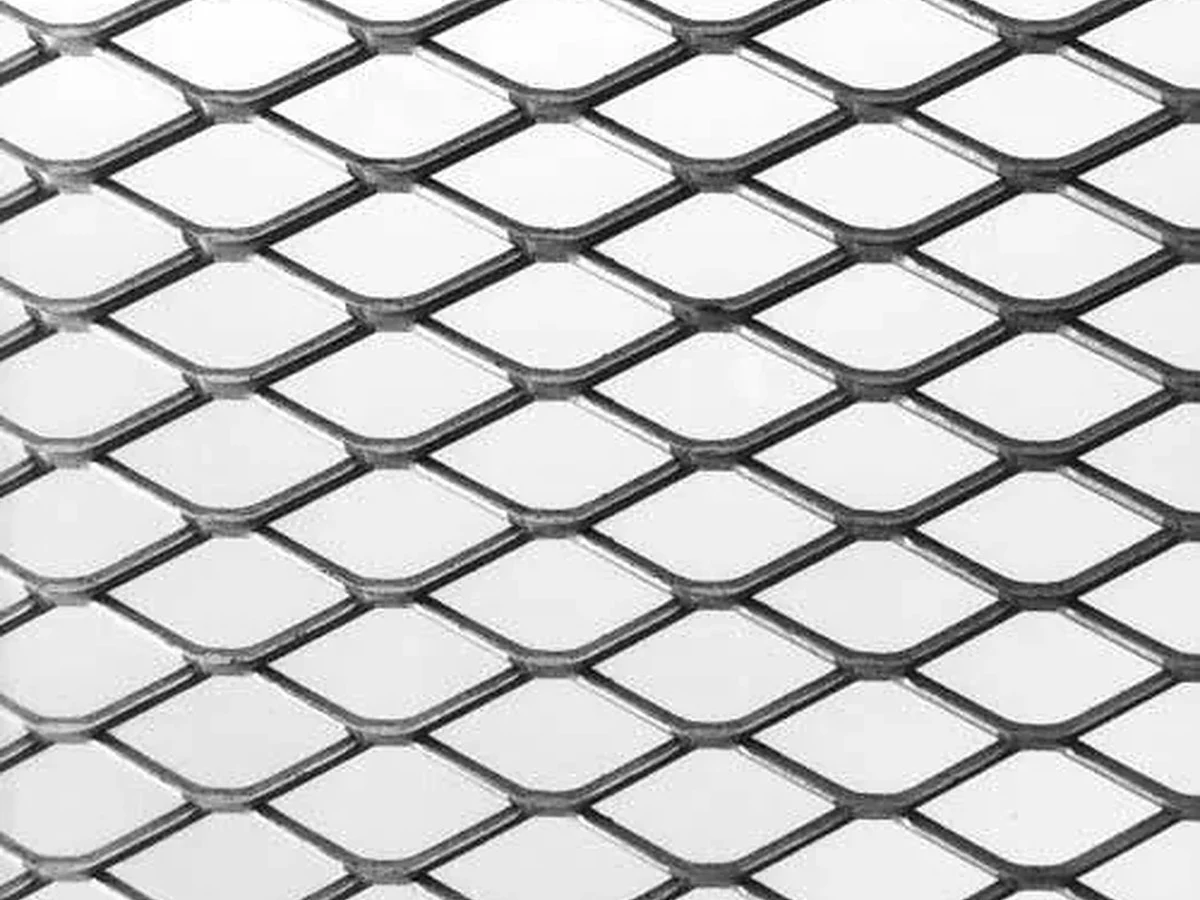 Stainless Steel Expanded Metal MeshA single sheet is expanded into a regular diamond network for guards, platforms, screens and architectural panels.
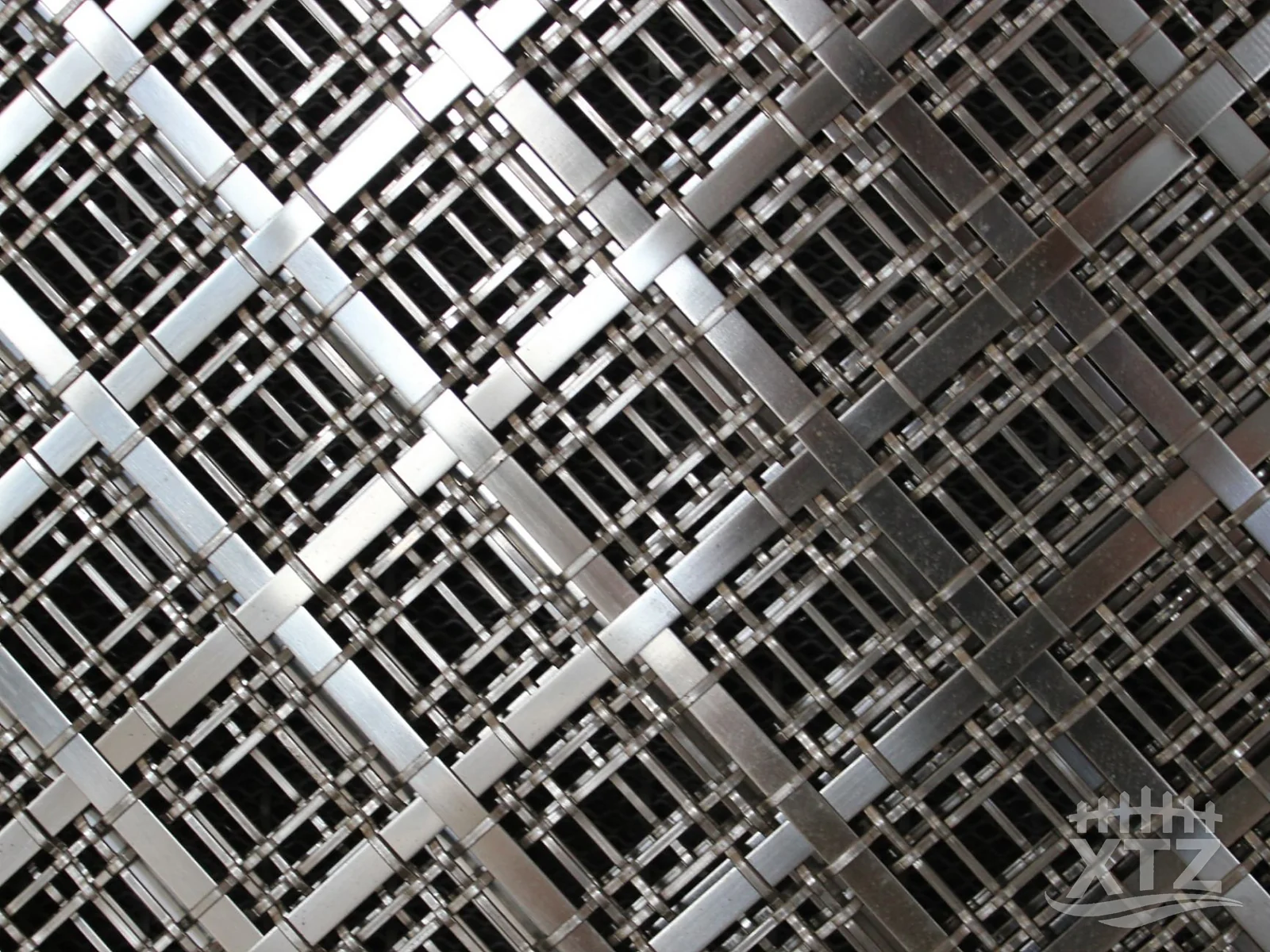 Stainless Steel Decorative MeshWoven, cable-supported and formed metal surfaces for facades, interiors, balustrades and feature screens.
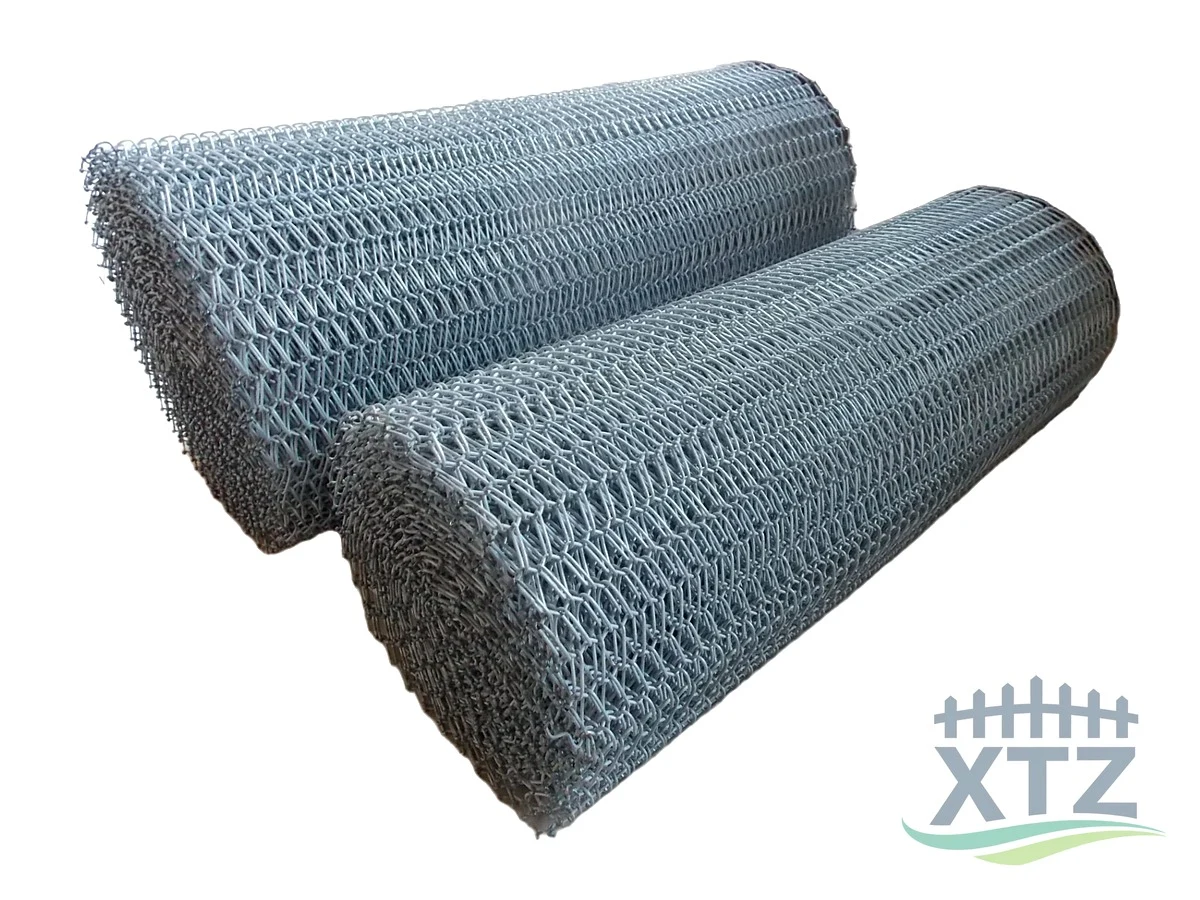 Stainless Steel Conveyor Belt MeshContinuous wire is formed into interlocking loops that compress, recover and conform to complex shapes.
Send the project conditions.
Include drawings, dimensions, quantity, destination and any required finish or packing method.
Stainless Steel Perforated Sheet Products, Specifications and Applications
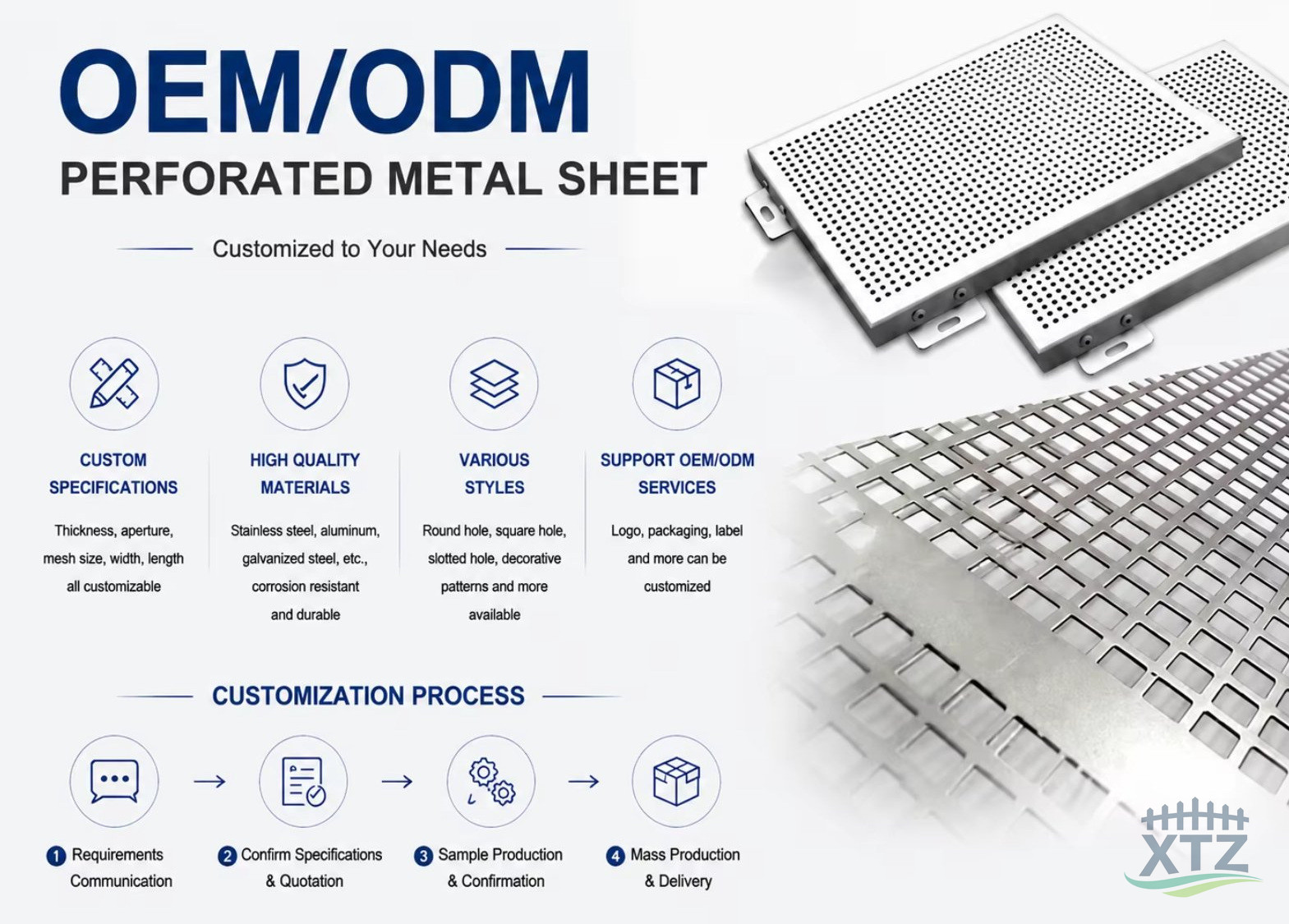
XTZ Fence manufactures stainless steel perforated sheet and perforated metal panels, with custom hole shape, diameter, pitch and sheet gauge, for ventilation, machine guarding, acoustic panels and screening.
Stainless Steel Perforated Sheet and Perforated Metal
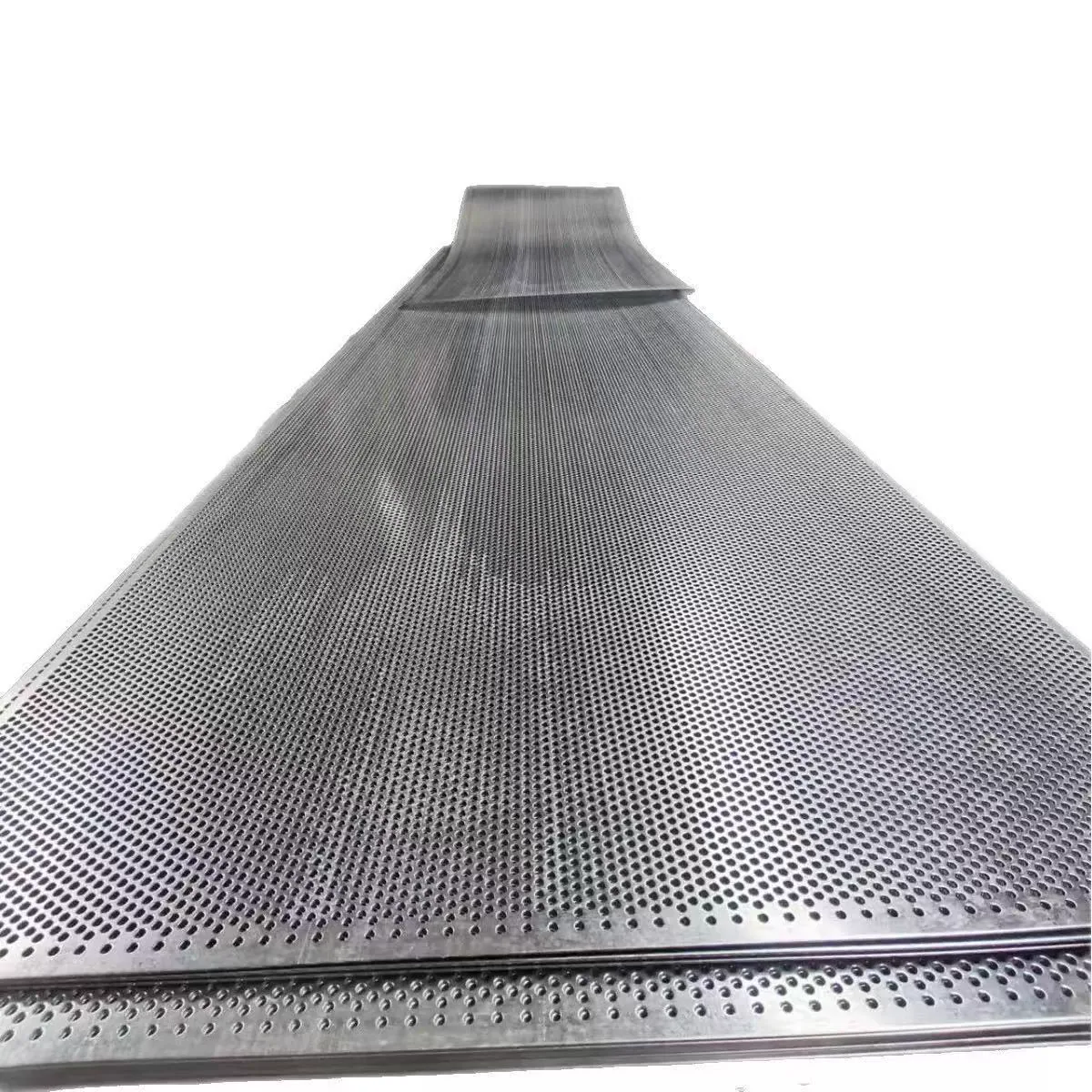
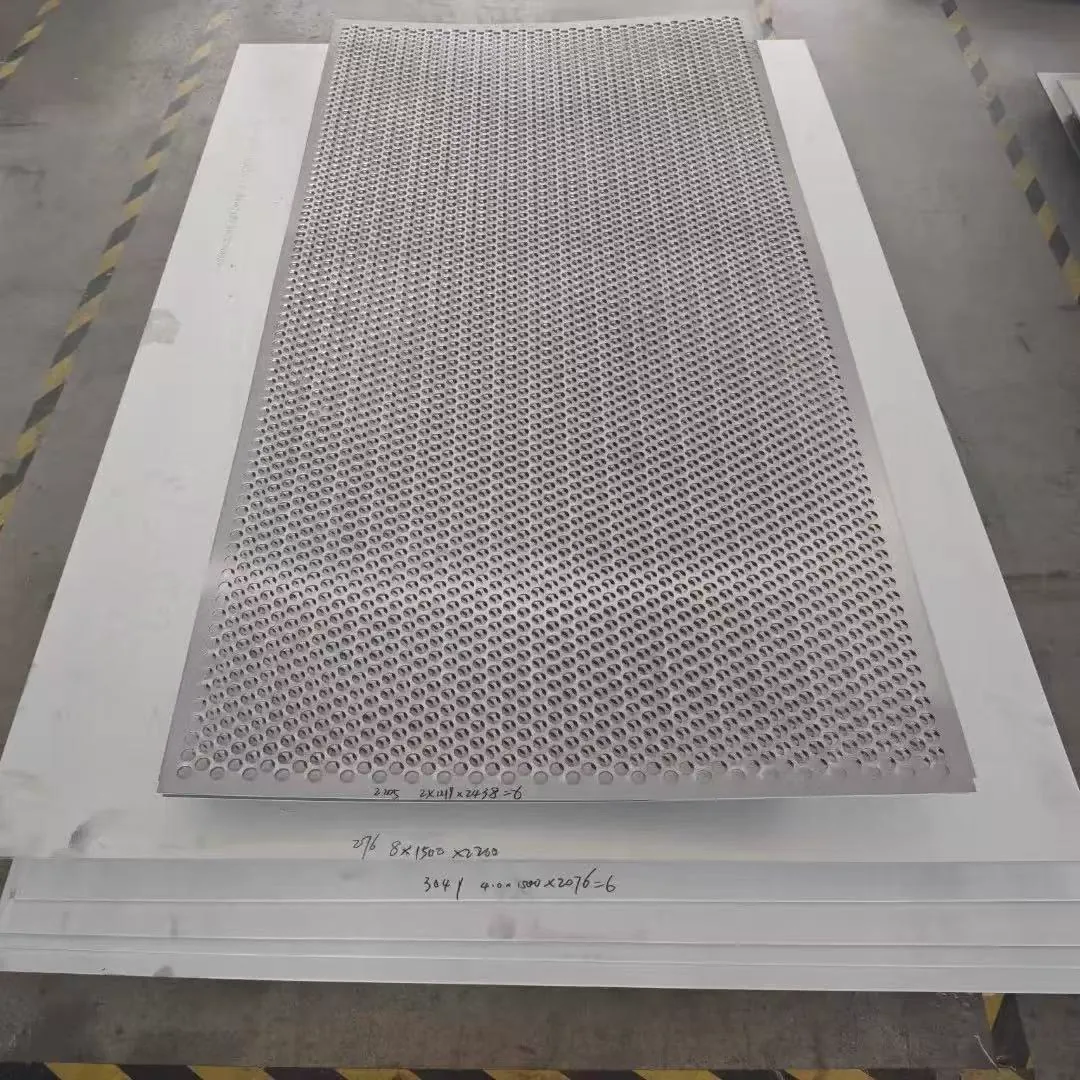
Stainless steel perforated sheet is produced by punching holes through a stainless steel sheet, so the openings are part of the plate itself and the panel has no welds and no wire ends. The hole shape, diameter and pitch are arranged to control the open area, the appearance and how the panel is fabricated downstream. XTZ Fence supplies perforated sheet flat, in coils, or fabricated into panels and frames, for ventilation, machine guarding, acoustic panels and screening.
Product Structure and Materials
Hole Shape, Hole Diameter, Pitch and Open Area
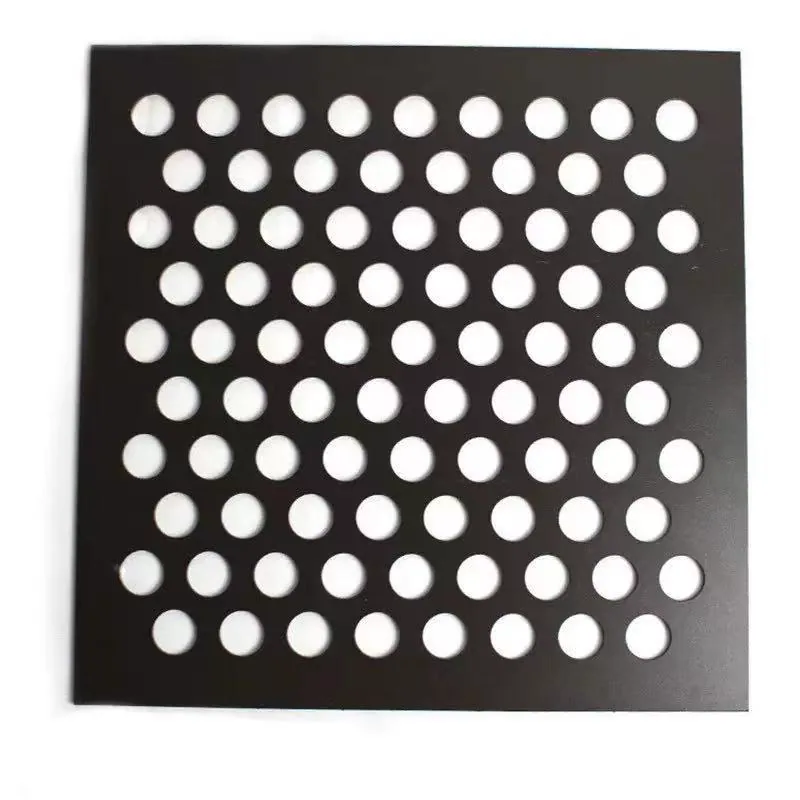
The perforation is specified by four values. The hole shape sets the character of the panel, with round holes giving the highest open area for a given pitch and square or shaped holes giving a different visual and a different bearing area. The hole diameter and the pitch together set the open area, which is the ratio of hole area to panel area. The sheet gauge sets how the panel behaves, and the blank margins keep the solid areas where the panel is bent or fixed.
- Hole shape: Round, square, slot or shaped, to the design
- Hole diameter: Custom Specifications, confirmed per project
- Pitch: Distance between hole centres, set with the hole diameter
- Open area: Derived from the hole diameter and pitch
- Sheet thickness: Custom Specifications, confirmed per project
- Sheet length: Available to specification
- Sheet width: Available to specification
- Blank margins: Kept where bending or fixing occurs
- Material grade: 304 / 316 stainless steel, confirmed per project
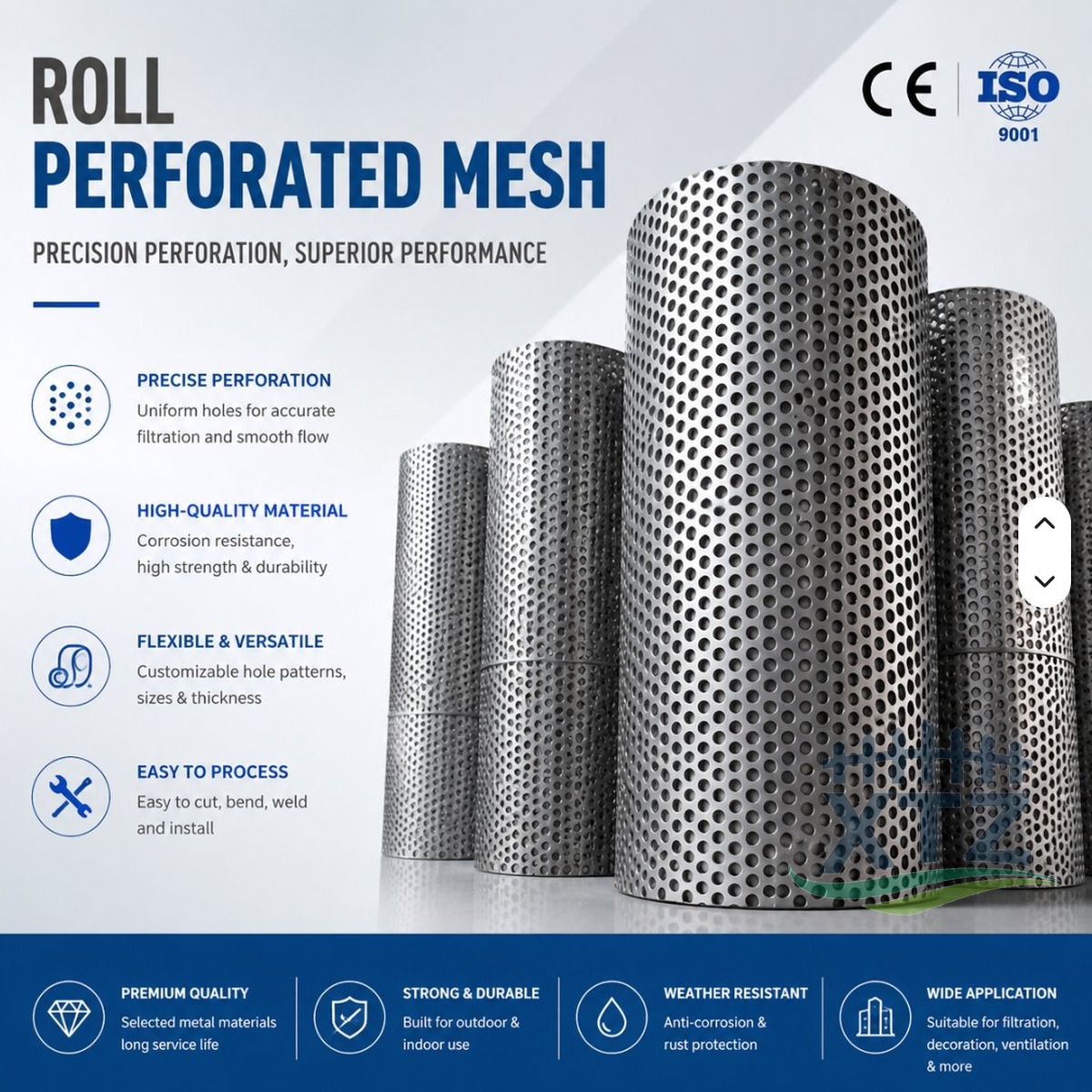
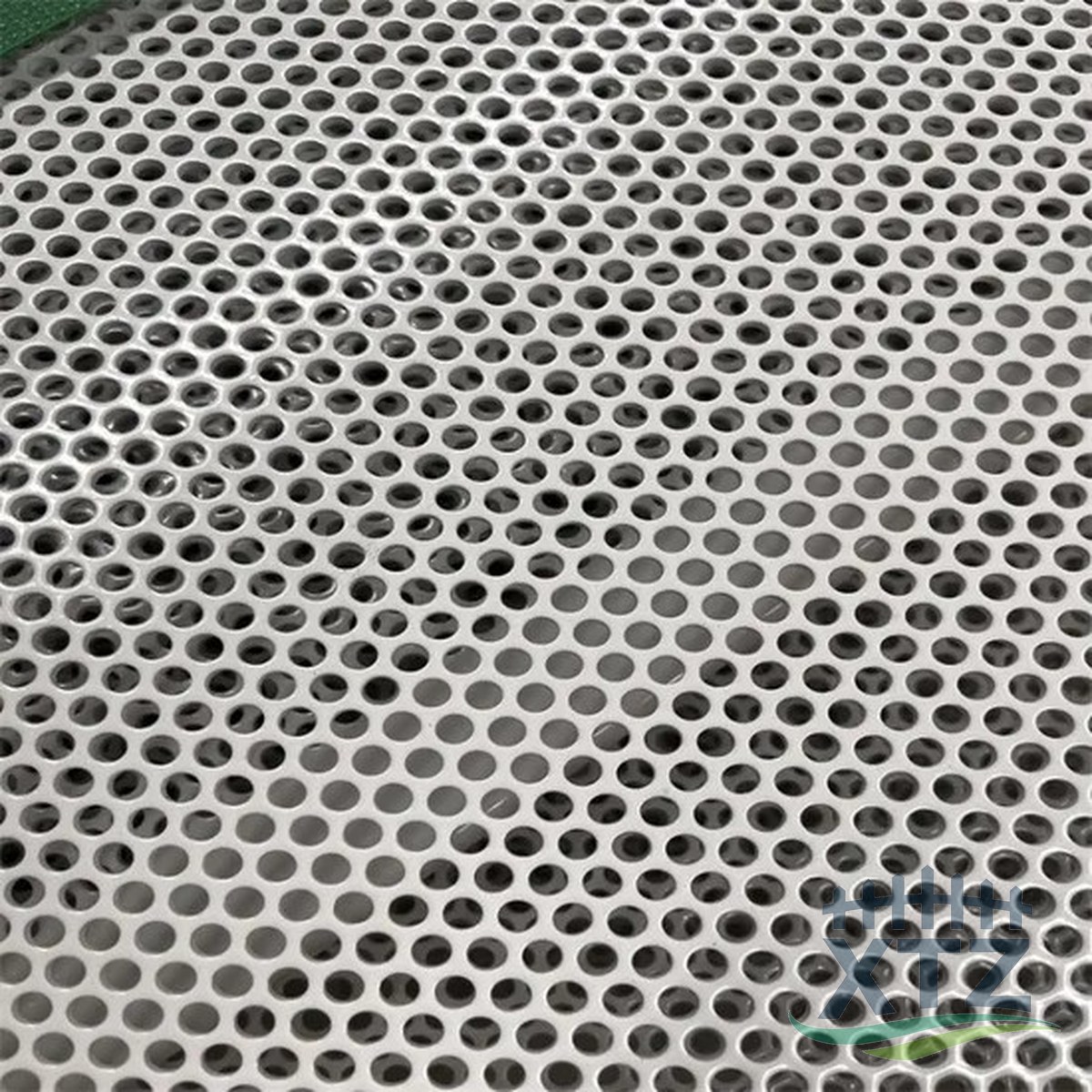
Perforated Sheet Product Range
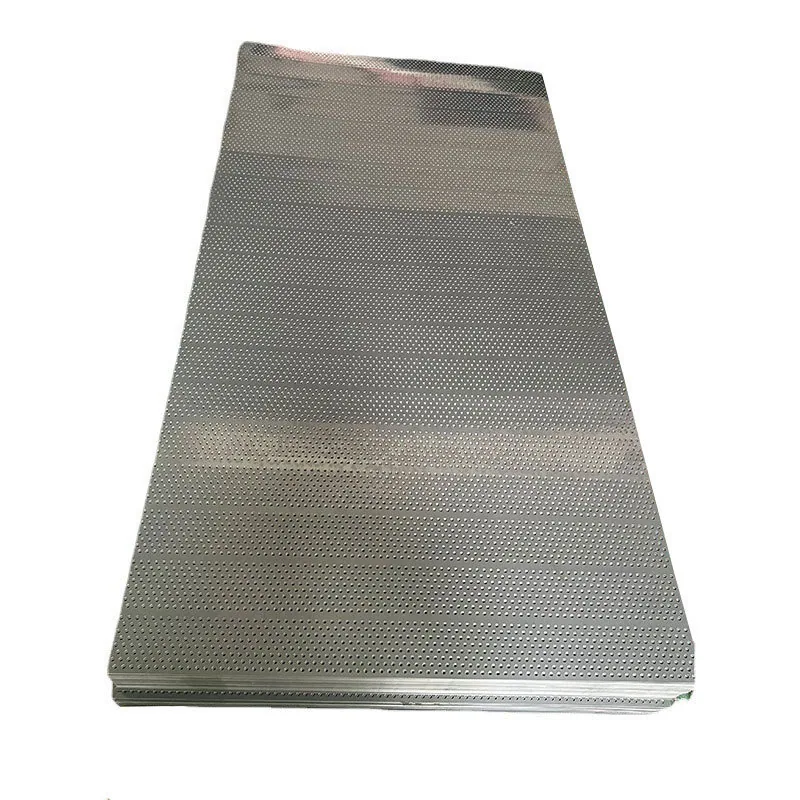
The perforated sheet product range, shown as rolled perforated material. The holes are punched through the sheet, so the plate is structurally continuous between the openings.
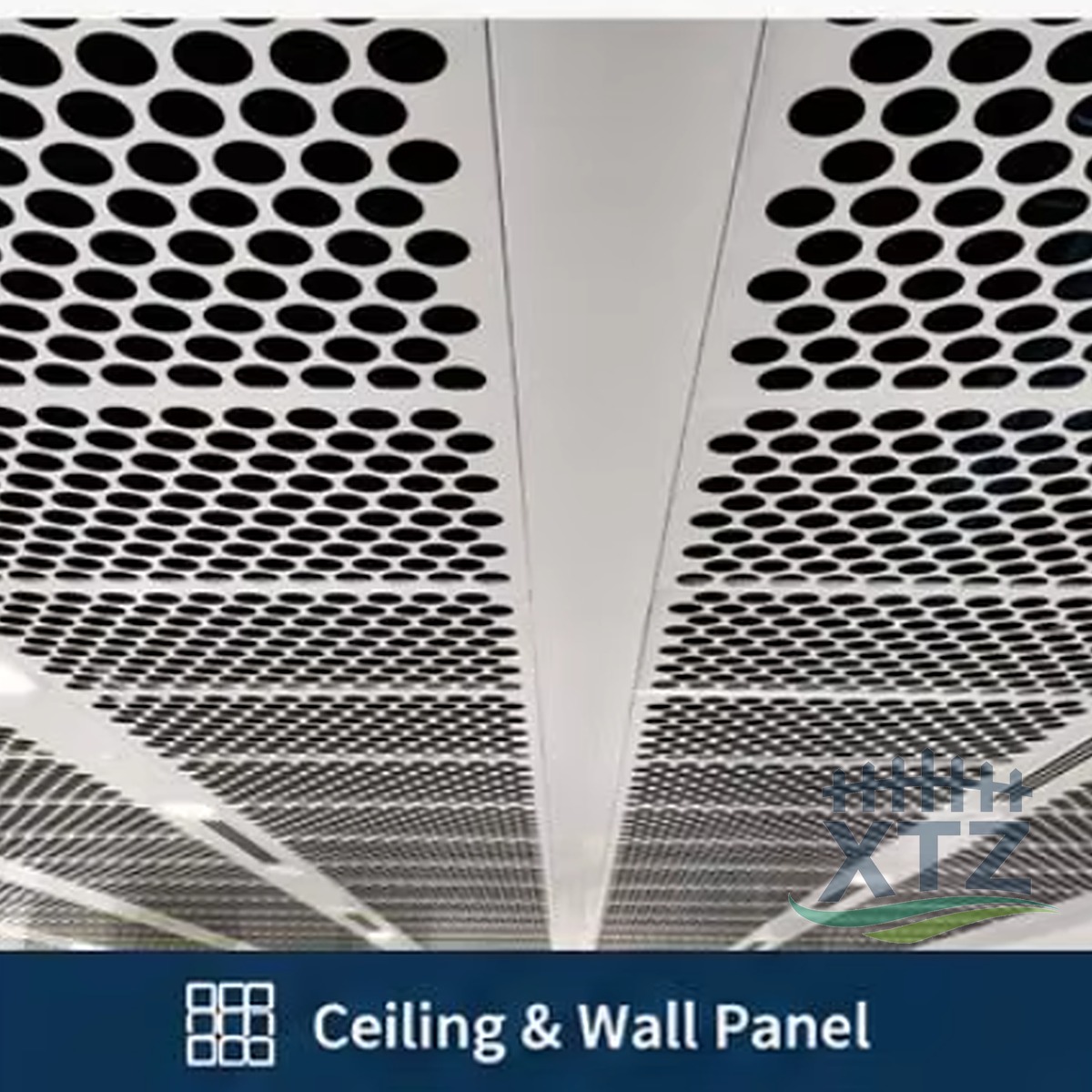
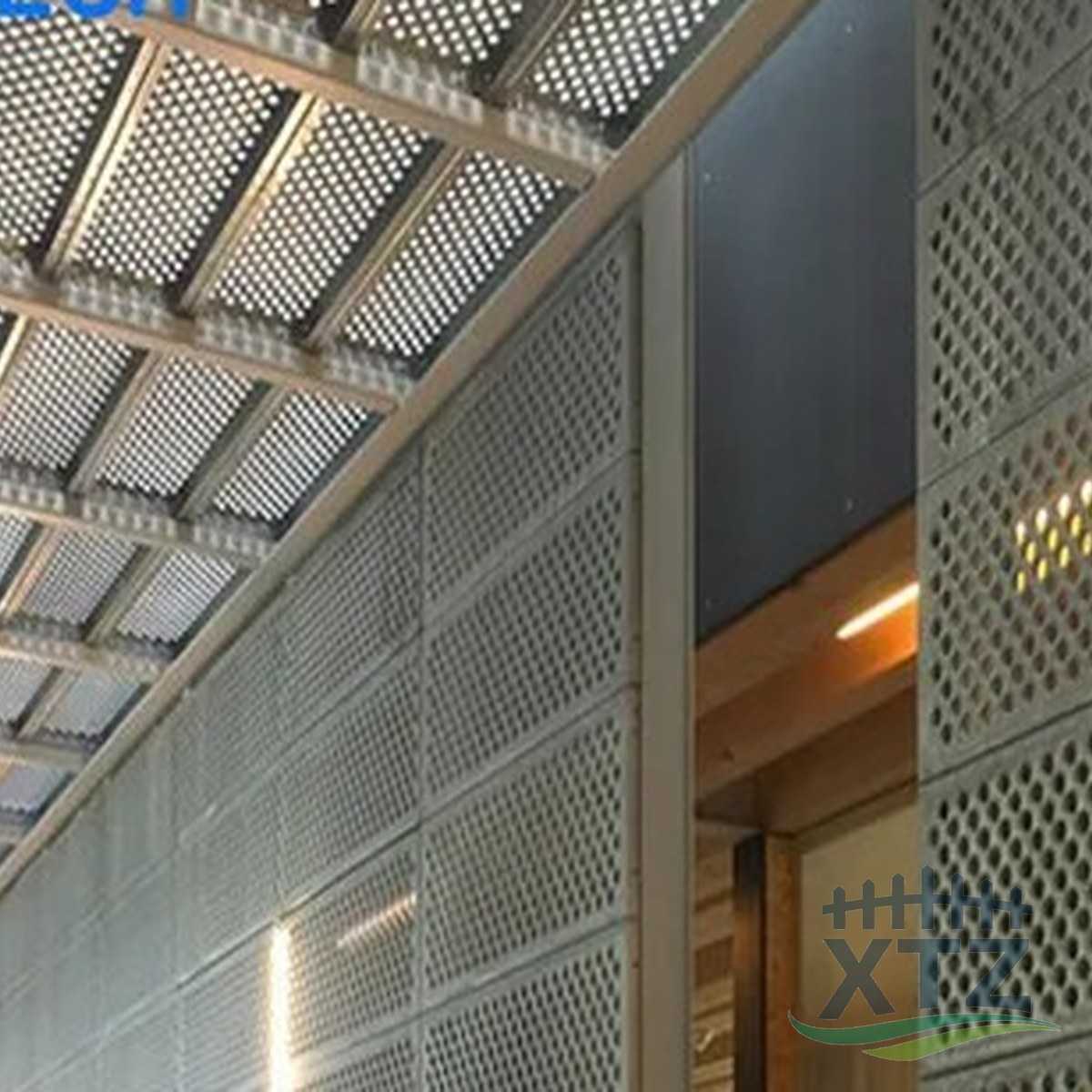
Ceiling and Wall Perforated Panel
Perforated sheet used as a ceiling and wall panel, where the open area controls airflow and the light transmission through the panel.
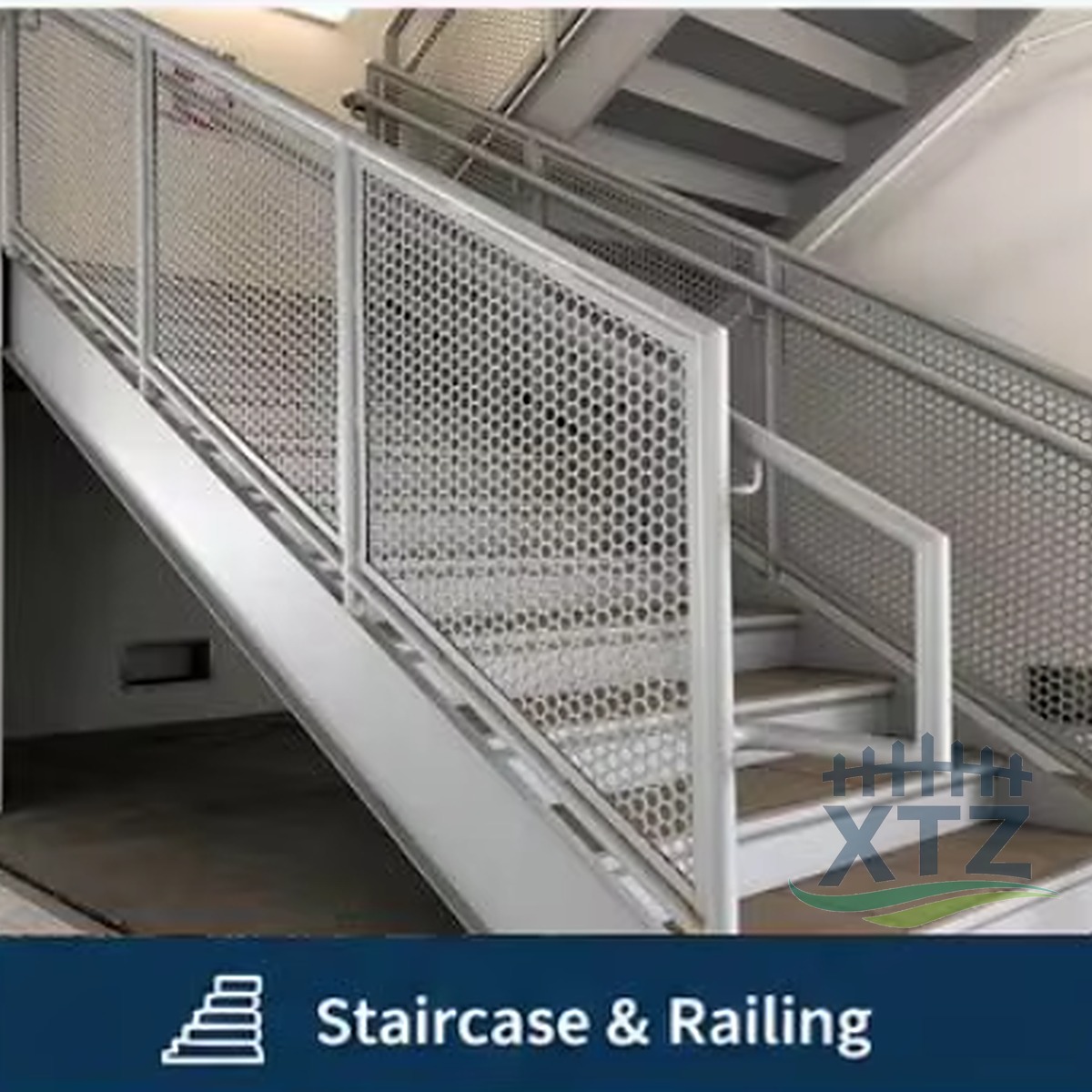
Staircase and Railing Perforated Panel
Perforated sheet used in staircase and railing panels. The panel is fixed between the supports, so the hole pattern has to be set with the structural span in mind.
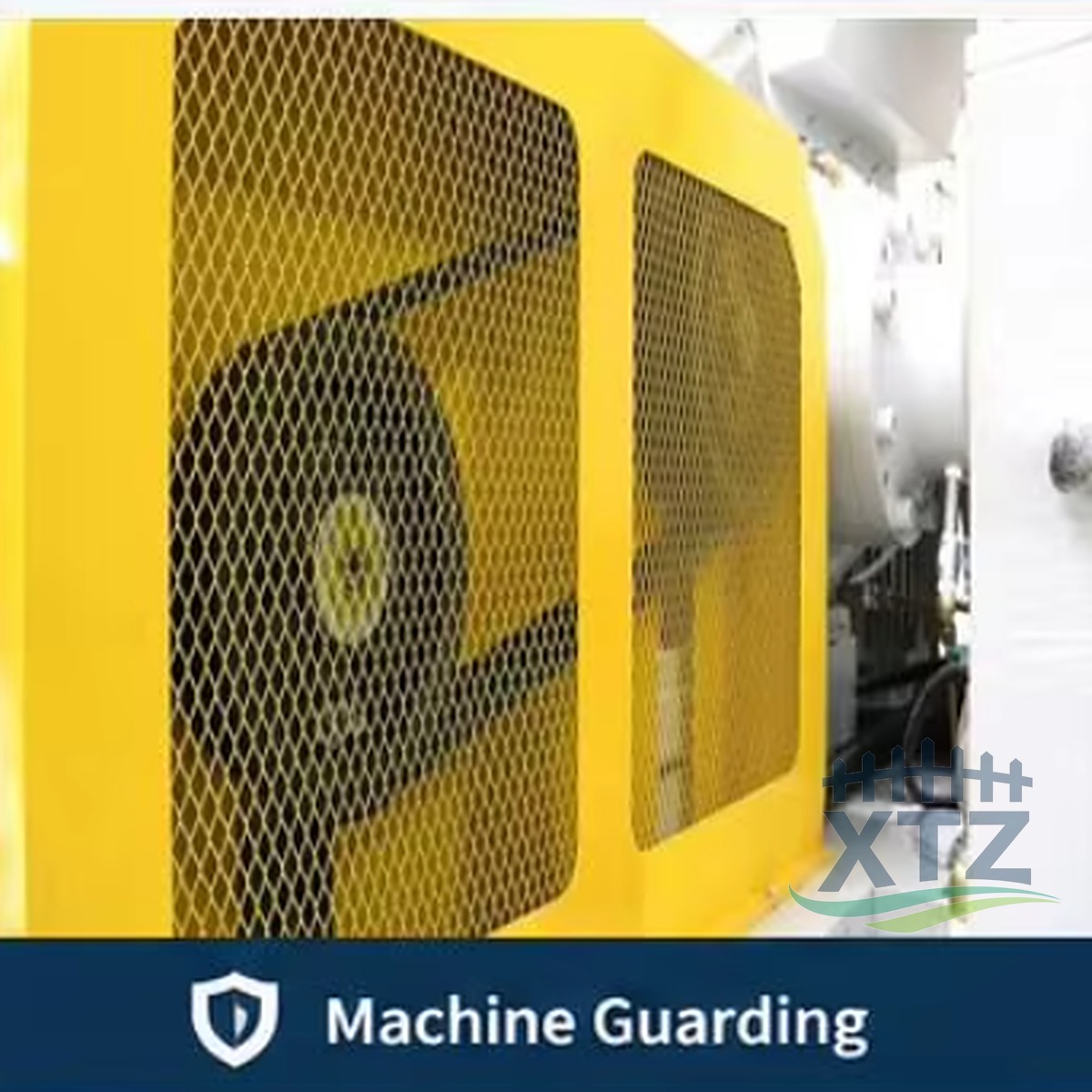
Perforated Machine Guarding
Perforated sheet used as machine guarding, where the panel has to stop access to the moving parts while still allowing the operator to see the process and the material to pass through.
Applications and Selection
Applications for Perforated Stainless Steel Sheet
Perforated sheet is used where the panel has to control airflow, light or sound while still protecting something. Ventilation and sun screens use it to control air movement across a facade while keeping the view. Machine guards use it where an open panel is needed for visibility. Acoustic panels use it where sound has to pass through a surface, and screens use it where material has to be retained. It is also supplied for equipment enclosures and for architectural spandrels and facades. Where a panel has to carry load over a span rather than control airflow, a grating panel is the correct product, and where a stronger open structure is needed, our stainless steel expanded metal mesh covers that, and where the requirement is a woven or cable supported decorative panel, our stainless steel decorative mesh covers those formats.
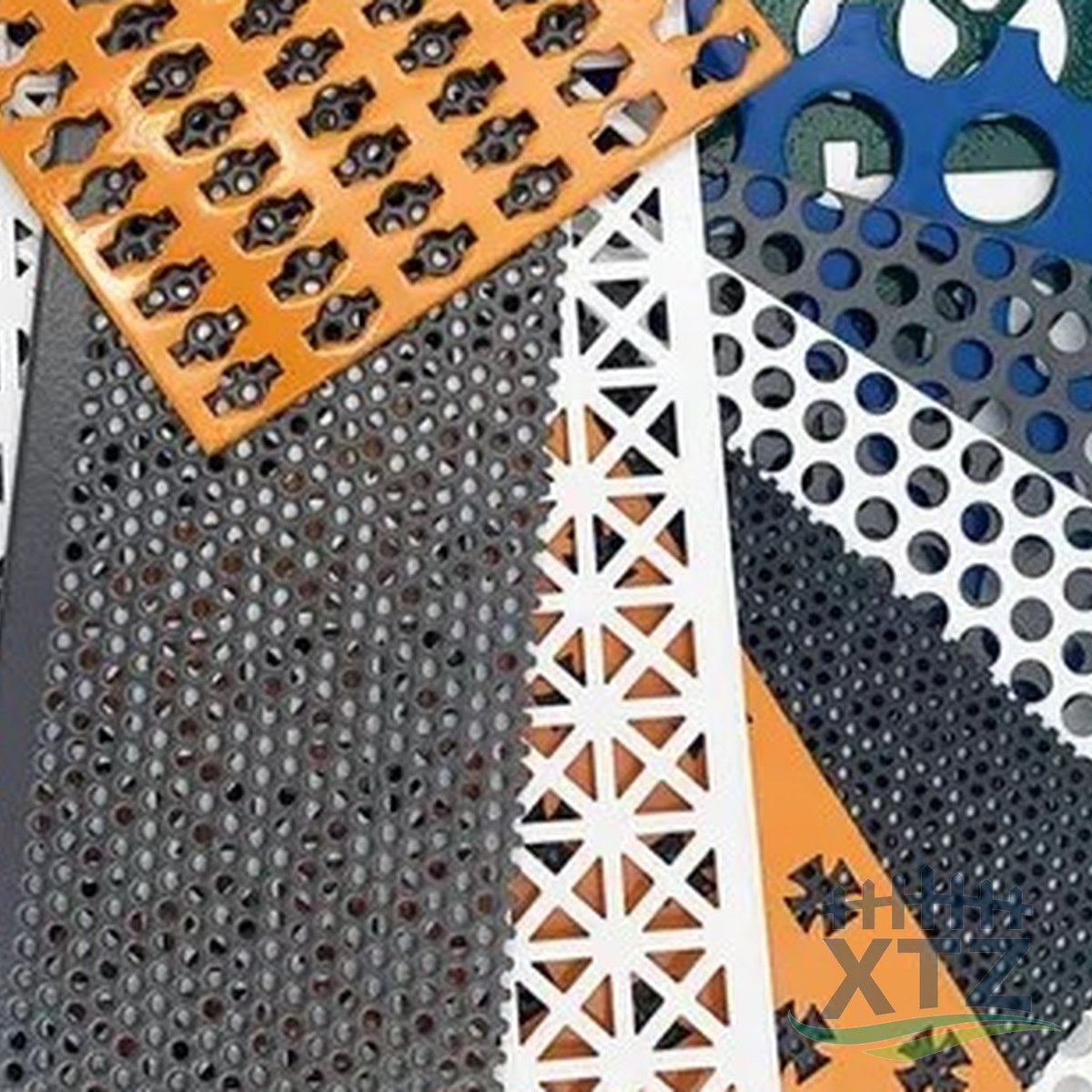
Perforated Panel and Screen Samples
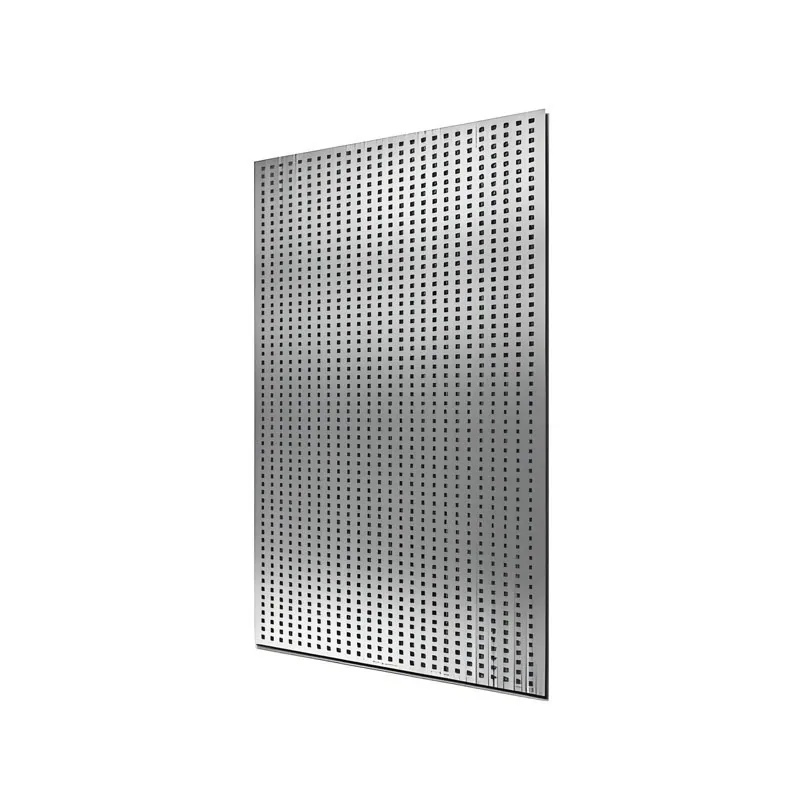
Perforated sheet samples in a range of hole patterns and hole shapes, showing how the same material can be perforated to suit a completely different appearance and open area.
Calculating Open Area
Open area depends on the hole diameter and the pitch. For staggered round holes it works out at roughly 90.7 multiplied by the ratio of hole diameter to pitch, squared, as a percentage. XTZ Fence works the open area out against the airflow or light transmission target before the panel is produced.
Fabricated Perforated Panels
Perforated sheets can be supplied flat or fabricated, folded, welded into frames, rolled or curved, with the blank margins kept where bending or fixing takes place.
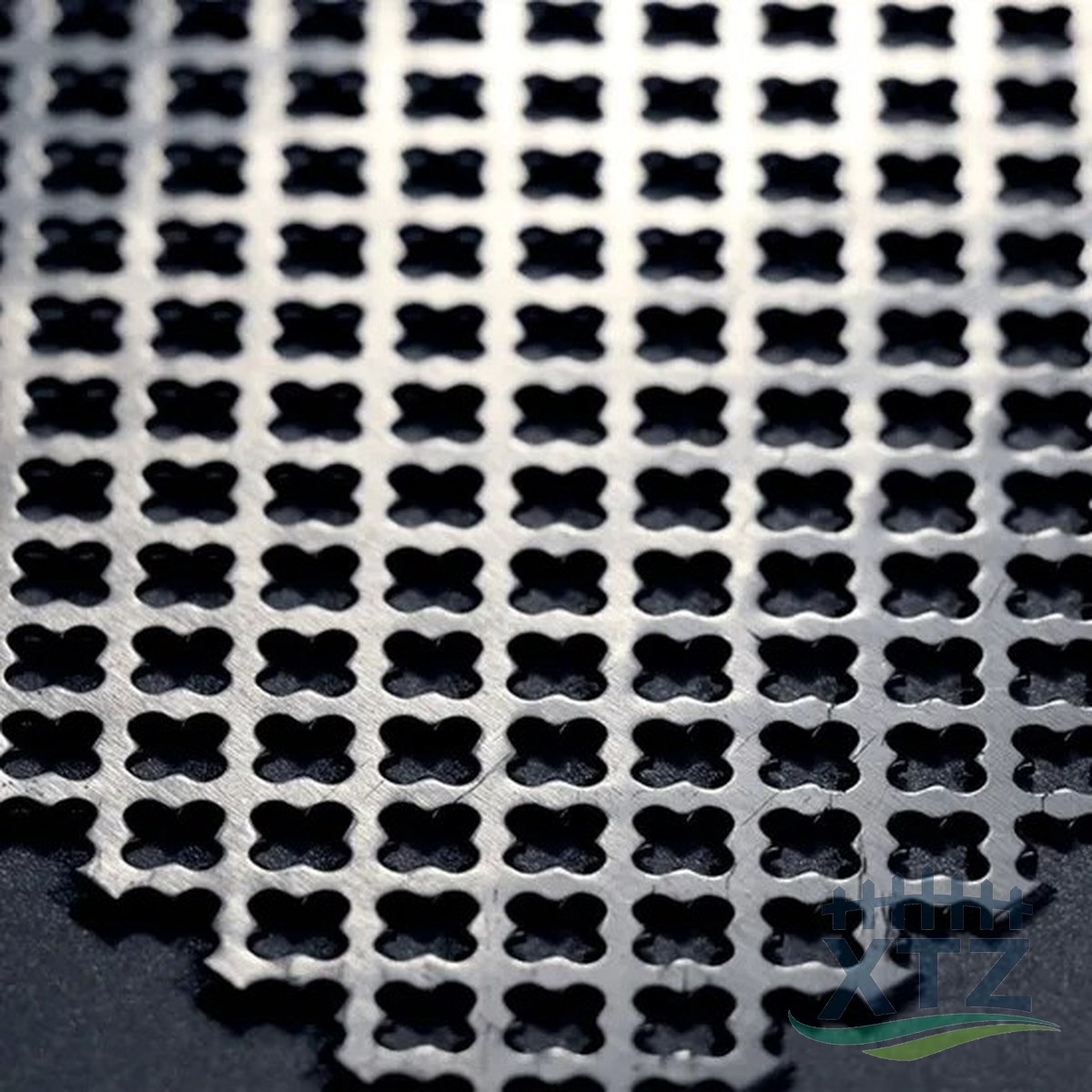
Perforated Sheet and Expanded Metal
A perforated sheet with a square hole pattern. A perforated sheet gives a precise, regular opening for airflow and screening, while expanded metal gives a stronger, stiffer open structure with no welds. Both are supplied from the same stainless steel range and the choice follows the duty.
Specifying Hole Diameter, Pitch and Sheet Gauge
Start from the duty: the airflow or light transmission the panel has to pass, the material it has to retain or exclude, and the span it has to cover. The hole diameter and pitch then follow from that target, the sheet gauge follows the span and the handling, and the blank margins are set around the fixings. Send the drawings, the hole pattern, the target open area, the sheet size, the grade, the quantity and the destination to receive a project-specific quotation. For further technical reading, see Stainless Steel Security Screen Mesh and Green Wall Trellis Mesh.
Frequently Asked Questions
Q: What is stainless steel perforated sheet?
A: Stainless steel perforated sheet is produced by punching holes through a stainless steel sheet, so the openings are part of the plate itself and the panel has no welds and no wire ends. The hole shape, diameter and pitch are arranged to control the open area, the appearance and how the panel is fabricated downstream.
Q: How is the open area of a perforated sheet calculated?
A: Open area depends on the hole diameter and the pitch. For staggered round holes it works out at roughly 90.7 multiplied by the ratio of hole diameter to pitch, squared, as a percentage. The open area is worked out against the airflow or light transmission target before the panel is produced.
Q: What is the difference between perforated sheet and expanded metal?
A: A perforated sheet gives a precise, regular hole pattern for airflow, light transmission and screening. Expanded metal gives a stronger, stiffer open structure with no welds and no material waste, which makes it the better answer for guarding and walkways. Both are supplied from the same stainless steel range.
Q: Can perforated panels be folded, framed or curved?
A: Yes. Sheets can be supplied flat or fabricated, folded, welded into frames, rolled or curved, with the blank margins kept where bending or fixing takes place.
Q: How do I choose the hole diameter and pitch?
A: Start from the duty: the airflow or light transmission the panel has to pass, the material it has to retain or exclude, and the span it has to cover. The hole diameter and pitch then follow from that target, the sheet gauge follows the span and the handling, and the blank margins are set around the fixings.
Request a Custom Quotation
Request a Custom Quotation – send the drawings, the hole pattern, the target open area, the sheet dimensions and gauge, the grade, the quantity and the destination, and XTZ Fence will confirm the specification for your project.