
Stainless Steel Rope Mesh
Flexible rope mesh systems for transparent safety barriers, enclosures and architectural applications.
- Family
- Stainless Steel Rope Mesh
- Supply form
- Custom panels, rolls or framed assemblies
- Typical use
- Fall protection, Aviaries, Balustrades
Stainless Steel Rope Mesh
Filmed on the XTZ factory floor - the production process behind every Stainless Steel Rope Mesh: raw stainless steel coil, precision cutting and forming, weaving and welding, frame assembly, surface finishing and final quality inspection before packing.
What to confirm.
Define this item from drawings, operating conditions and the required installation method.
Define this item from drawings, operating conditions and the required installation method.
Define this item from drawings, operating conditions and the required installation method.
Define this item from drawings, operating conditions and the required installation method.
Family-level checks
- Ferrule or interwoven construction
- Cable diameter and diamond opening
- Opening direction and installed tension
- Perimeter cable, loose loops or framed edge
Typical applications.
Related products.
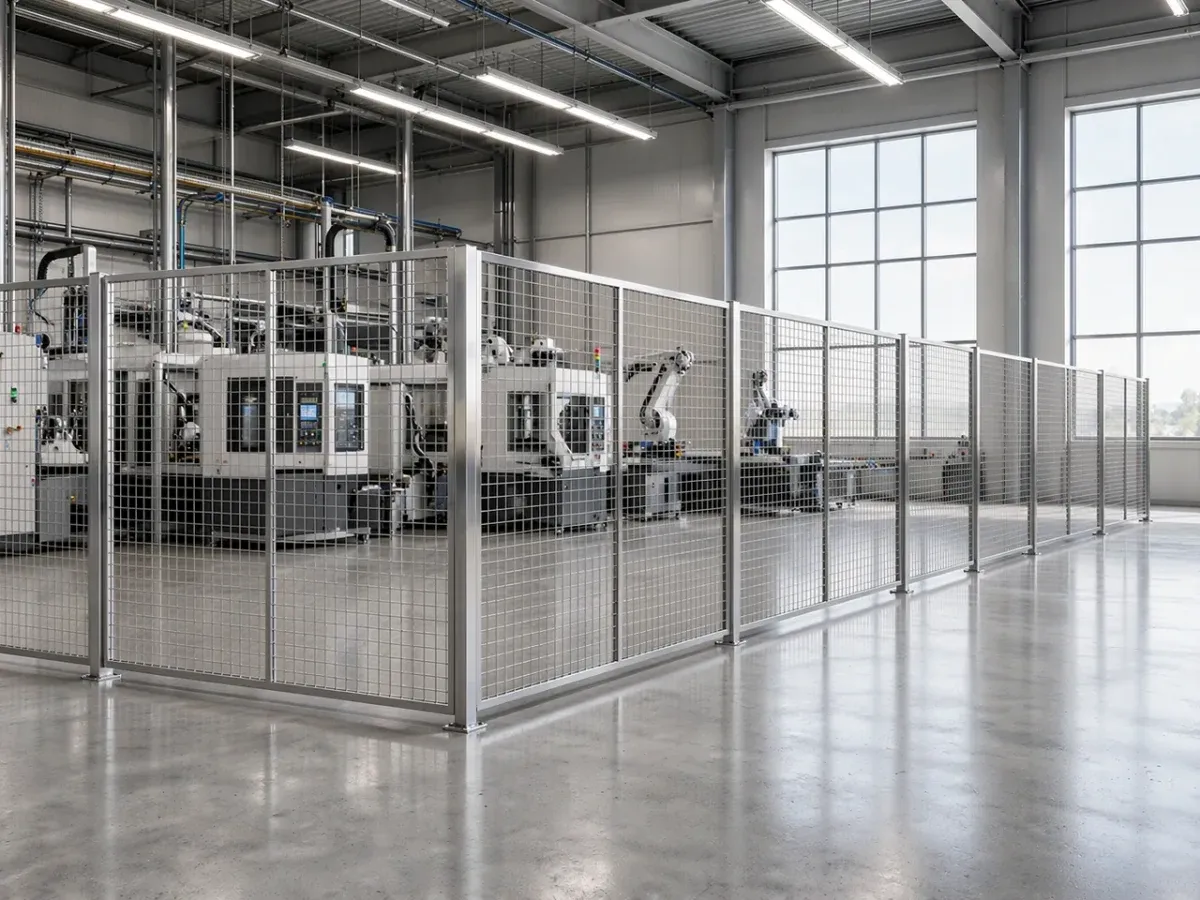
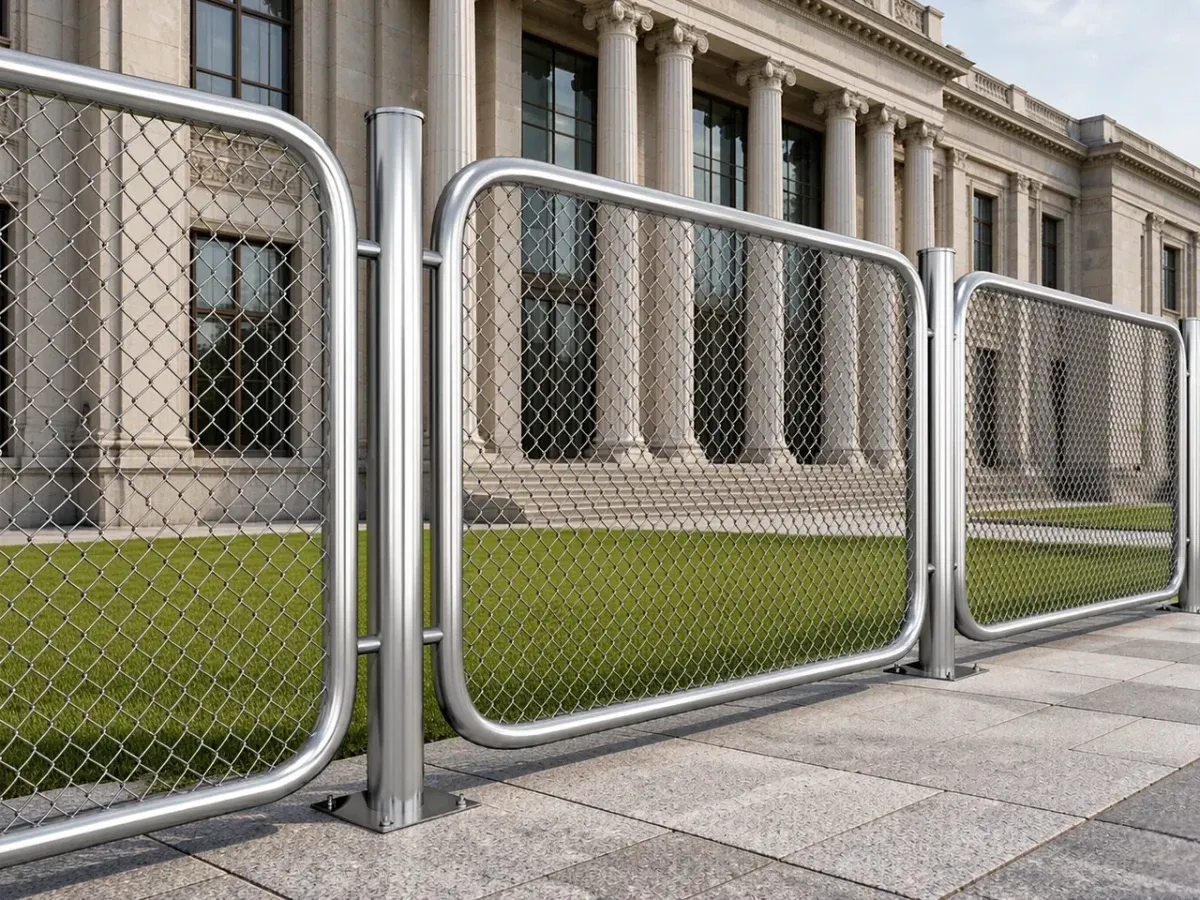
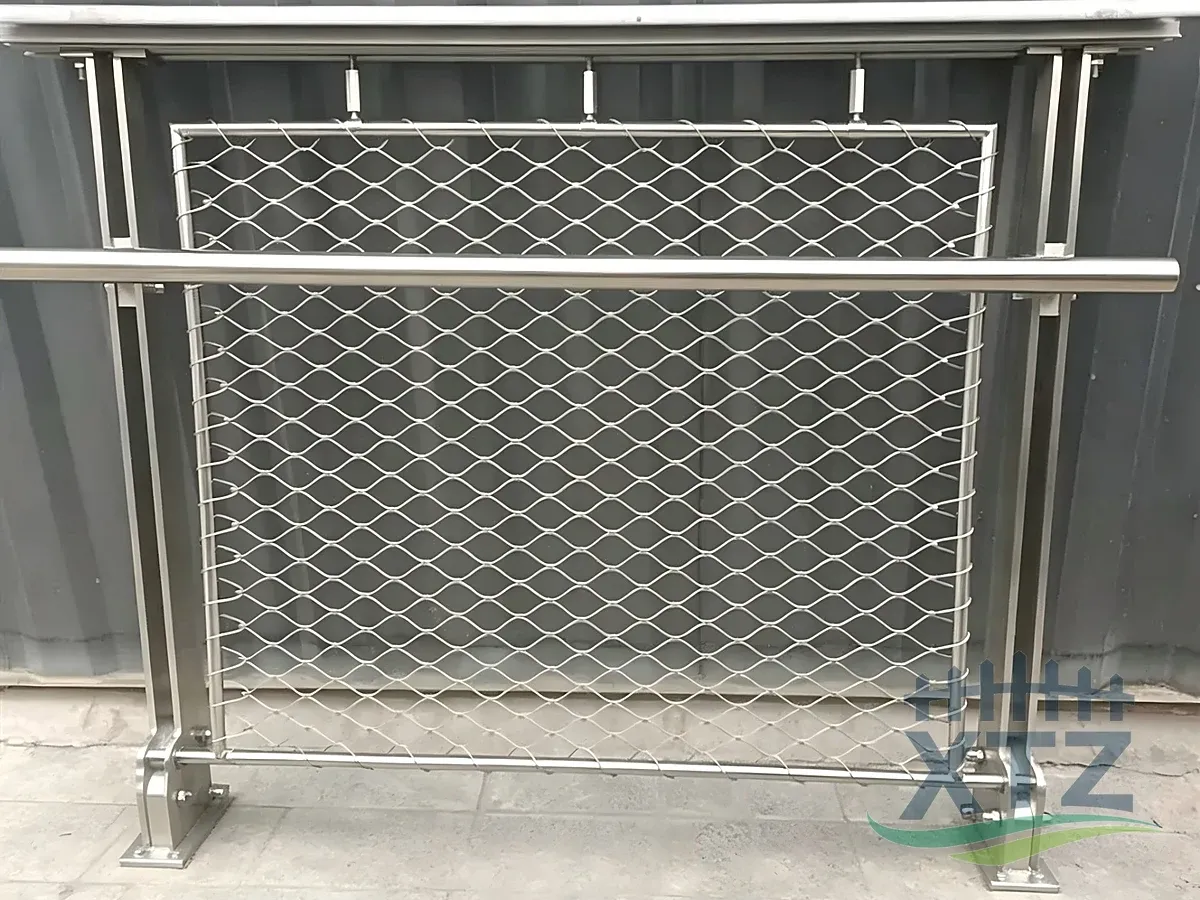 Stainless Steel Rope Mesh FenceFlexible stainless steel rope mesh assembled into framed fence panels for perimeter and fall-protection barriers.
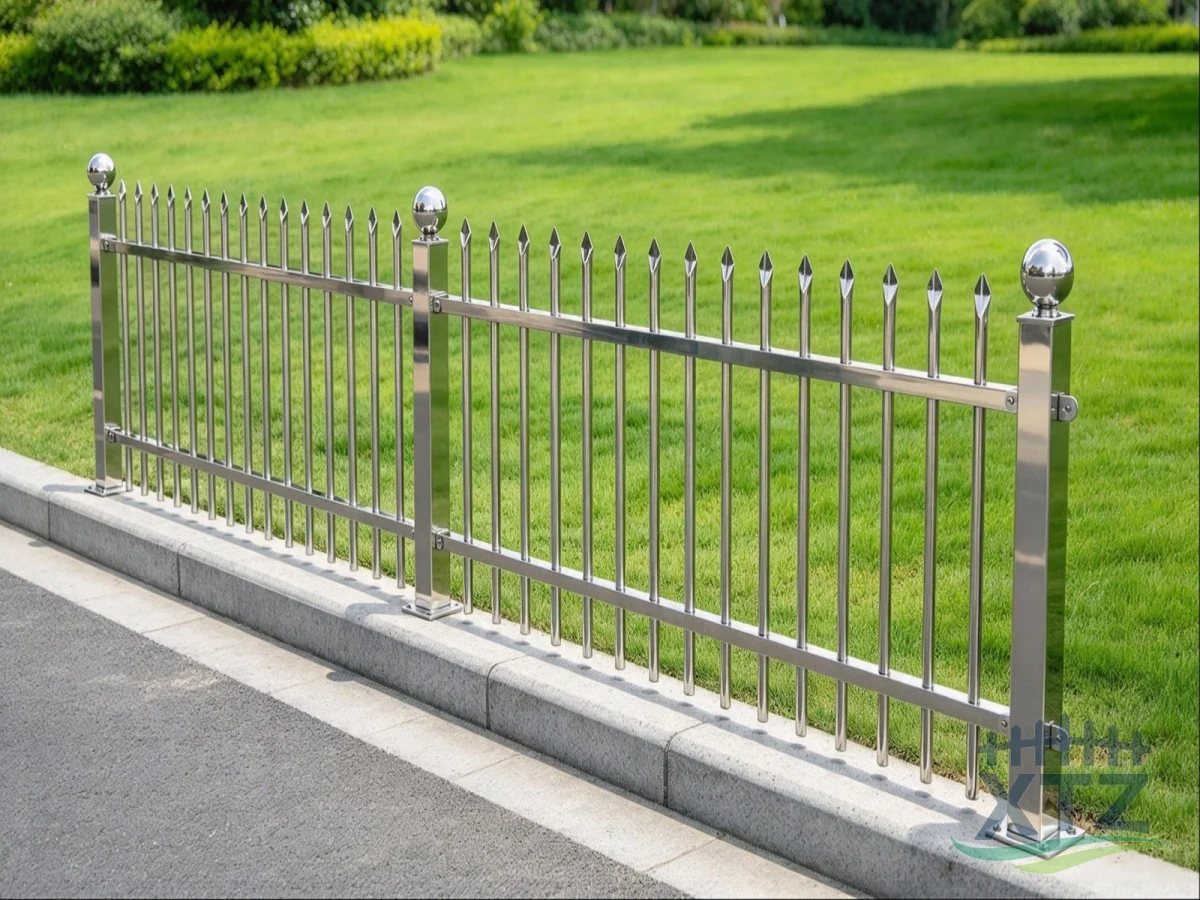 Stainless Steel Security FenceReinforced stainless steel fence systems engineered for high-security perimeter protection.
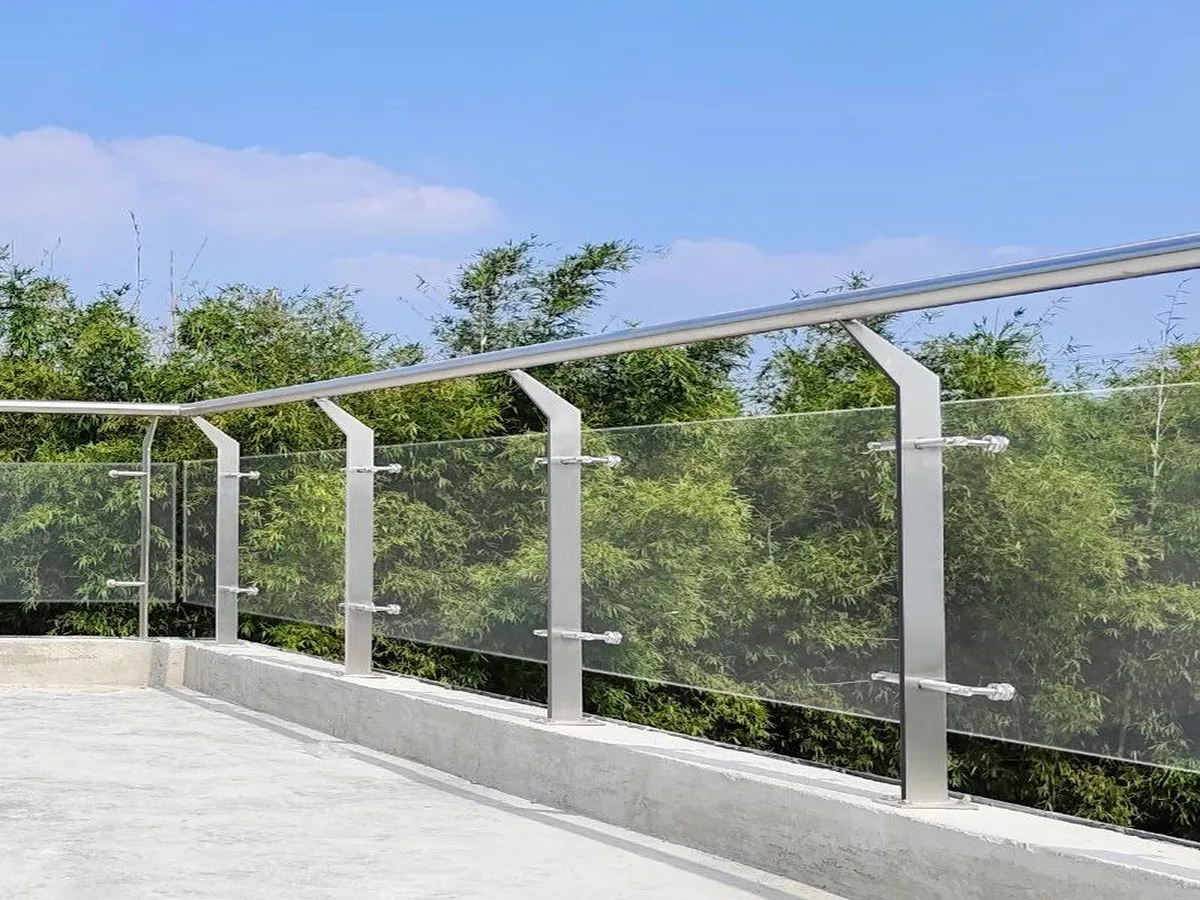 Stainless Steel Glass RailingStainless steel railing systems that secure glass panels for balconies, staircases, terraces and pool fencing.
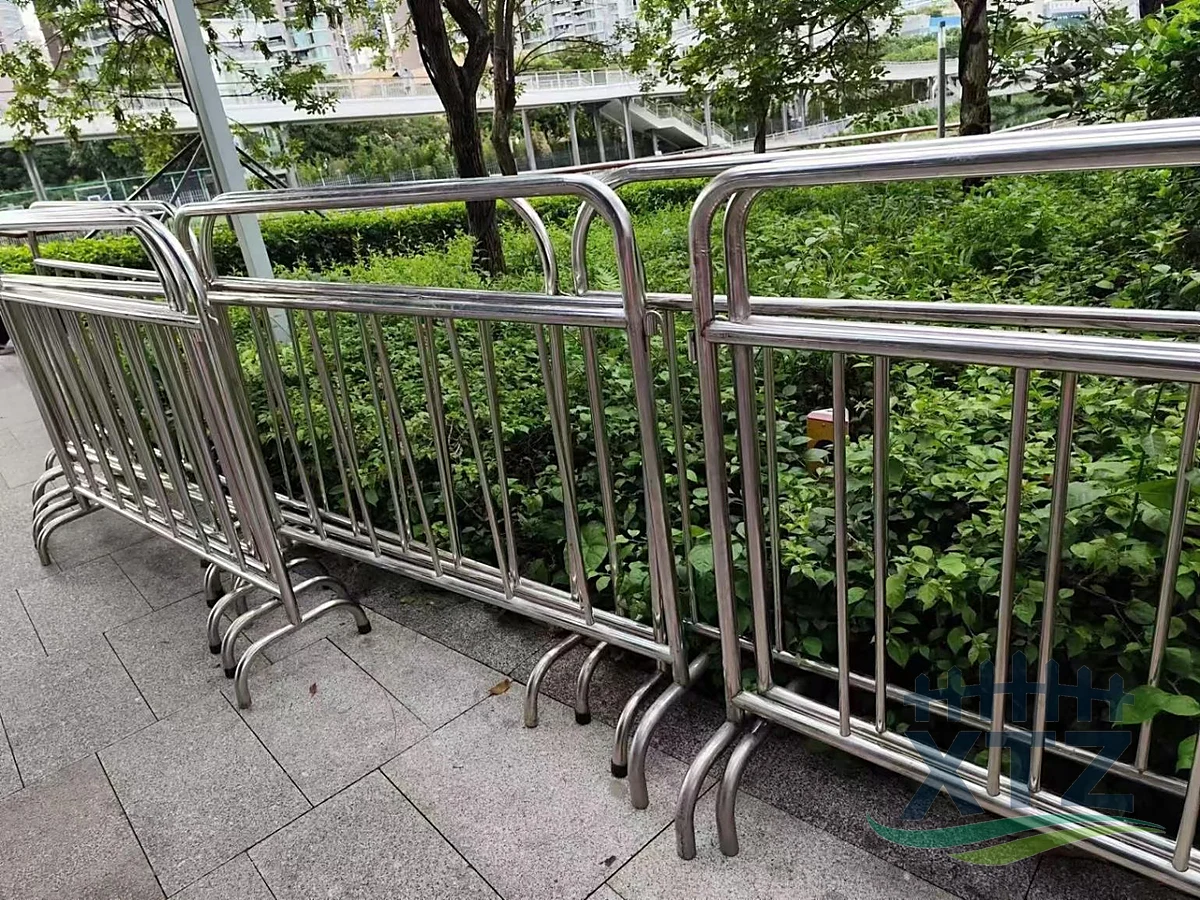 Stainless Steel Crowd Control BarrierPortable stainless steel barriers with interlocking hooks for rapid queue and crowd management.
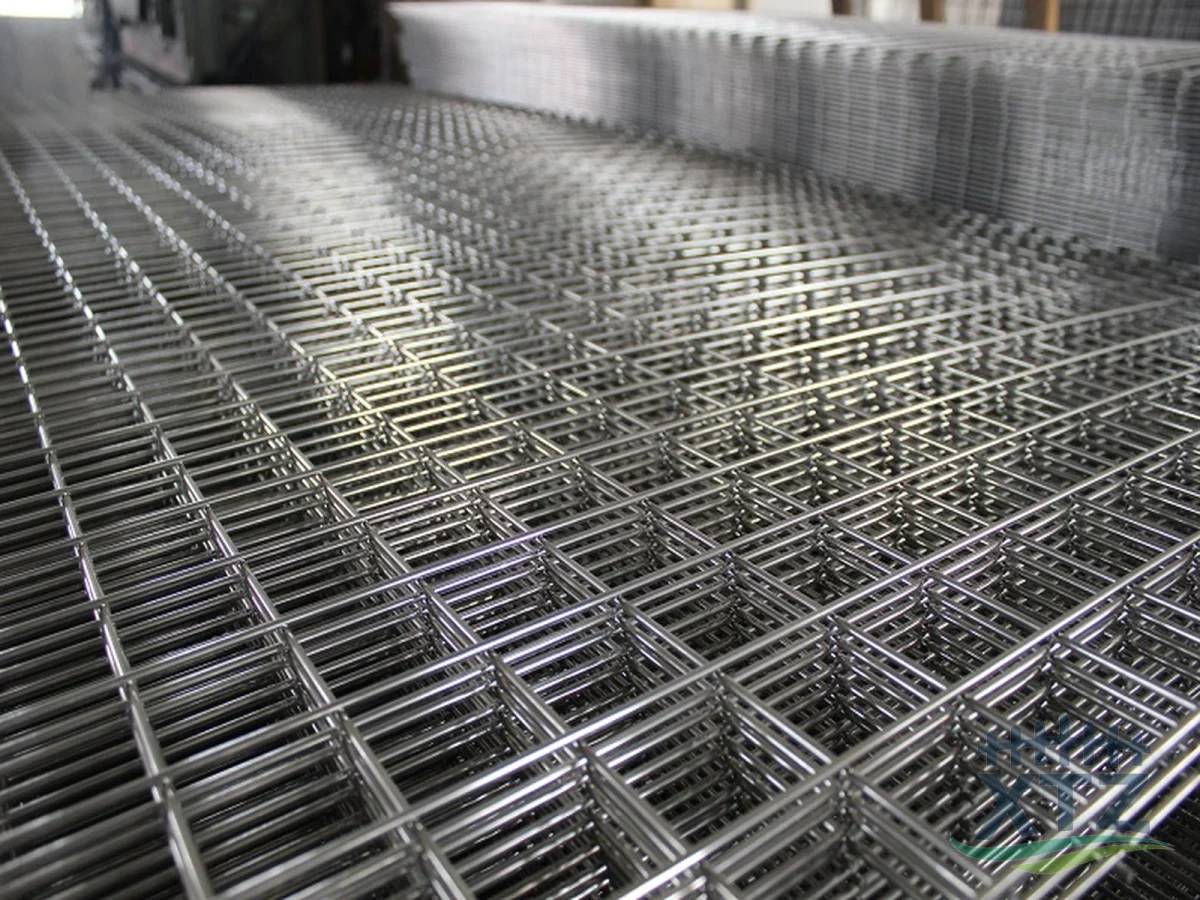 Stainless Steel Mesh PanelWelded or pressure-locked bar grating creates ventilated walking and service surfaces with coordinated support direction.
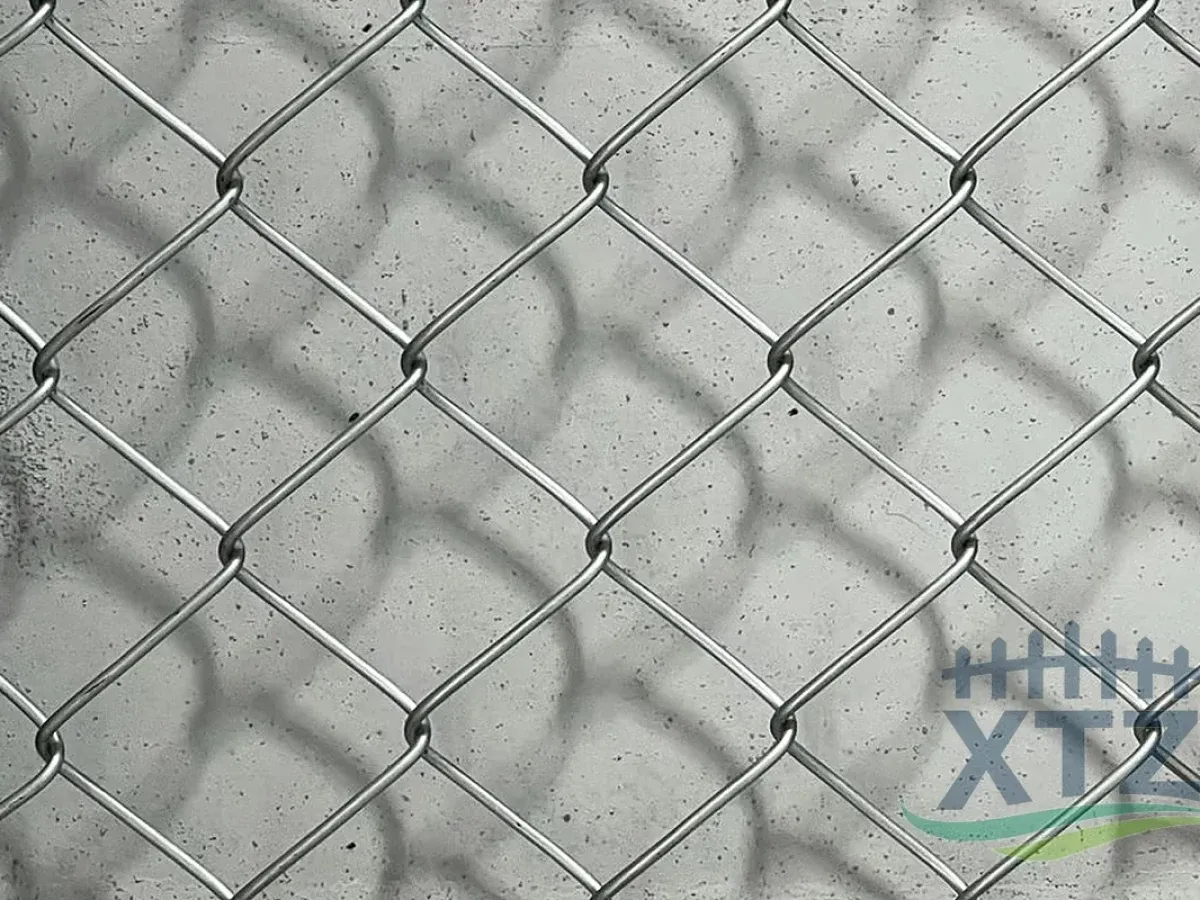
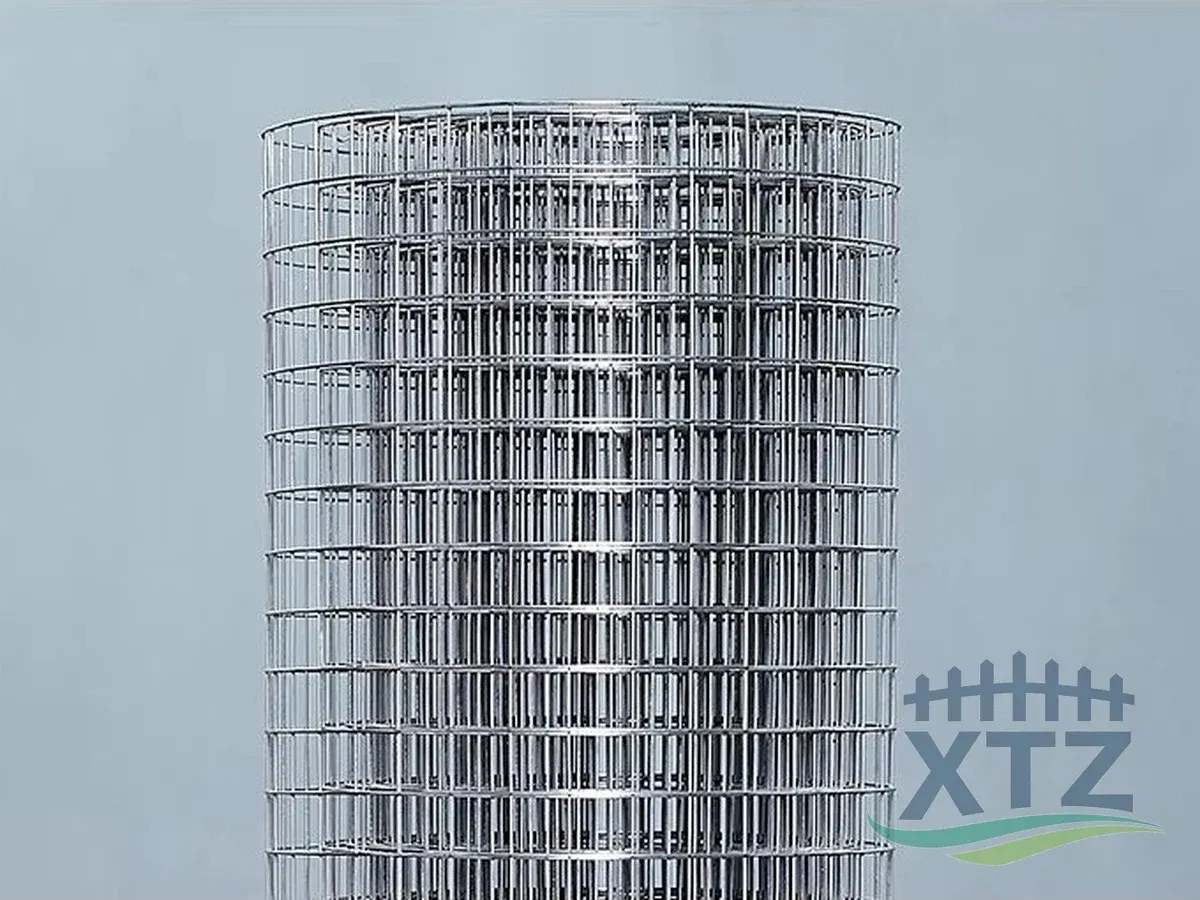 Stainless Steel Welded Wire MeshWoven and welded stainless meshes for screening, filtration, guarding and precise industrial separation.
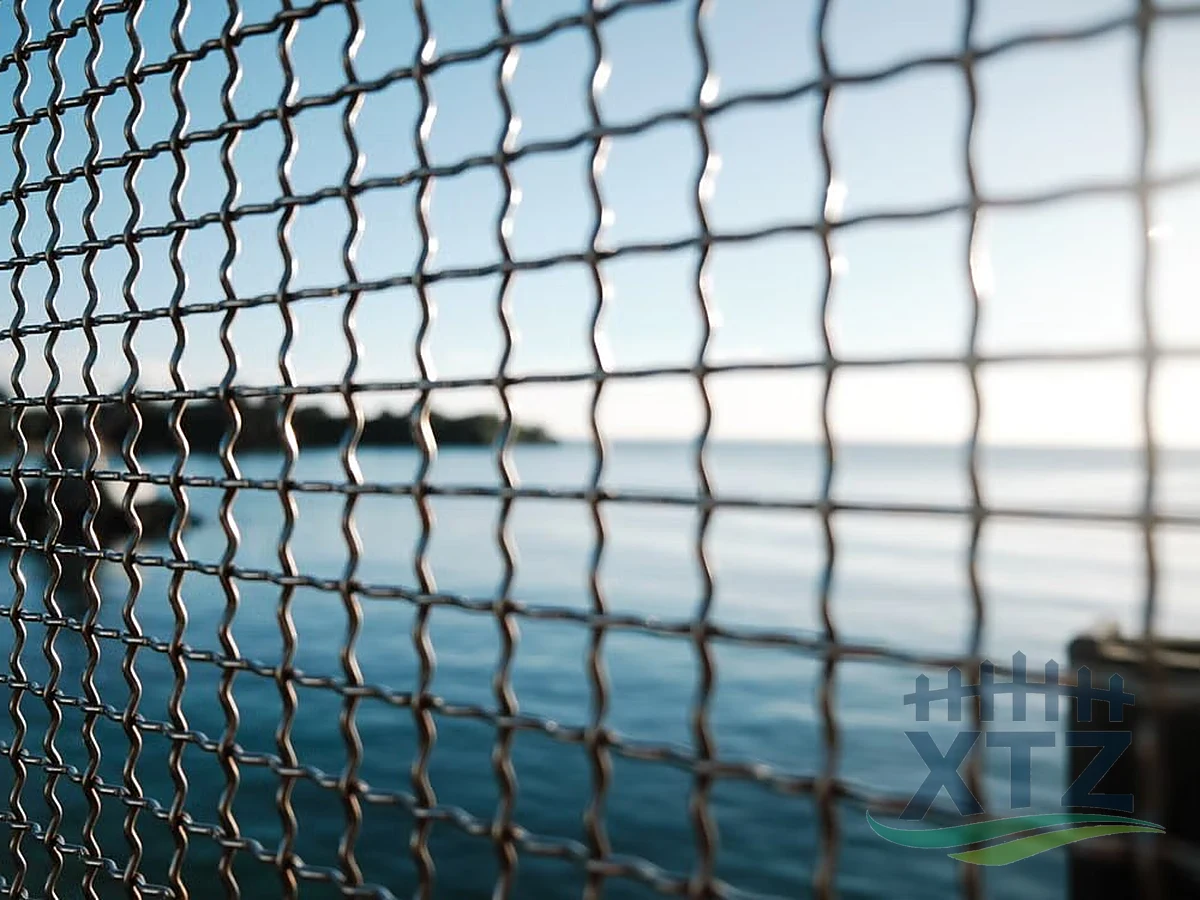 Stainless Steel Crimped Wire MeshCrimped woven mesh with uniform openings and locked intersections for screening, guarding and filtering.
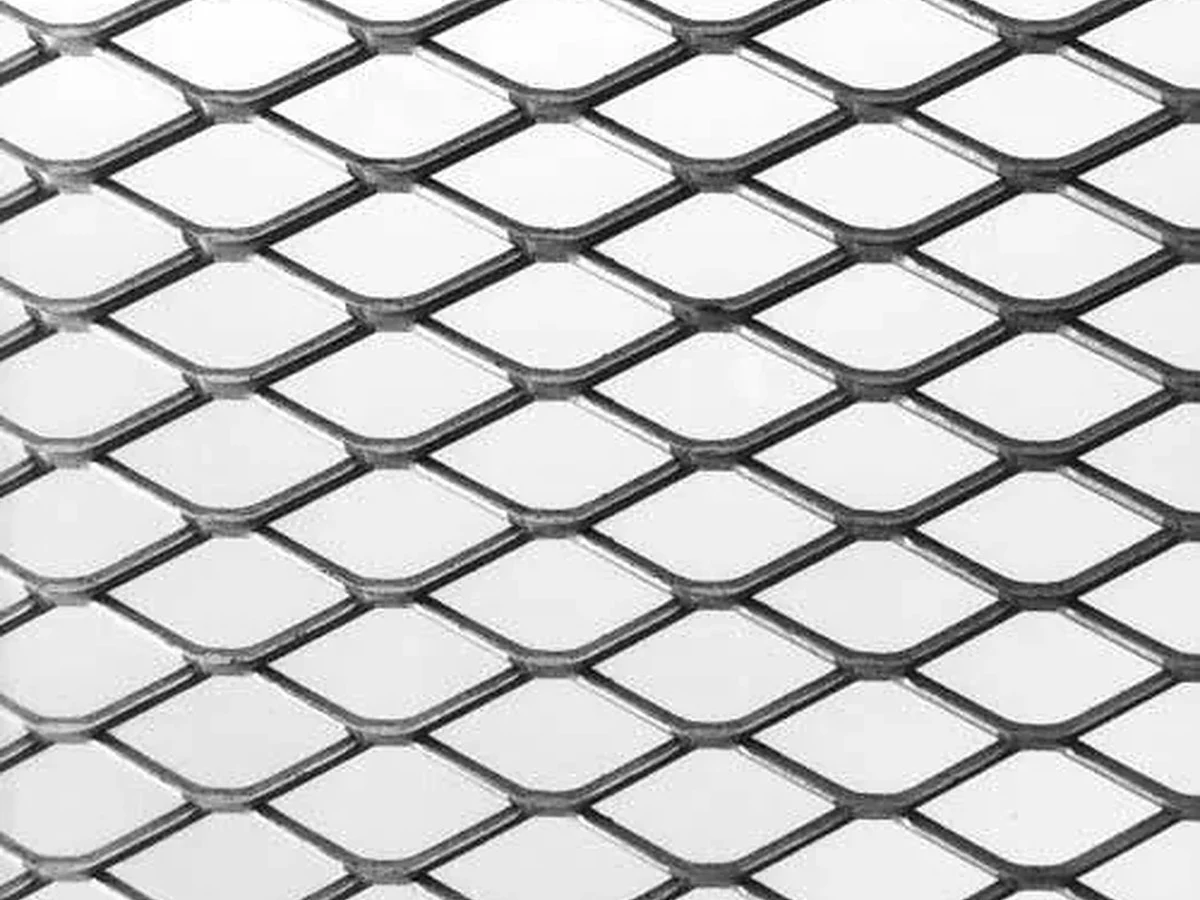 Stainless Steel Expanded Metal MeshA single sheet is expanded into a regular diamond network for guards, platforms, screens and architectural panels.
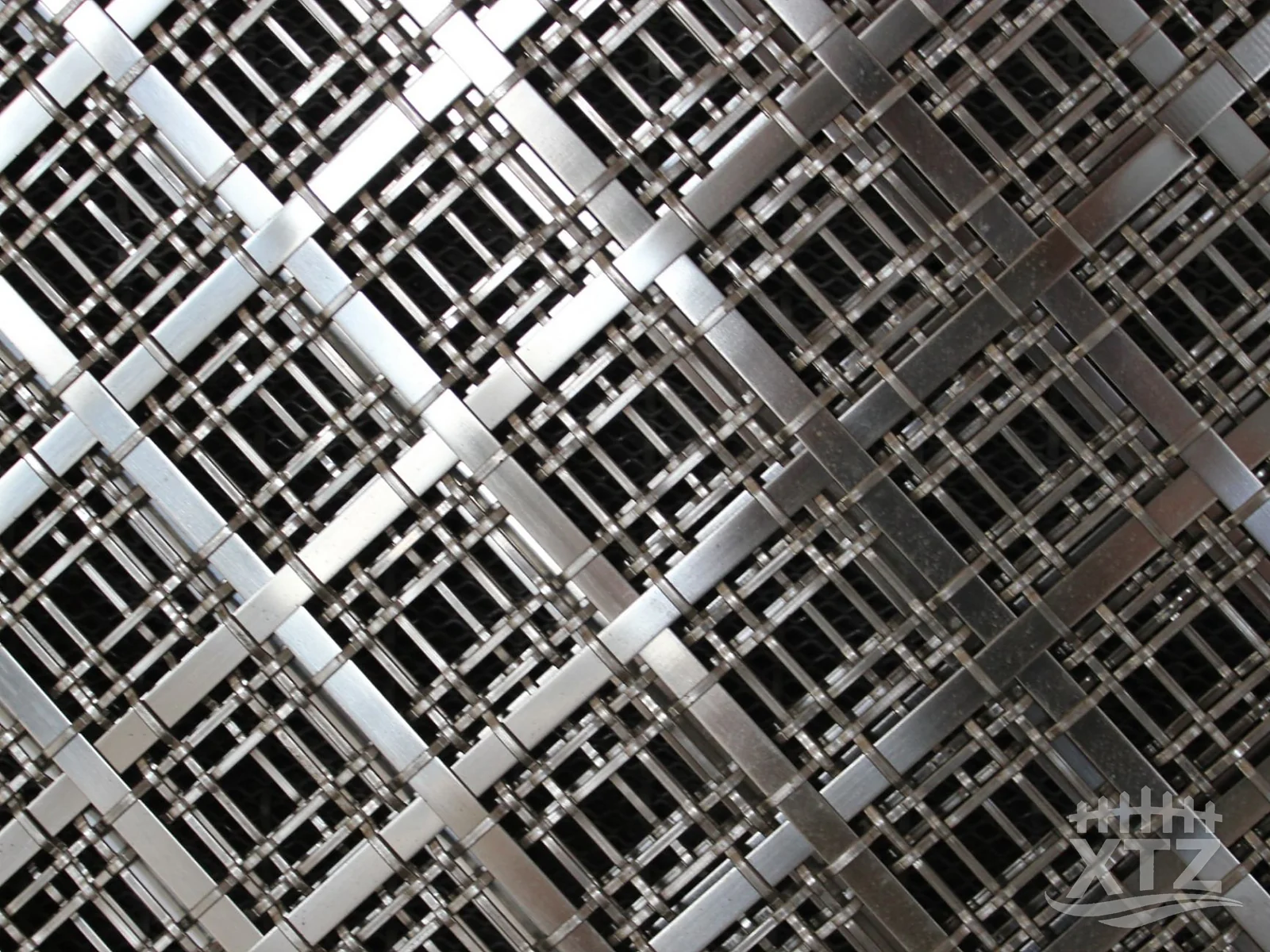 Stainless Steel Decorative MeshWoven, cable-supported and formed metal surfaces for facades, interiors, balustrades and feature screens.
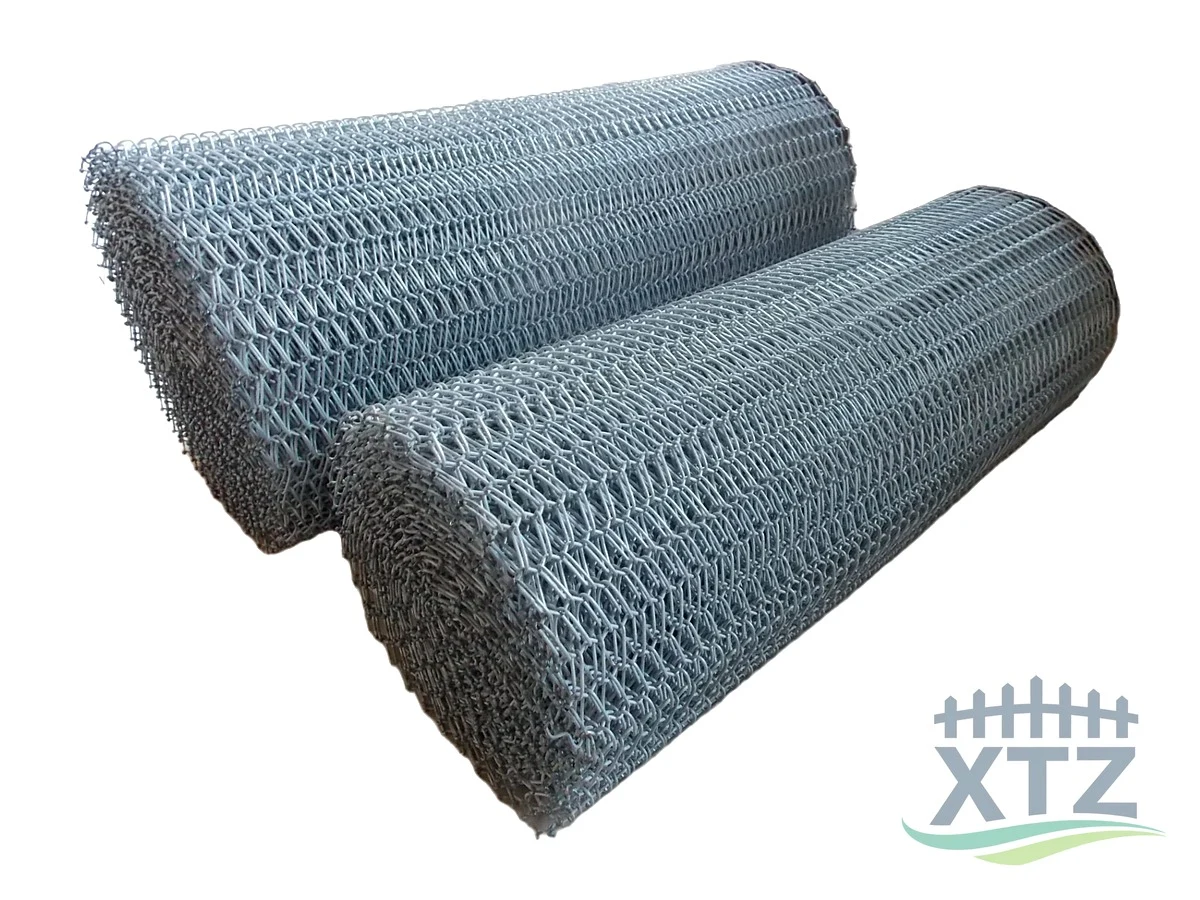 Stainless Steel Conveyor Belt MeshContinuous wire is formed into interlocking loops that compress, recover and conform to complex shapes.
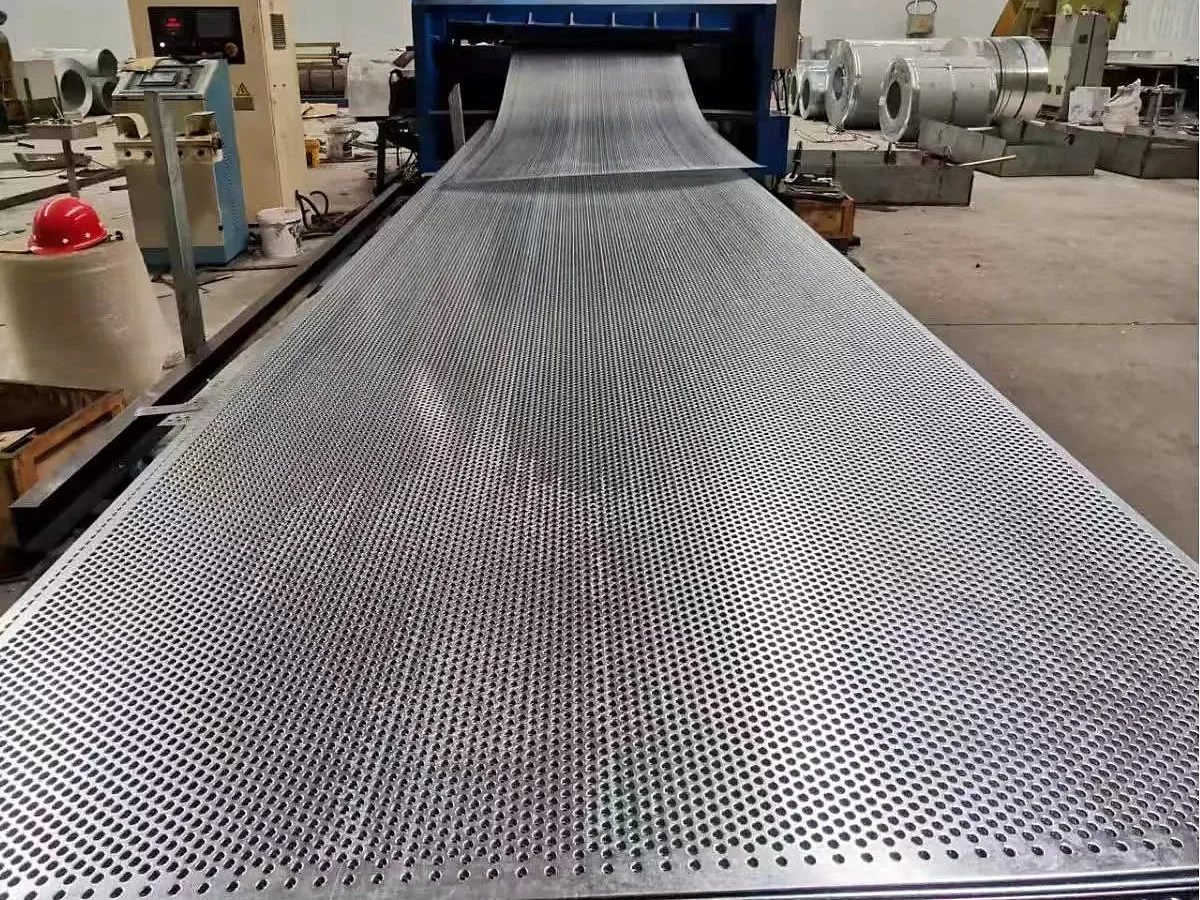 Stainless Steel Perforated SheetRound, square or shaped perforations can be arranged to control open area, appearance and downstream fabrication.
Send the project conditions.
Include drawings, dimensions, quantity, destination and any required finish or packing method.
Stainless Steel Rope Mesh Products, Specifications and Applications
XTZ Fence is a stainless steel rope mesh manufacturer based in Anping, Hebei, China. Also known as stainless steel cable mesh or wire rope netting, the mesh is woven from stainless steel wire rope in ferrule type and hand woven constructions, supplied by the metre, in rolls or as cut panels for zoo enclosures, aviaries, balustrades, green facades and fall protection screens.
Stainless Steel Rope Mesh and Cable Mesh
Stainless steel rope mesh, also sold in the market as stainless steel cable mesh, wire rope netting or flexible stainless steel mesh, is woven from stainless steel wire rope and supplied as the open infill used in safety barriers, animal enclosures and balustrades. The mesh is flexible enough to follow the shape of an enclosure and strong enough to carry tension, which is why it is chosen where a rigid welded panel cannot be formed. Where the mesh is required to be a diamond weave rather than a rope weave, our stainless steel chain link mesh covers that construction. XTZ Fence manufactures both ferrule type and hand woven rope mesh, supplied by the metre, in rolls, or as cut panels, and can deliver the same mesh framed into complete fence panels as described on our stainless steel rope mesh fence page.
Product Structure and Materials
Ferrule Type and Hand Woven Construction
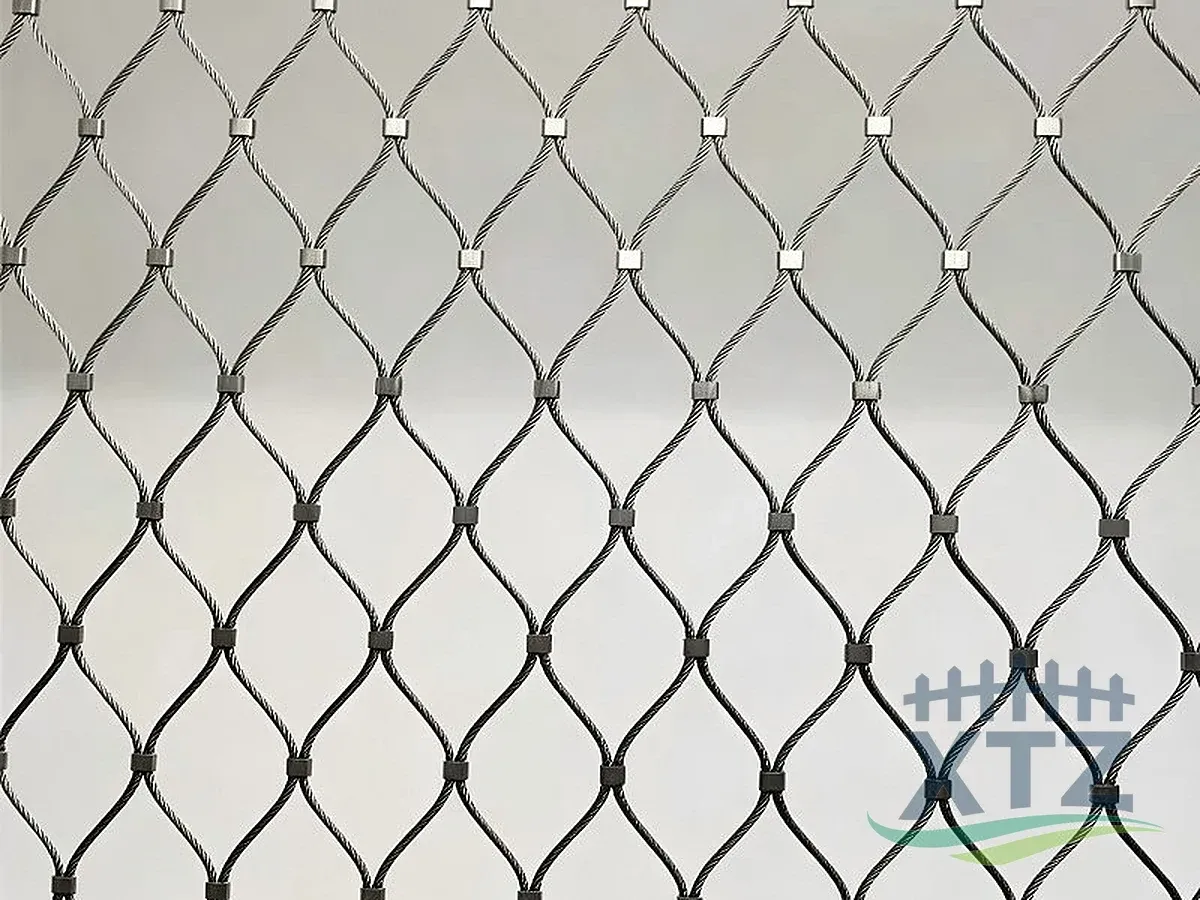
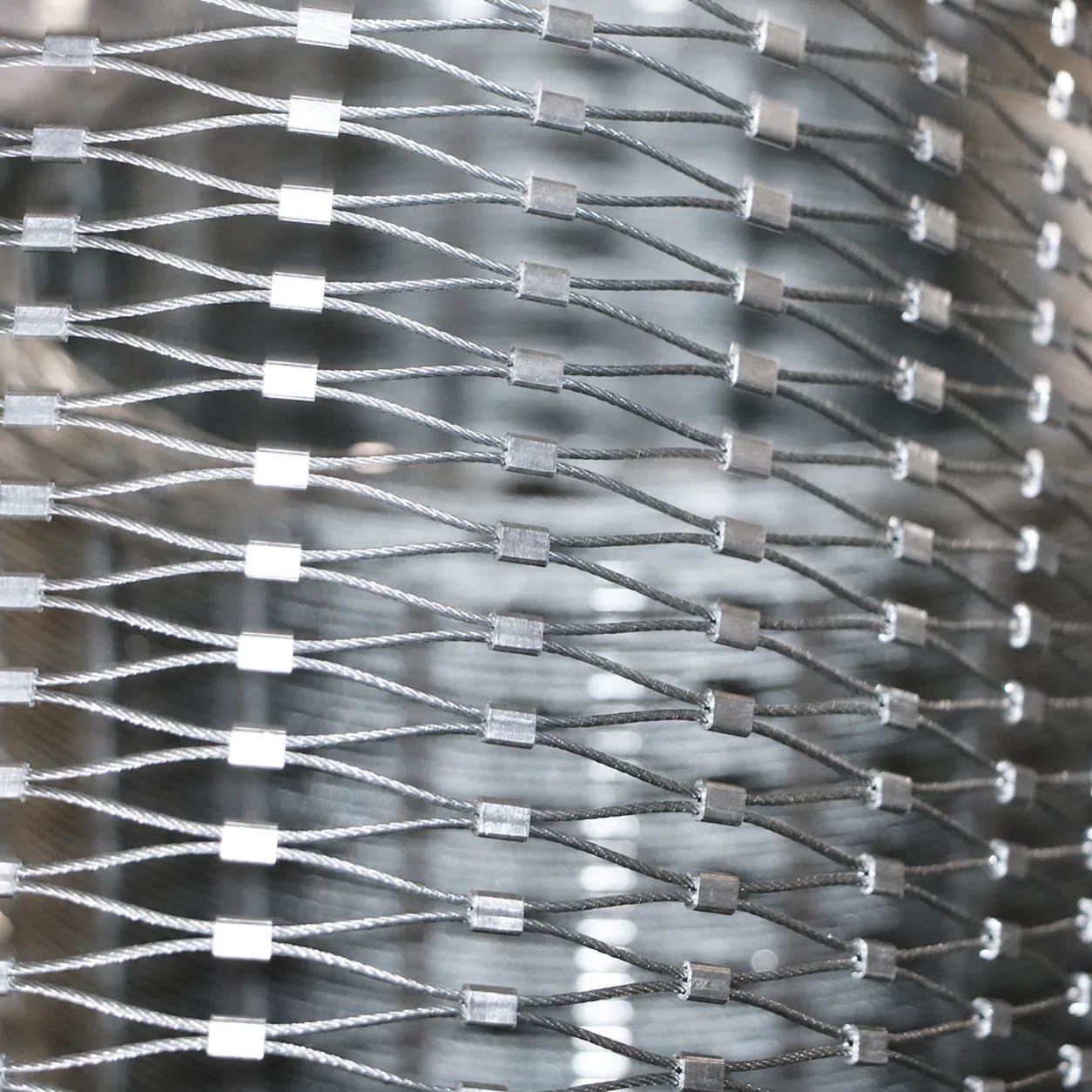
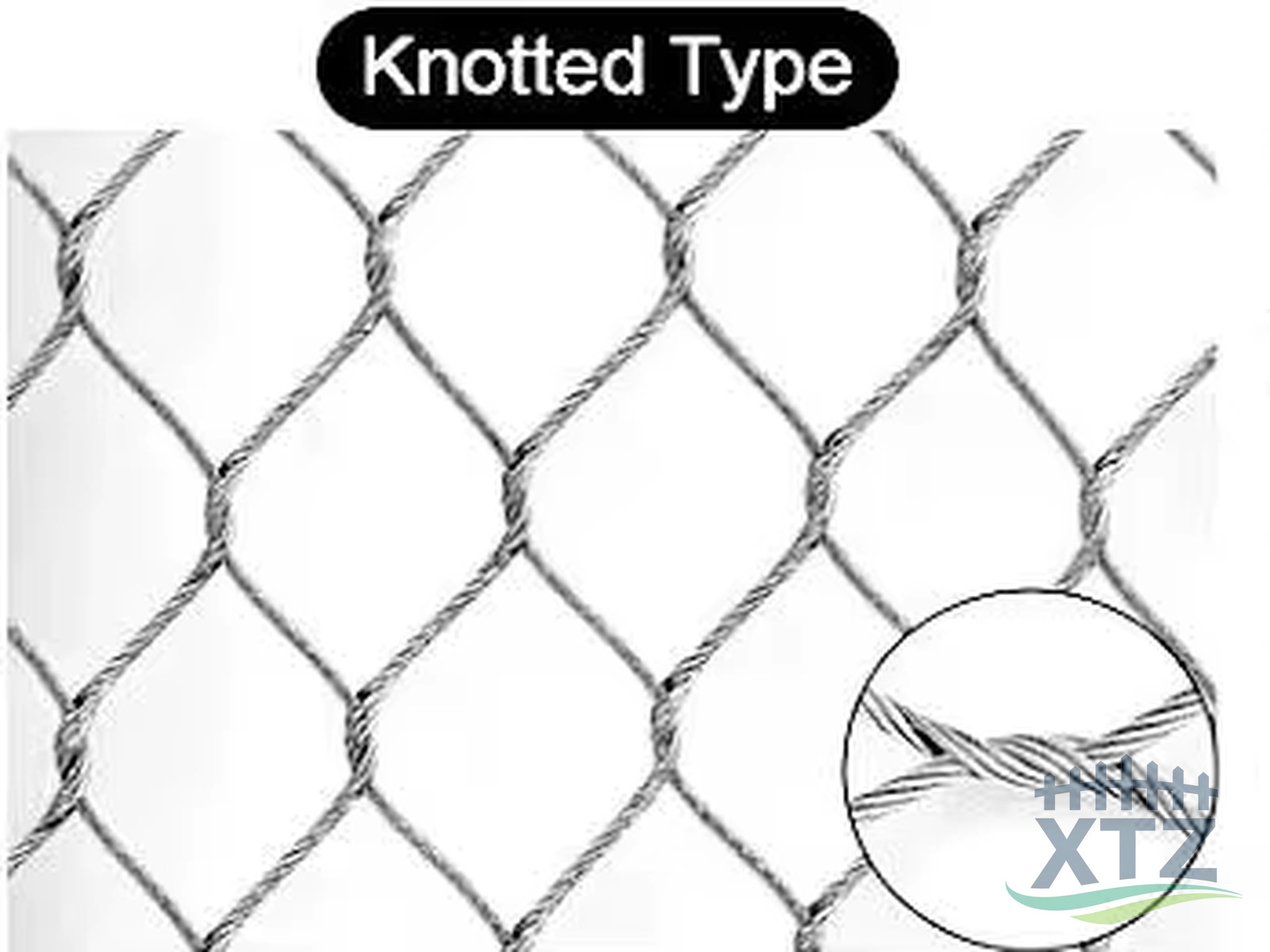
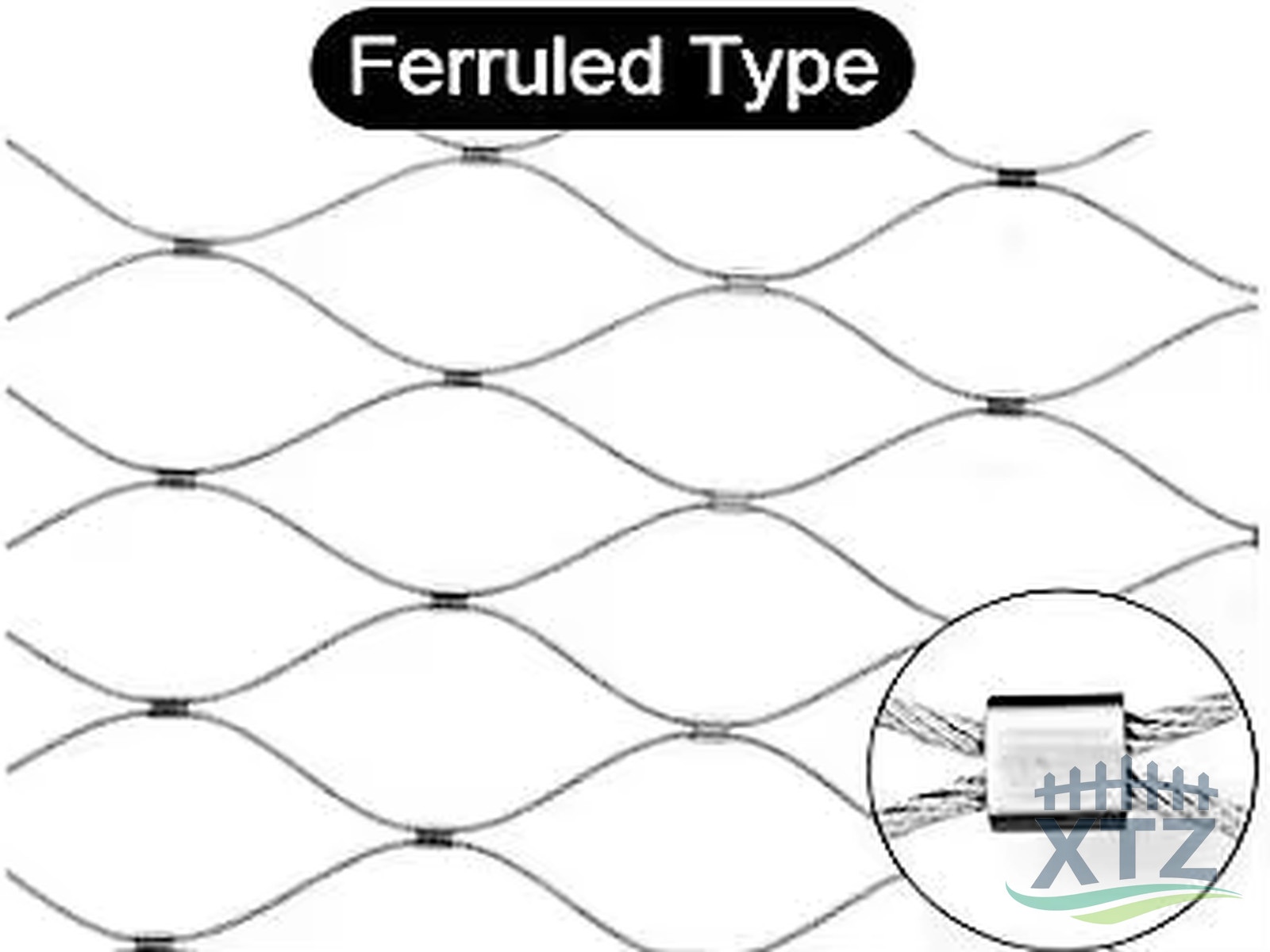
The construction decides how the mesh behaves and how it is made. Ferrule type rope mesh is assembled by crimping a metal sleeve, the ferrule, over the end of each wire rope; the mesh is strong, dimensionally stable and can be cut and re-joined at a joint with a new ferrule. Hand woven rope mesh is interlaced by hand at every crossing, which gives a softer, more flexible panel that follows tight curves. Both constructions are produced by XTZ Fence and both are supplied in the same range of cable diameters and diamond openings.
- Ferrule type: stainless steel sleeve crimped over each wire rope end
- Hand woven: interlaced crossings, flexible panel for curved enclosures
- Cable construction: 7×7 or 7×19 wire rope available to specification
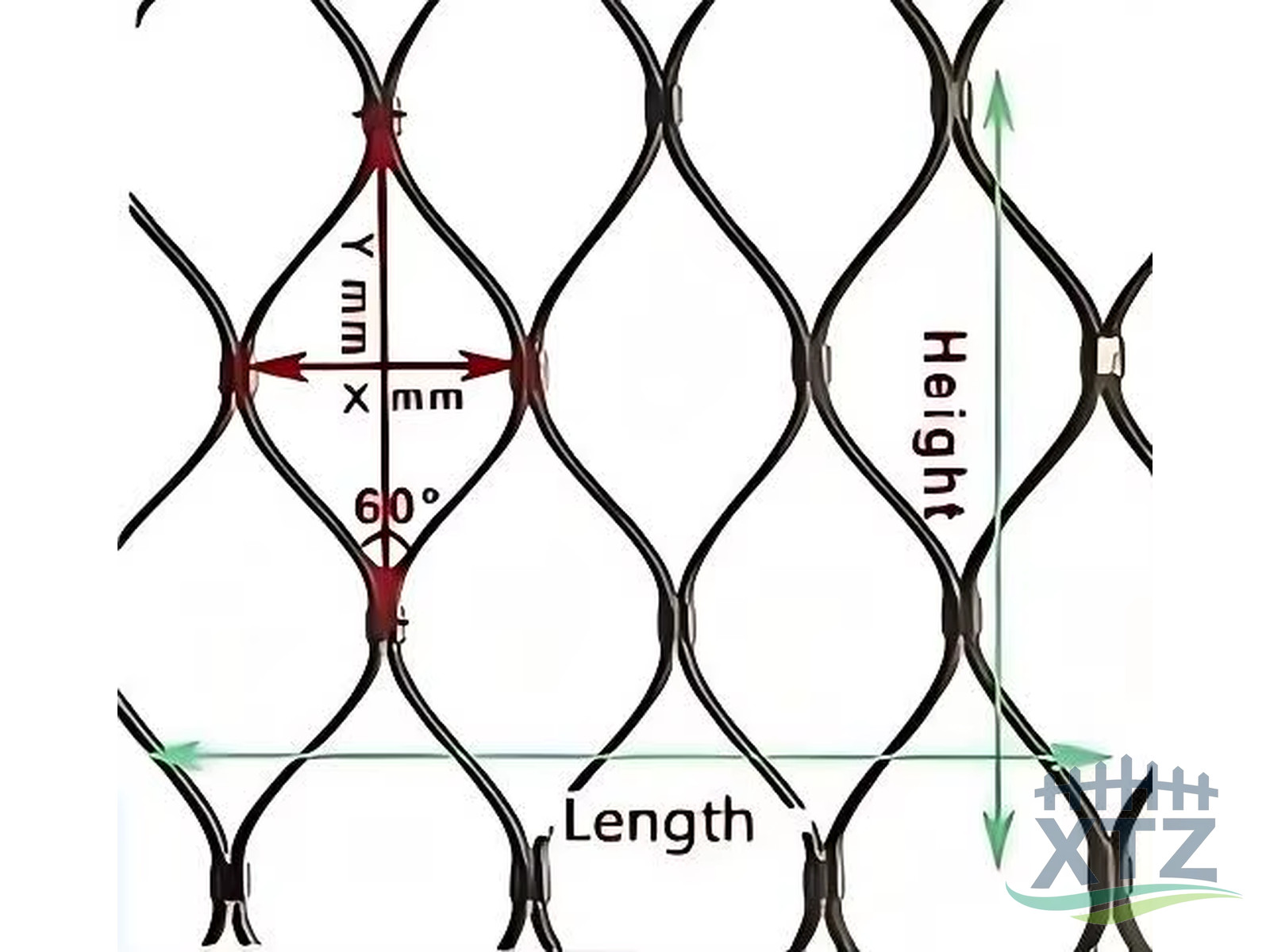
- Mesh shape: Diamond woven openings
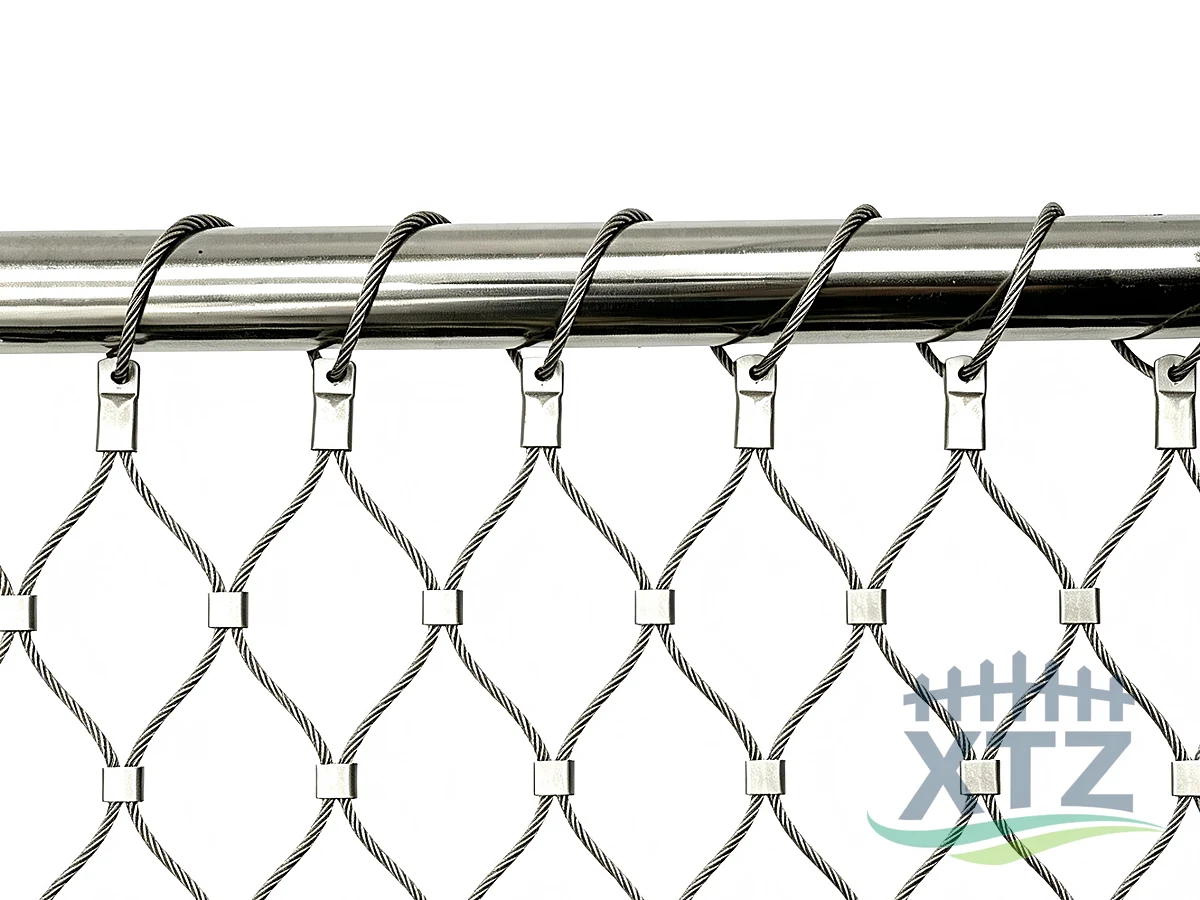
- Edge treatment: Perimeter cable, loose loop or framed edge
- Supply form: By the metre, rolls, cut panels or framed assemblies
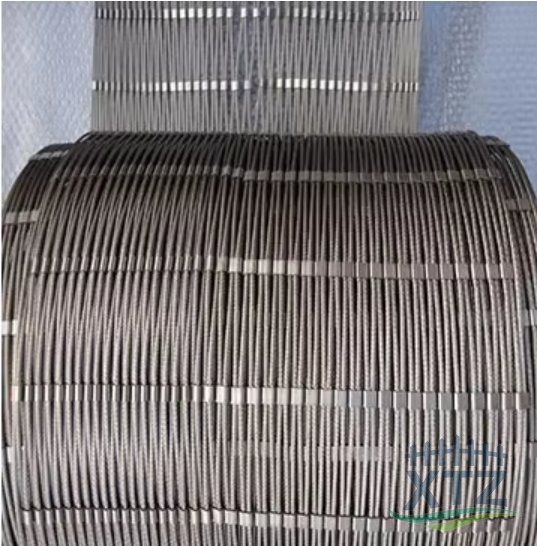
Rope Mesh Rolls in the Workshop
Rope mesh supplied on rolls, ready to be cut to length and tensioned between the posts of an enclosure. The mesh is delivered as material, and the fabricator or installer decides the panel size, the edge treatment and the fixing detail on site.
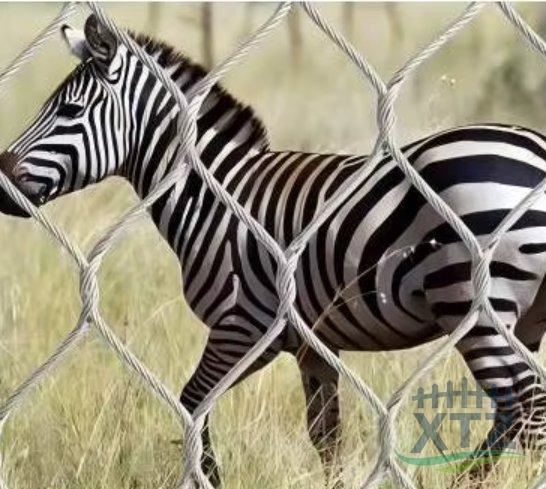
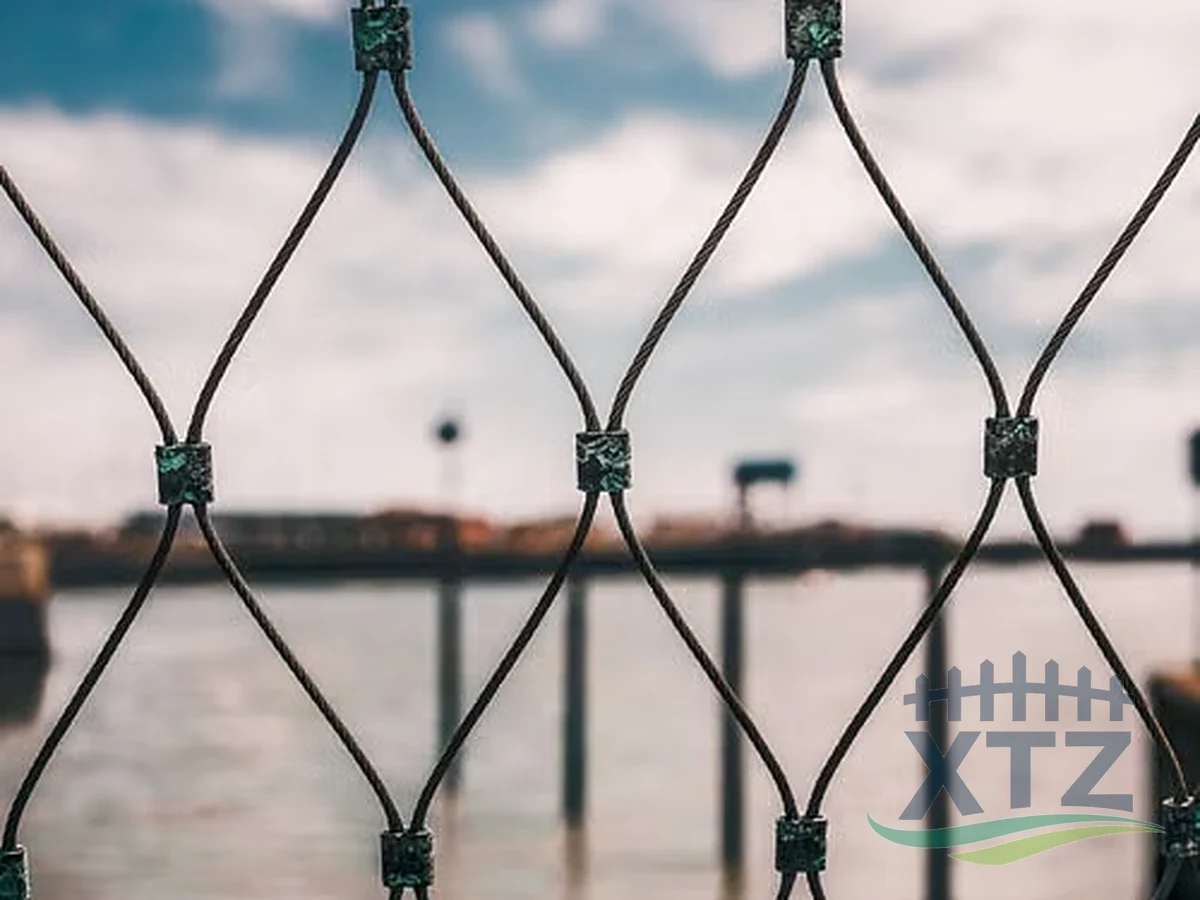
Stainless Steel Cable Mesh in Use
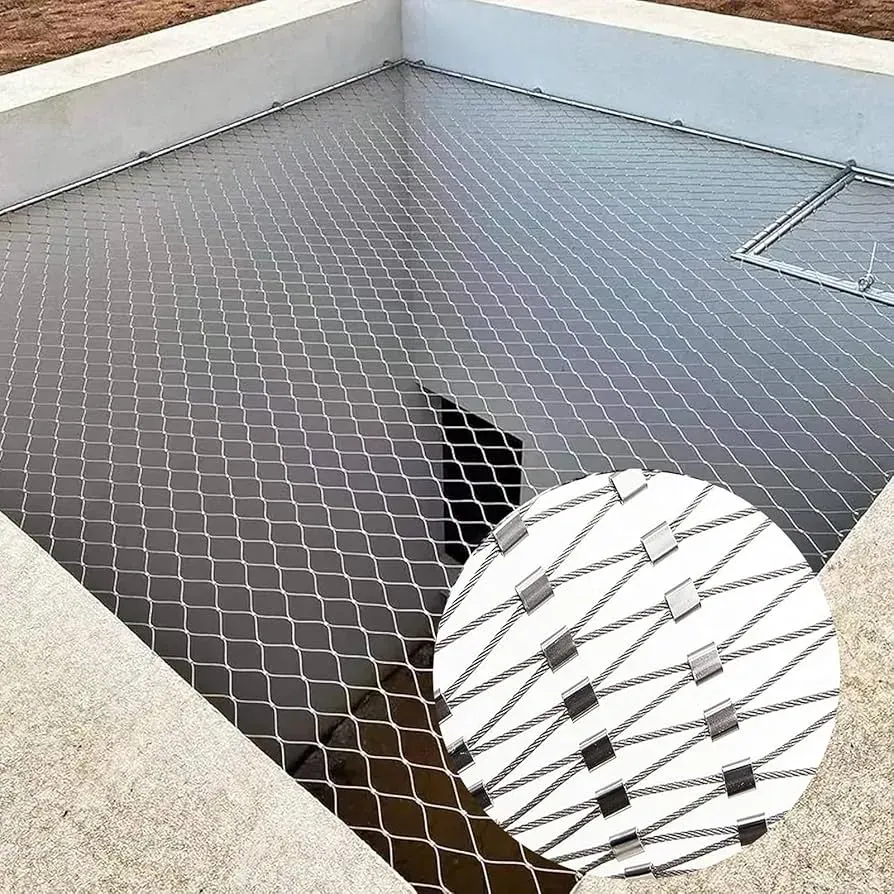
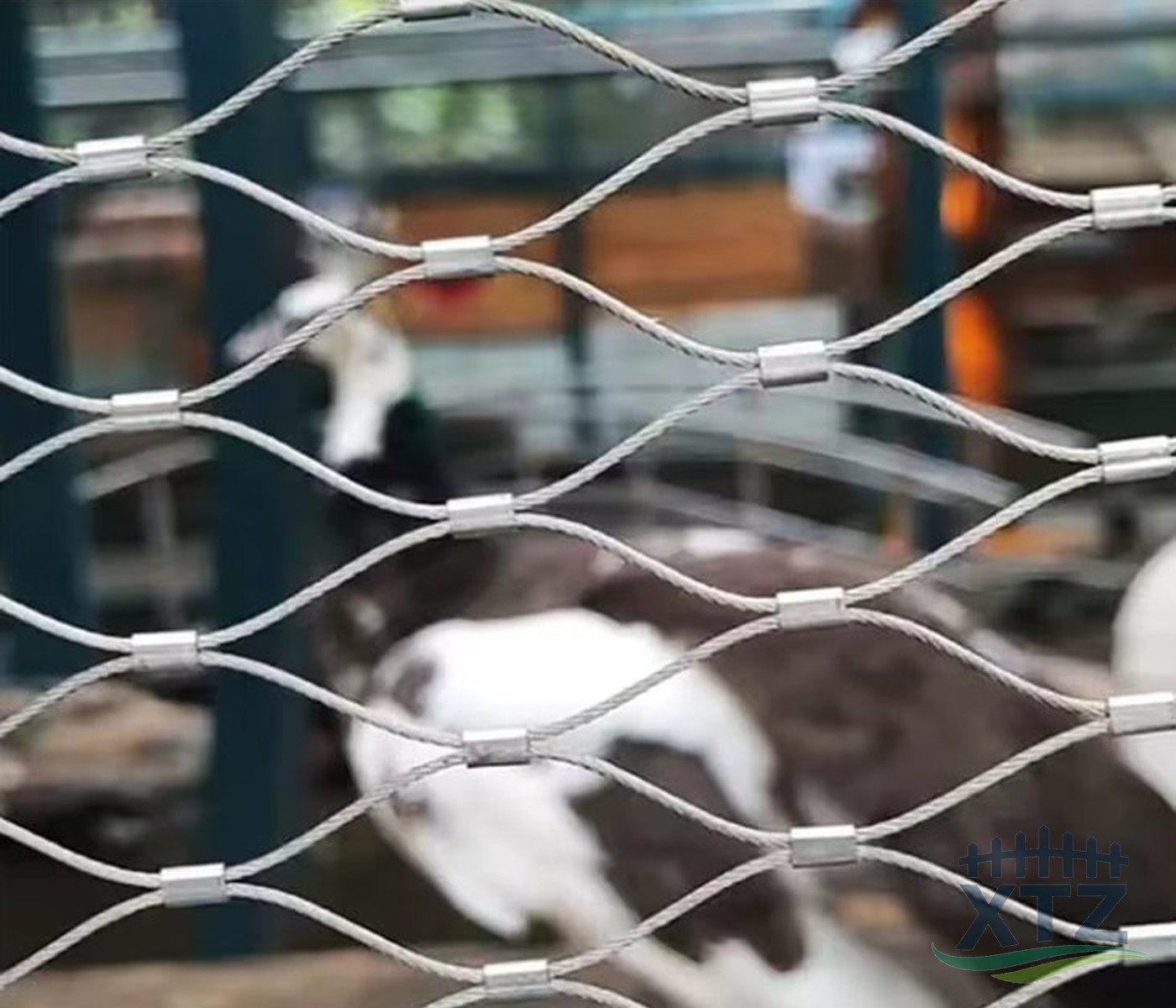
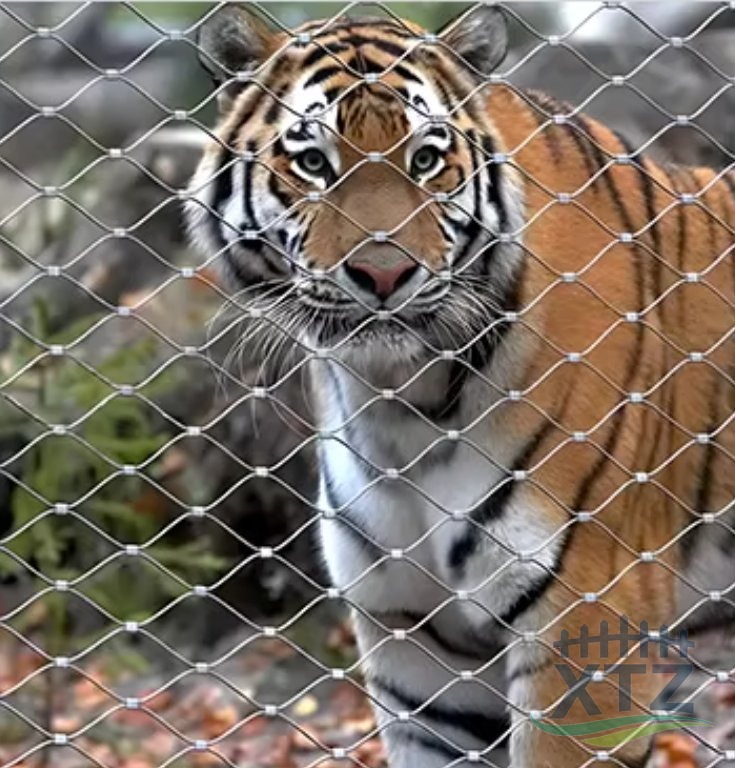
Cable mesh working as an animal enclosure barrier. The open structure keeps sight lines clear and the mesh resists climbing and chewing, which is why it is used for zoo and aviary containment.
Specifications and Customization
Material Grades, Cable Diameter and Mesh Opening
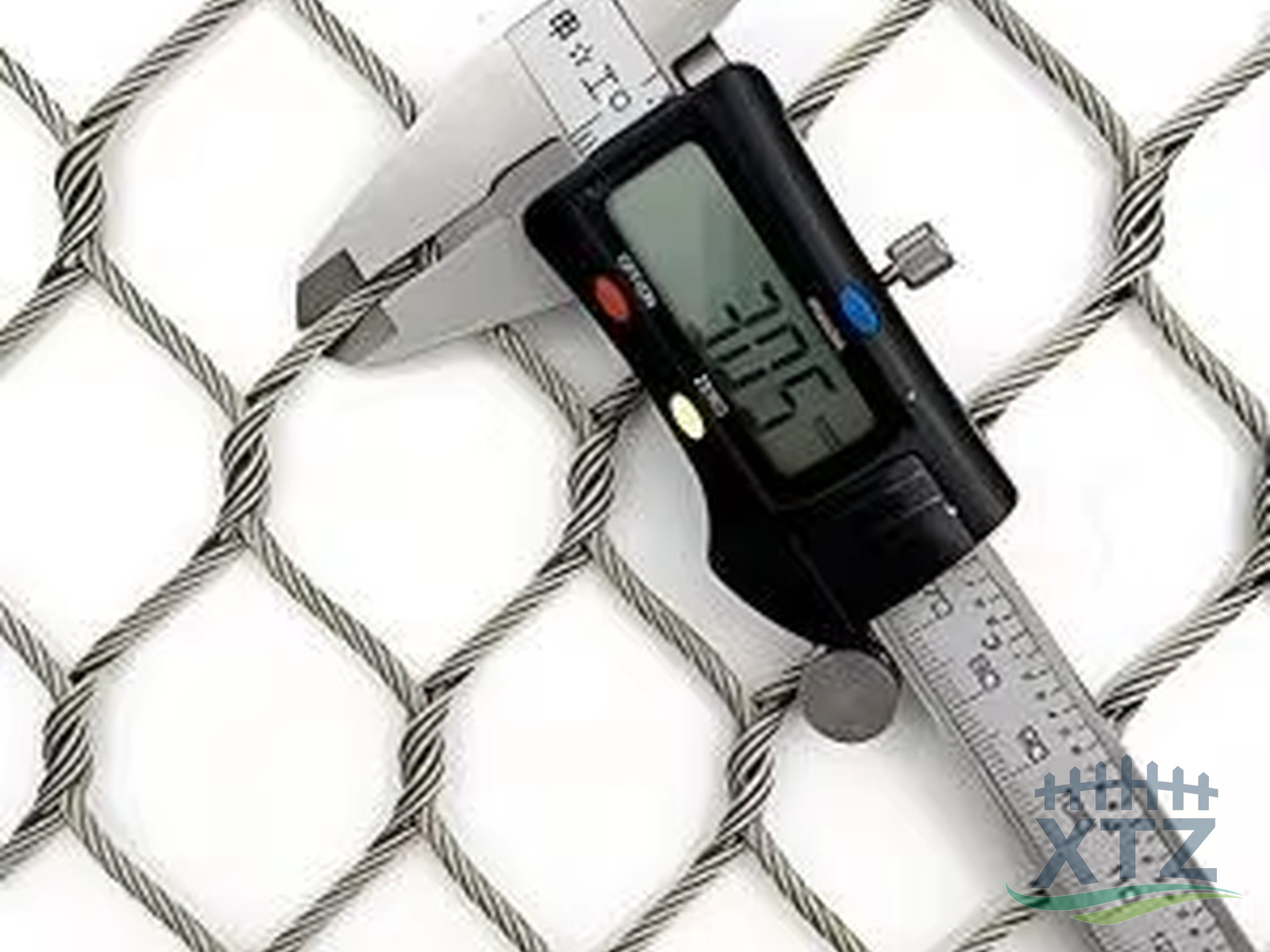
The material grade is chosen against the exposure of the site rather than by default. 304 stainless suits most inland and sheltered installations. 316 and 316L are specified where the mesh stands in coastal, marine or high chloride environments, because the added molybdenum improves pitting resistance. Cable diameter and diamond opening are set against the load and the span: a heavier rope and a wider opening are used where animals push against the barrier, while lighter rope and a tighter opening suit bird containment. The grade, cable diameter and opening are confirmed with the drawings before production.
- Material grade: 304 / 304L / 316 / 316L stainless steel
- Cable diameter: Set per project, confirmed against the design load
- Mesh opening: Diamond opening selected per application
- Mesh width: Available to specification
- Mesh length: Available to specification
- Surface finish: Natural mill finish, or a coloured finish on request
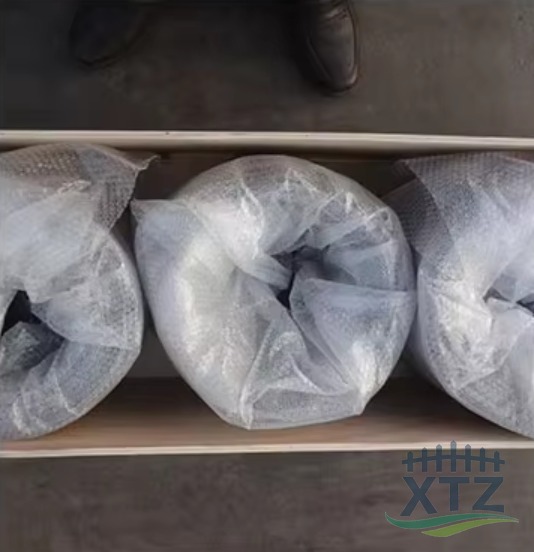
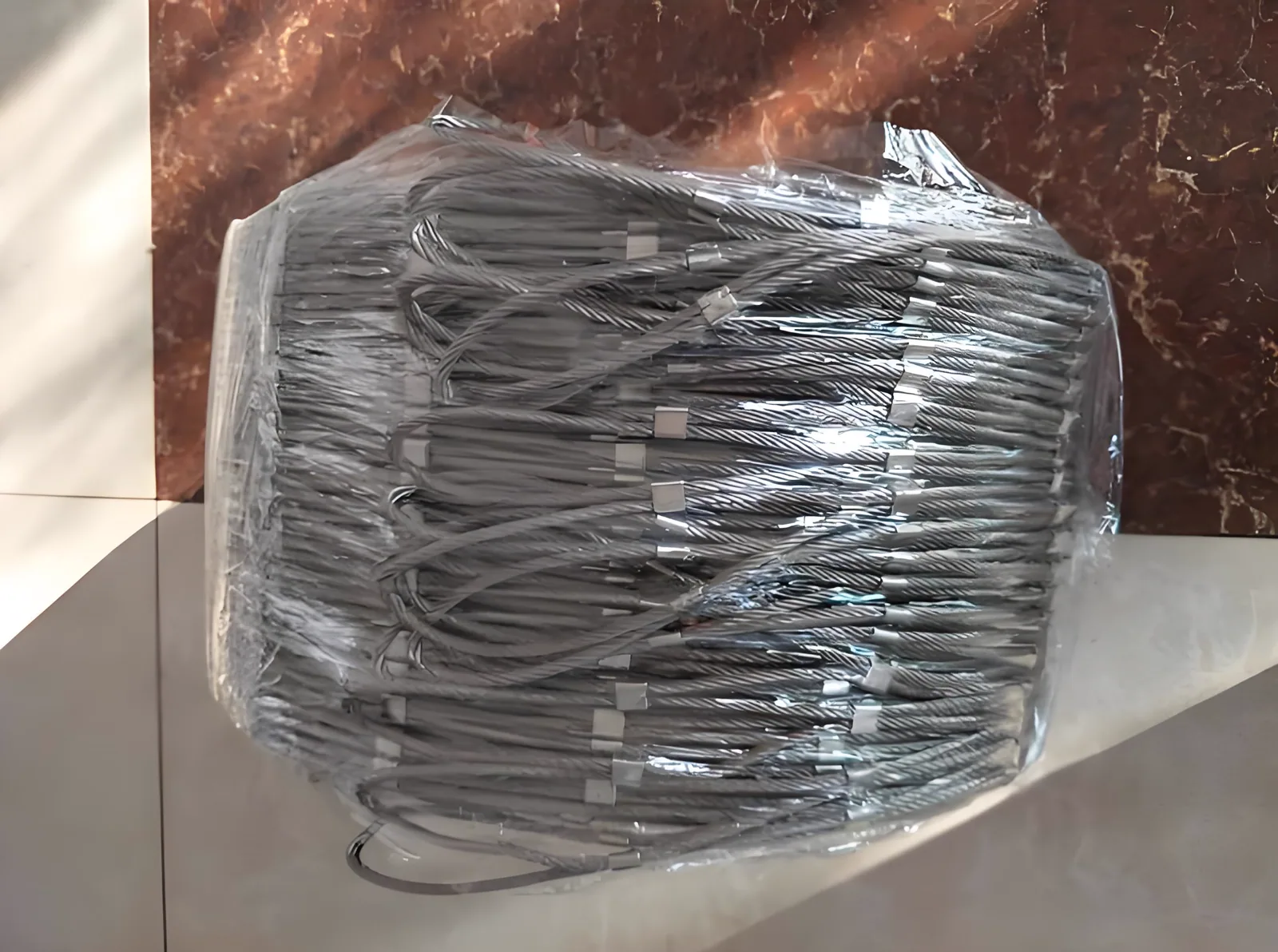
Cable Mesh Rolls Packed for Shipment
Rope mesh rolled and packed for shipment. Because the mesh is supplied as material rather than as a finished panel, the packing format is confirmed together with the panel sizes so the delivery suits the site fabrication sequence.
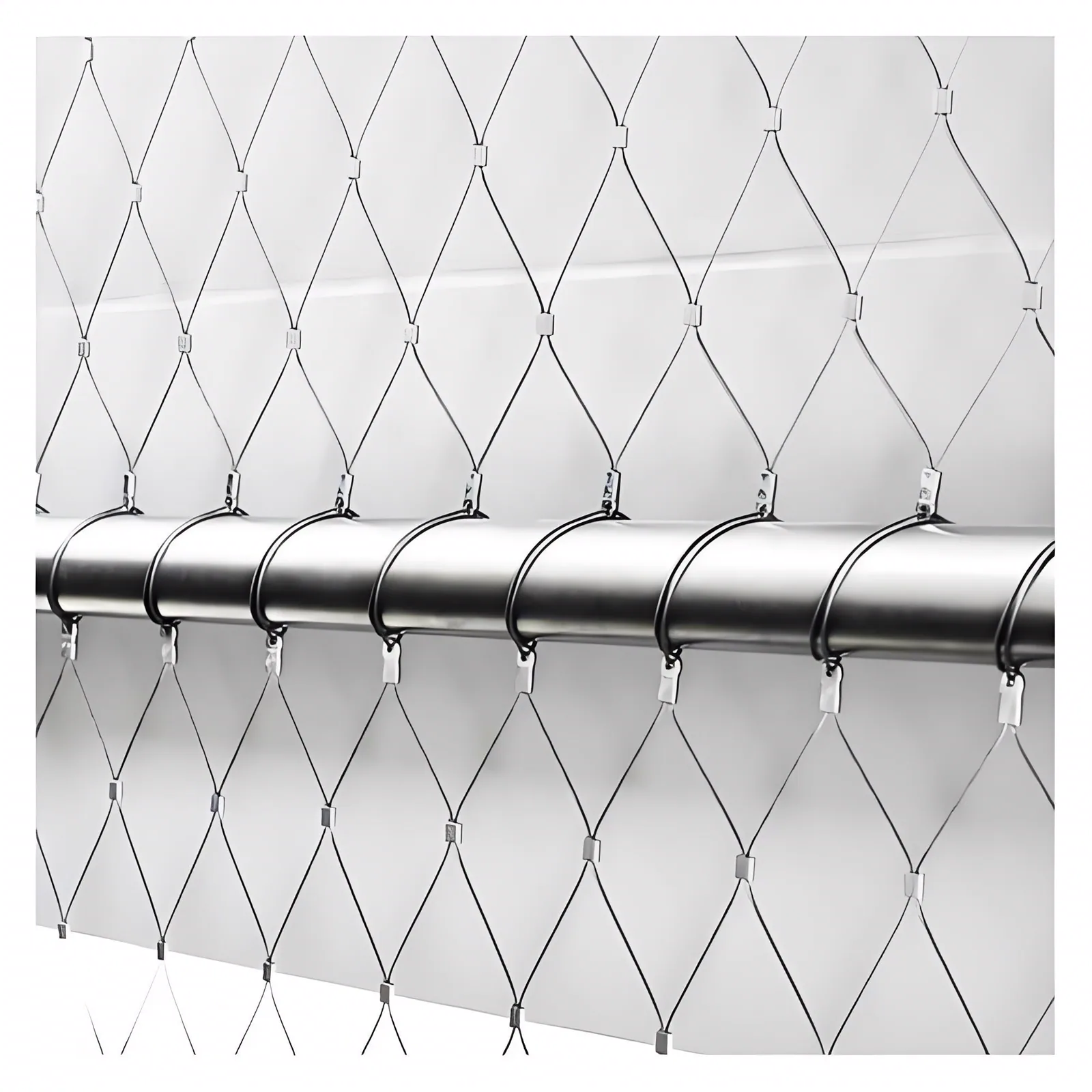
Rope Mesh Enclosure Perimeter
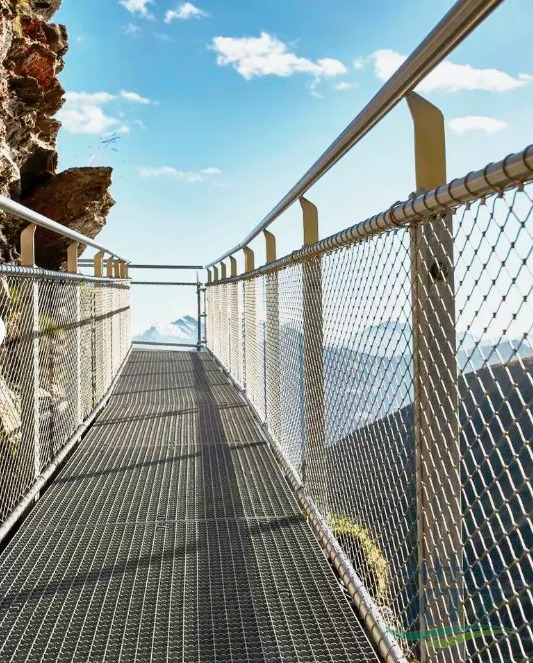
Rope mesh fixed as an enclosure perimeter. The mesh follows the line of the enclosure, and the edge is finished either with a perimeter cable, with a loose loop or as a framed edge that is bolted to the posts.
Applications and Selection
Applications for Rope Mesh
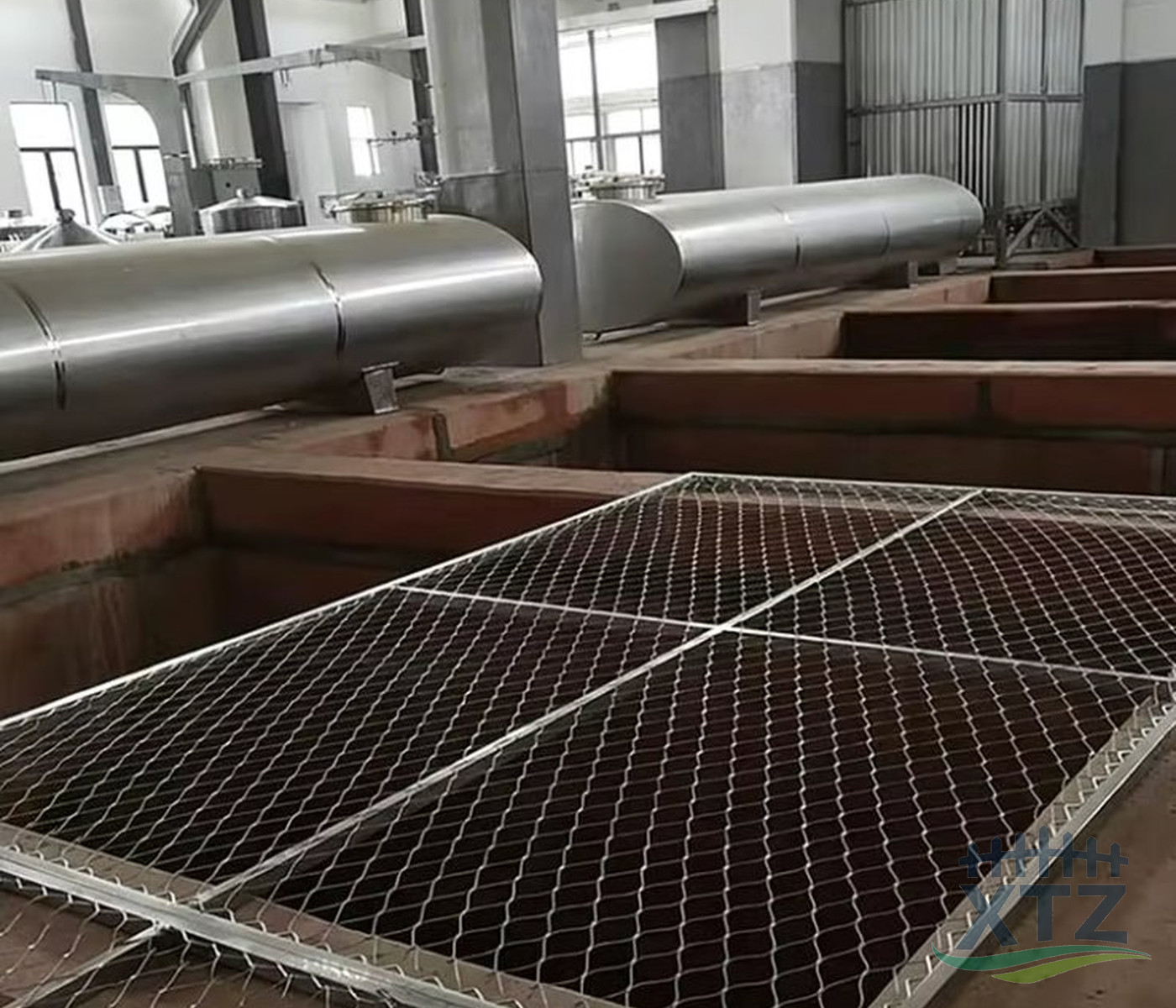
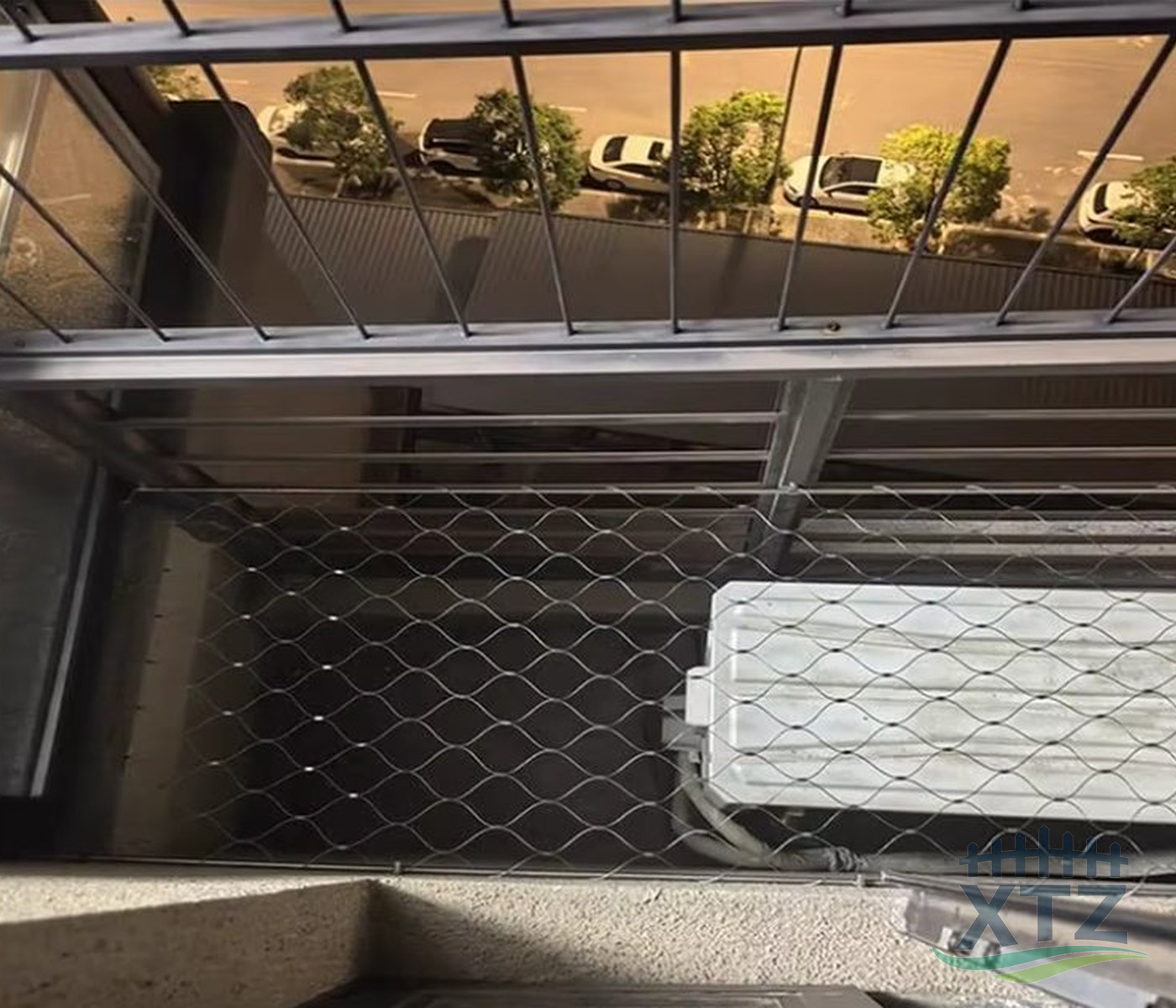
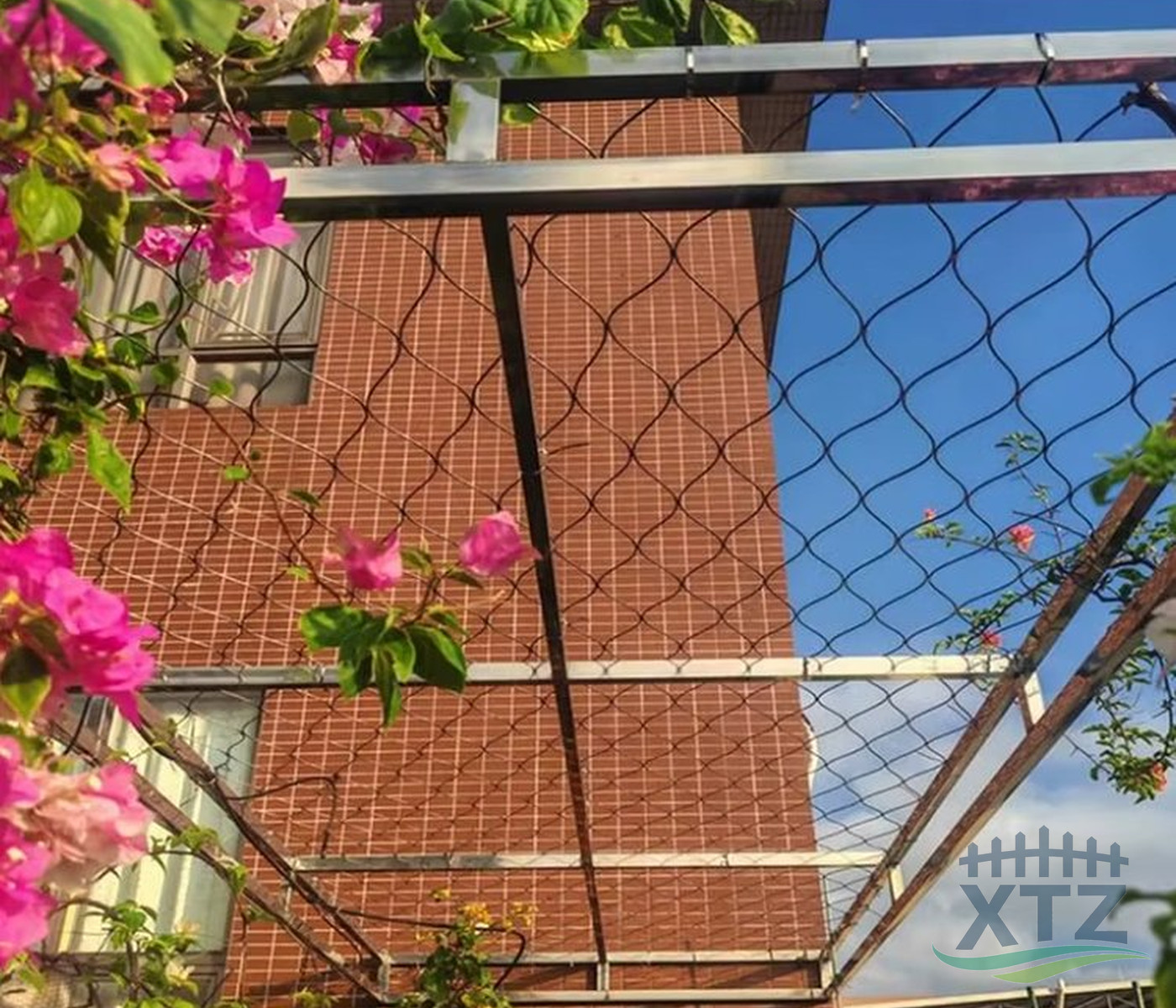
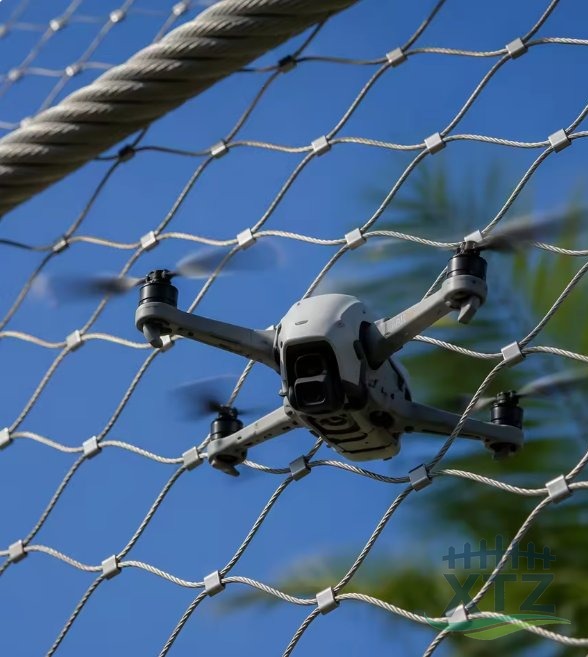
Rope mesh is used wherever a transparent barrier is needed and the line has to follow a shape. Zoo and animal enclosures use it for the climbing resistance and the sight lines. Aviary and bird containment netting uses a lighter rope and a tighter opening. Balustrades and fall protection screens use the structural mesh rather than an infill panel, because it absorbs impact without shattering. Green facades and architectural screens use the same mesh as a woven surface, which is covered on our stainless steel glass railing page for the fixed balustrade alternative. Where a woven wire mesh rather than a rope mesh is required for the same kind of infill, our stainless steel welded wire mesh covers the welded grid form.
Cable Diameter and Opening Selection
The selection point for any rope mesh order is the combination of cable diameter and diamond opening that carries the load with the opening the application needs. Both are confirmed against the project drawings, together with the grade and the edge detail.
Choosing 304 or 316 Rope Mesh
304 stainless rope mesh suits most inland installations. 316 or 316L is recommended for coastal, marine and high chloride environments, where the added molybdenum improves pitting resistance in the presence of salt.
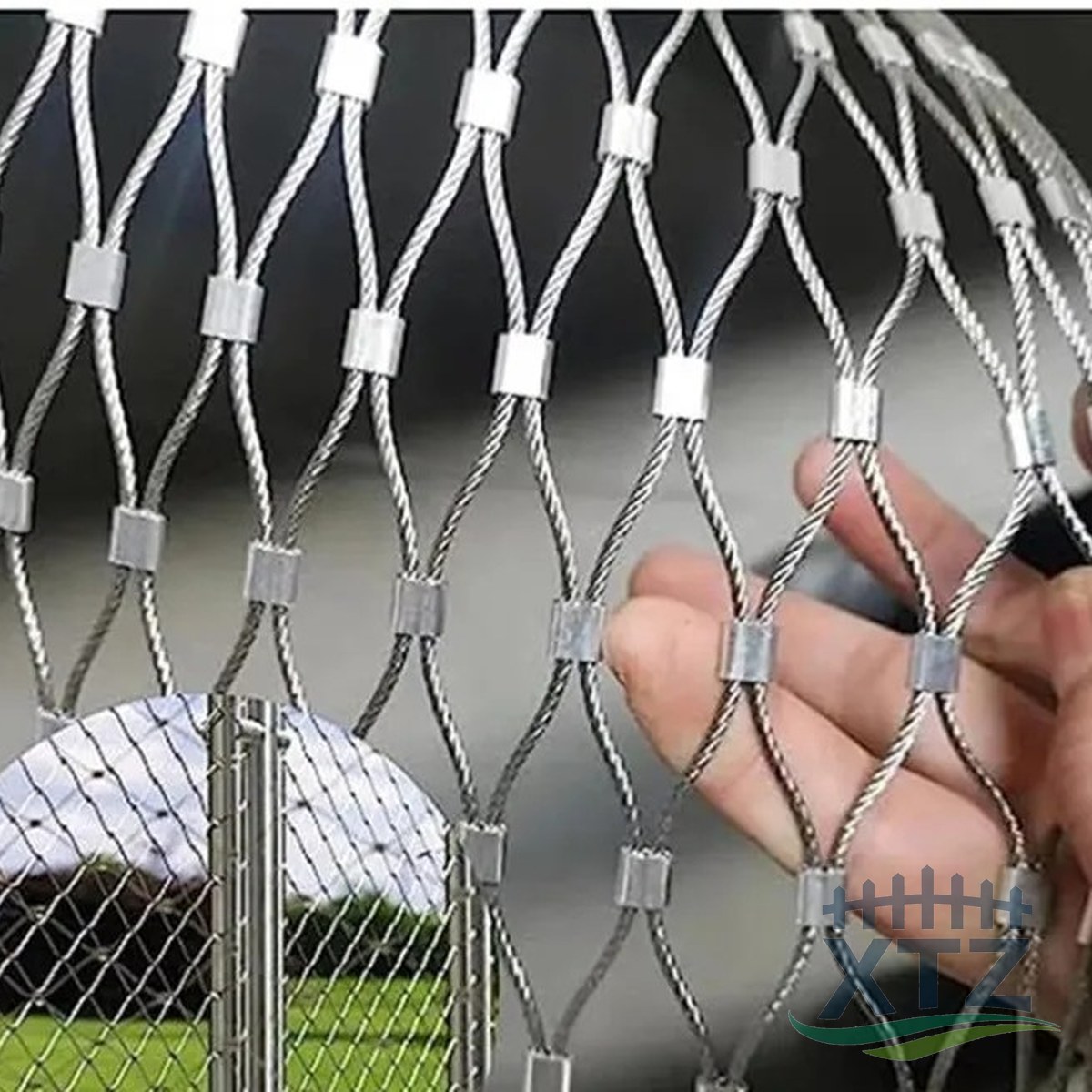
Mesh Weave and Fixing Detail
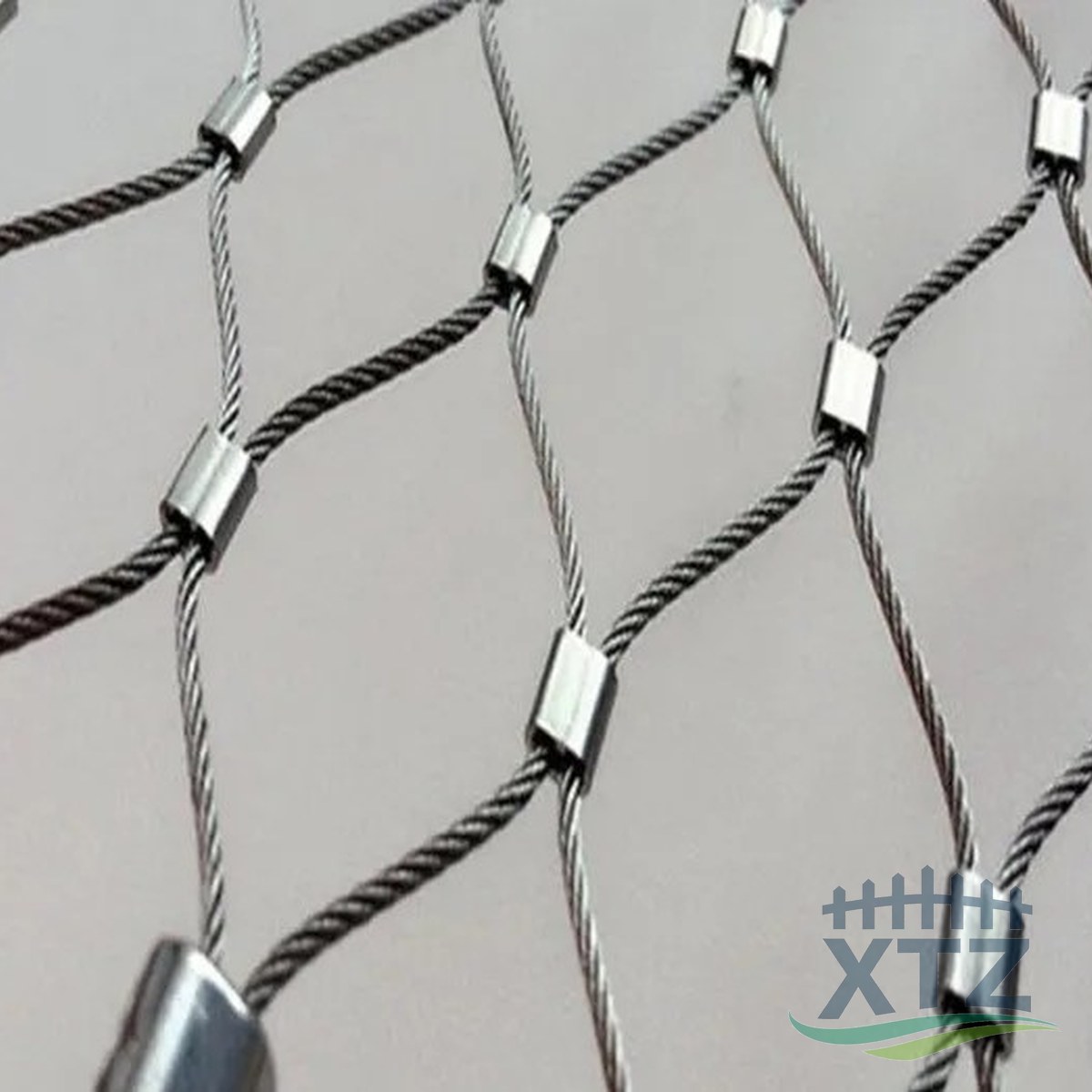
A close view of the mesh construction and the way the wire ropes are joined at the crossings. In ferrule type mesh the sleeve over each rope end is the joint; in hand woven mesh the interlacing carries the load. The detail decides whether the mesh can be cut and re-tensioned on site.
Supply Form and Project Quotation
Rope mesh can be supplied by the metre, in rolls, as cut panels or as framed assemblies, and the choice is confirmed with the project drawings. Send the drawings, the required opening and cable diameter, the grade, the quantity and the destination to receive a project-specific quotation. For further technical reading, see 316 Stainless Steel Cable Mesh, 304 vs 316 Stainless Steel Cable Mesh and Stainless Steel Rope Mesh Guide.
Frequently Asked Questions
Q: What is stainless steel rope mesh?
A: Stainless steel rope mesh, also known as cable mesh or wire rope netting, is a woven wire mesh made from stainless steel wire rope. It is supplied as the open infill used in safety barriers, animal enclosures, balustrades and green facades, and it is flexible enough to follow the shape of an enclosure while carrying tension.
Q: What is the difference between ferrule type and hand woven rope mesh?
A: Ferrule type rope mesh is assembled by crimping a metal sleeve over the end of each wire rope, which makes the mesh dimensionally stable and allows it to be cut and re-joined at a joint with a new ferrule. Hand woven rope mesh is interlaced at every crossing, which gives a softer, more flexible panel that follows tight curves. Both are manufactured by XTZ Fence.
Q: Which grade should I choose, 304 or 316 stainless steel?
A: 304 stainless suits most inland and sheltered installations. 316 and 316L are specified where the mesh stands in coastal, marine or high chloride environments, because the added molybdenum improves pitting resistance. The grade is confirmed with the project drawings before production.
Q: How do I choose the cable diameter and mesh opening?
A: The two are chosen together. A heavier cable with a wider opening is used where animals push against the barrier, while a lighter cable with a tighter opening suits bird containment. Both are confirmed against the drawings together with the grade, the edge treatment and the supply form.
Q: Can XTZ Fence supply rope mesh as panels or as a complete fence system?
A: Yes. The mesh is supplied by the metre, in rolls, as cut panels or as framed assemblies, and the same mesh can be delivered framed into complete fence panels with the posts and fixings matched to the panel.
Request a Custom Quotation
Request a Custom Quotation – send the drawings, the required cable diameter and diamond opening, the material grade, the edge treatment, the supply form, the quantity and the destination, and XTZ Fence will confirm the specification for your project.