
Stainless Steel Chain Link Mesh
Stainless steel chain link mesh supplied as complete fence runs with posts, gates and fittings.
- Family
- Stainless Steel Chain Link Mesh
- Supply form
- Panels or rolls with posts, fittings and gates
- Typical use
- Commercial sites, Infrastructure, Residential boundaries
Stainless Steel Chain Link Mesh
Filmed on the XTZ factory floor - the production process behind every Stainless Steel Chain Link Mesh: raw stainless steel coil, precision cutting and forming, weaving and welding, frame assembly, surface finishing and final quality inspection before packing.
What to confirm.
Define this item from drawings, operating conditions and the required installation method.
Define this item from drawings, operating conditions and the required installation method.
Define this item from drawings, operating conditions and the required installation method.
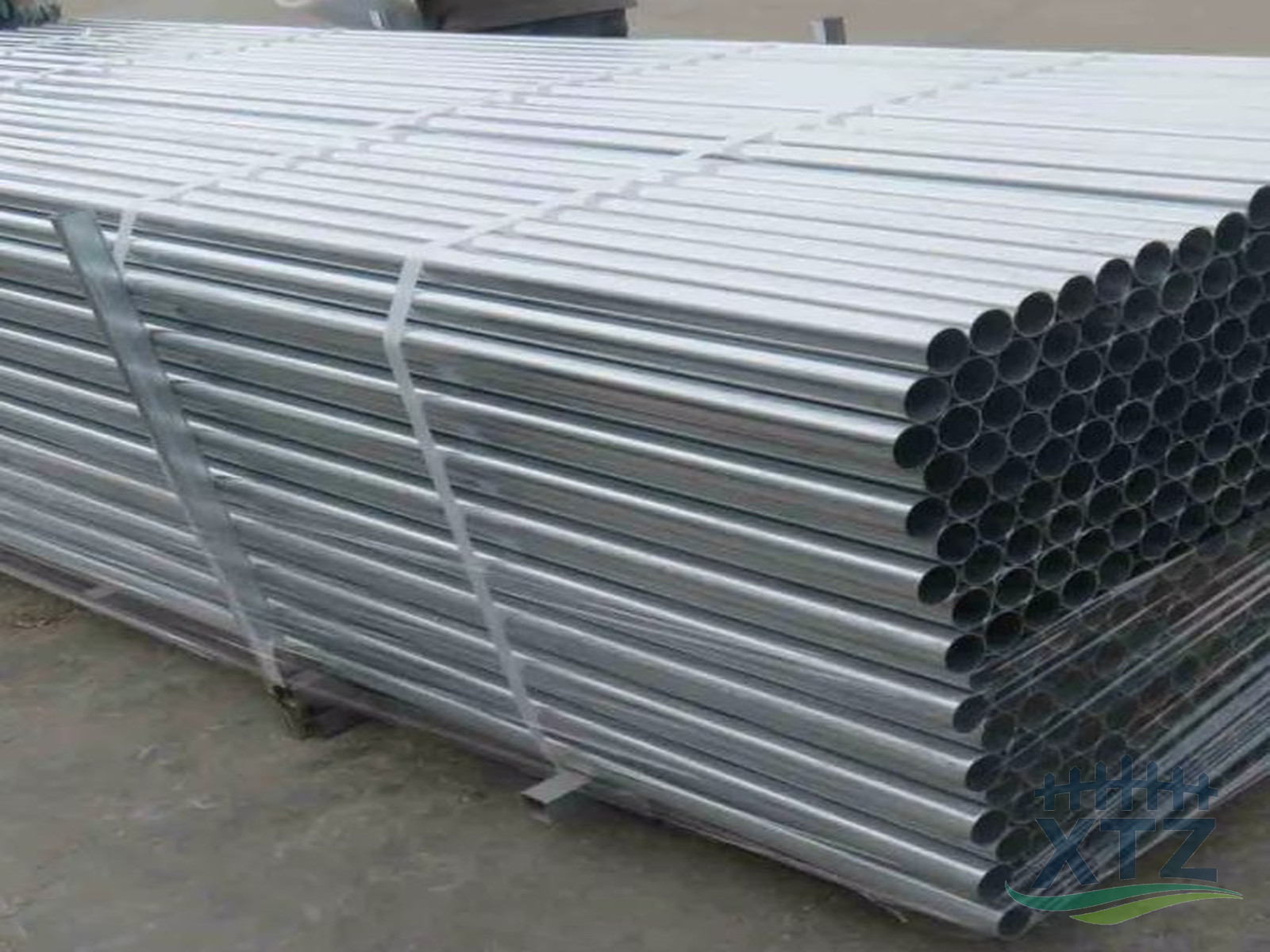
Define this item from drawings, operating conditions and the required installation method.
Family-level checks
- Site security level and visibility
- Panel height, width and wire layout
- Post spacing and foundation condition
- Coating system, gates and accessories
Typical applications.
Related products.
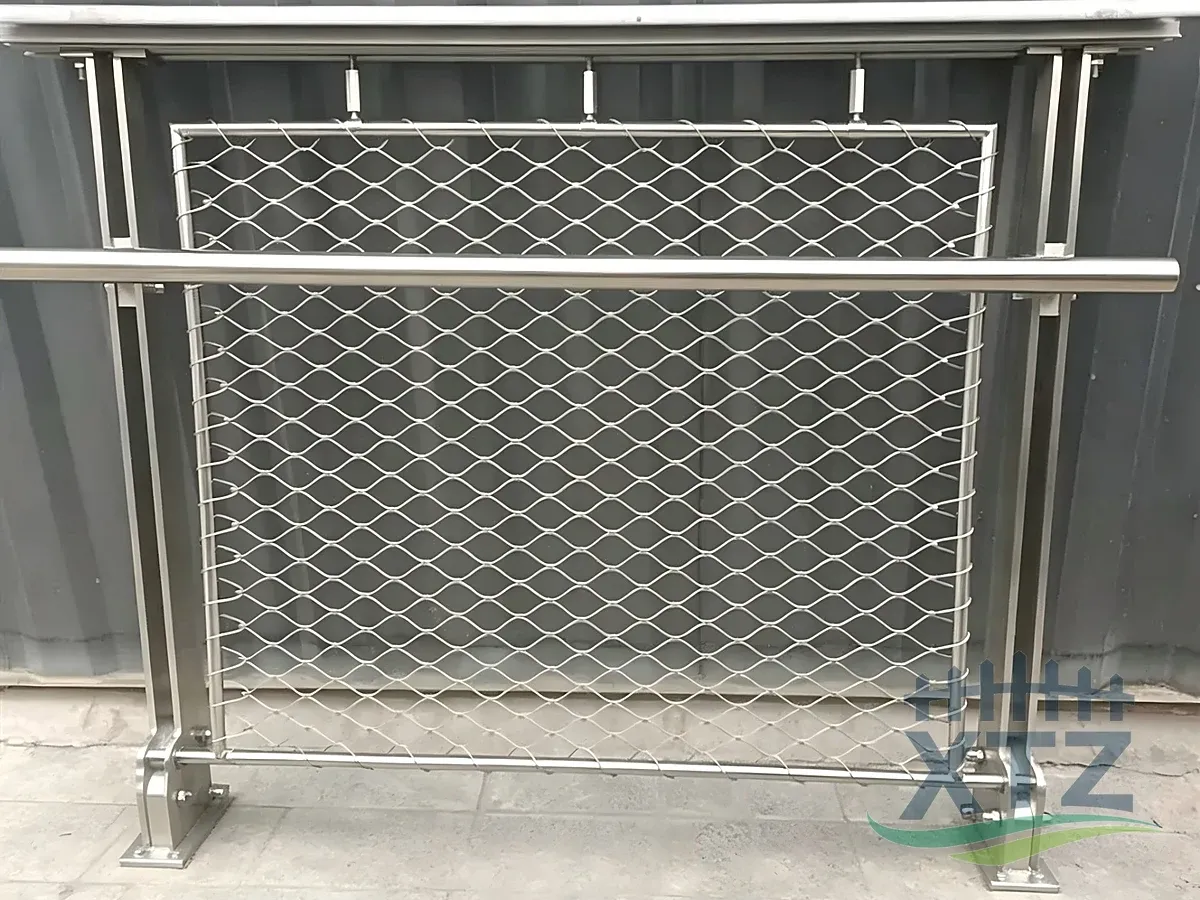 Stainless Steel Rope Mesh FenceFlexible stainless steel rope mesh assembled into framed fence panels for perimeter and fall-protection barriers.
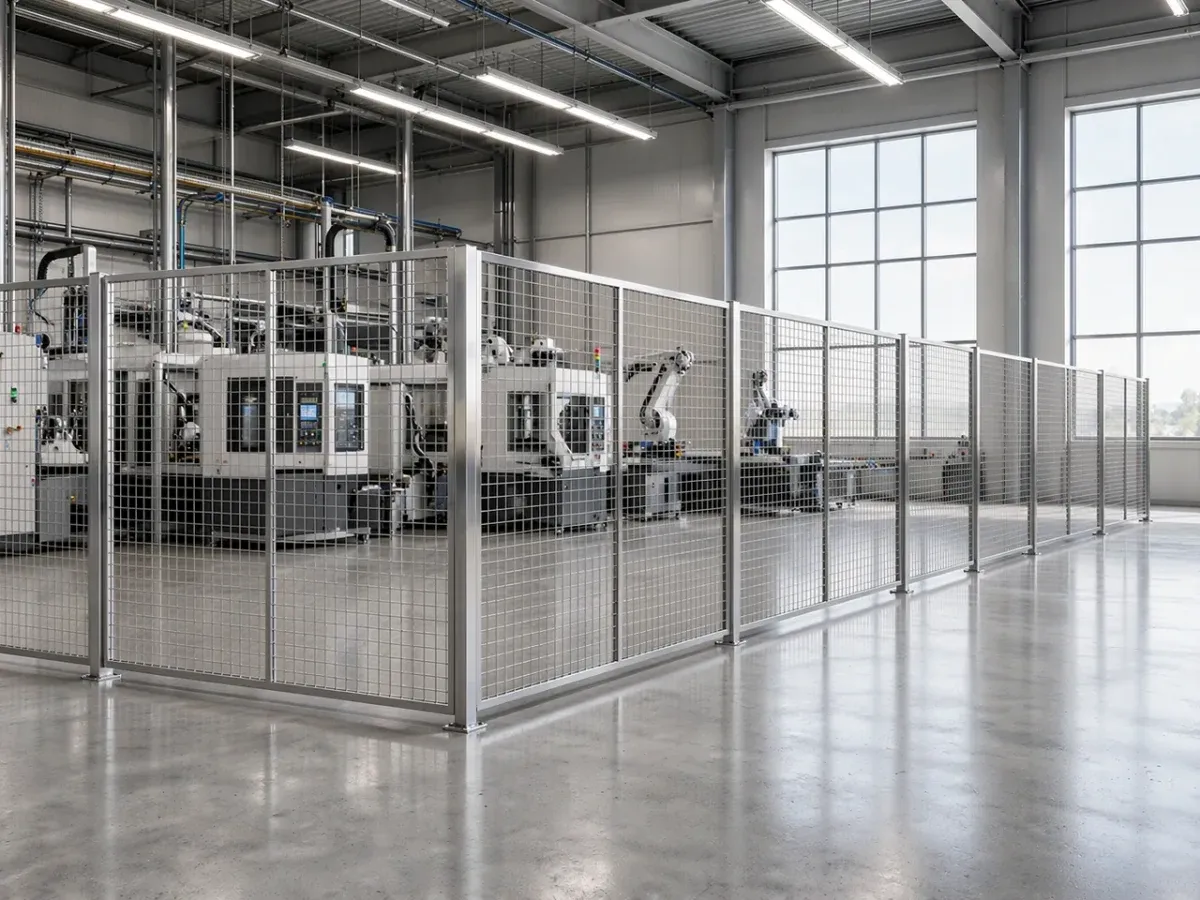
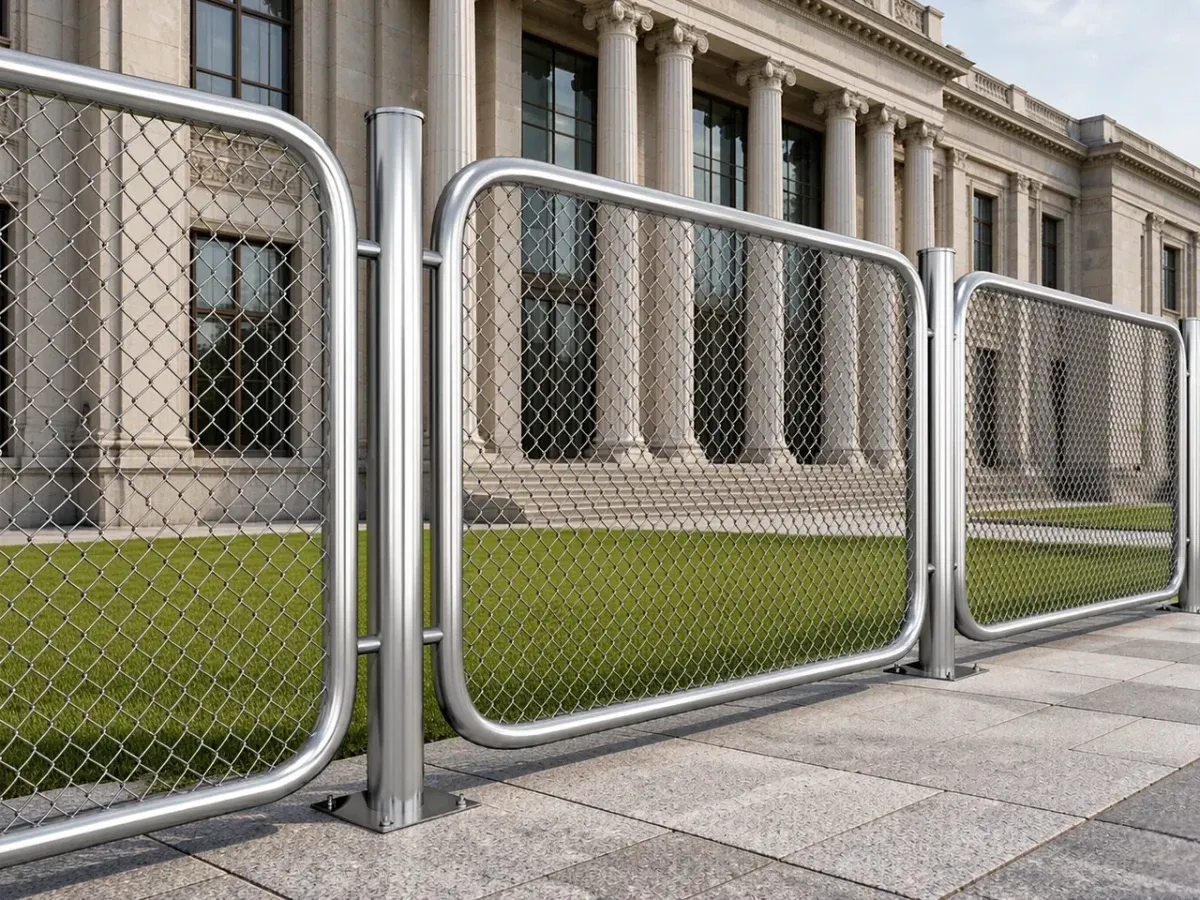
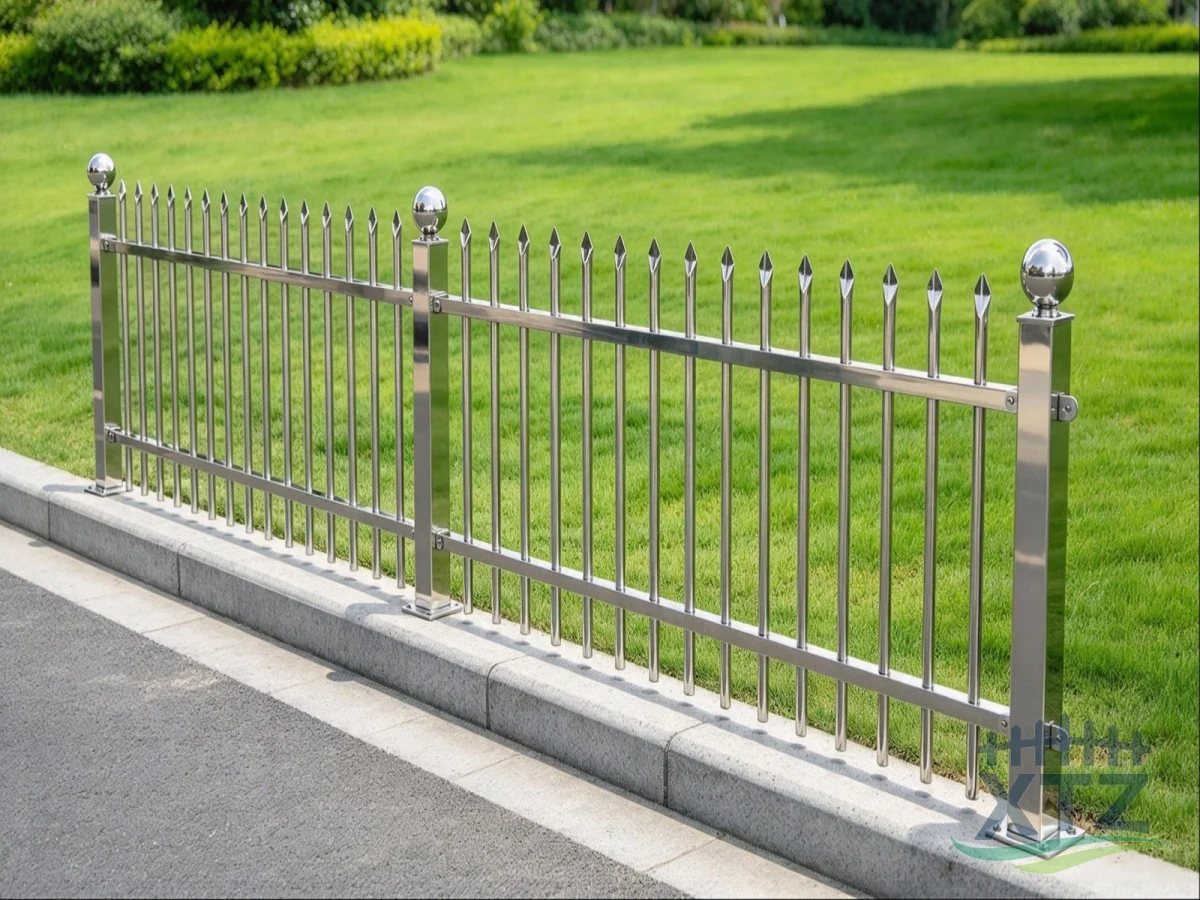 Stainless Steel Security FenceReinforced stainless steel fence systems engineered for high-security perimeter protection.
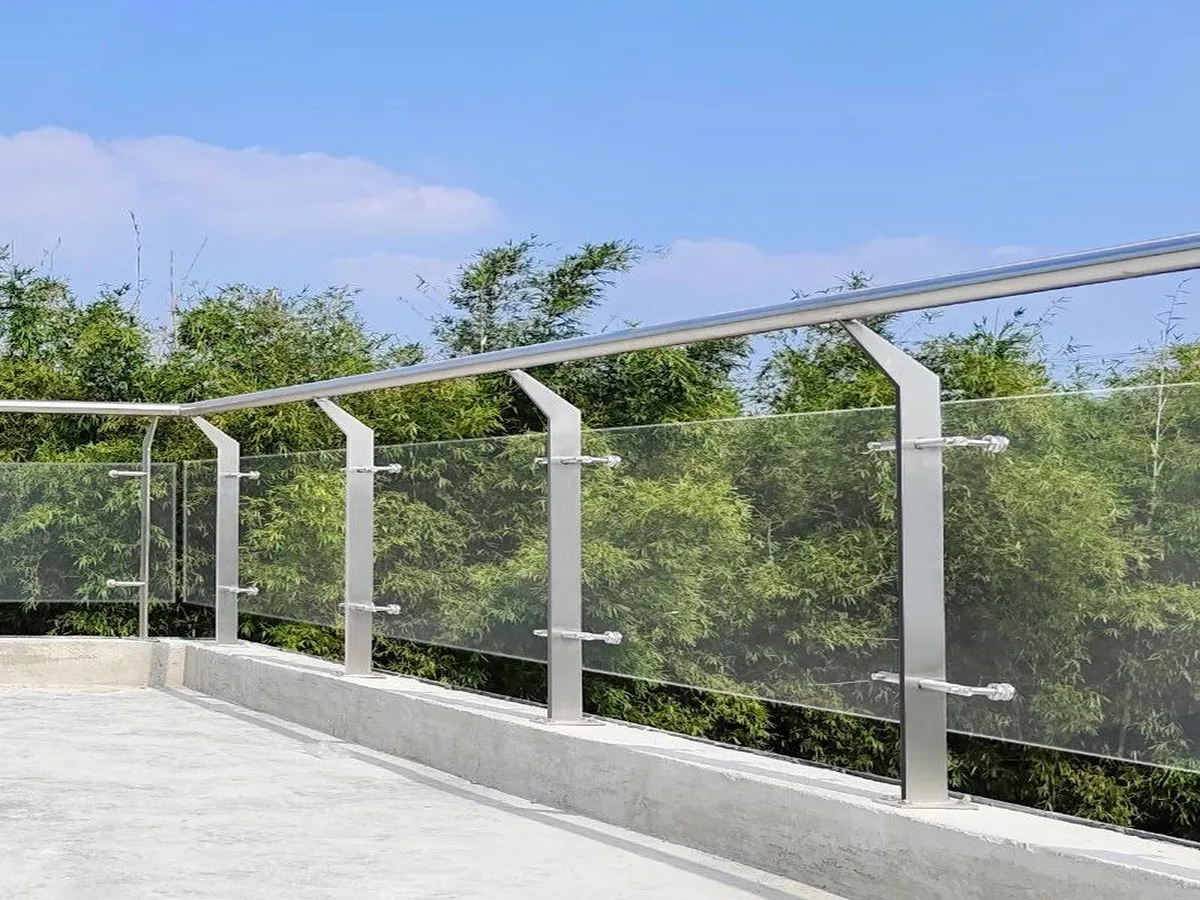 Stainless Steel Glass RailingStainless steel railing systems that secure glass panels for balconies, staircases, terraces and pool fencing.
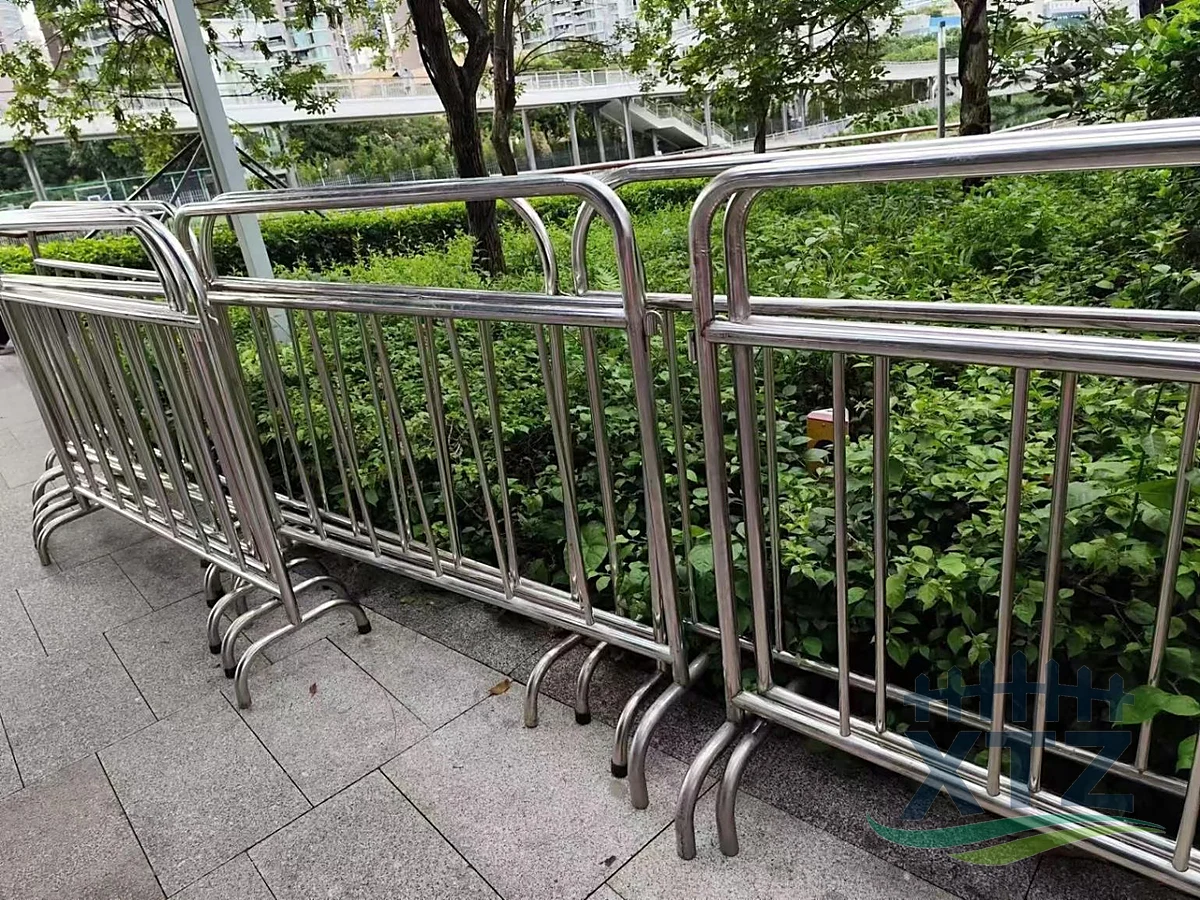 Stainless Steel Crowd Control BarrierPortable stainless steel barriers with interlocking hooks for rapid queue and crowd management.
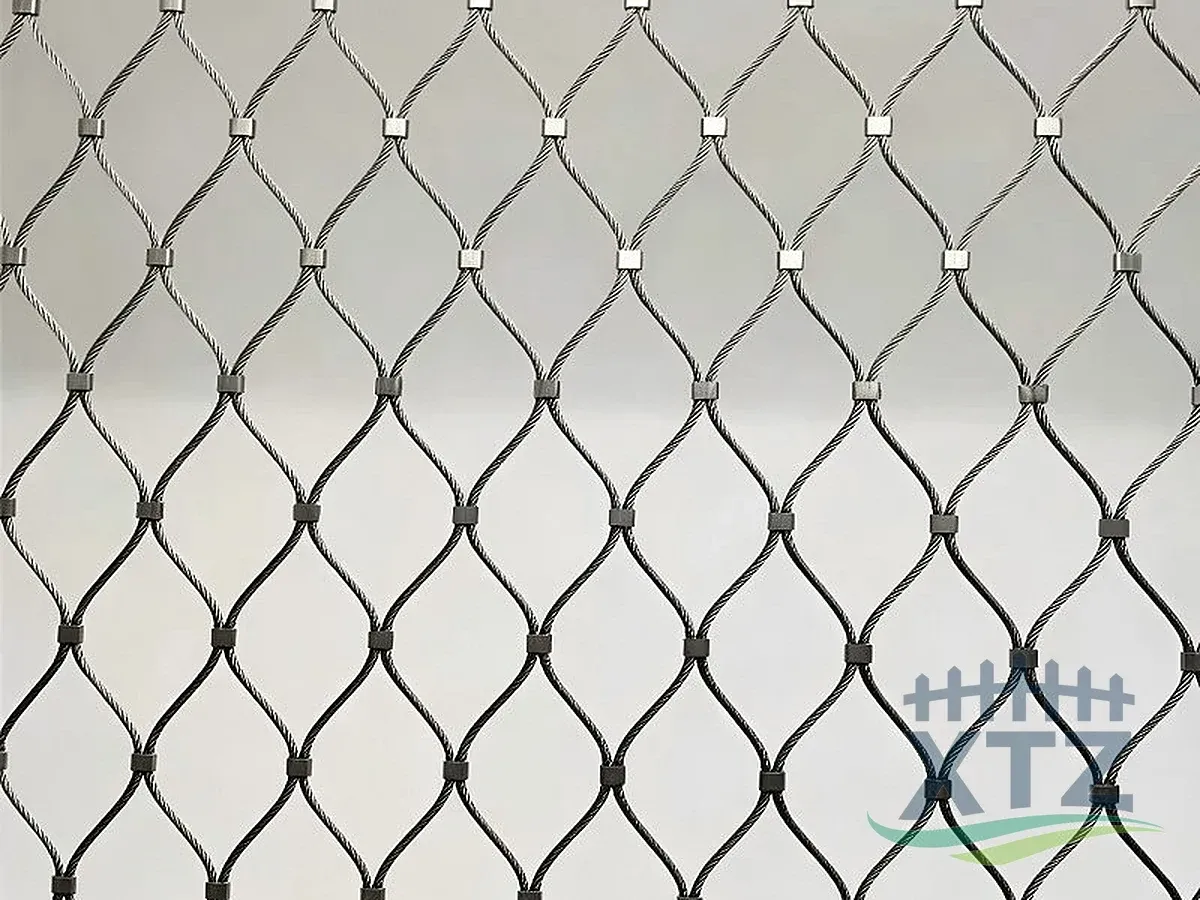 Stainless Steel Rope MeshFlexible rope mesh systems for transparent safety barriers, enclosures and architectural applications.
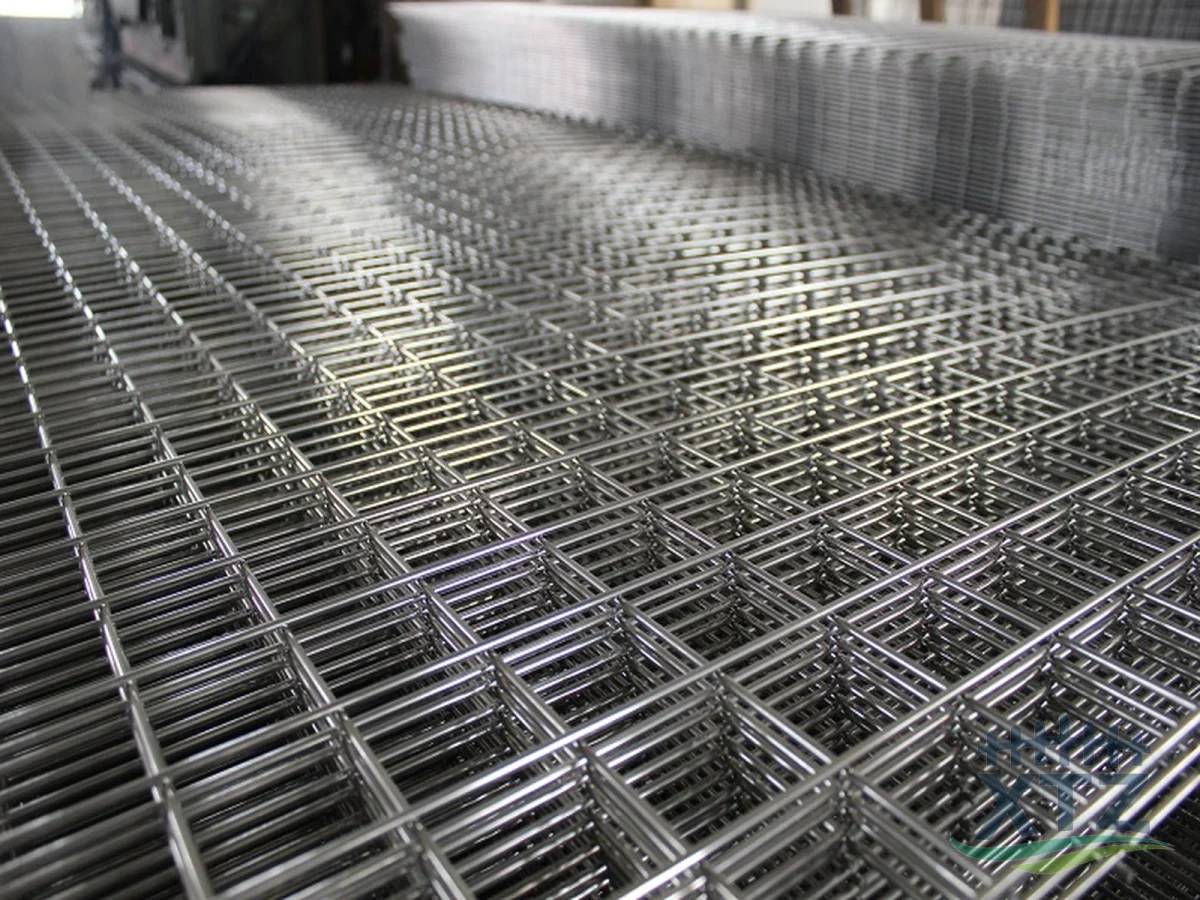 Stainless Steel Mesh PanelWelded or pressure-locked bar grating creates ventilated walking and service surfaces with coordinated support direction.
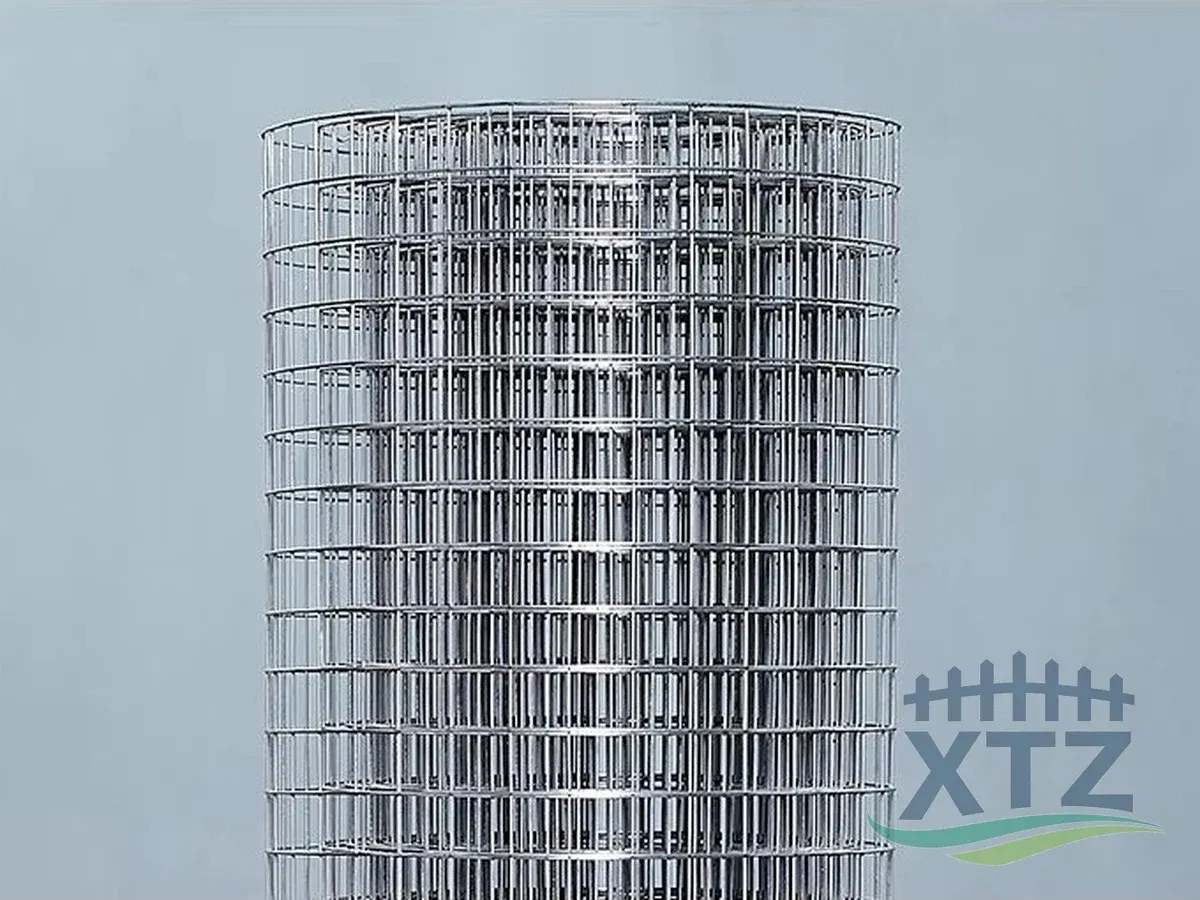 Stainless Steel Welded Wire MeshWoven and welded stainless meshes for screening, filtration, guarding and precise industrial separation.
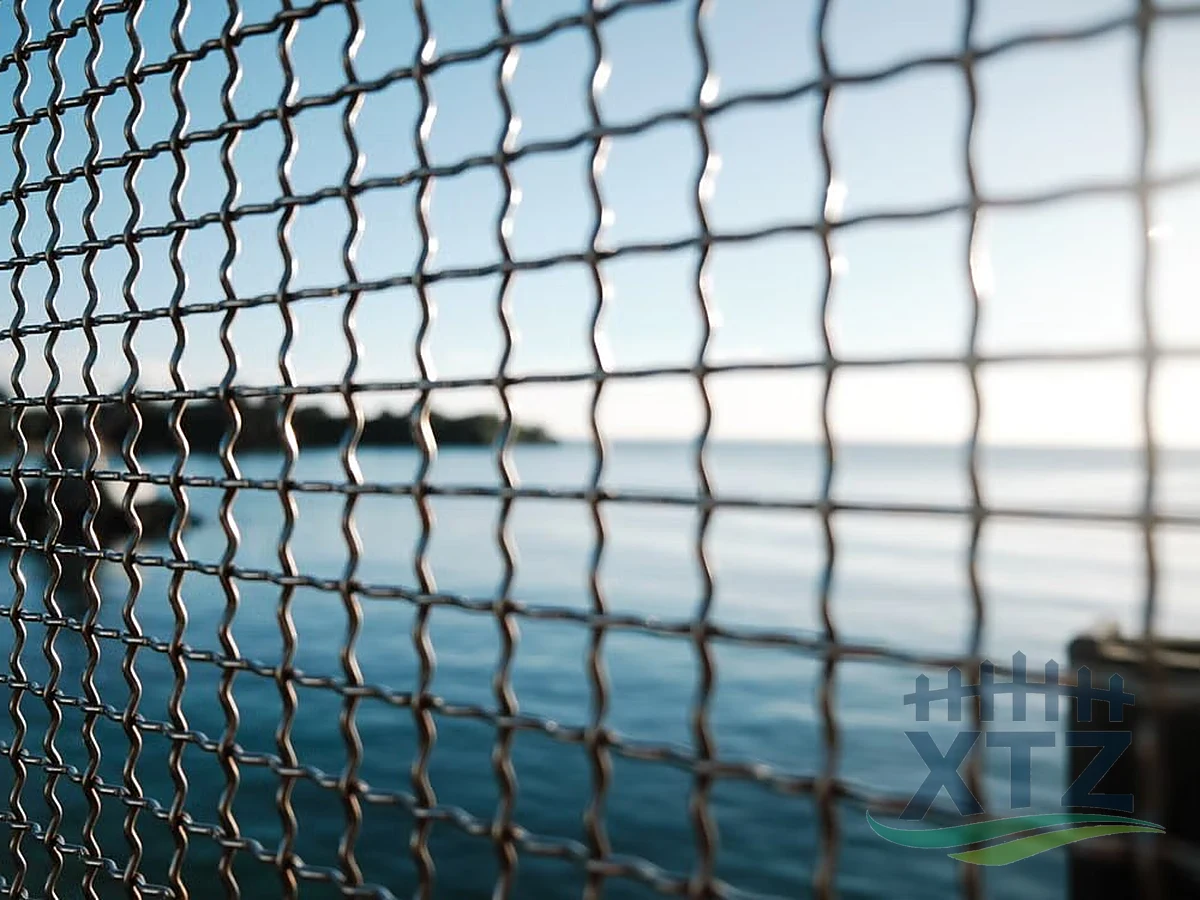 Stainless Steel Crimped Wire MeshCrimped woven mesh with uniform openings and locked intersections for screening, guarding and filtering.
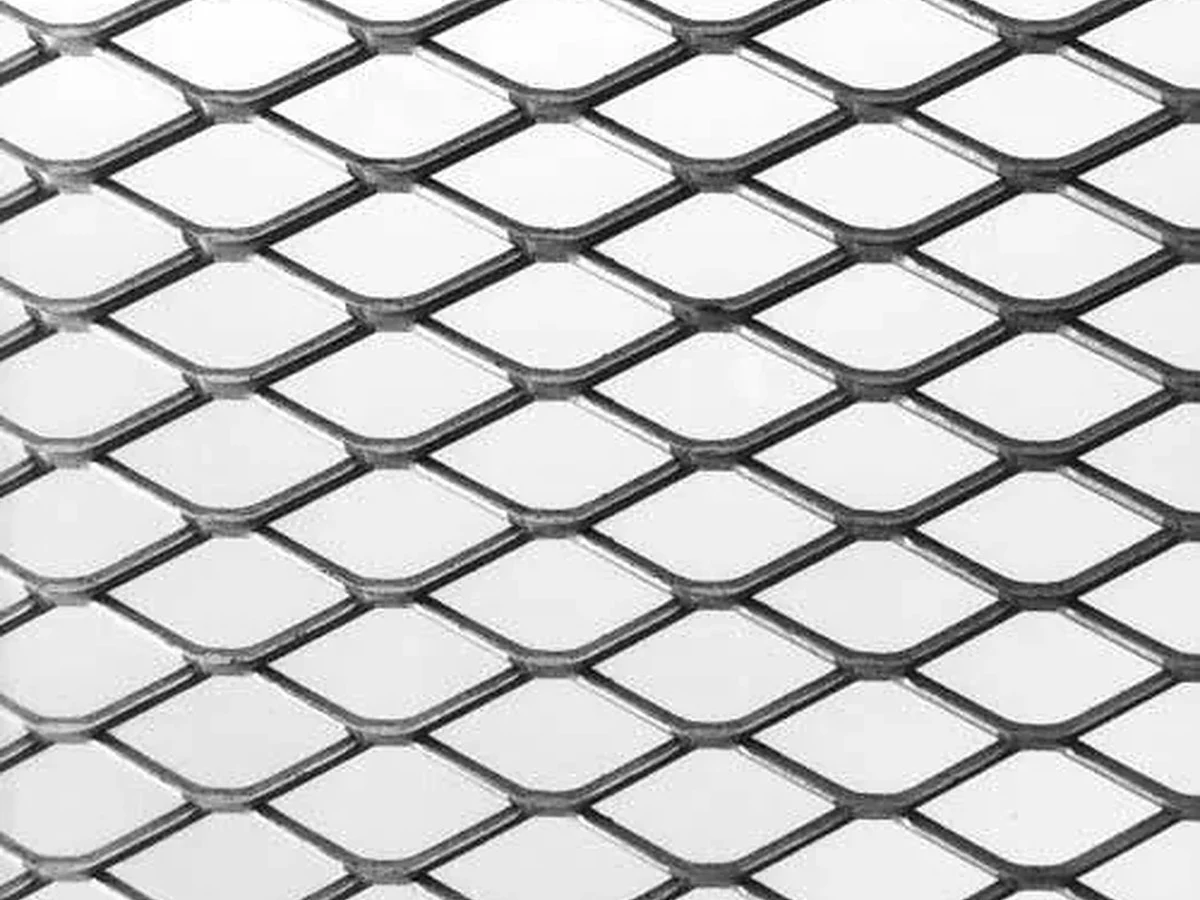 Stainless Steel Expanded Metal MeshA single sheet is expanded into a regular diamond network for guards, platforms, screens and architectural panels.
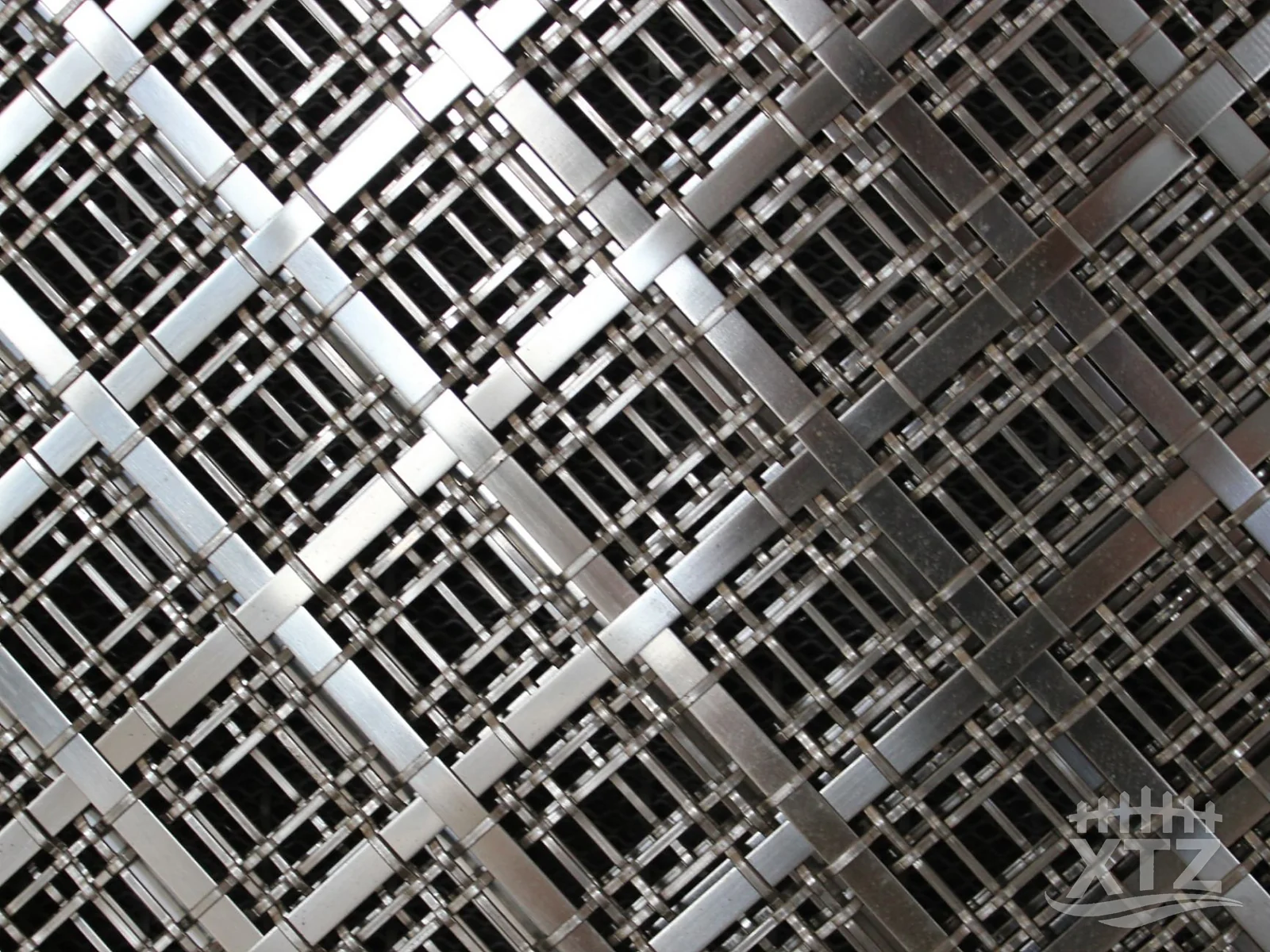 Stainless Steel Decorative MeshWoven, cable-supported and formed metal surfaces for facades, interiors, balustrades and feature screens.
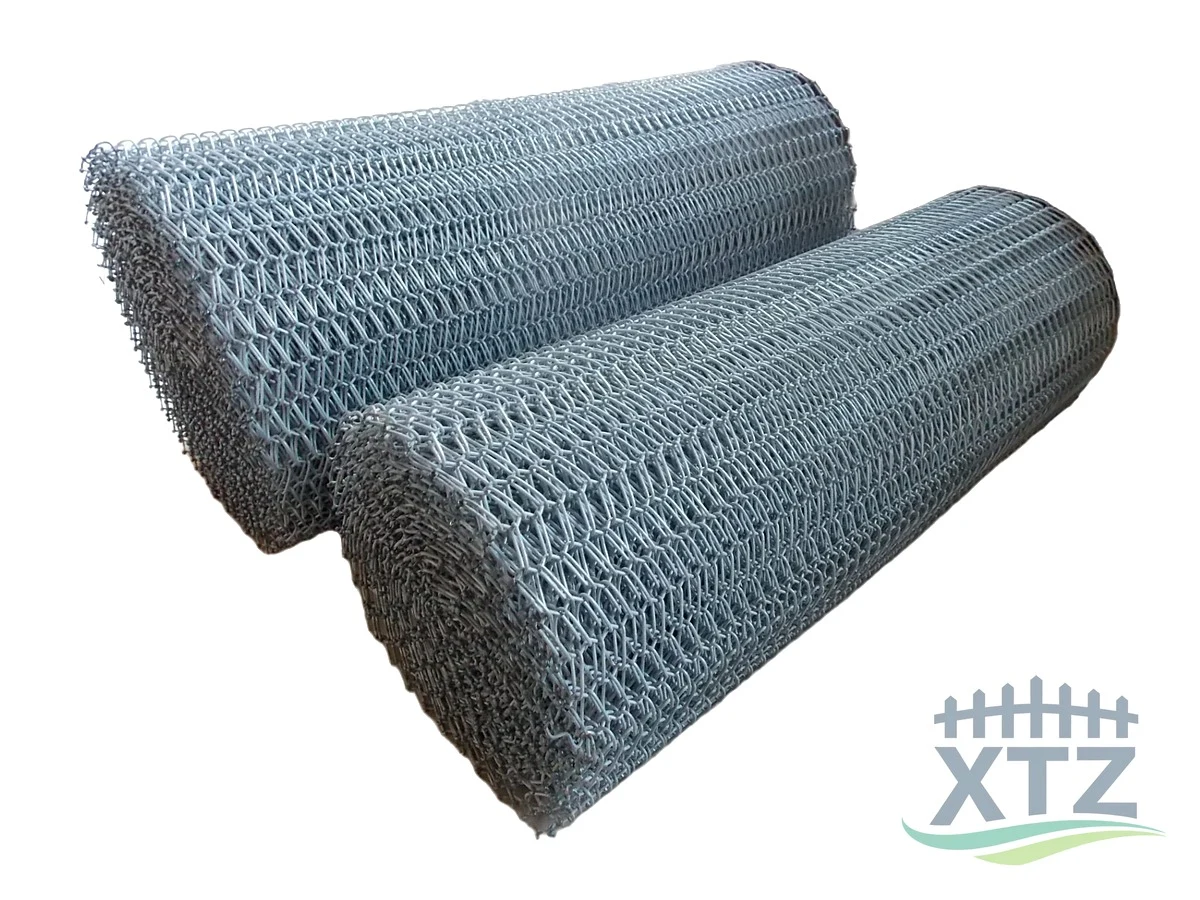 Stainless Steel Conveyor Belt MeshContinuous wire is formed into interlocking loops that compress, recover and conform to complex shapes.
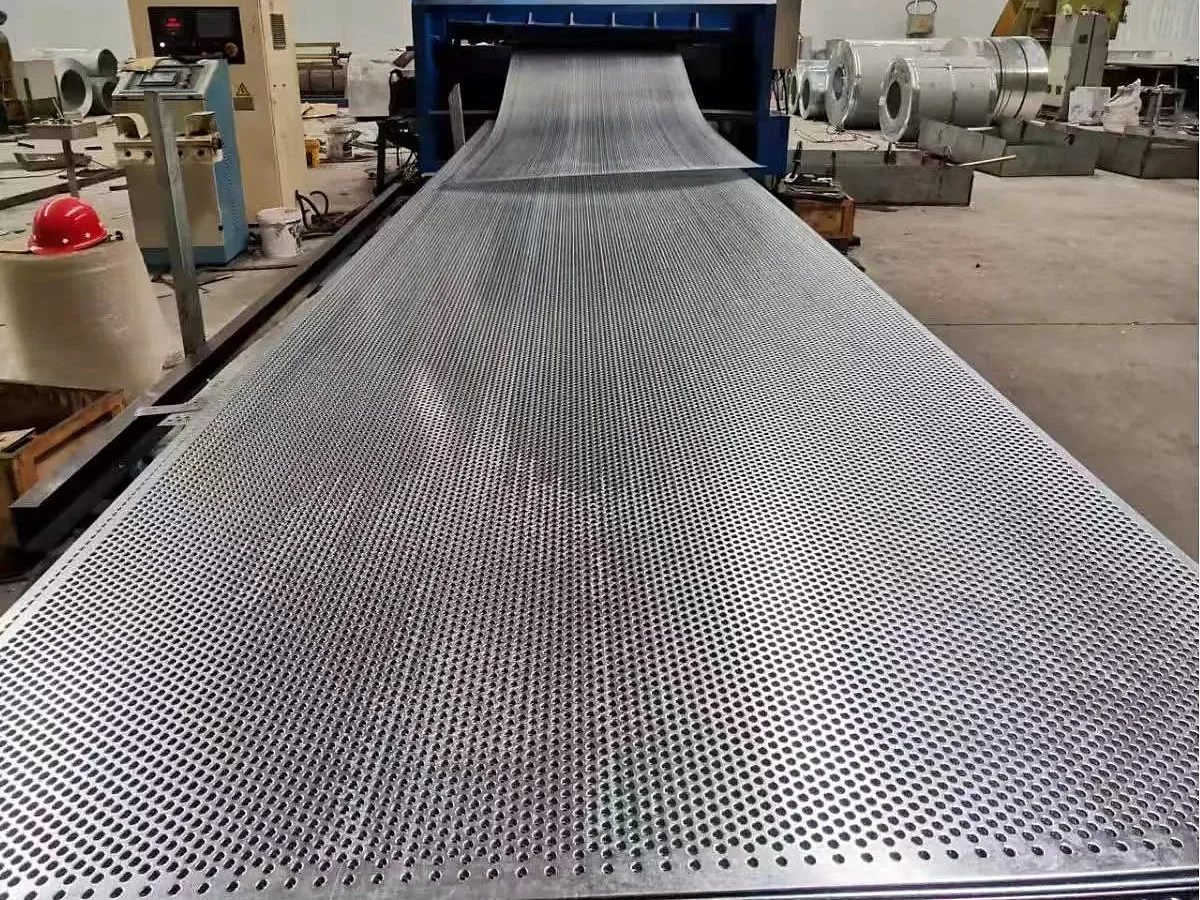 Stainless Steel Perforated SheetRound, square or shaped perforations can be arranged to control open area, appearance and downstream fabrication.
Send the project conditions.
Include drawings, dimensions, quantity, destination and any required finish or packing method.
Stainless Steel Chain Link Mesh Products, Specifications and Applications
XTZ Fence manufactures stainless steel chain link mesh, supplied as diamond woven rolls, cut panels or framed panels with custom wire diameter and mesh opening, for perimeter, boundary and temporary fencing projects.
Stainless Steel Chain Link Mesh and Diamond Mesh
Stainless steel chain link mesh, also known as stainless steel diamond mesh or chain link netting, is woven from continuous wire into a diamond shaped opening and supplied on rolls or as cut panels. The diamond structure gives a high open area with a low wind load, and the wire is continuous through the weave, so the mesh carries tension along its whole height rather than at isolated points. XTZ Fence supplies the mesh as material, in rolls, cut panels or framed panels; the complete fence system with posts and fixings is covered on our stainless steel chain link fence page. Where the requirement is a rigid framed boundary rather than a tensioned woven run, our stainless steel welded wire mesh covers the welded grid form.
Product Structure and Materials
Weave Structure, Wire Diameter and Mesh Opening
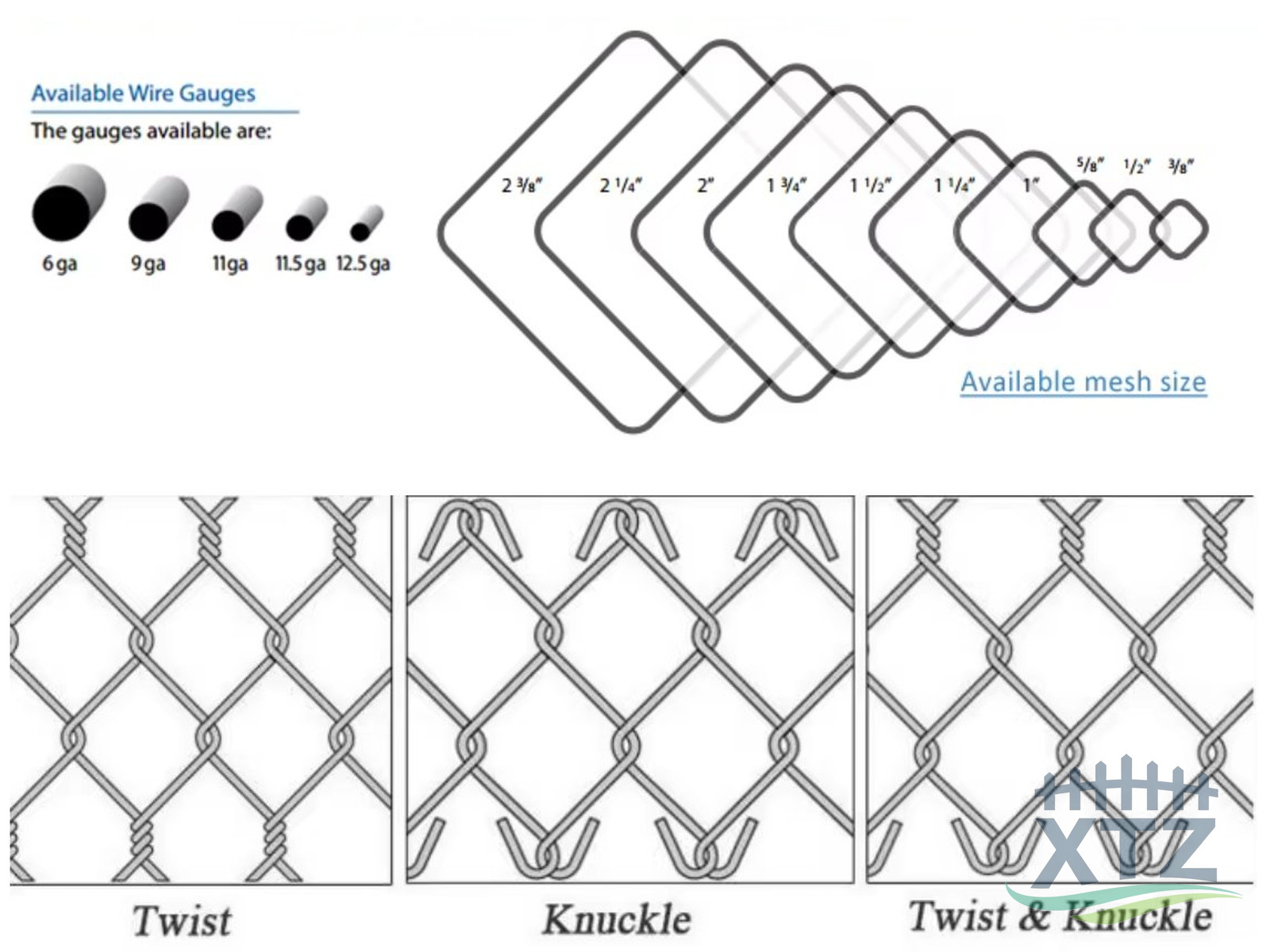
The diamond opening and the wire diameter are the two numbers that define a chain link mesh order, and they are set against each other. A larger opening lets more light and air through and reduces wind load, while a heavier wire resists cutting and pushing. Both are confirmed against the project drawing and the level of security the boundary has to provide. The mesh can be supplied with a selvage edge or with a framed edge, and the roll width and length are produced to specification.
- Weave structure: Diamond woven, continuous wire
- Wire diameter: Custom Specifications, confirmed per project
- Mesh opening: Diamond opening selected per application
- Mesh count: Derived from the wire diameter and opening
- Mesh width: Available to specification
- Mesh length: Available to specification
- Edge treatment: Selvage edge or framed edge
- Supply form: Rolls, cut panels or framed panels
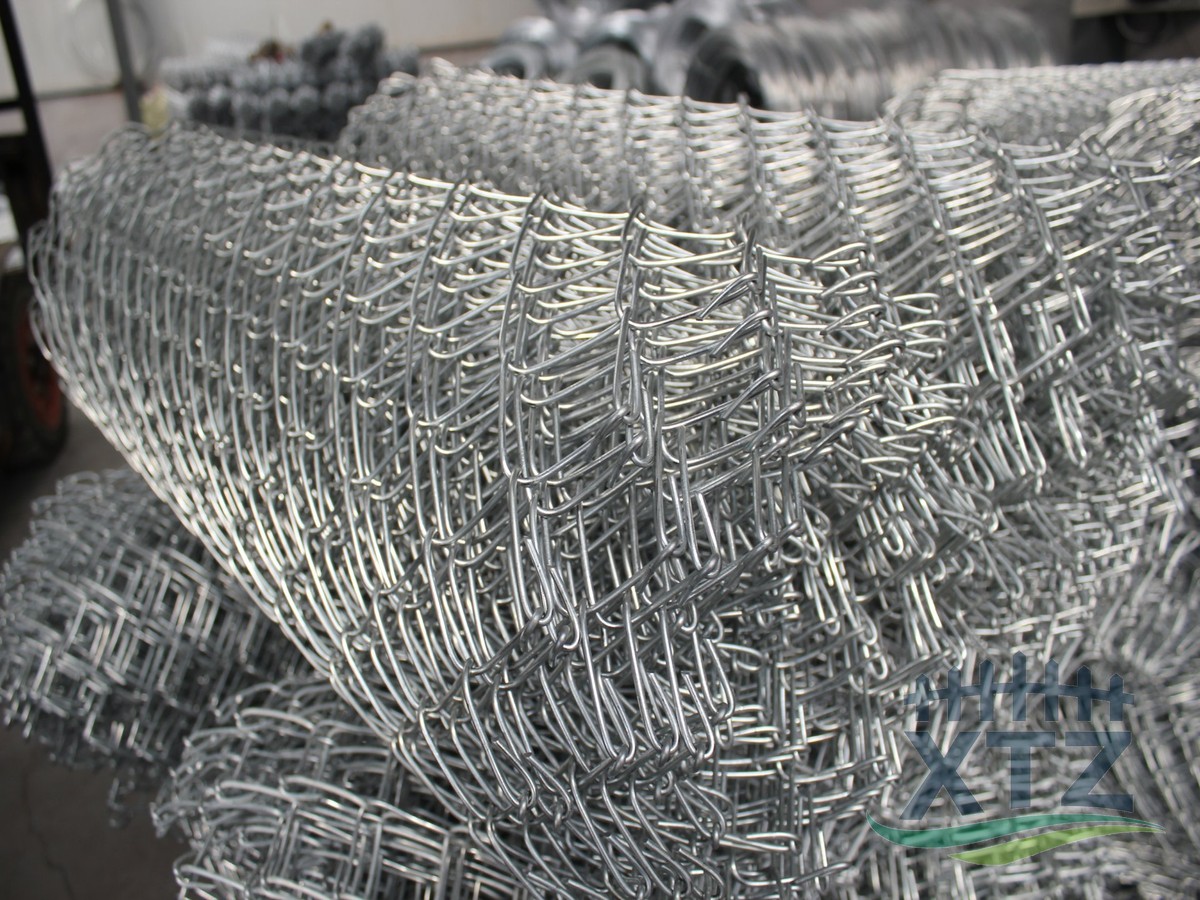
Chain Link Mesh Roll
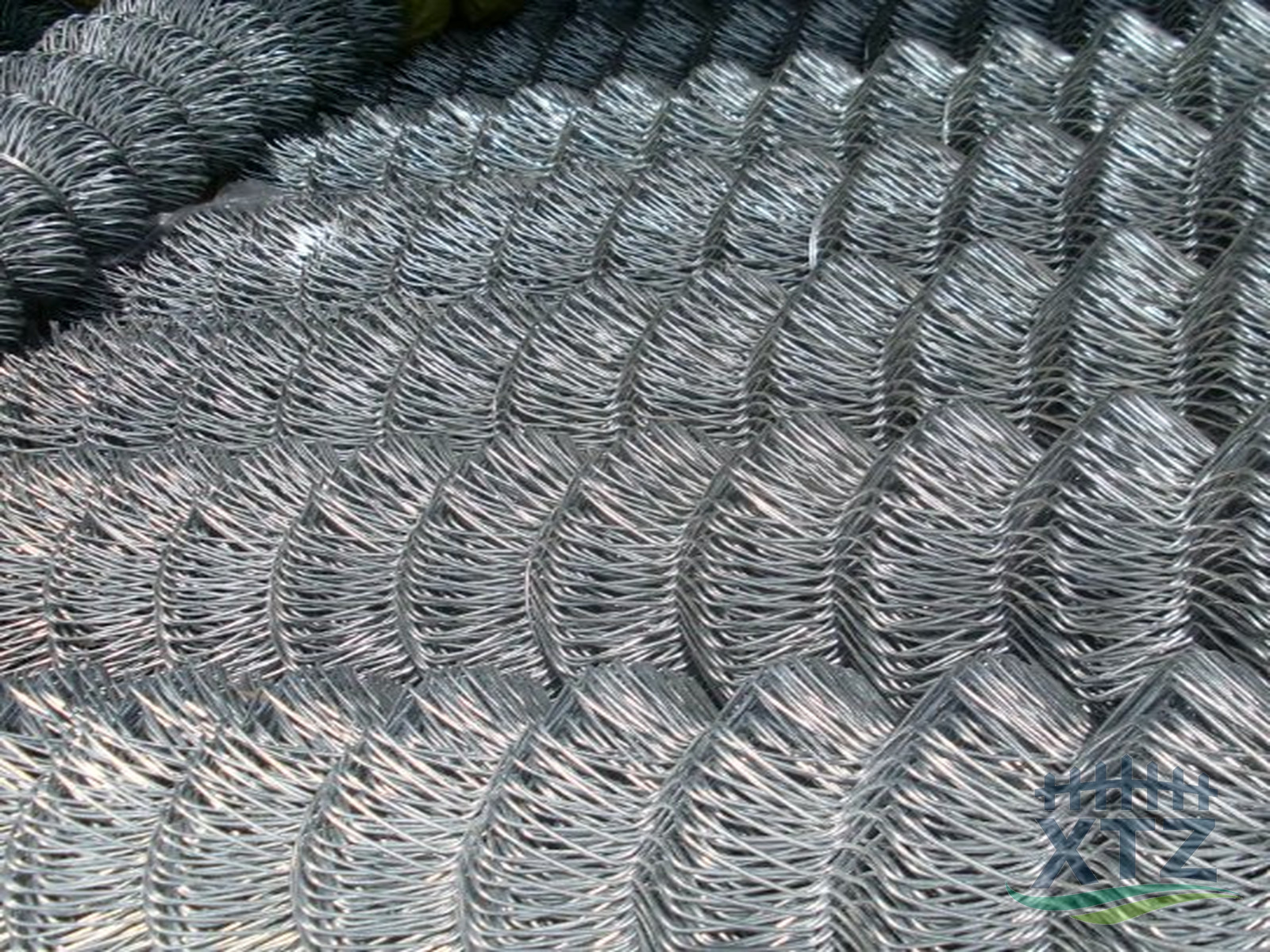
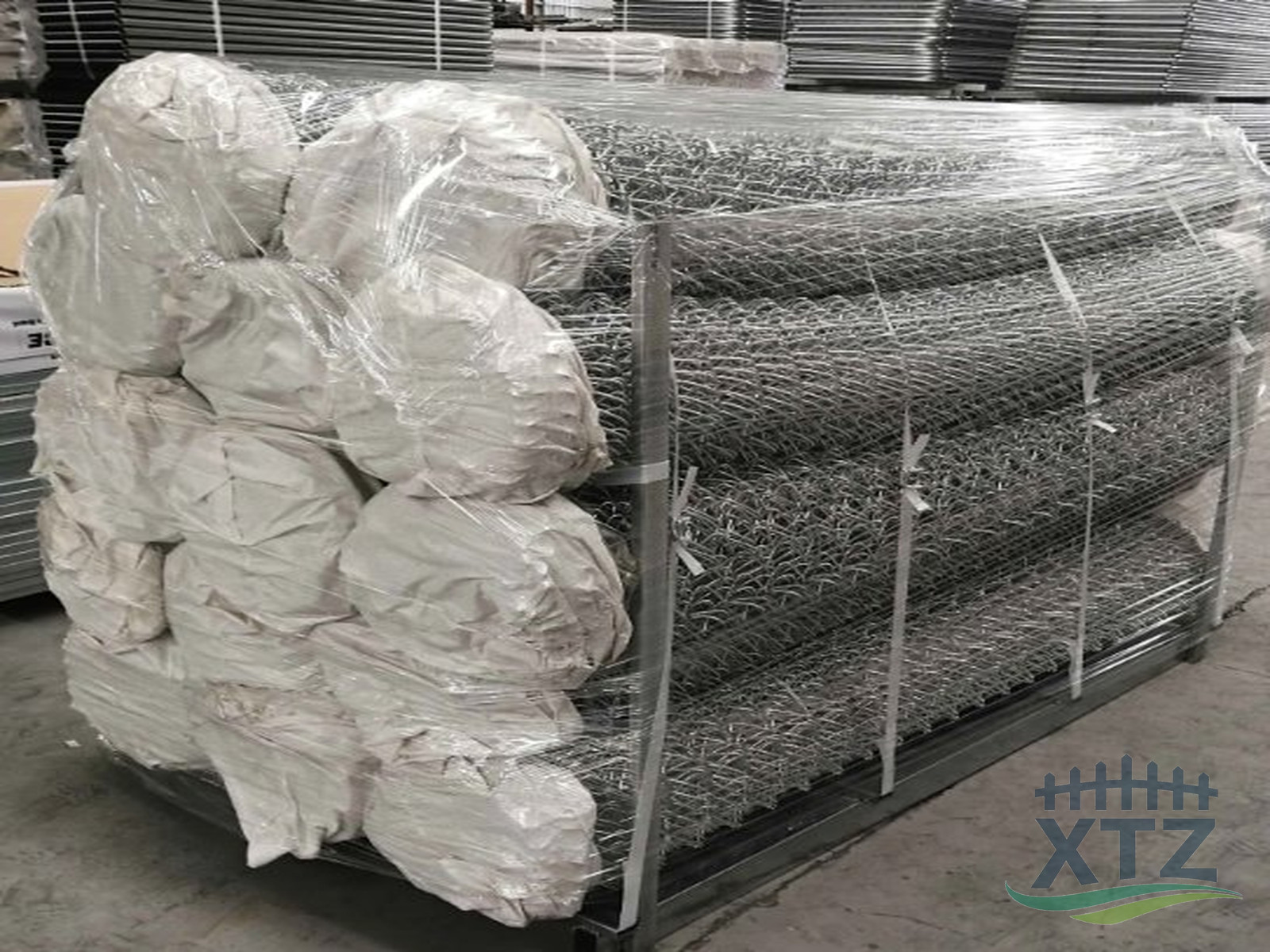
Chain link mesh wound on a roll, ready to be cut and tensioned on site. The wire is continuous through the weave, so a cut length behaves as a woven fabric rather than a rigid grid.
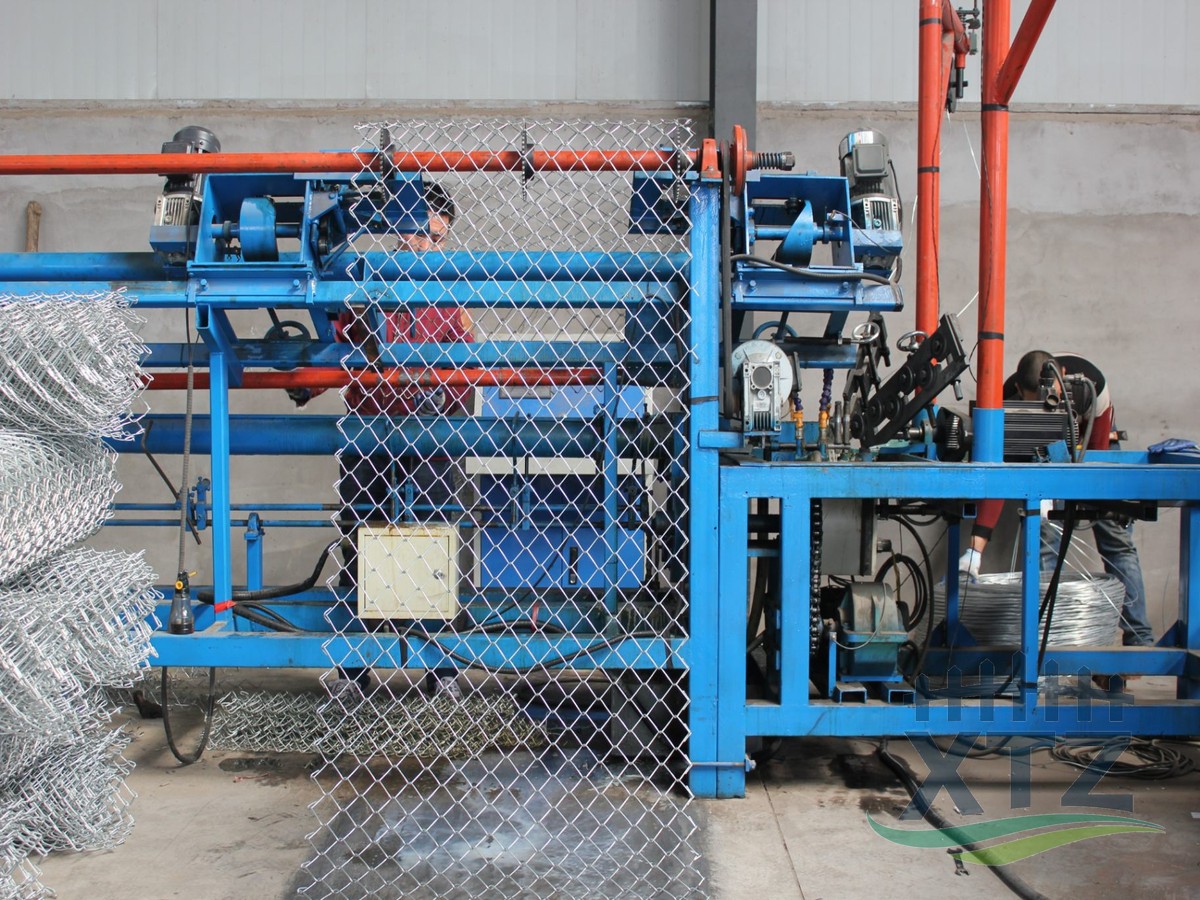
Chain Link Weaving in Production
The wire being woven into the diamond pattern. Chain link is produced on a weaving line, which is why the mesh is supplied as a continuous fabric rather than as a welded grid.
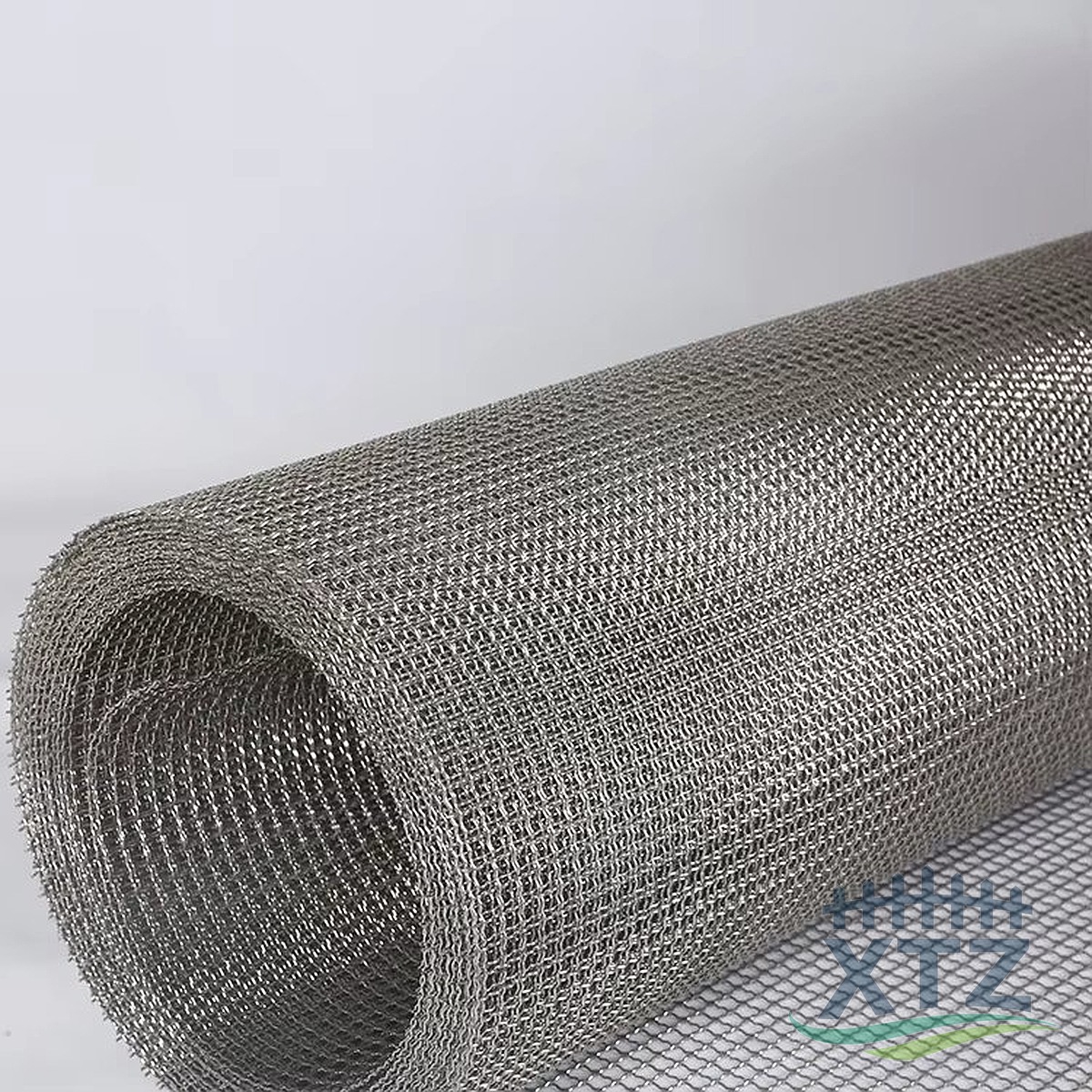
Woven Wire Mesh Roll
A woven wire mesh roll, showing the regularity of the square woven openings that differ from the diamond chain link weave. Where a square woven mesh is required for screening or infill, the woven wire mesh product is the correct reference.
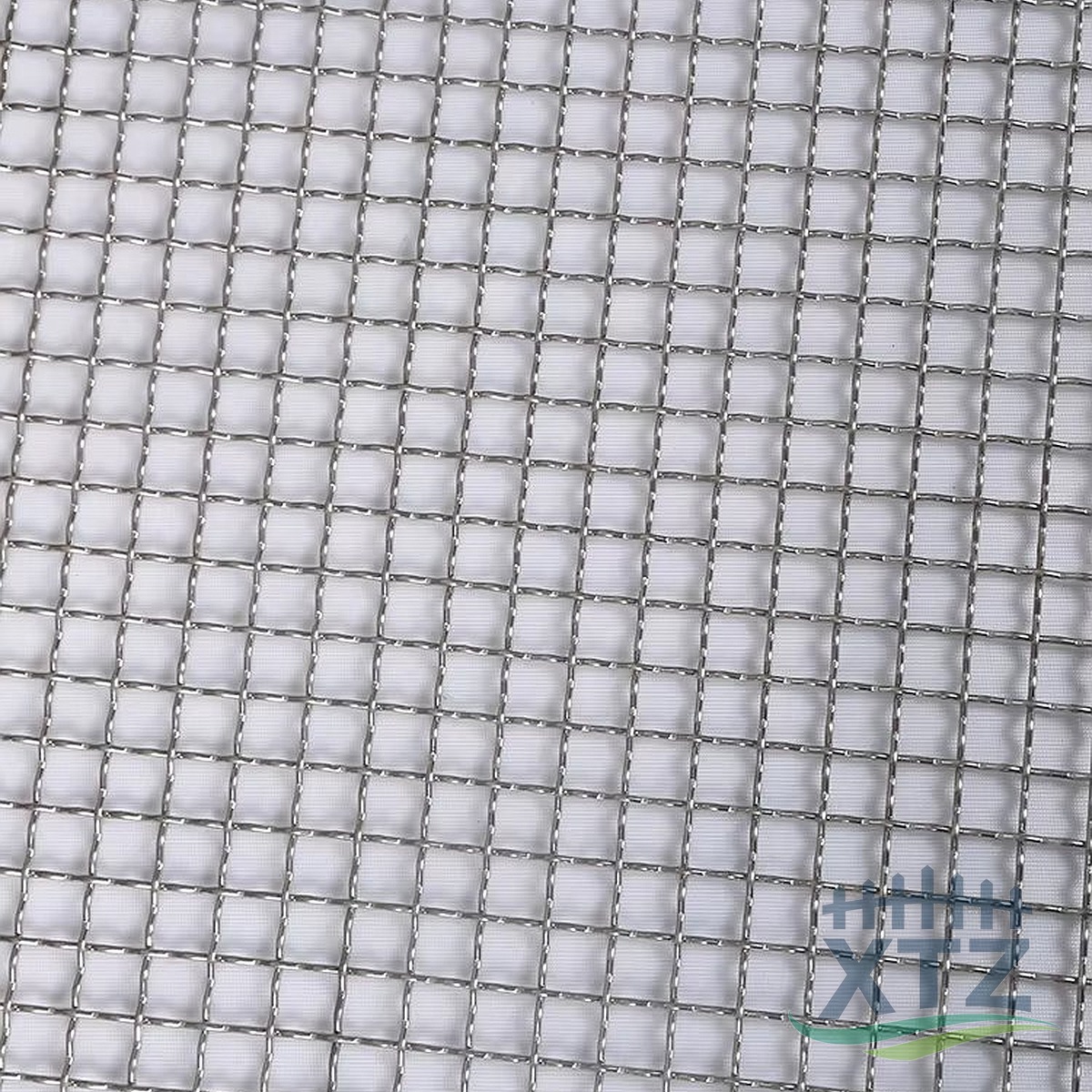
Diamond Mesh Weave Detail
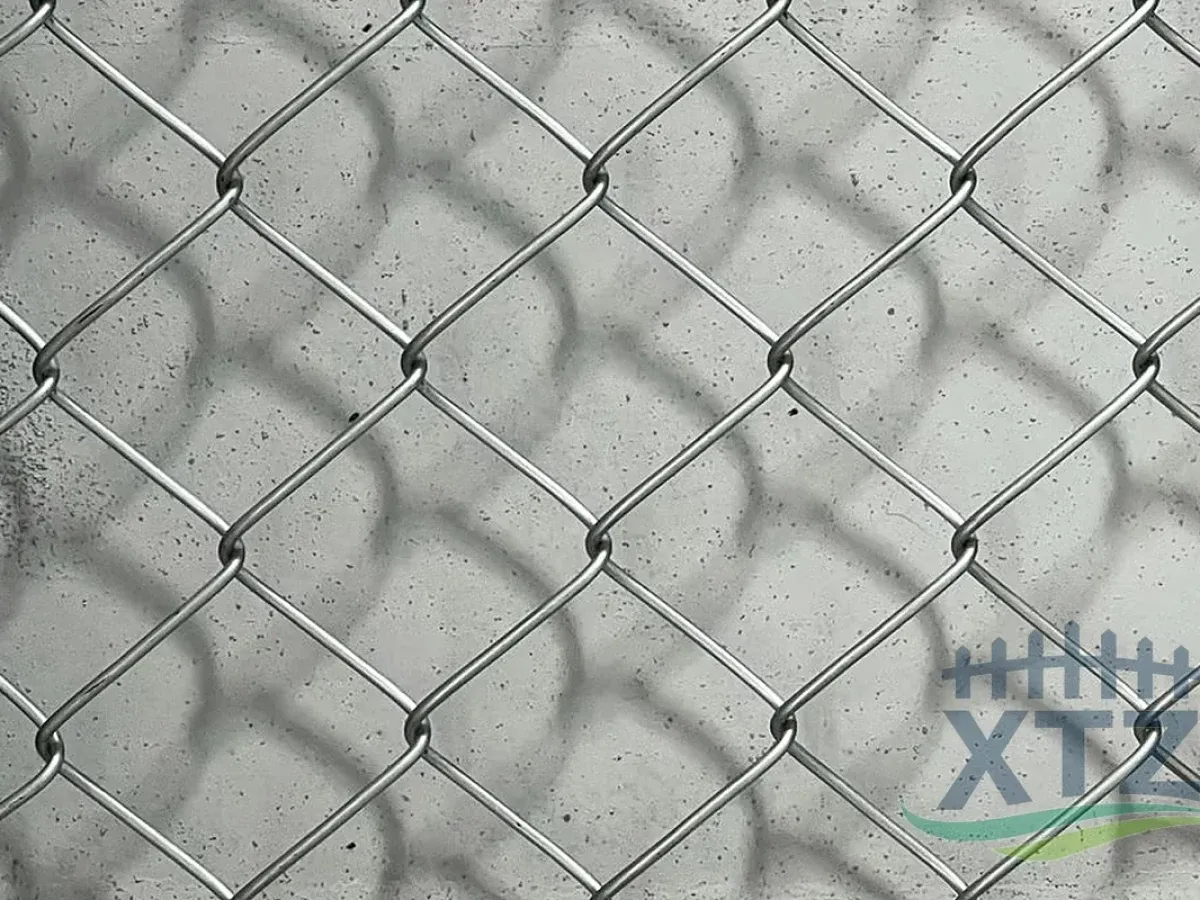
A close view of the woven openings, showing how the wire passes over and under to form the diamond cell and how the wire is drawn tight at every crossing.
Applications and Selection
Applications for Chain Link Mesh
Chain link mesh is used for boundary and perimeter fencing where a see-through barrier is needed and the ground is long or irregular, because the fabric follows the line rather than requiring a rigid panel. Commercial and industrial site boundaries, infrastructure and utility perimeters, residential boundaries and temporary works all use the same mesh in different sizes. Where the boundary has to be a rigid, climb-resistant panel instead, our stainless steel security fence is the relevant product.
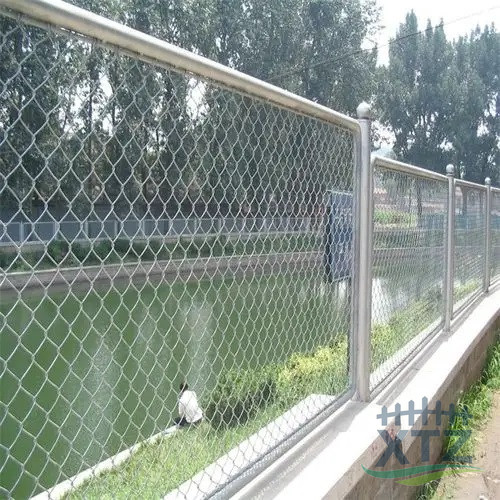
Chain Link Mesh Fence Installation
Chain link mesh tensioned between posts on a boundary. The mesh is tensioned at the top and bottom rails and secured along the line, which is what allows it to follow uneven ground over a long run.
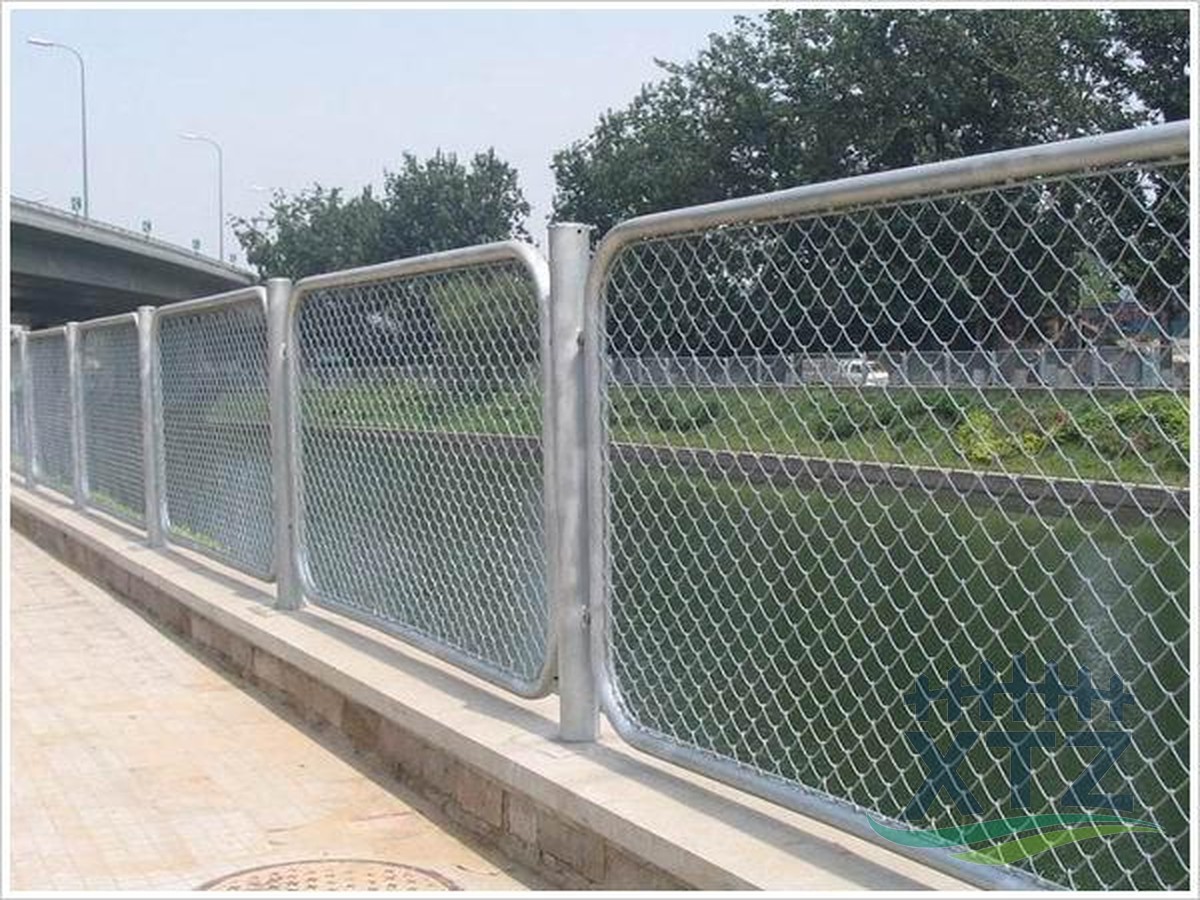
Framed Chain Link Panels
Chain link mesh framed into panels, so the mesh arrives on site as rigid modules that can be bolted between posts rather than tensioned on site. Framing suits shorter runs, gate adjacent areas and any position where the mesh cannot be tensioned.
Selecting Wire Diameter and Mesh Opening
As a general rule the wire diameter is increased where the boundary has to resist cutting or pushing, and the opening is increased where wind load or transparency is the driver. The combination is confirmed with the drawings together with the grade, the edge detail and the supply form. Send the drawings, the target opening and wire diameter, the quantity and the destination to receive a project-specific quotation. For further technical reading, see Stainless Steel Aviary Mesh and Stainless Steel Safety Mesh.
Frequently Asked Questions
Q: What is stainless steel chain link mesh?
A: Stainless steel chain link mesh, also known as diamond mesh or chain link netting, is woven from continuous wire into a diamond shaped opening. It is supplied on rolls or as cut panels, and because the wire is continuous through the weave, the mesh carries tension along its whole height rather than at isolated points.
Q: How do wire diameter and mesh opening affect the fence?
A: The two are chosen against each other. A larger opening lets more light and air through and reduces the wind load, while a heavier wire resists cutting and pushing. Both are confirmed against the project drawing and the level of security the boundary has to provide.
Q: Should I choose a selvage edge or a framed edge?
A: A selvage edge is the standard finish for mesh that is tensioned on site. A framed edge turns the mesh into a rigid panel that can be bolted between posts, which suits shorter runs, gate-adjacent areas and any position where the mesh cannot be tensioned.
Q: What is the difference between chain link mesh and welded wire mesh?
A: Chain link mesh is woven from continuous wire into a diamond cell and is flexible, so it takes tension and follows uneven ground. Welded wire mesh has a rigid welded intersection and holds its geometry when cut, bent or formed, which suits guarding, screening and fabricated parts.
Q: Can chain link mesh be supplied in rolls or in panels?
A: Both. The mesh is supplied on rolls for tensioned installation, as cut panels, or framed into rigid panels for bolted installation, and the supply form is confirmed with the drawings.
Request a Custom Quotation
Request a Custom Quotation – send the drawings, the target wire diameter and mesh opening, the material grade, the edge treatment, the supply form, the quantity and the destination, and XTZ Fence will confirm the specification for your project.