Welded wire mesh joins wires at their intersections; woven wire mesh interlaces them. Welded construction fixes the grid geometry, while woven construction allows different weave patterns and often finer openings. The better choice depends on aperture, wire diameter, support conditions and what the mesh must do in service.
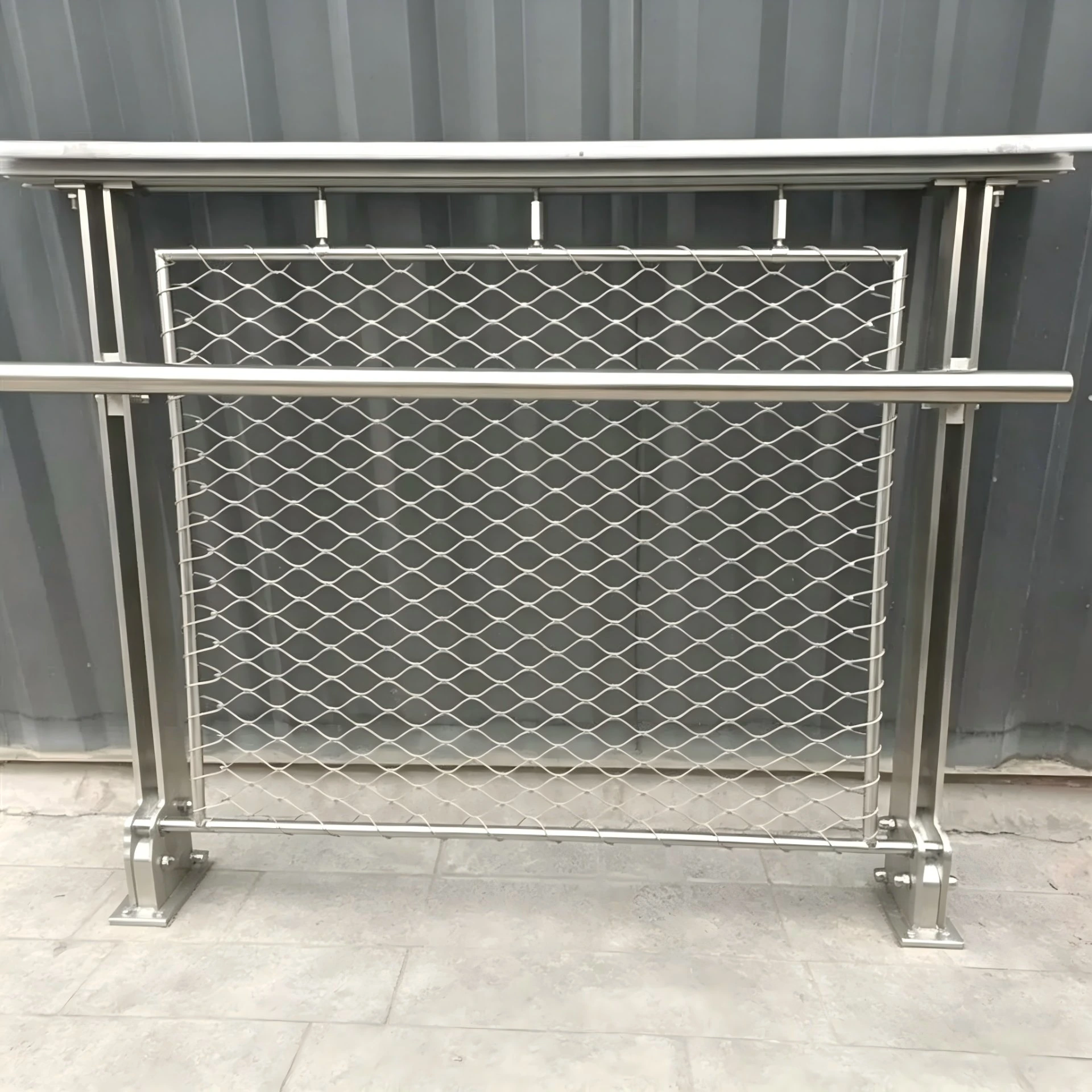
For a stainless steel fence infill, a stable panel and secure edge connection may matter most. For a screening surface, aperture and the way the wires behave under repeated movement may decide the specification. Comparing only the words “welded” and “woven” misses those requirements.
How welded and woven mesh are made
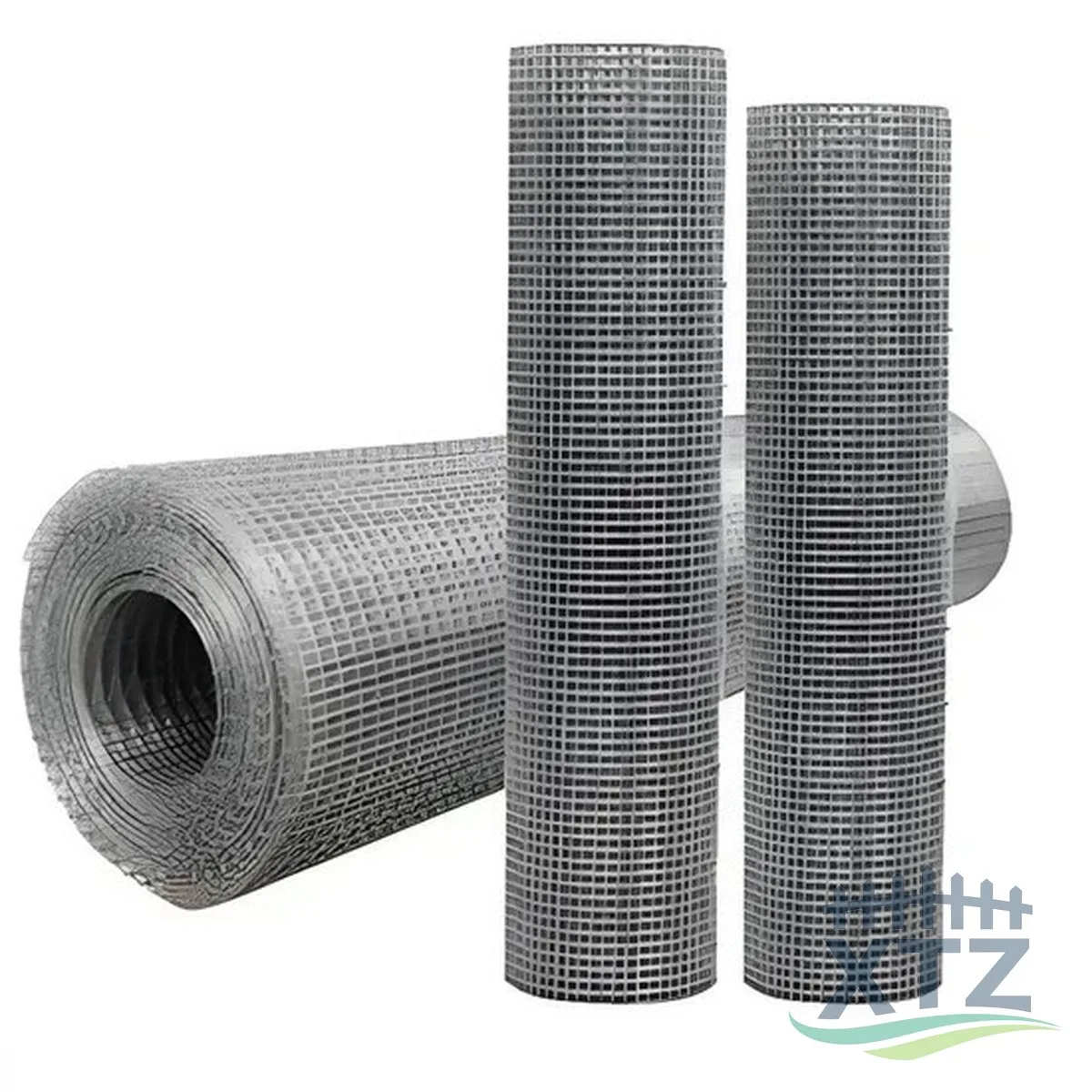
Welded mesh has fused intersections
Longitudinal and cross wires are arranged as a grid and joined at their contact points, commonly by resistance welding. Those joints restrain relative movement between the wires. The mesh can be supplied as rolls or flat panels, depending on its specification.
A light welded roll can still bend. “Welded” describes the joint, not a guarantee that every product is a rigid structural panel. XTZ Fence’s stainless steel welded wire mesh is a useful starting point when the requirement is mesh material rather than a complete installed fence.
Woven mesh has interlaced wires
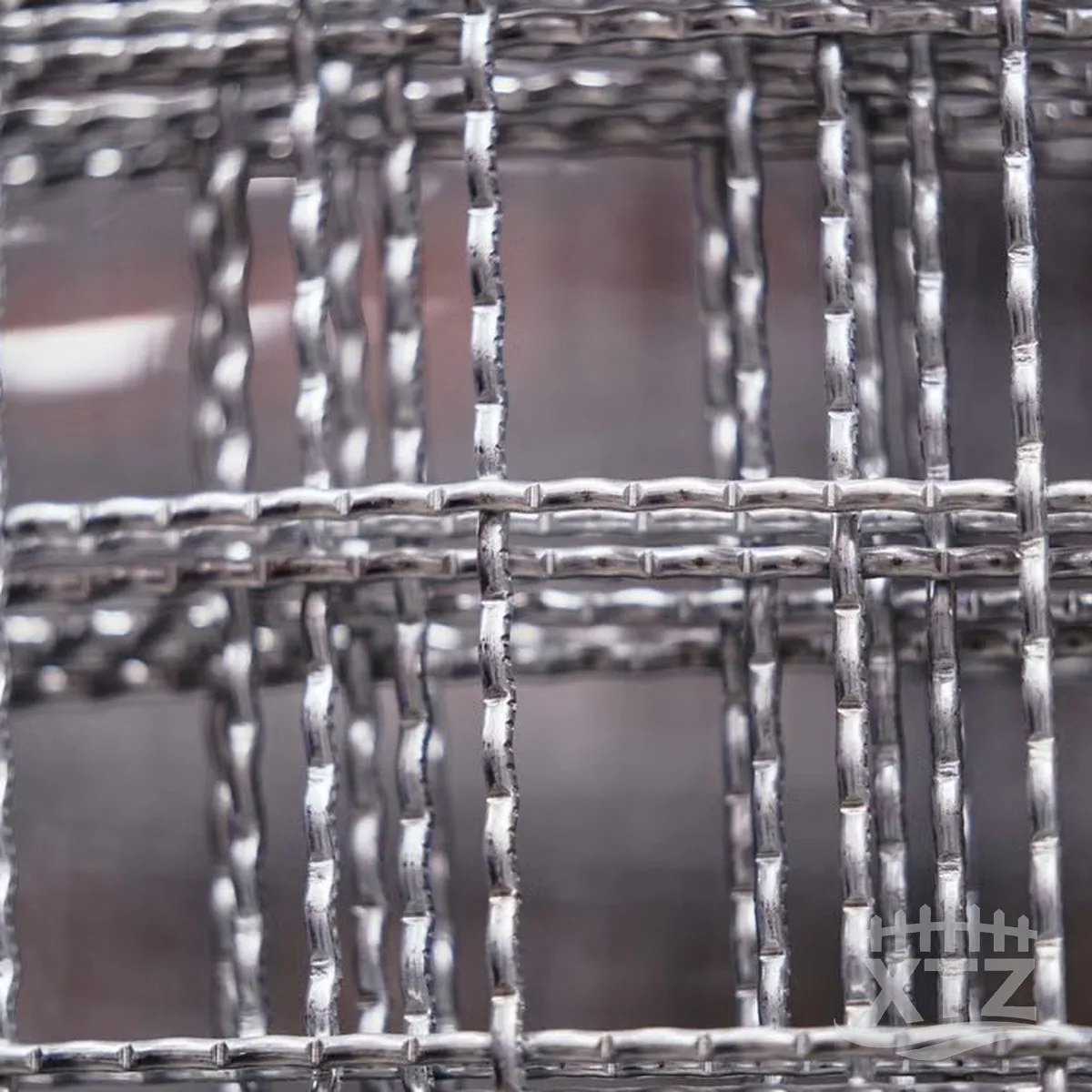
Wires pass over and under one another. In a plain weave, the crossing sequence alternates; other patterns change the relationship between neighbouring wires. Pre-crimping bends the wires before weaving so that their intersections sit in defined positions.
Fine wire cloth and heavy pre-crimped mesh can both be woven, yet they handle very differently. Thin cloth may drape around a curved support. A heavy lock-crimp panel can feel stiff. The ASSDA stainless steel stock guide distinguishes woven constructions, welded formats and wire rope mesh; these are separate specification families.
For the heavier woven product family, XTZ Fence lists stainless steel crimped wire mesh with opening, wire diameter, crimp pattern and edge finish as selection variables.
Welded vs woven wire mesh at a glance
| Question | Welded mesh | Woven mesh |
|---|---|---|
| What holds the grid together? | Fused wire intersections | Interlacing, often assisted by crimps |
| How does it hold its shape? | Joints restrain movement between wires | Depends strongly on weave, crimp and wire diameter |
| Can it have fine openings? | Availability depends on welding process and wire size | Fine wire cloth offers a broad range of small apertures |
| What happens at a cut edge? | Remaining intact welds retain adjacent wires; cut ends still need attention | Some constructions can loosen or fray and need edge restraint |
| Where is it commonly considered? | Panels, partitions, cages and protective infill | Screening, separation and decorative mesh, depending on construction |
| What establishes service performance? | Wire, joints, span, frame and fixings | Wire, weave, aperture, tension or restraint, and support |
Which mesh is stronger?
There is no useful universal ranking without naming the load and the assembly. A welded grid generally resists changes in opening shape because its intersections are fixed. That can help when forming a stable infill panel. Under excessive bending or impact, however, the wire, a joint or a connection can fail.
Woven mesh can accommodate some movement through its wire arrangement. That does not mean it will always spring back, remain dimensionally stable, or survive a greater load. Crimp design, material condition, wire diameter and how the edges are held determine the response.
Compare proposed products at the same clear opening, material, panel size and support conditions. Then ask for the performance evidence relevant to the project. A wire tensile value alone does not establish the capacity of a guardrail infill or fence system.
Opening size and screening accuracy
Woven cloth is commonly chosen where small openings drive the requirement. For a square weave, count and wire diameter determine the nominal aperture. For heavier screening mesh, the clear opening and crimp construction may be more useful than a mesh-count label.
Neither manufacturing method guarantees perfect openings. Weld quality, wire positioning, weaving control, distortion and handling all affect the finished material. State the required aperture tolerance and inspection method rather than assuming one construction is always more accurate.
A square woven screen and a Dutch weave filter should also be treated separately. The latter’s flow path cannot be described by a simple square-opening calculation. Where filtration performance is critical, establish the test method, fluid or particle conditions and acceptable pressure drop.
Cutting, forming and edge treatment
A cut welded panel usually retains its grid where the remaining welds are intact. The projecting wire ends can still be sharp, and cutting close to a weak or damaged joint can leave a loose section. Define whether the panel needs flush edges, a border wire, flat bars or a frame.
Woven mesh needs the edge detail considered early. Depending on the weave, wires can shift during cutting, transport or fitting. Clamping, hemming or framing may be required. For a curved panel, check the forming direction and bend requirements with an actual sample.
For decorative stainless steel mesh, pattern orientation and edge restraint affect appearance as well as fit. A sample should be viewed in its intended direction and lighting, not just flat on a desk.
Fencing, screening and the meaning of “woven wire”
In agricultural fencing, “woven wire” may describe knotted field fencing. That product accommodates movement through knots and wire geometry. It is not the same construction as a square-weave stainless steel screening cloth. Before applying advice from a fence comparison, identify which product the writer means.
For a fixed perimeter or partition, stainless steel welded wire mesh panels should be assessed with posts, frames and attachment points. For a screening duty, begin with the material passing through, aperture and operating movement.
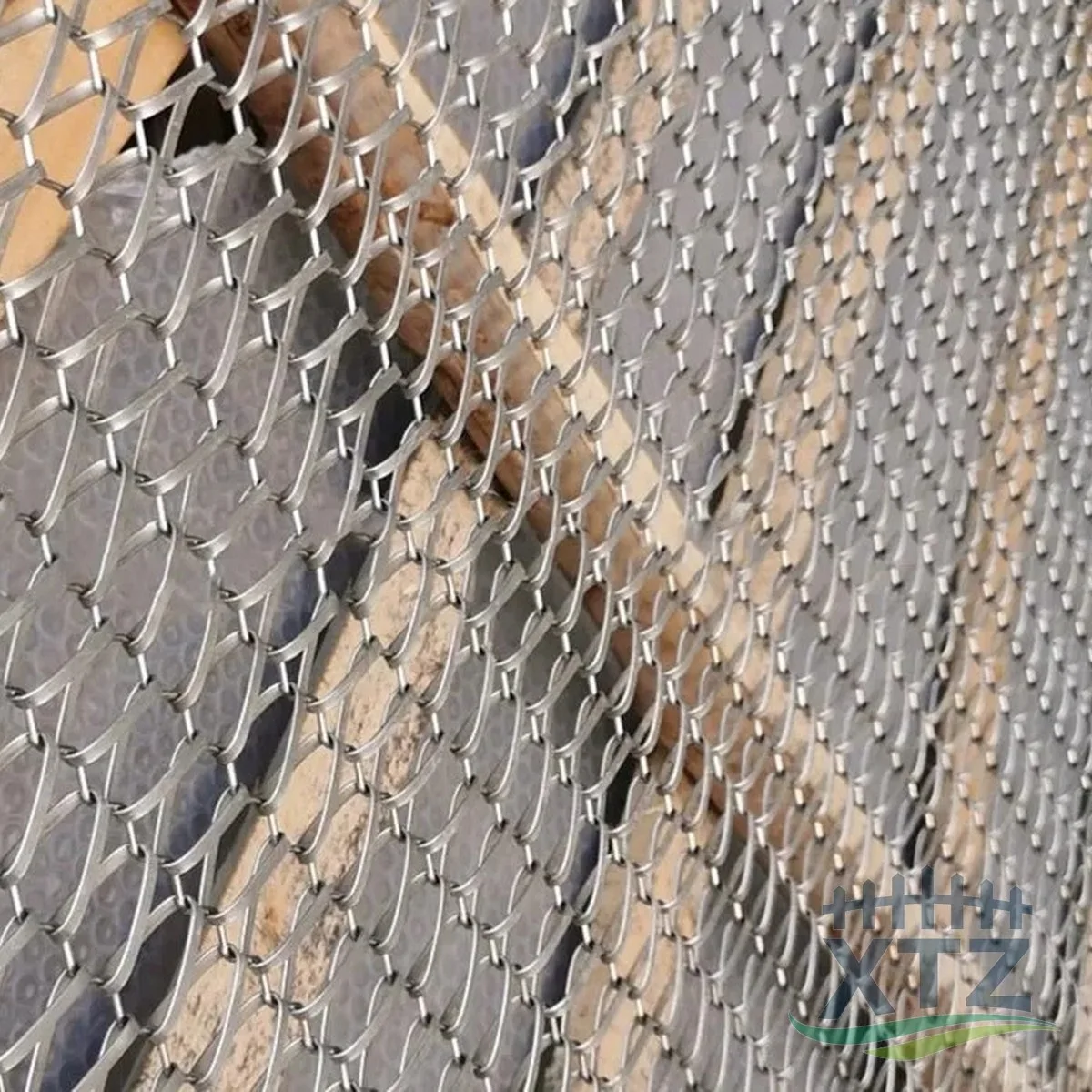
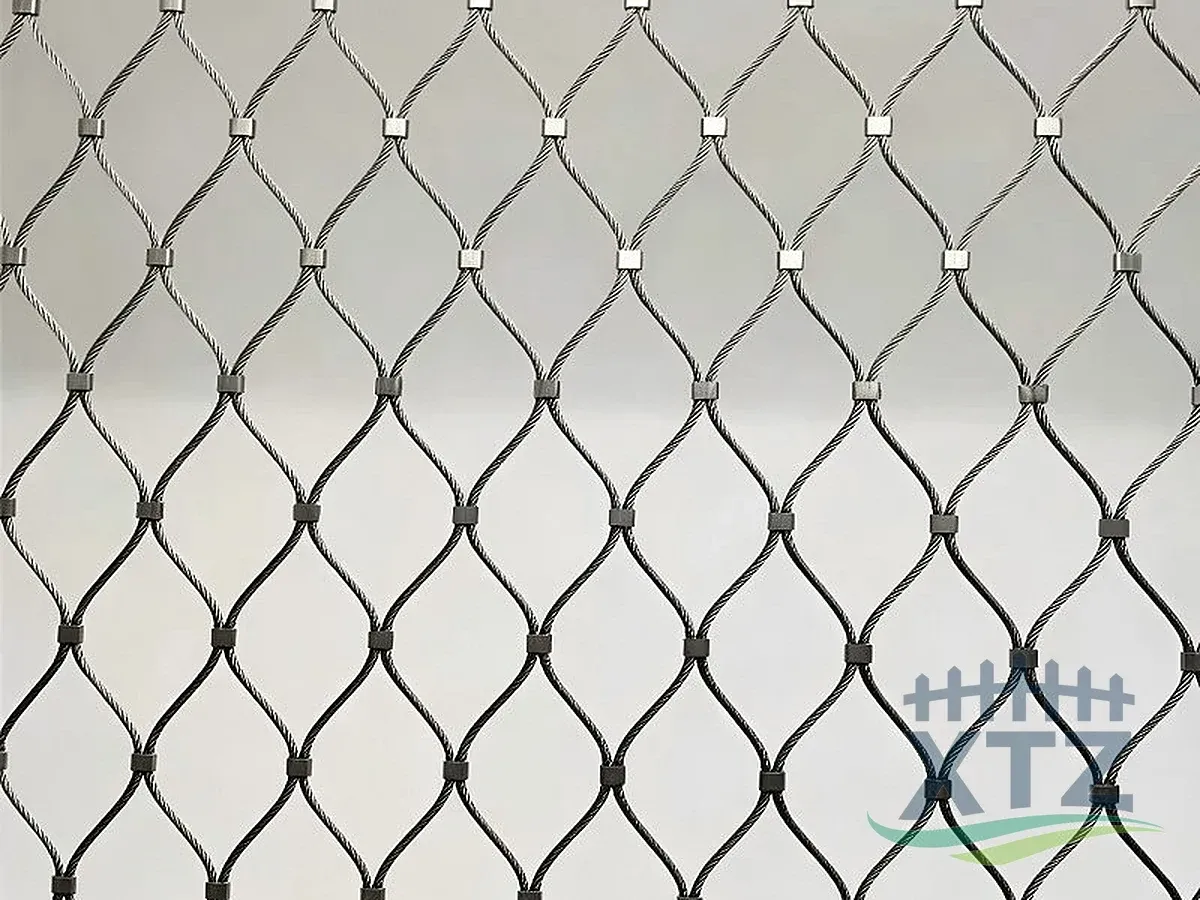
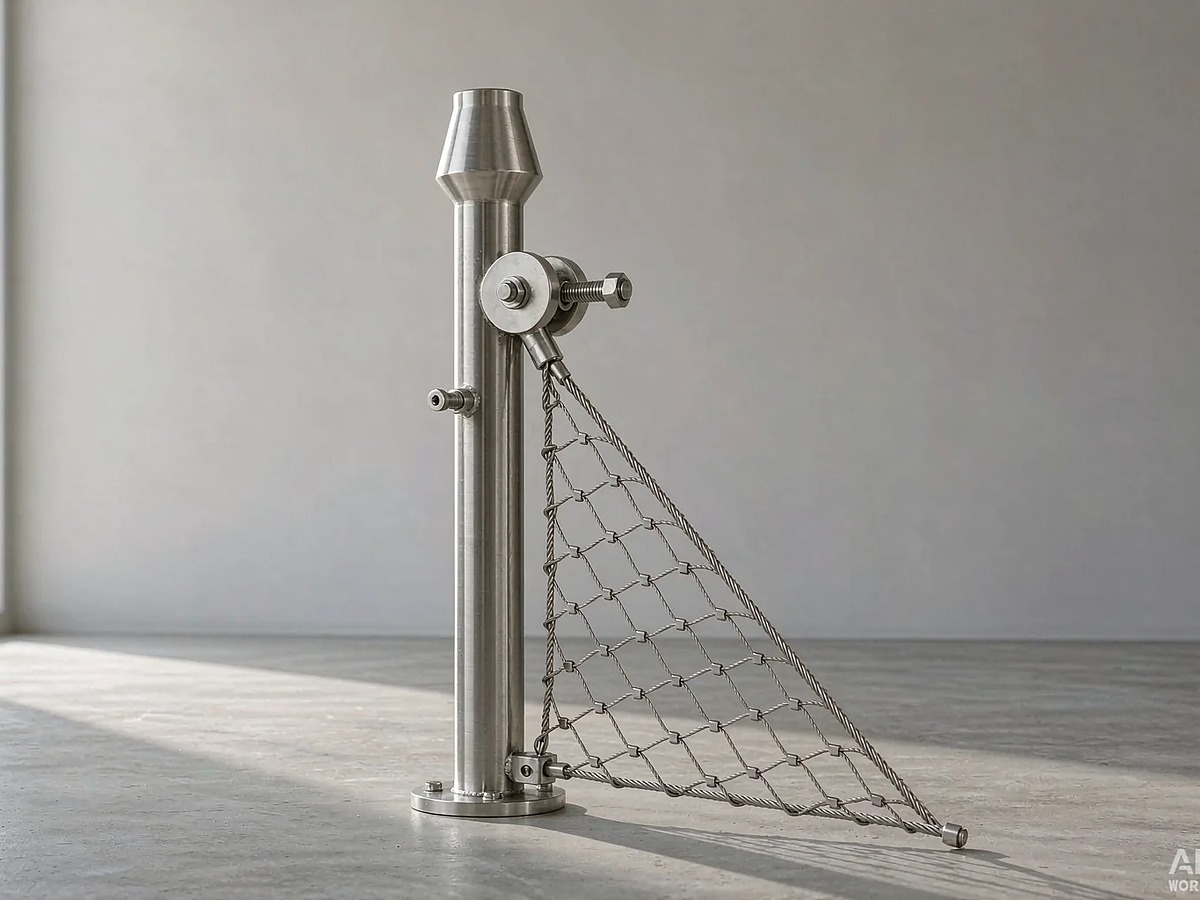
Flexible architectural barriers may use stainless steel cable mesh. Its cables, terminations and tensioning need their own design; it should not be substituted for welded or woven wire cloth merely because all three are called mesh.
Corrosion and cost need a separate comparison
Stainless steel grade and surface condition matter for both constructions. For welded material, ask how weld areas and any heat tint are treated. For woven material, consider crevices at crossings and access for cleaning. Environmental exposure and maintenance affect both.
A claim that welded mesh is always cheaper is too broad. Wire weight, aperture, alloy, manufacturing quantity, edge finishing and the frame can change the result. Compare equivalent finished parts, including fabrication and installation requirements, before using a unit price to decide.
Frequently asked questions
Is woven mesh always flexible?
No. Wire diameter, crimp profile and weave pattern make a substantial difference. Fine cloth may bend easily, while heavy pre-crimped panels can be quite stiff. If the project requires forming around a curve, check that particular specification and the intended bending direction.
Is welded mesh always supplied in sheets?
No. Welded mesh is available in rolls as well as panels. The wire diameter, opening and overall dimensions affect which form is practical. Confirm the supply format and any flatness requirements, especially when material will be fitted into a finished frame.
Which is better for a machine guard?
Either may be considered, but the decision requires the hazard, opening size, distance from moving parts, impact conditions and attachment design. The mesh name alone does not establish compliance. Select the complete guard against the applicable requirements for that machine.
Can woven mesh replace welded mesh without changing the frame?
Not automatically. Edge movement, clamping length, stiffness and connection details may change. Check the replacement’s clear opening, wire diameter and support needs. A frame that works with a welded panel may not adequately restrain the edges of a woven one.
Can both types be used outdoors?
Yes, with a suitable material specification and assembly design. Outdoor exposure varies considerably between sheltered inland locations and chloride-contaminated environments. Select the alloy and surface treatment for the actual conditions, and allow for drainage, cleaning and compatible fixings.
XTZ Fence can review a mesh requirement from the application and drawing. Include the opening, wire diameter, material, panel dimensions and edge or frame details so the construction can be discussed on a like-for-like basis.