Mosquito wire mesh is fine screening fitted across a window, door or vent to keep insects outside while air passes through. For a replacement screen, match the opening size to the insects you need to exclude, then check that the material fits your frame. For a bulk order, specify wire diameter and usable roll width as well.
How small are the openings in mosquito wire mesh?
An 18 × 16 screen has 18 strands per linear inch in one direction and 16 in the other. The label gives you the spacing of the strands. To find the clear gap where an insect could pass, you also need the finished strand diameter. A coating counts toward that diameter.
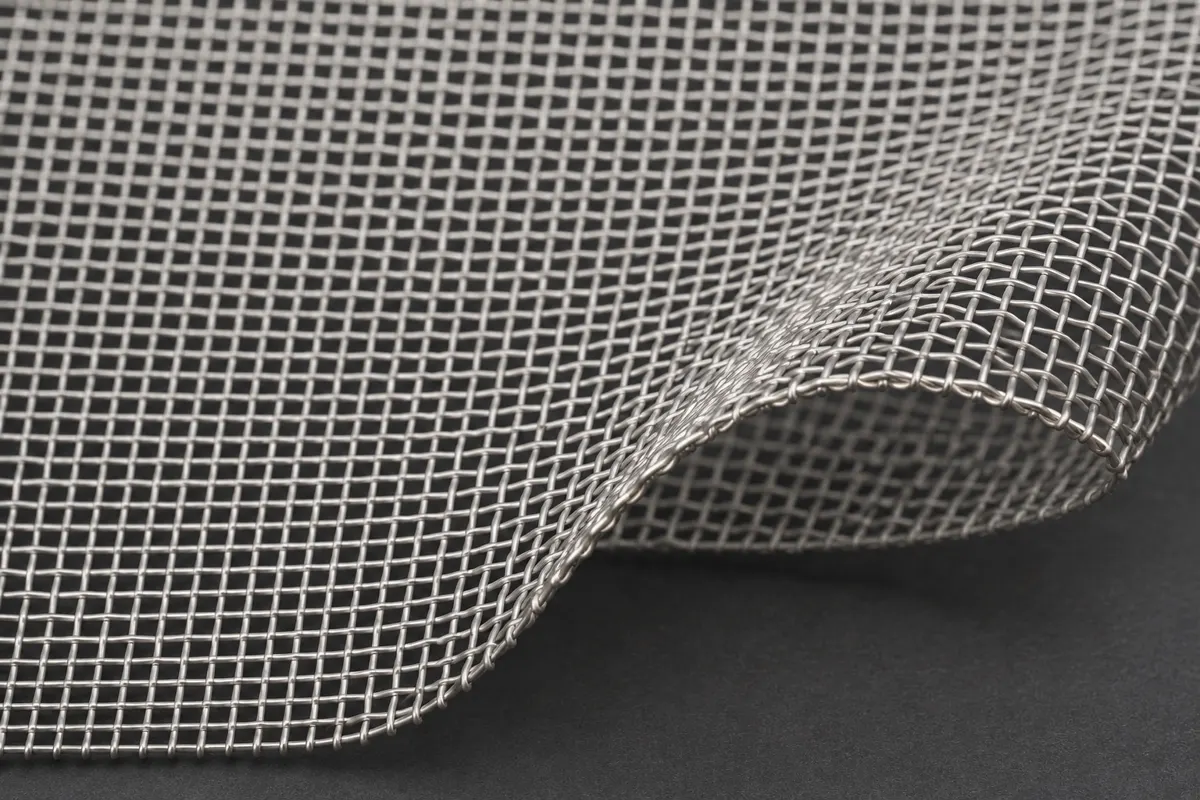
For a regular square weave, divide 25.4 mm by the number of wires per inch, then subtract one wire diameter. For a rectangular weave, do this separately in each direction. The examples below show why a buyer comparing two samples should ask for both measurements.
| Wire count per inch | Wire diameter | Calculated clear opening | Approx. open area |
|---|---|---|---|
| 18 × 16 | 0.28 mm | 1.13 × 1.31 mm | 66% |
| 18 × 16 | 0.35 mm | 1.06 × 1.24 mm | 59% |
| 30 × 30 | 0.28 mm | 0.57 × 0.57 mm | 45% |
These are geometric examples for uniform round wires. Open area is the percentage of the face occupied by holes. It helps compare samples, but airflow through a fitted screen also depends on the frame, dirt buildup and air speed. If the opening serves a mechanical intake, ask the equipment designer for the permissible pressure drop before ordering a finer mesh.
A common starting point for household windows is an 18 × 16 insect screen. Where biting midges or gnats are the complaint, ask for a fine-insect screen with a declared clear aperture. A 20 × 20 designation gives the count alone. Check a sample against the supplier’s intended insect application. For a closer look at how the wires cross, see plain weave wire mesh.
Which screen material suits the opening?
| Material | Where to consider it | What to check before ordering |
|---|---|---|
| 304 stainless steel | A framed window or workshop opening where metal screening is preferred | Wire diameter, stiffness and whether the frame can retain the cut edge |
| 316 stainless steel | A site exposed to airborne salt, especially a sheltered opening that rain seldom rinses | Exposure, cleaning access and the grade of the surrounding hardware |
| Aluminum | A lightweight metal replacement screen | Creases in a sample and the spline recommended for the frame |
| Coated fiberglass | Routine residential rescreening where a flexible fabric helps installation | Finished strand thickness and resistance to the wear expected at the door |
For a coastal job, tell the supplier where salt collects. A screen under a deep overhang can retain deposits even when the exposed side of the building looks clean. Grade 316 generally withstands chloride exposure better than 304. The frame finish, fixings and cleaning access still affect how the assembly will age.
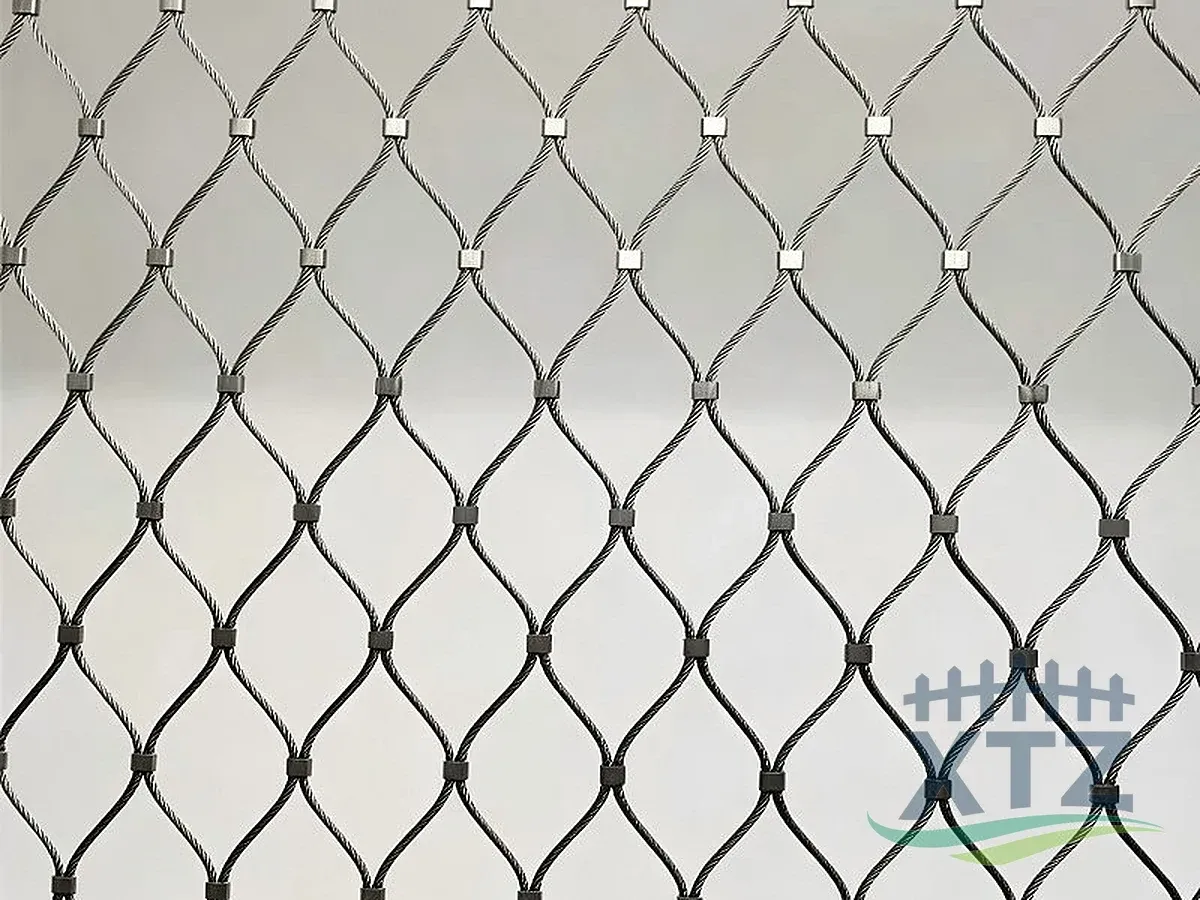
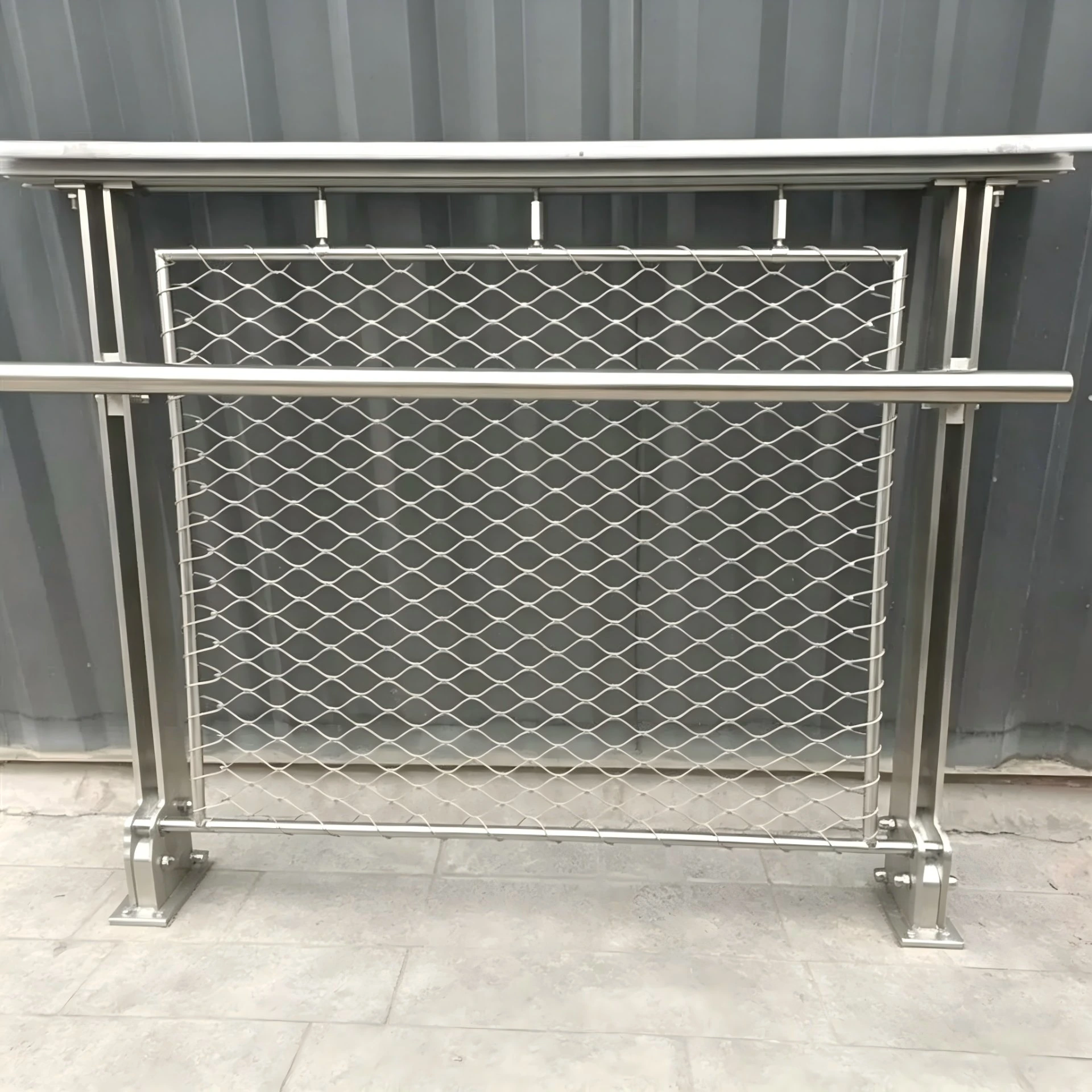
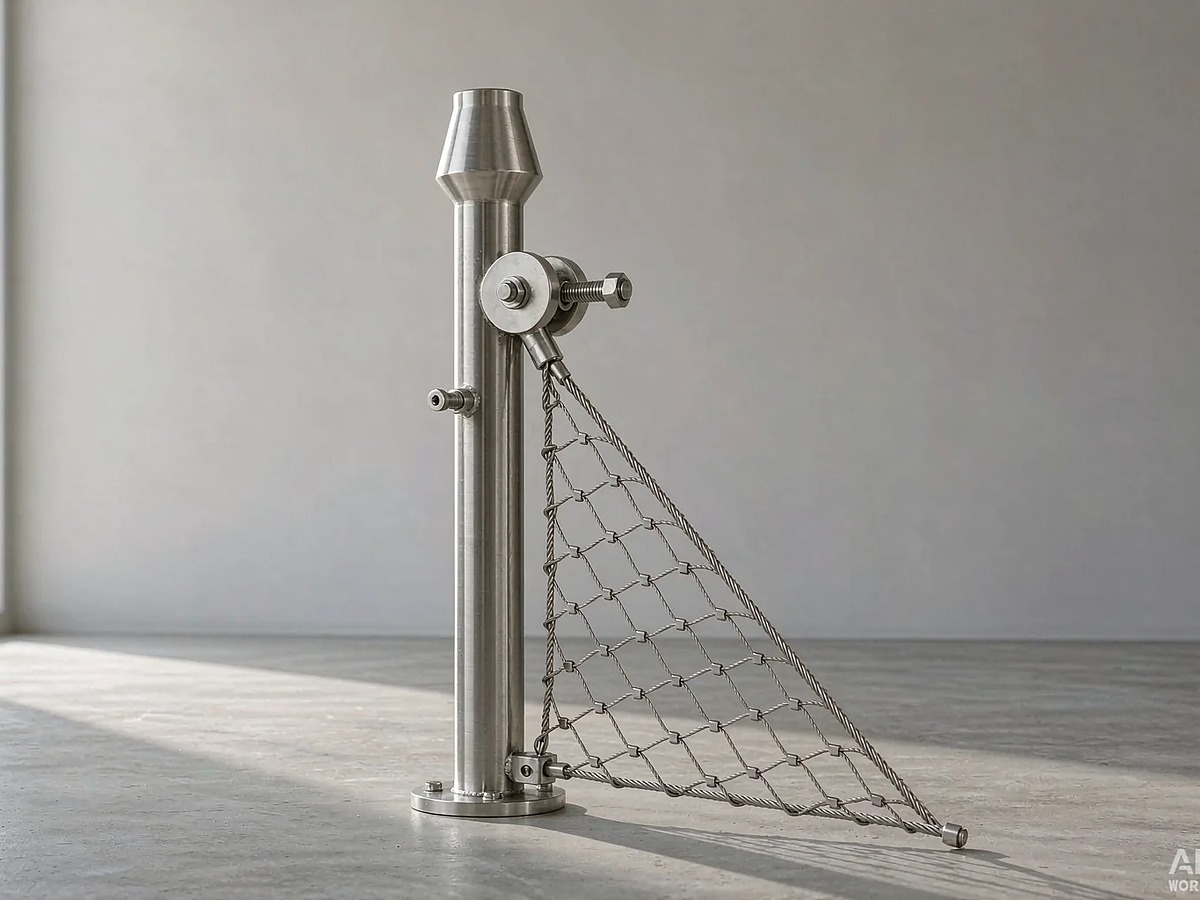
A workshop door may need two layers: fine woven screen for insects and a rigid guard where carts strike the door. If you are asking a stainless steel wire mesh manufacturer about the welded guard, specify the insect cloth separately. If the brief includes forced-entry resistance, ask for evidence for the complete frame and locking assembly. XTZ Fence’s guide to metal security screen mesh covers that separate buying decision.
Check the frame before replacing a mosquito wire screen
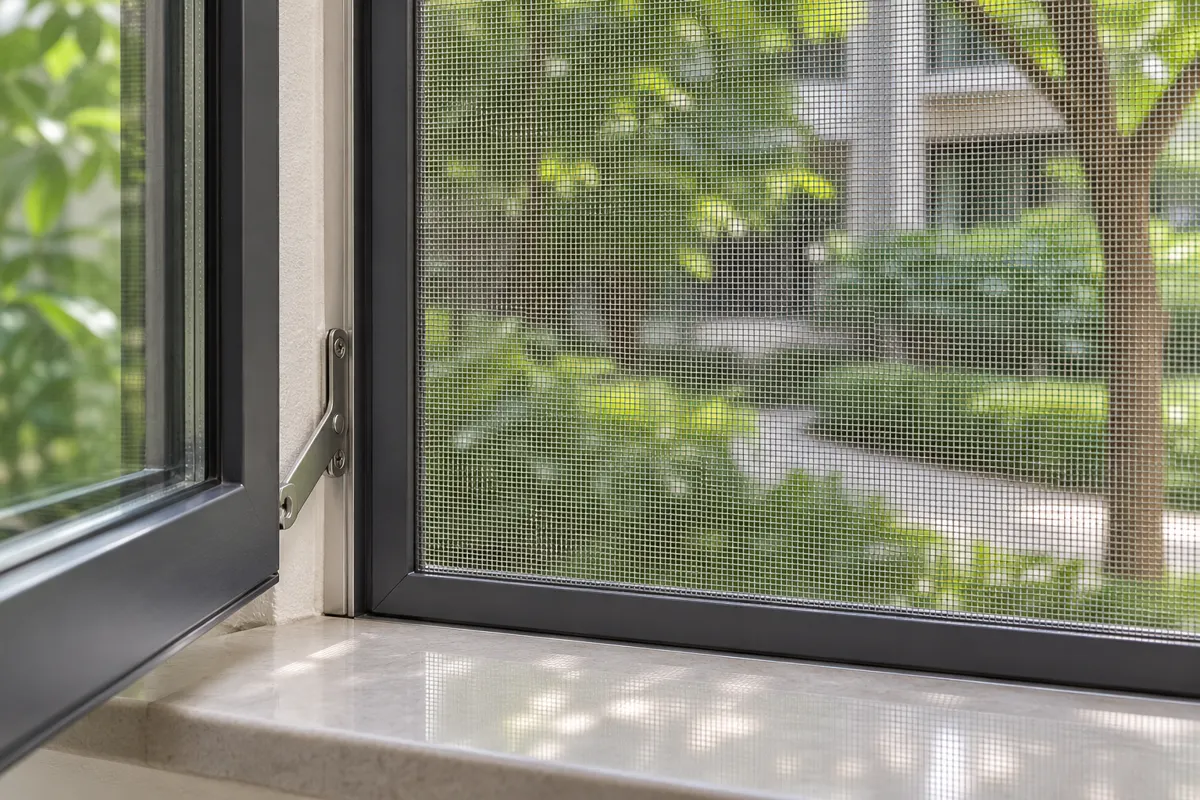
Open the sash and inspect the screen in daylight. Look first at the hinge side, the sill and the corners of the removable frame. An intact panel can leave a mosquito-sized route around its edge. The CDC recommends installing or repairing window and door screens and keeping doors closed.
For a replacement, measure the frame in more than one place and keep a short piece of the old spline, the cord that holds the cloth in its groove. Ask the frame supplier which spline fits the new mesh thickness. Test an offcut in one corner before cutting a whole roll. After refitting the panel, close the window and operate the handle to check clearance.
How to compare SS 304 mosquito mesh prices per square foot
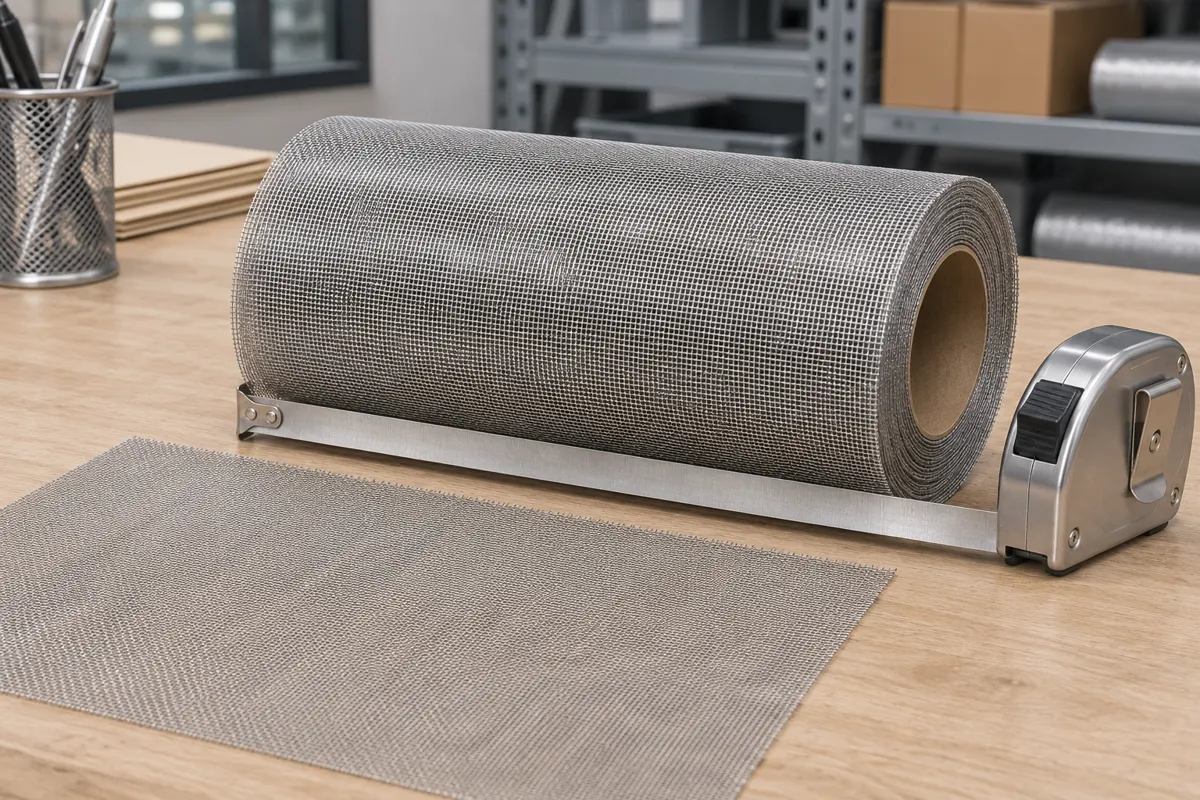
One linear yard of 3-foot-wide cloth covers 9 square feet. The same length on a 4-foot roll covers 12. Divide the quoted price per yard by 9 or 12, respectively, to get the nominal price per square foot. For a full roll, divide its price by width times length, using feet for both measurements.
The less expensive roll per square foot can still cost more per finished panel. Suppose the cutting list calls for ten blanks, each 22 × 36 inches including trimming allowance. A 36-inch roll can take the 36-inch edge across its width and use 220 linear inches for ten blanks. A 48-inch roll can fit two 22-inch blanks side by side and use 180 linear inches. That layout works only if you can rotate the cloth or the specified weave direction permits it. Sketch the cuts before comparing delivered prices.
Ask both suppliers to quote the same grade, wire diameter, opening and quantity. Separate cutting, freight, frame hardware and installation. A price for loose cloth and a price for a fitted window screen cover different work.
Common questions about metal mosquito mesh
Can I identify 304 stainless screen by its color?
Silver, gray and black describe appearance. Aluminum, stainless steel and coated materials can look similar in a small product photo. If grade matters to the purchase, request the material designation on the quotation and agree on the documentation before ordering.
Will a finer screen make the room darker?
It can. Wire diameter and finish matter along with count. Hold both samples in the actual window and look through them toward the usual daylight background. This also reveals glare that is hard to judge against a white sample card.
Can ordinary insect mesh serve as a security screen?
Fine insect cloth serves as an insect barrier. For a security door, request test information for the proposed assembly, including its frame, fasteners and lock. A stainless grade on a roll label says little about how a fitted door resists a load.
Why are mosquitoes still getting in after rescreening?
Look for a loose spline, a bent frame corner or daylight under the door sweep. Also check other openings and doors that stay propped open. If the perimeter is sound, inspect the cloth for small tears and check nearby containers for standing water.
What should I send with a request for a stainless mesh quote?
Send XTZ Fence the opening dimensions, the number of panels and a photo of the frame groove. Include your preferred grade, target clear aperture, roll or cut-piece format and delivery destination. If a protective guard is part of the job, mark it separately on the drawing so both layers can be priced.
Sources
- CDC — Mosquito Control at Home, for screen repairs and checks around the home.
- Australian Stainless Steel Development Association — Preventing Coastal Corrosion, for grade selection and sheltered salt exposure.