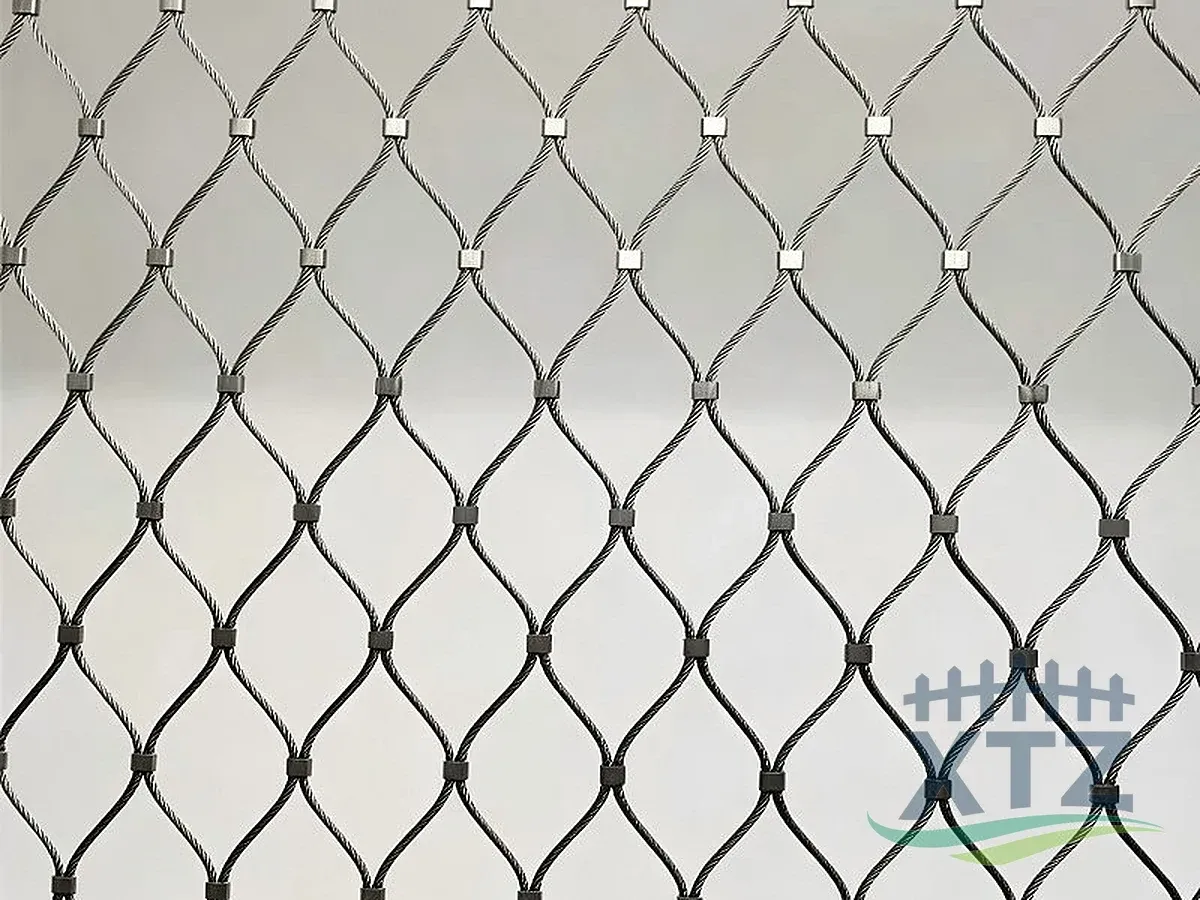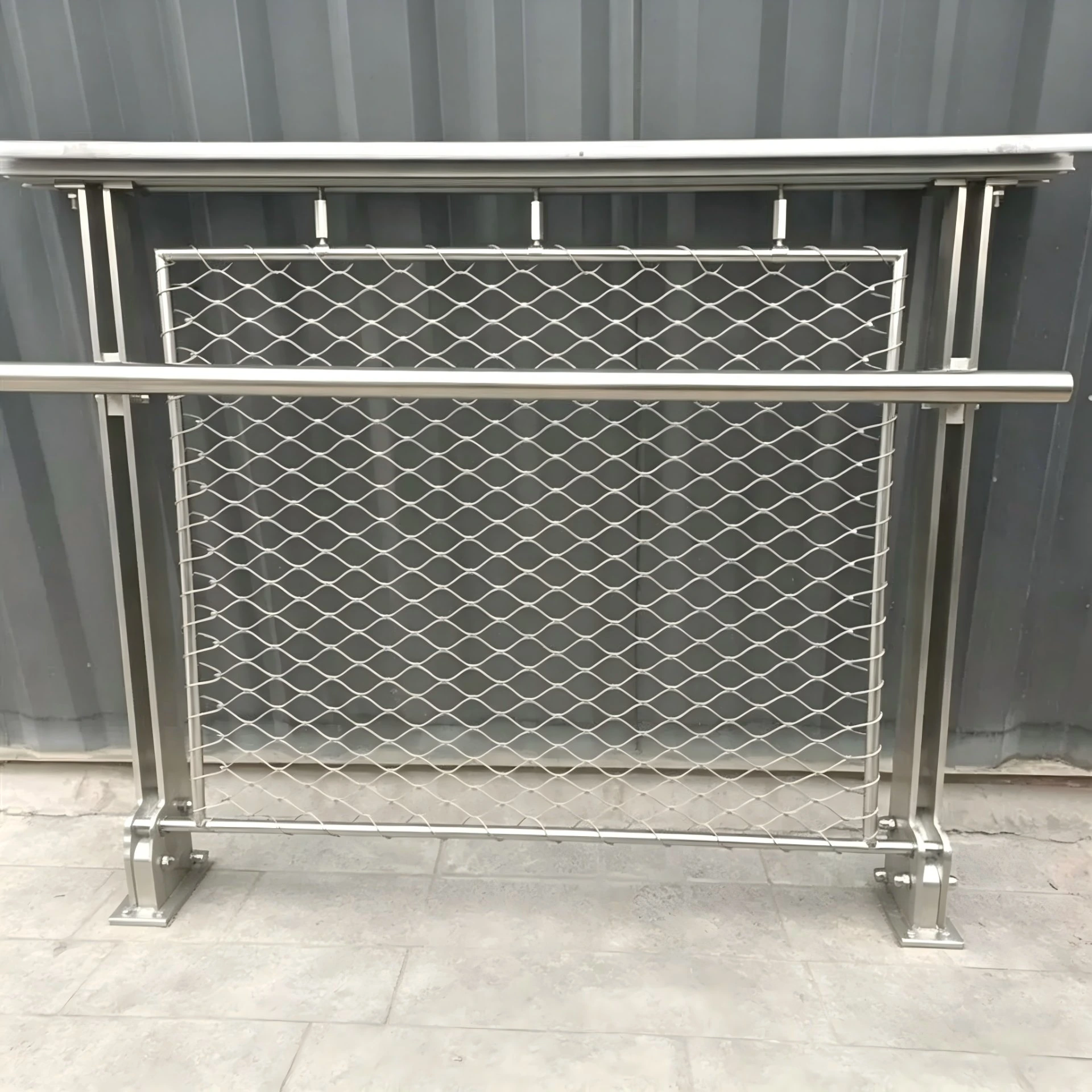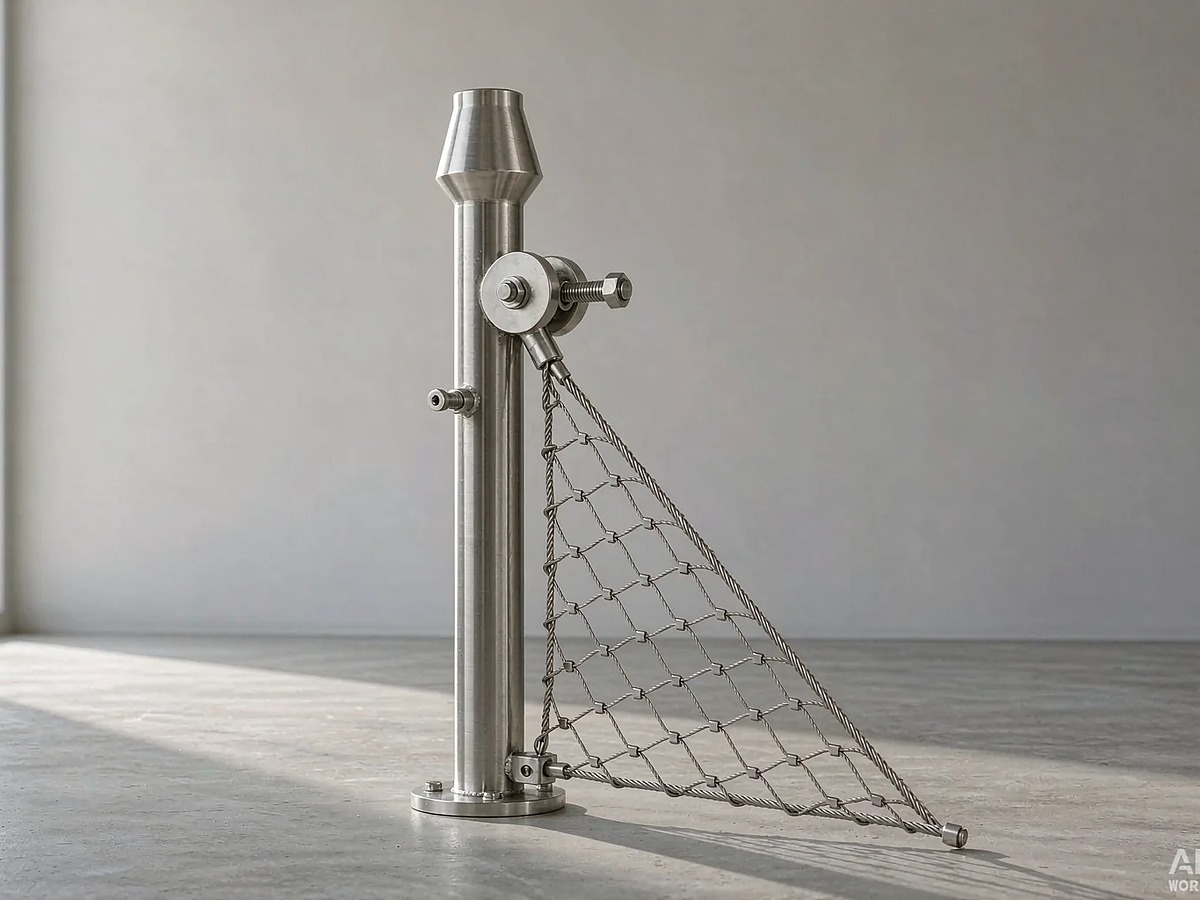
Austenitic stainless steel is a family of chromium-containing steels with a face-centered cubic crystal structure. Familiar grades include 304 and 316. Buyers choose them for their combination of corrosion resistance, formability and toughness. For wire mesh, the grade, wire condition, mesh construction and finished assembly all influence how the material performs.
What makes stainless steel austenitic?
“Austenitic” describes the metal’s internal structure. Alloying elements help retain that structure at room temperature. Nickel is important in common 300-series grades, while manganese and nitrogen also play a role in some austenitic compositions. Chromium supplies the basis for stainless steel’s protective surface film. These elements serve different purposes, which is why specifying only “stainless” leaves a material order incomplete. [1, 2]
The distinction becomes practical when wire is drawn, bent, woven or welded. Two meshes with the same opening and wire diameter may use different grades or wire conditions. They can respond differently during fabrication even when their surfaces look alike.
Common austenitic stainless steel grades
| Grade or group | What it means for a mesh enquiry | What to confirm |
|---|---|---|
| 304 | A widely used chromium-nickel grade for many general-purpose applications | Exposure, finish, wire condition and cleaning access |
| 316 | A chromium-nickel-molybdenum grade often considered for more demanding corrosion exposure | The actual chloride or chemical conditions, including deposits and sheltered surfaces |
| 304L and 316L | Lower-carbon variants relevant to welded fabrication | Grade on the order, welding procedure and finished surface treatment |
| Other austenitic grades | Different compositions can address particular forming, temperature or corrosion requirements | Availability in the required wire product and suitability for the specific duty |
Outokumpu identifies 304 and 304L among its standard austenitic grades and describes enhanced grades for more demanding environments. A material family name still leaves the product standard and delivery condition to be specified. [1]
Austenitic, ferritic and duplex stainless steel compared
The useful comparison starts with the job the mesh has to do. A fine filter cloth, a rigid machine guard and a tensioned cable net place different demands on the material. The following table gives orientation for a purchasing discussion.
| Family | Structure and typical examples | Selection questions |
|---|---|---|
| Austenitic | Austenitic structure, including familiar 304 and 316 grades | How much forming is required? What corrosion exposure and wire condition apply? |
| Ferritic | Ferritic structure, with 430 as a familiar example | Does the chosen grade meet the corrosion and fabrication requirements? |
| Martensitic | A family that includes heat-hardenable grades used for applications such as cutting tools | What hardness, toughness and corrosion performance does the finished component require? |
| Duplex | A mixture of austenite and ferrite | Is its combination of strength and corrosion resistance useful, and can the specified mesh and joints be supplied? |
Austenitic grades are valued for ductility and toughness. Duplex grades offer another balance of properties, with more demanding fabrication considerations in some applications. Compare actual grade data in the relevant condition before substituting between families. [1, 2]
Within the austenitic family, the 200 series includes chromium-manganese compositions, while familiar 300-series choices include chromium-nickel and chromium-nickel-molybdenum grades. Request the full designation when comparing alternatives. A change of series brings a composition change that needs review against the intended duty. [1]
How cold working changes stainless wire and mesh
Cold working can increase the strength and hardness of austenitic stainless steel. It also changes the forming behavior. Wire drawing, crimping and bending therefore belong in the material discussion, particularly when a fabricator needs to fold a mesh edge or pull a panel into a frame. [1]
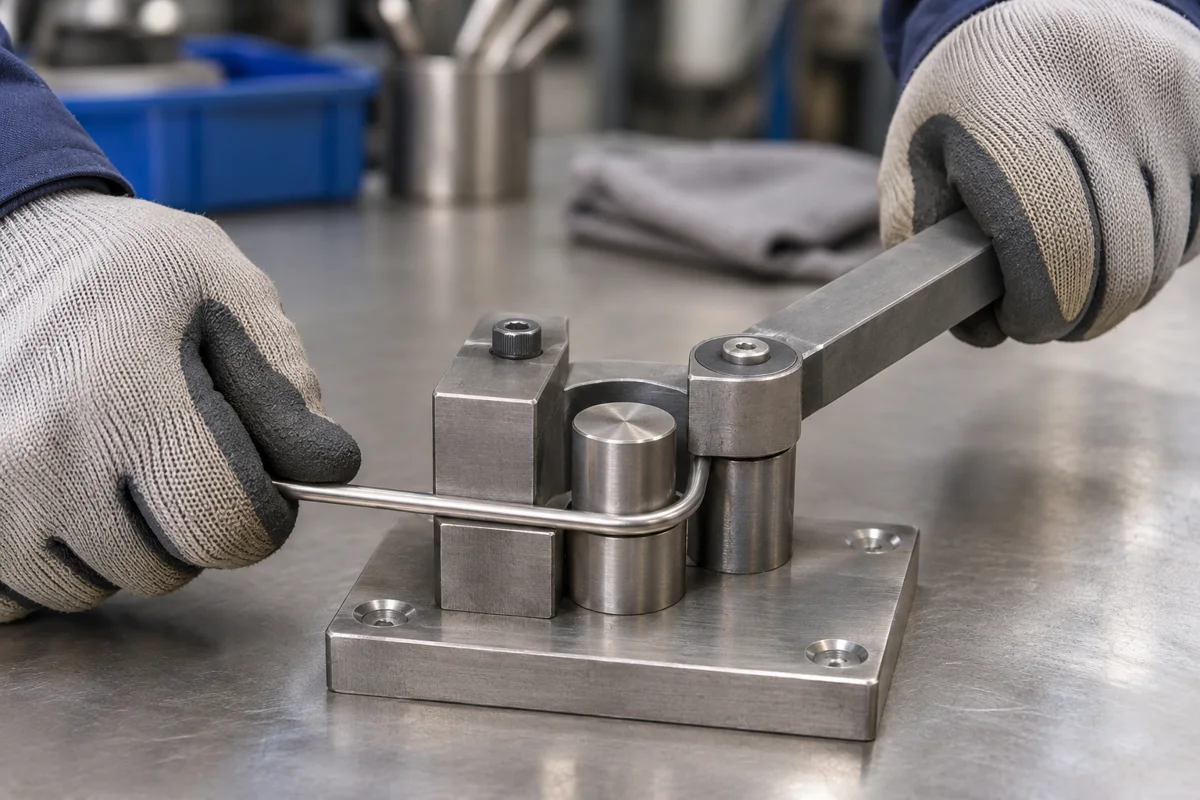
For example, a designer may choose a woven mesh from a small sample and then add a folded return around the perimeter. Before ordering full panels, the fabricator should check whether the selected wire condition and weave can form that return cleanly. The sample approval should cover the edge as well as the flat pattern.
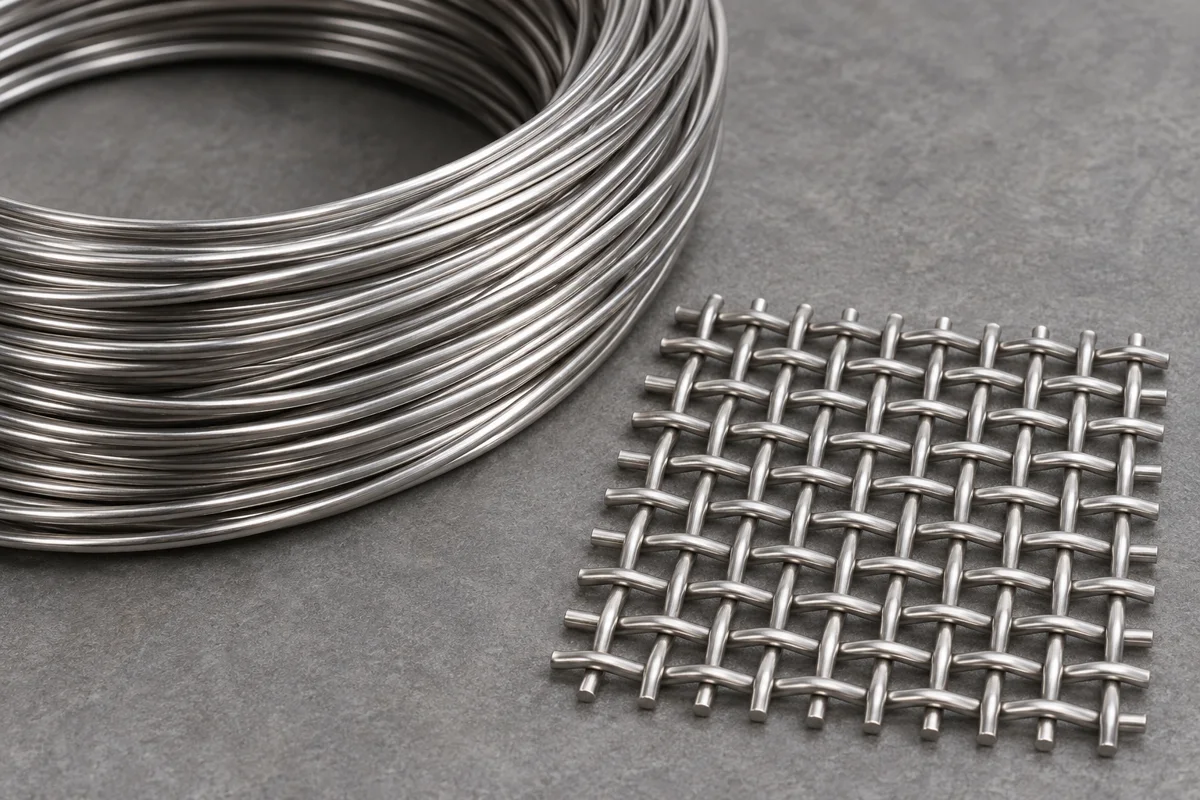
XTZ Fence’s range includes stainless steel wire mesh for industrial use. For a fabricated screen or guard, specify the finished shape, opening, wire diameter and support detail together. If the project uses crimped woven wire mesh, include the crimp pattern and orientation so the workshop can evaluate the actual construction.
Material strength figures need a stated delivery condition. A number taken from an annealed sheet data table cannot establish the capacity of a cold-drawn wire, a weld or an installed fence. Ask which test or calculation supports the property that matters to your component.
Is austenitic stainless steel magnetic?
Common wrought austenitic grades such as 304 and 316 generally show little magnetic attraction in the annealed condition. Cold working can create magnetic martensite, so a formed or drawn part may attract a magnet. Composition and the amount of deformation affect the result. [3]
This is particularly relevant to wire. A buyer might notice a pull at a bent edge and question the supplied grade. Record the observation, check the material documentation and agree an appropriate verification method with the supplier. If low magnetic permeability is a functional requirement, put a measurable acceptance criterion and test condition in the purchase specification.
ASSDA explains that solution annealing can remove cold-work-related magnetic effects while also reducing tensile properties and potentially distorting a fabrication. Any proposed treatment needs to account for the component’s original mechanical requirements. [3]
Corrosion, welding and the meaning of low-carbon grades
Choose a grade for the exposure it will actually see. Salt deposits, cleaning chemicals, trapped moisture and crevices deserve attention alongside the broad indoor or outdoor location. A wire mesh may have many small contact points and a large exposed surface, while its frame and clamps create additional sheltered areas.
The molybdenum addition in 316 is one reason buyers consider it for more demanding corrosion conditions. Keep a separate record of the grade used for wires, cables, ferrules, frames and fasteners. A single alloy name in a quotation may leave some of those parts unspecified. [1]
Welding introduces another question. Under certain thermal conditions, chromium-rich precipitates can develop at grain boundaries and reduce local corrosion resistance. This is sensitization. Low-carbon variants and stabilized grades can reduce susceptibility, with the fabrication procedure and cooling conditions also influencing the outcome. [4]
For a welded frame carrying a stainless steel mesh fence, ask the supplier to identify the frame material, wire material and agreed post-fabrication surface condition. The drawing should also make accessible edges and drainage details clear.
Where austenitic stainless steel fits XTZ mesh products
Match the material choice to the construction. XTZ Fence lists custom rolls, panels and framed assemblies across its mesh range. The information needed to choose a grade changes with the product being ordered.
- For stainless steel cable mesh, specify cable construction, opening, panel geometry, edge treatment and the materials of associated fittings.
- For woven industrial mesh, define the opening or filtration duty, wire diameters, weave and support arrangement.
- For decorative stainless steel mesh, approve a finished sample under the intended lighting and agree how the pattern meets its frame.
A decorative finish can change appearance without answering the grade question. Keep the material designation and the finish description as separate entries in the order. When a project requires additional inspection records, name them before production so the supplier can confirm the available scope.
What to put in an austenitic stainless mesh specification
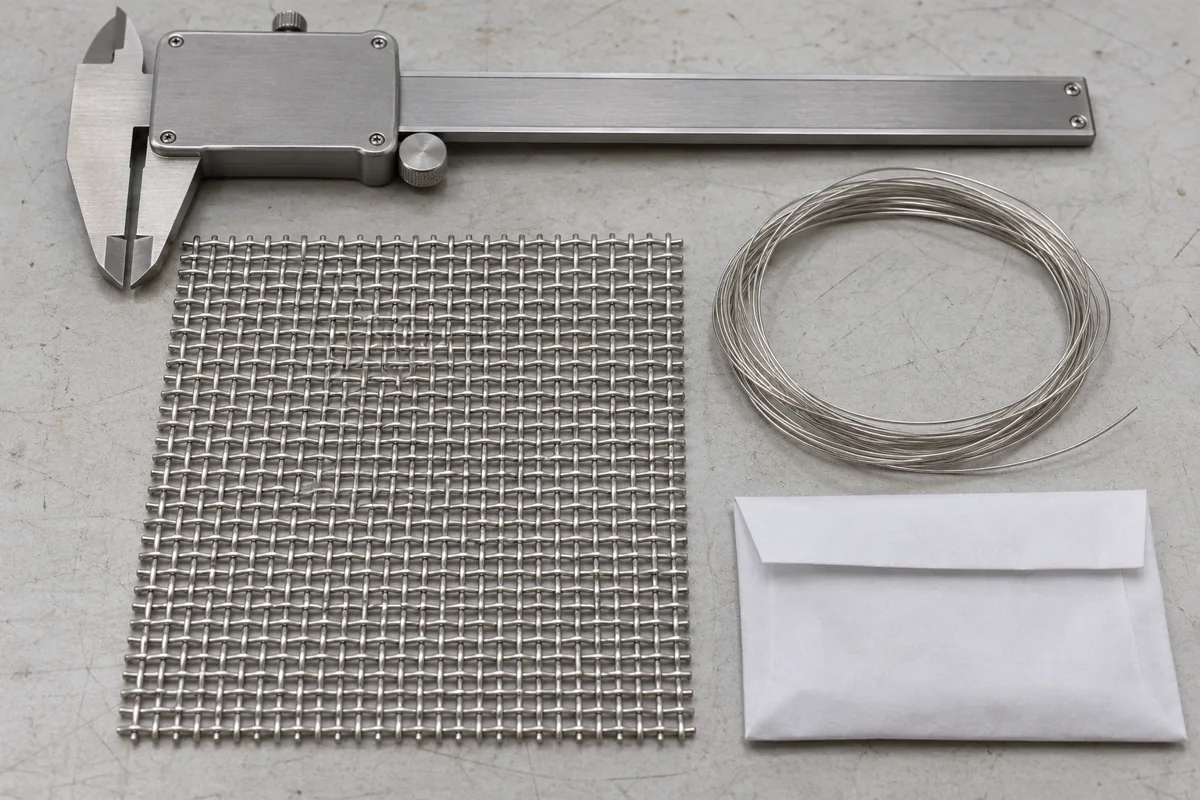
A useful enquiry lets the supplier connect the material requirement to the finished item. Include the following information in a drawing or schedule.
| Item | Information to record |
|---|---|
| Material | Grade designation, relevant product standard and delivery condition where required |
| Mesh | Construction, opening, wire or cable diameter, orientation and finished dimensions |
| Fabrication | Cut edges, folds, welds, frame details and agreed surface finish |
| Environment | Location, likely salts or chemicals, temperature and cleaning method |
| Acceptance | Dimensional tolerances, required material records and any project-specific tests |
For an XTZ Fence enquiry, send the intended use, a dimensioned sketch and the required material grade. Add the finish sample reference and documentation requirements where they form part of acceptance. That gives the team a defined scope to review.
Austenitic stainless steel questions
Are 304 and 316 both austenitic stainless steels?
Yes. Both are familiar austenitic grades, with different compositions and corrosion-selection considerations. The grade should be identified for each relevant component. Wire, a frame and its fasteners may be ordered separately, so check that the finished assembly schedule covers all of them.
Can austenitic stainless steel be hardened?
It can gain strength and hardness through cold working. Conventional heat treatment does not harden common austenitic grades in the same way it hardens martensitic steels. Ask for material properties in the supplied condition and consider whether later forming or welding will affect the specified part. [1, 2]
Does magnetic attraction prove that a mesh is the wrong grade?
A magnet response alone leaves the grade unresolved. Cold working can produce magnetic attraction in common austenitic stainless wires. Review the order and traceability documents, then agree a suitable material-verification method if there is a discrepancy. Applications requiring low permeability need their own stated acceptance criteria. [3]
Is austenitic stainless steel suitable for every outdoor location?
Outdoor conditions vary considerably. A sheltered coastal screen, a rain-washed inland fence and a chemically cleaned enclosure face different exposure. Select the grade and finish for that setting, then review joints, drainage and maintenance access. Provide the supplier with those conditions when requesting a recommendation.
What does the L in 304L or 316L mean?
The L identifies a lower-carbon variant. It is relevant to controlling sensitization risk during welded fabrication. Whether it is needed depends on the specified product and fabrication route. Record the required grade explicitly and agree the welding and surface-treatment requirements for the assembly. [4]
Does stronger wire automatically make a stronger mesh barrier?
The installed barrier also depends on mesh geometry, joints, edges, frames and anchors. A wire test describes a material component under a stated test condition. Ask for evidence appropriate to the complete barrier and the project loads when the mesh serves a protective function.