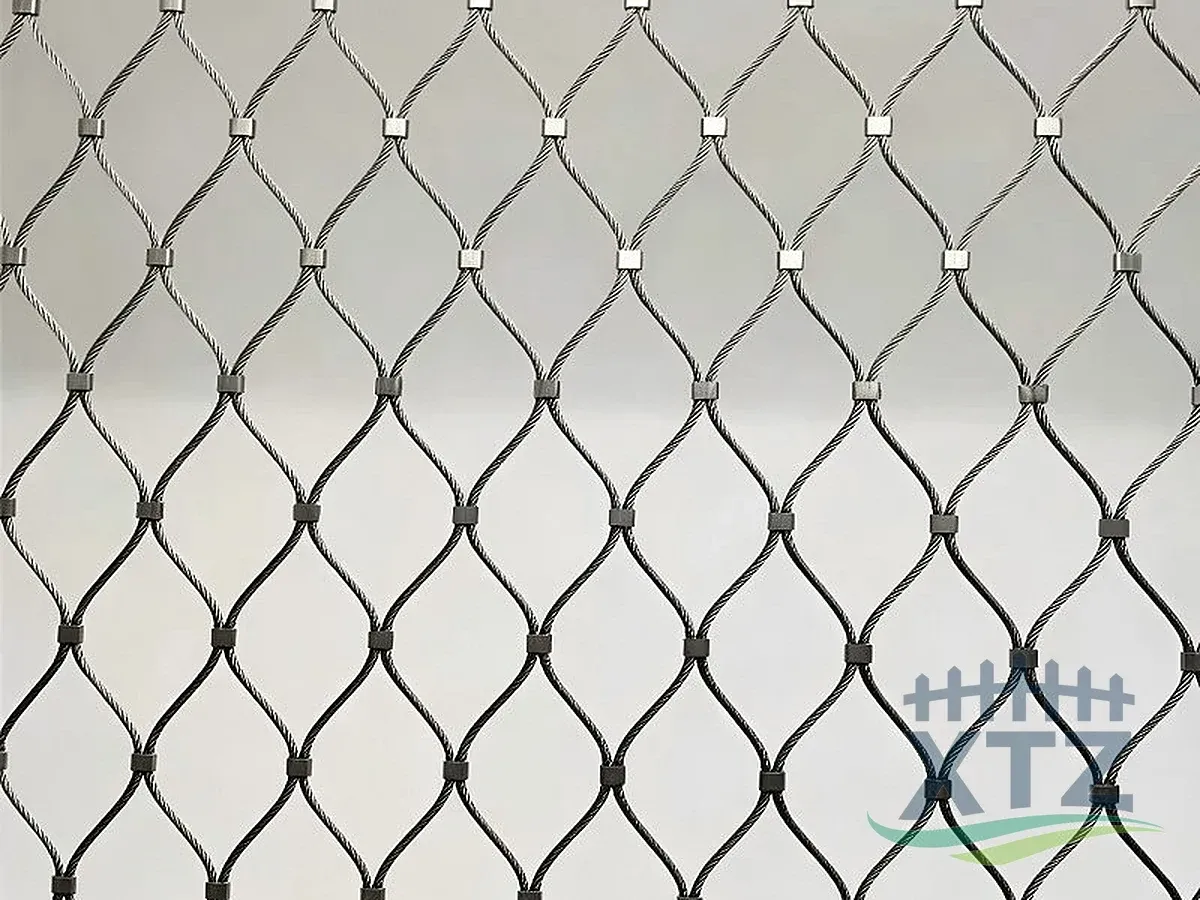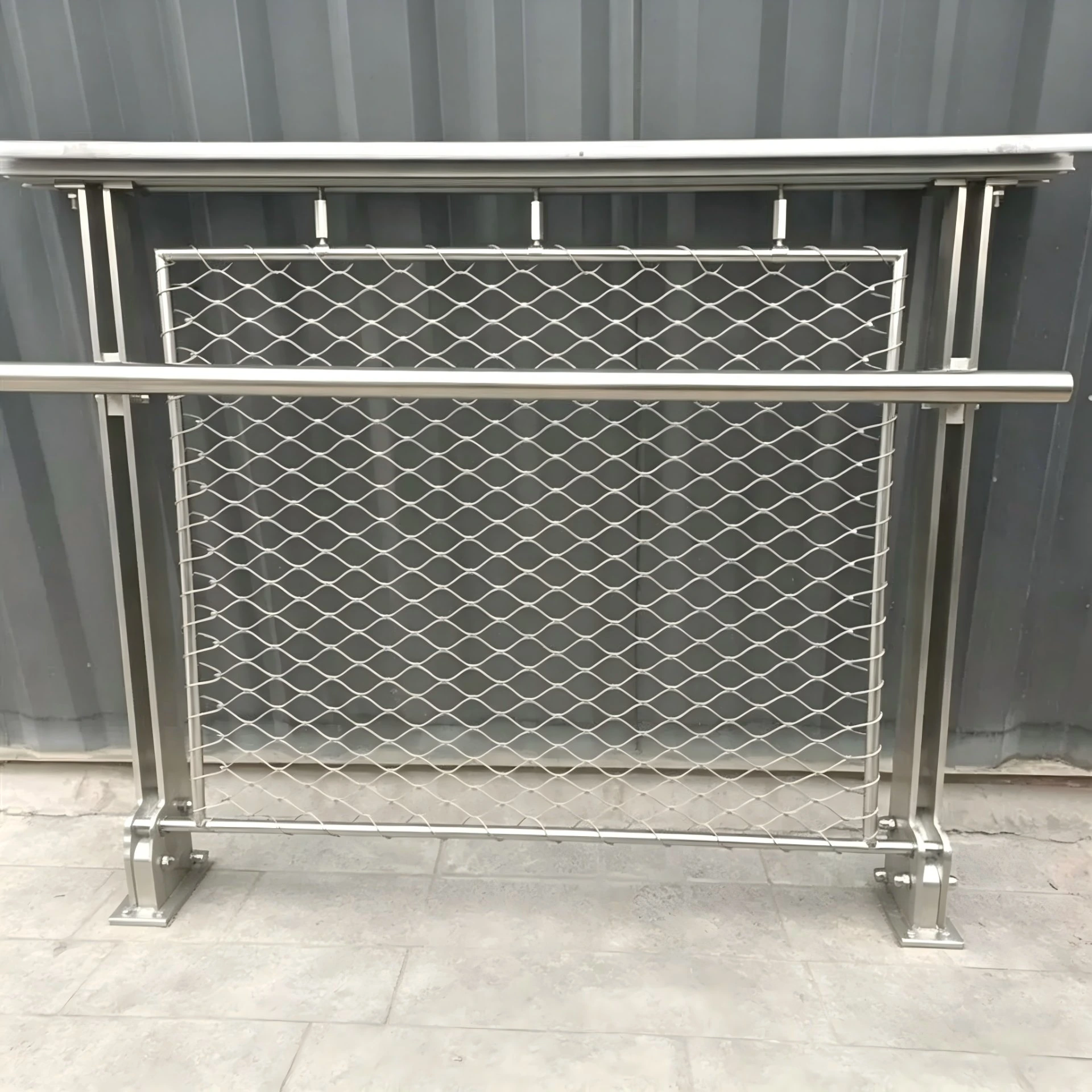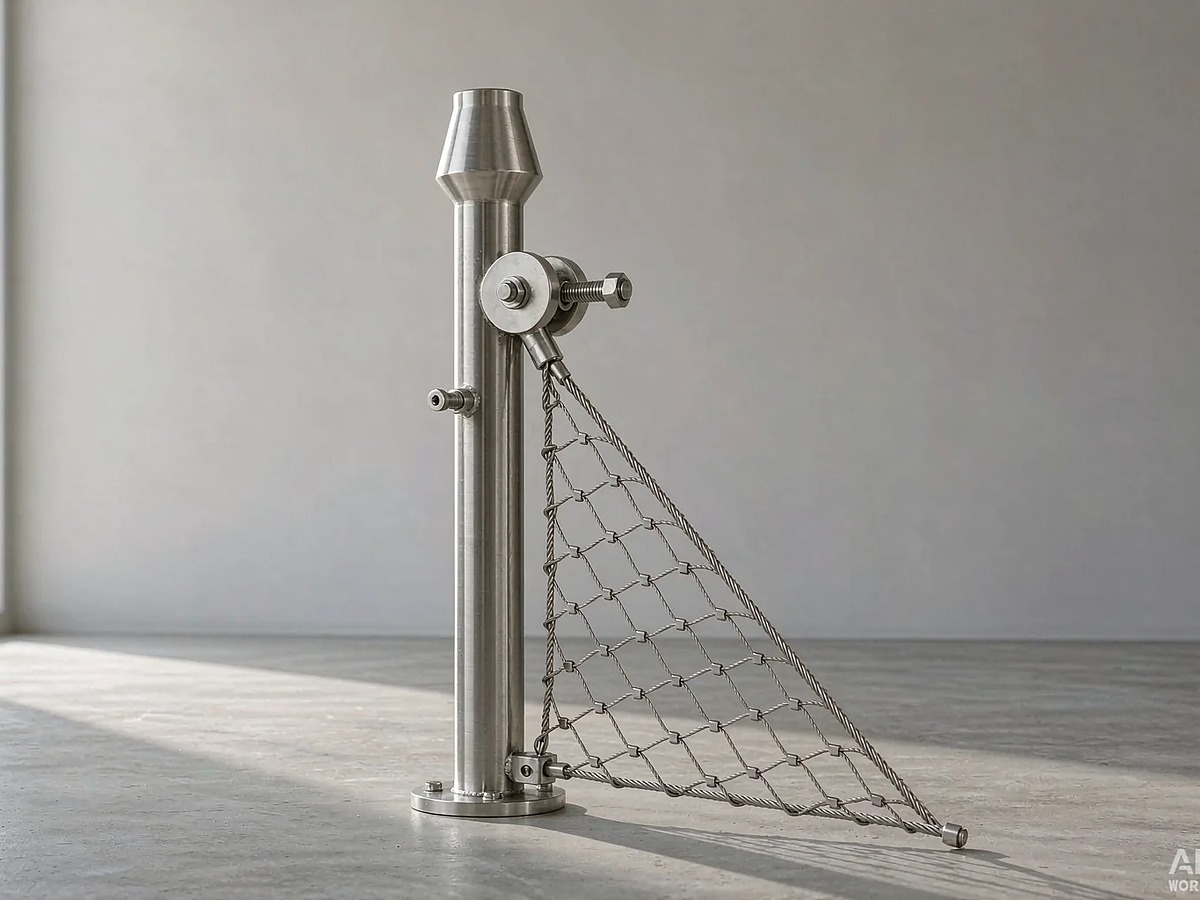
Expanded metal is made by slitting and stretching sheet into an interconnected mesh. Perforated metal has holes punched or otherwise cut through sheet. Expanded metal creates a directional strand pattern; perforated metal offers controlled hole layouts and solid margins. The choice depends on the panel’s function, geometry and fabrication requirements.
Both appear in screens, guards, partitions and architectural panels. Two samples can have similar openness while looking different at an angle or requiring different mounting details. Start with how the panel will be used, then compare complete specifications.
How the manufacturing process changes the surface
Expanded metal: slit and stretch
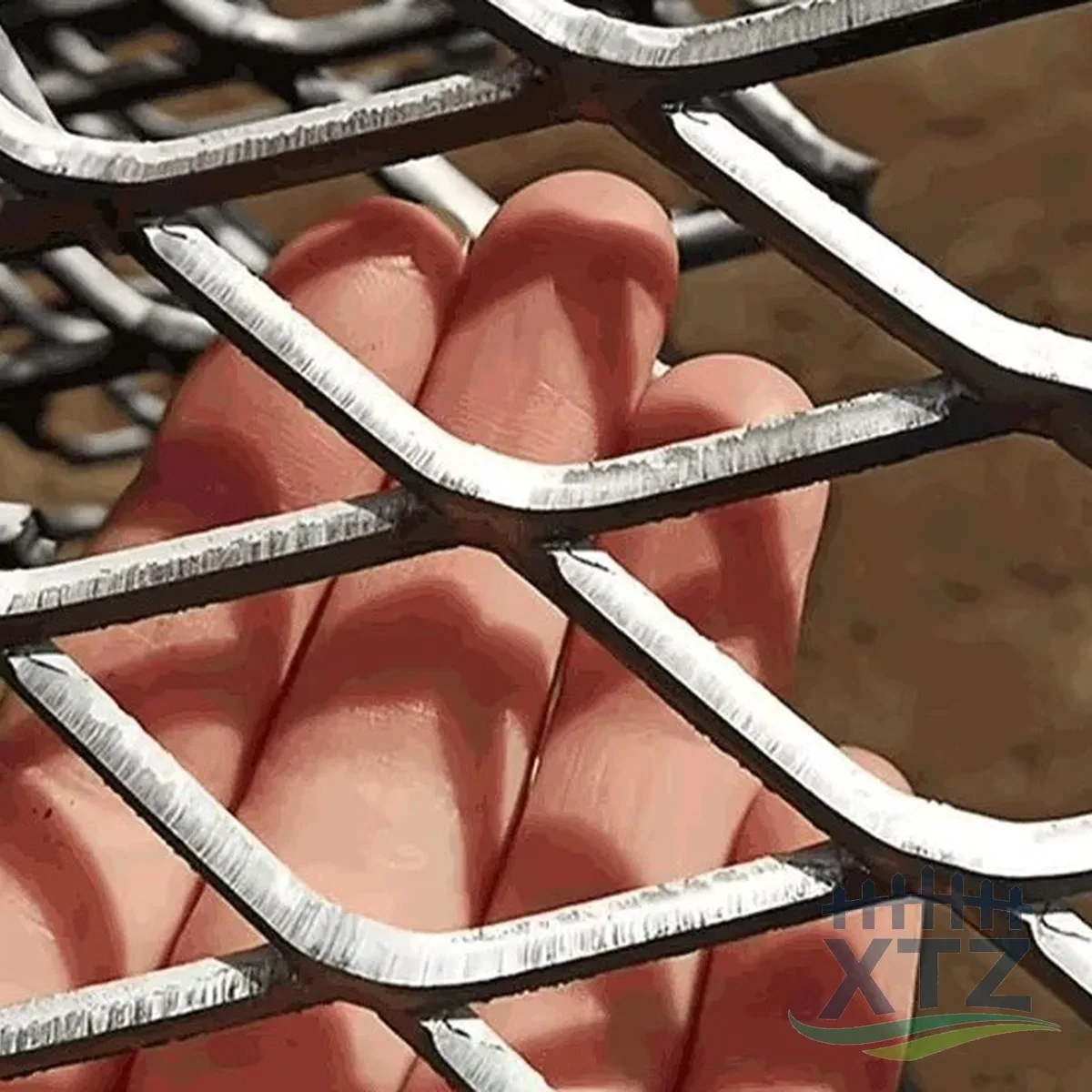
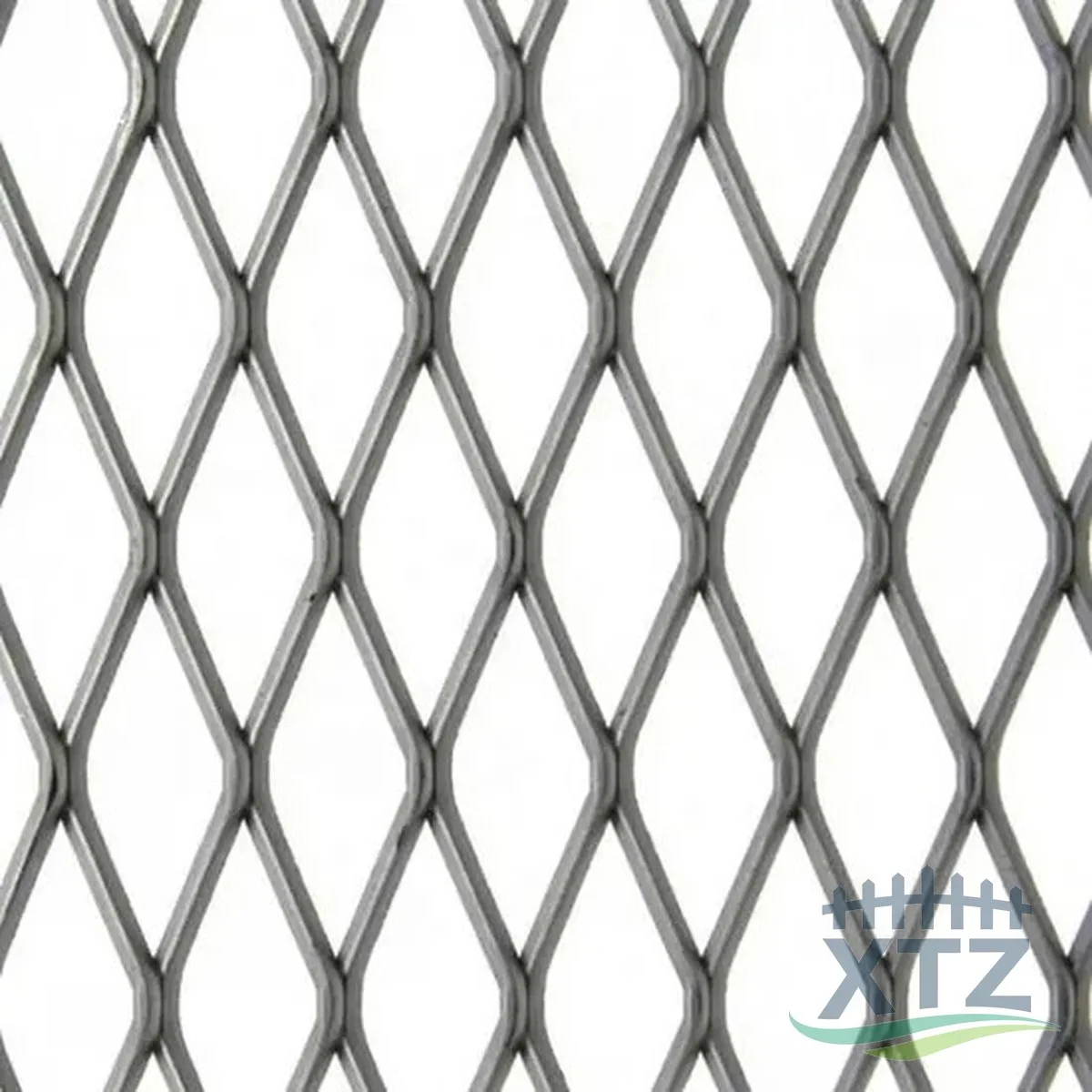
A sheet is slit and opened out to create connected strands and bonds. The common result is a diamond pattern with a three-dimensional profile. Flattening is an additional operation that changes the profile and finished dimensions.
The openings are formed without punching an individual slug from every hole. That can improve material utilisation, although trimming and other production losses still exist. “Zero waste” is too absolute a description of a finished-panel manufacturing process.
XTZ Fence’s stainless steel expanded metal mesh is specified by mesh geometry, strand dimensions, sheet size and profile. A photograph of a diamond pattern does not communicate all of those dimensions.
For expanded metal, distinguish the long and short diamond dimensions from the clear openings within them. Suppliers commonly use LWD and SWD for diamond repeat dimensions, and LWO and SWO for openings. Confirm the measurement points on a drawing, along with strand width and whether thickness means the strand or the overall raised profile.
Perforated metal: a pattern of openings in sheet
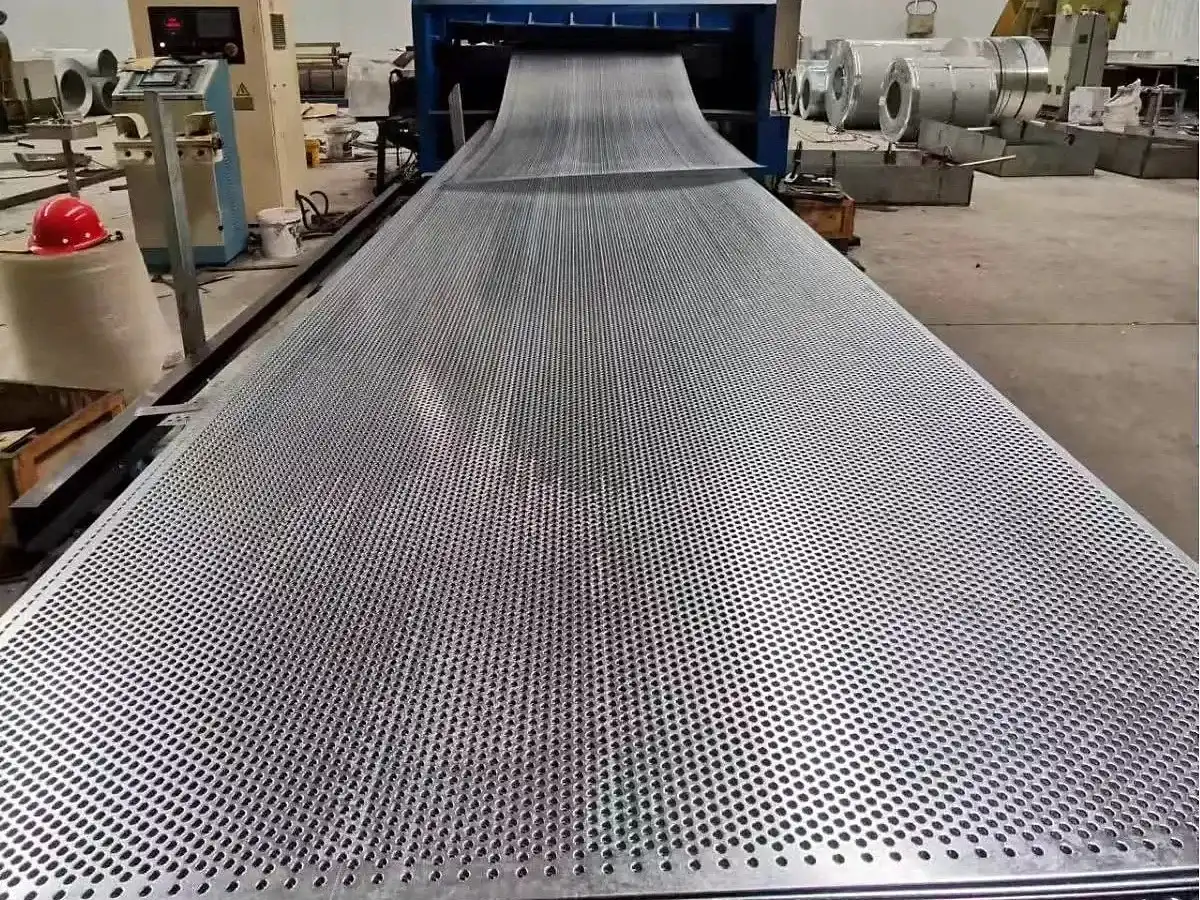
Perforation creates holes through sheet. Round holes are familiar, but square and slotted patterns are also available. Hole layout can leave solid margins or unperforated zones where the panel needs fixing points or folds.
The remaining sheet between holes forms the ligaments that carry loads. Hole shape, spacing and arrangement affect openness and fabrication behaviour. The perforated stainless steel mesh product family therefore needs both the pattern specification and the finished-panel drawing.
Expanded metal vs perforated metal: practical differences
| Feature | Expanded metal | Perforated metal |
|---|---|---|
| Opening formation | Sheet is slit and stretched | Holes are made through sheet |
| Typical pattern | Connected strands, often diamond-shaped | Round, square, slots or other specified layouts |
| Surface profile | Raised or flattened | Sheet surface with through-holes; burrs and flatness need specification |
| Viewing direction | Raised strands can strongly affect angular visibility | Hole shape, depth and layout affect visibility |
| Solid margins | Edge and framing details need coordination | Unperforated zones can be incorporated into the layout |
| Dimensions to define | Diamond geometry, strand width, thickness and profile | Hole size, pitch, arrangement, thickness and margins |
| Cost basis | Finished specification, forming, edges and quantity | Finished specification, tooling, pattern, edges and quantity |
Open area, airflow and visibility are different measurements
Open area describes the proportion of projected surface occupied by openings. It is useful for comparison, but it does not directly specify ventilation capacity, pressure loss or privacy. Sheet thickness, opening shape, strand angle, flow direction and the supporting assembly also affect performance.
For round holes on a straight square pitch, the geometric open area of the perforated field is:
Open area (%) = 78.54 × (hole diameter ÷ centre pitch)²
For the same round holes on a regular 60-degree staggered pattern, it is approximately:
Open area (%) = 90.69 × (hole diameter ÷ centre pitch)²
Using 5 mm holes at 8 mm centres gives approximately 30.7% for straight rows and 35.4% for the staggered arrangement. These are geometric examples, not performance ratings or available-stock claims. Solid margins reduce the open percentage of the whole panel. A perforated-sheet calculation reference distinguishes the pattern arrangements and the perforated field from solid regions.
Expanded metal needs its own projected-open-area information for the specified profile. Rotate a raised sample and the view through it can change. For a facade or privacy screen, inspect a sample in the intended orientation with the actual lighting direction.
Which is stronger or lighter?
Neither product has one strength value that applies to every specification. Expanded metal has a continuous strand network and a directional profile. Perforated sheet retains material around its holes, and its stiffness changes with thickness, hole pattern, ligament width and any formed edges.
Equal starting-sheet thickness does not mean equal finished depth, weight or stiffness. Compare the finished mass per square metre, support span, load direction, edge restraint and permitted deflection. A folded perforated panel and an unframed expanded sheet are different assemblies.
For a walkway or loaded platform, use a product and support design with appropriate load information. A raised texture by itself does not prove load capacity or slip performance. Thin decorative mesh should not be selected as flooring simply because another expanded-metal product is used for that purpose.
Edges, folds and installation can decide the choice
Cut expanded metal can leave exposed strand ends. The design may need a frame, edge strip or other treatment. Define the diamond direction and whether the cut edge follows complete diamonds or passes through them.
Perforated panels may be folded into trays or fitted using solid borders. Hole-to-edge distance, bend position and burr direction should be agreed before fabrication. Perforating can also affect flatness, so a flat-looking rendering is not a flatness tolerance.
For visible interiors, compare finish samples alongside the panel geometry. XTZ Fence’s decorative stainless steel mesh offers another route when a woven texture or architectural mesh pattern is the main requirement.
Choosing by application
| Requirement | Useful starting point | Check before deciding |
|---|---|---|
| Directional depth or shading texture | Raised expanded metal | Orientation, view angle and fixing layout |
| Defined holes and solid fixing margins | Perforated sheet | Hole pattern, margins, folds and flatness |
| Ventilated machine enclosure | Either, subject to design | Hazard separation, airflow needs and panel attachment |
| Acoustic facing | A tested assembly, often using perforated facing | Backing material, cavity and measured system performance |
| Fine particle separation | Evaluate the actual opening and separation duty | Whether finer woven media or another screen structure is required |
Perforated metal alone does not automatically absorb sound. An acoustic panel may rely on a backing layer, an air cavity or a designed resonant construction. Specify the performance of the assembly. Likewise, a stated open area does not establish a particle-retention rating.
If the requirement is a square grid of joined wires rather than a sheet-derived mesh, consider stainless steel welded wire mesh. For a complete fence, stainless steel welded wire mesh panels introduce frames, posts and connections that belong in the same comparison.
Cost and material selection
Expanded metal can benefit from efficient use of the starting sheet, but a finished installed panel has additional costs. Flattening, edge treatment, frames, finishing and packing can change the price. Perforated metal may require more pattern processing yet simplify a folded-panel or solid-margin design.
Compare drawings and finished quantities rather than assuming a fixed percentage saving. Select the stainless steel grade and finish for the exposure independently of the opening process. Neither expanded nor perforated construction makes an unsuitable material grade appropriate for a corrosive environment.
Frequently asked questions
Is expanded metal the same as wire mesh?
It is often grouped under the broad term “metal mesh,” but its structure is different. Expanded metal starts as sheet that is slit and stretched. Welded and woven wire mesh start as individual wires. Use the construction name when specifying a replacement or requesting dimensions.
Is perforated metal always smoother?
Its main sheet surface is generally flat, but punched holes can have burrs and edges still need finishing. Expanded metal can be flattened, although its strand profile remains different. Specify the surface, burr condition and edge treatment required for areas that people may touch.
Which gives better airflow?
There is no universal winner. Compare the actual free area, thickness, opening geometry and installation. For a flow-critical enclosure, use pressure-drop data or testing at the required operating conditions. Two panels with equal projected openness can offer different resistance to airflow.
Does higher open area always make a better screen?
No. More openness may improve sightlines or reduce obstruction, but it also changes the remaining metal and what can pass through. Privacy, impact resistance, screening duty and attachment requirements may favour a different pattern. Choose openness together with the other project conditions.
What details are needed to compare both materials fairly?
Use the same application, material grade, overall panel dimensions and support conditions. Then define each product’s geometry, edge treatment, finish and quantity. Include installation constraints and the required performance so that the comparison covers finished panels rather than unrelated raw sheets.
For an XTZ Fence screen or panel project, send the intended use, dimensions, installation sketch and preferred appearance. A clear brief allows expanded and perforated options to be evaluated against the same requirements.