
Stainless Steel Conveyor Belt Mesh
Continuous wire is formed into interlocking loops that compress, recover and conform to complex shapes.
- Family
- Stainless Steel Conveyor Belt Mesh
- Supply form
- Rolls, pads, sleeves or formed parts
- Typical use
- Mist eliminators, Vibration damping, Seals
Stainless Steel Conveyor Belt Mesh
Filmed on the XTZ factory floor - the production process behind every Stainless Steel Conveyor Belt Mesh: raw stainless steel coil, precision cutting and forming, weaving and welding, frame assembly, surface finishing and final quality inspection before packing.
What to confirm.
Define this item from drawings, operating conditions and the required installation method.
Define this item from drawings, operating conditions and the required installation method.
Define this item from drawings, operating conditions and the required installation method.
Define this item from drawings, operating conditions and the required installation method.
Family-level checks
- Wire material and diameter
- Loop density and compressed thickness
- Operating temperature and media
- Roll, pad or fabricated component
Typical applications.
Related products.
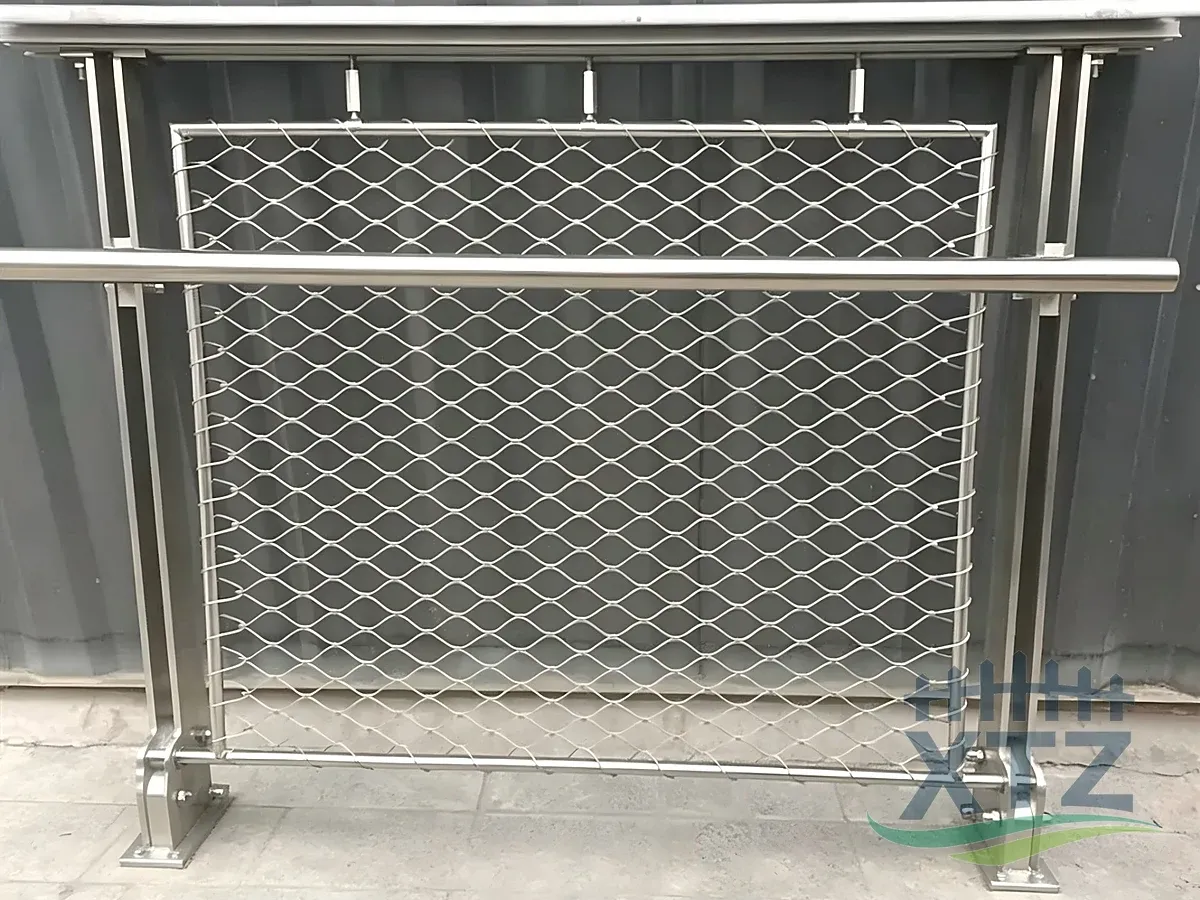 Stainless Steel Rope Mesh FenceFlexible stainless steel rope mesh assembled into framed fence panels for perimeter and fall-protection barriers.
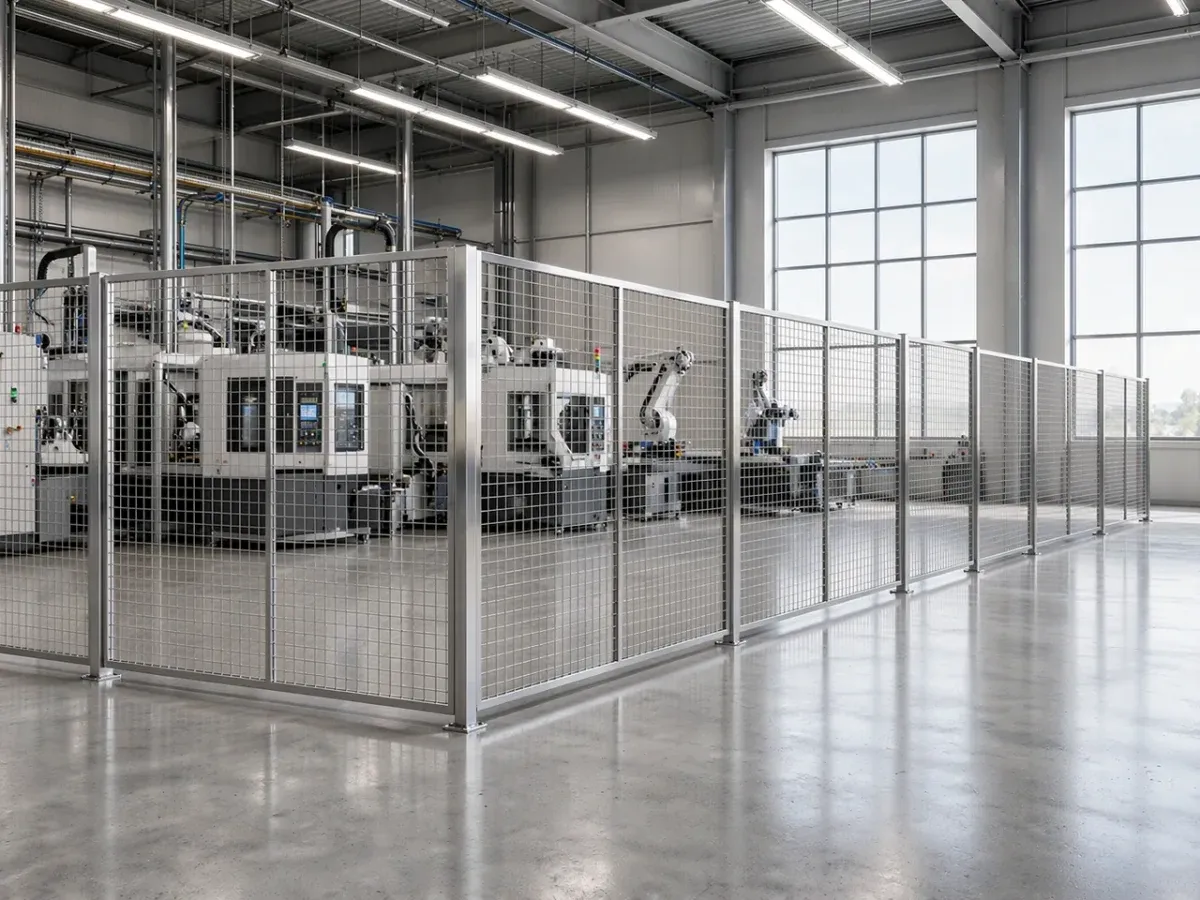
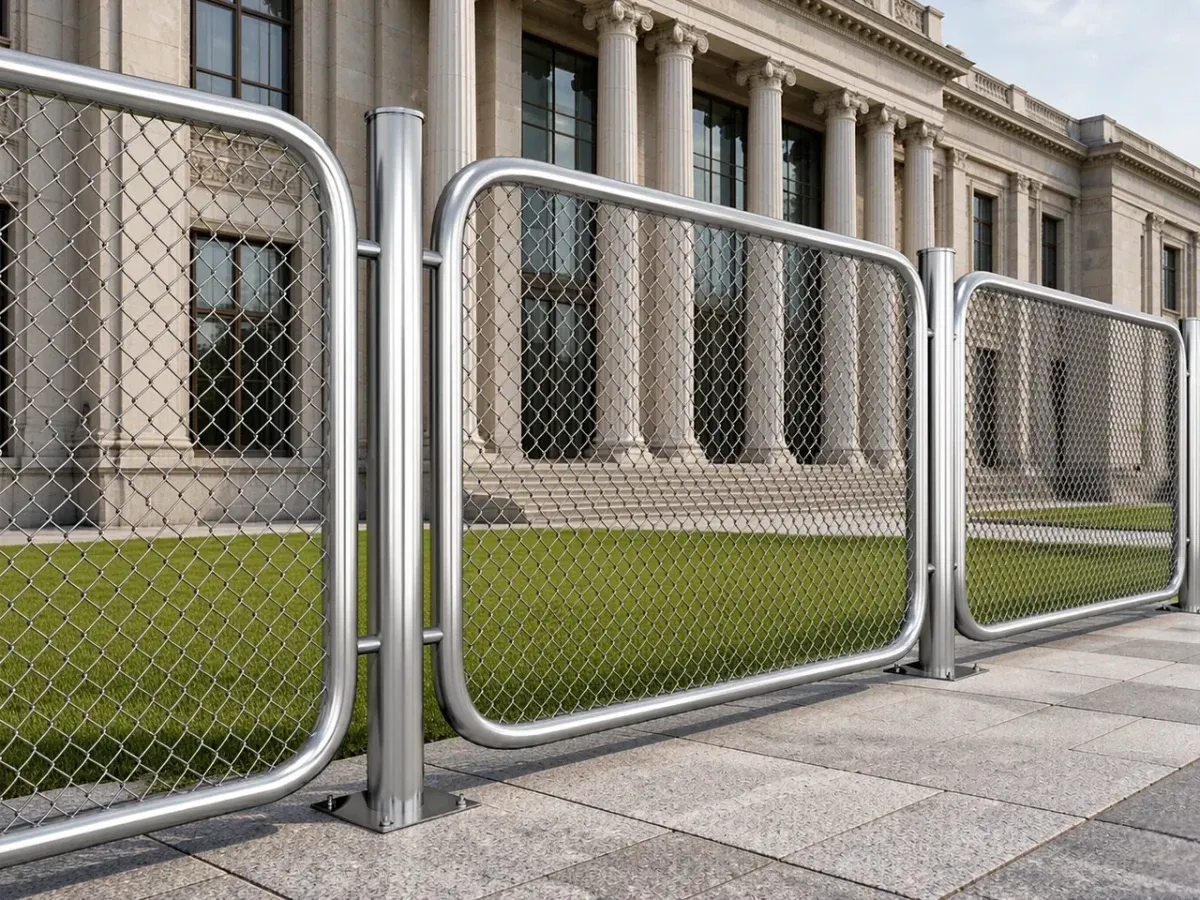
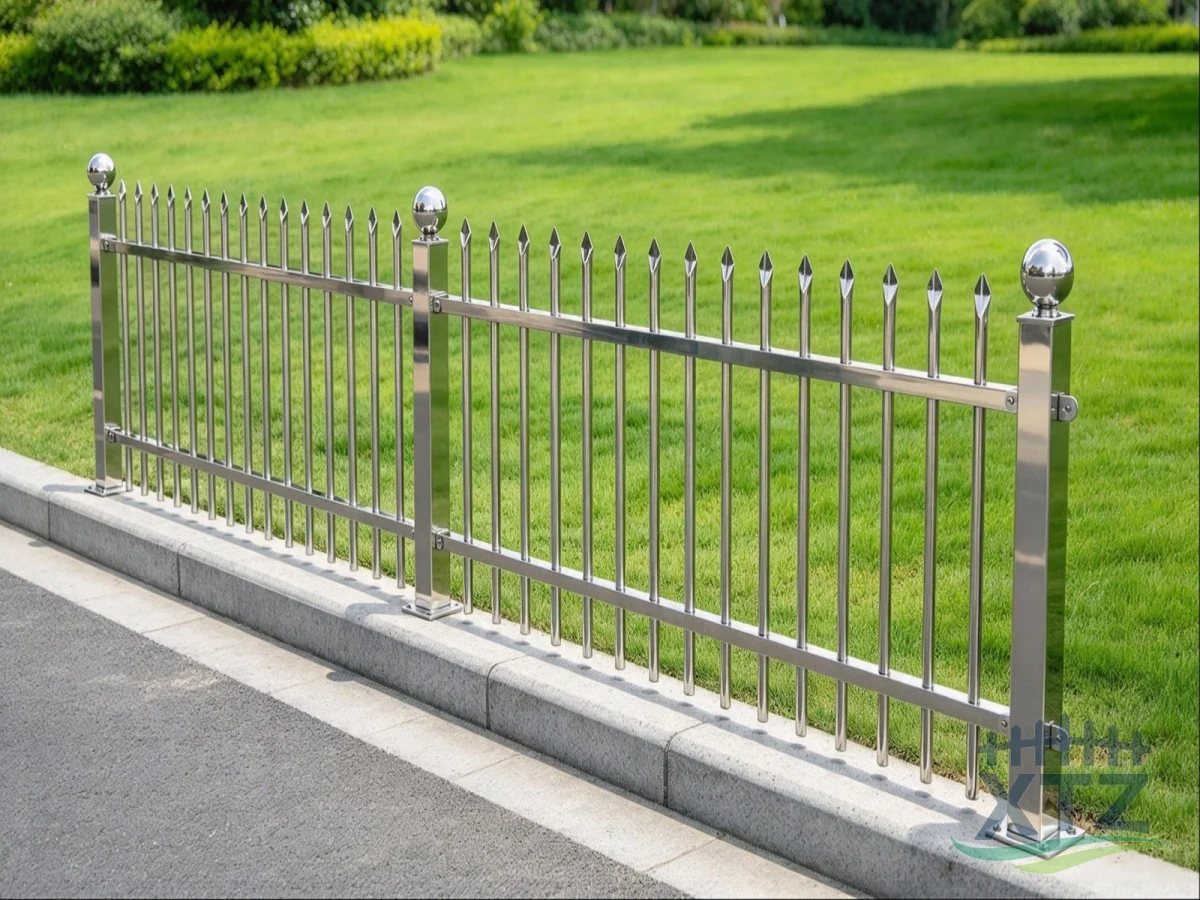 Stainless Steel Security FenceReinforced stainless steel fence systems engineered for high-security perimeter protection.
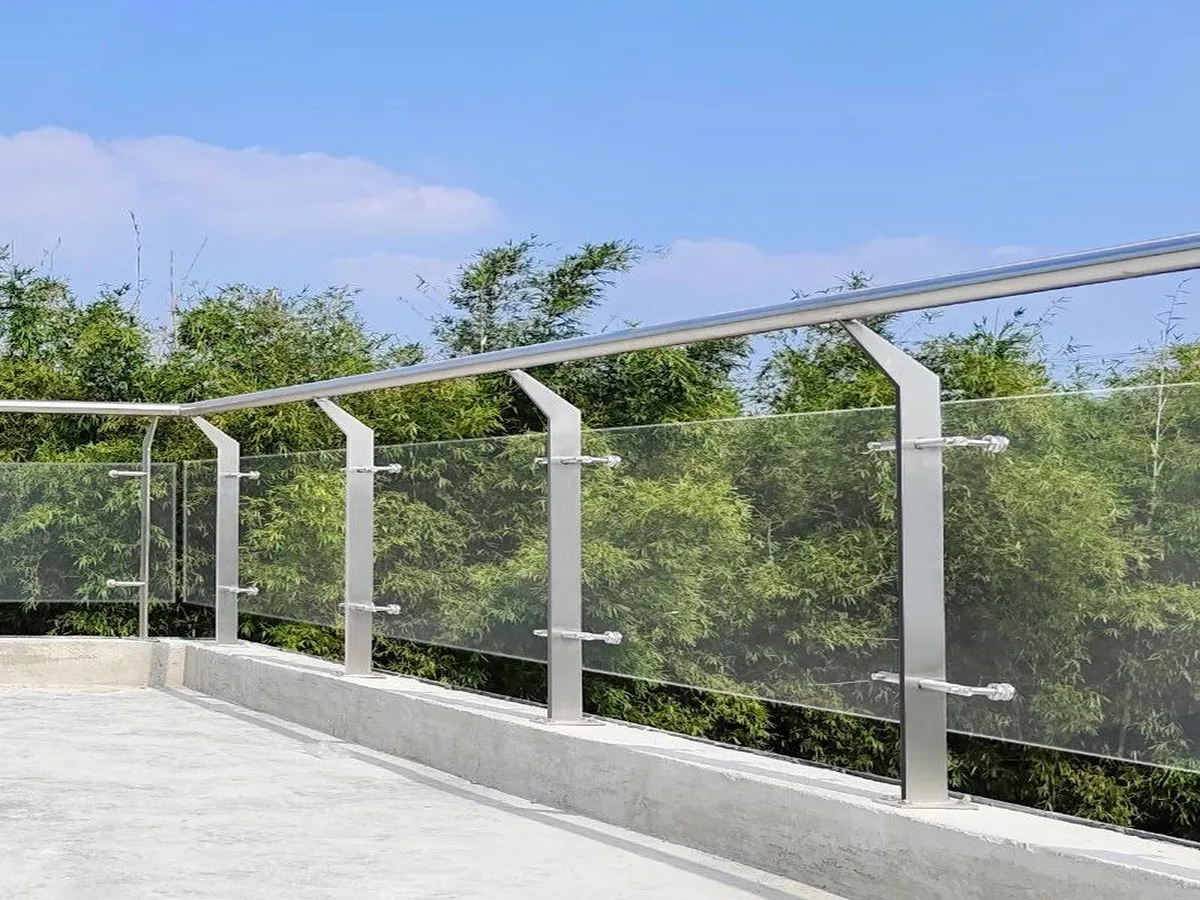 Stainless Steel Glass RailingStainless steel railing systems that secure glass panels for balconies, staircases, terraces and pool fencing.
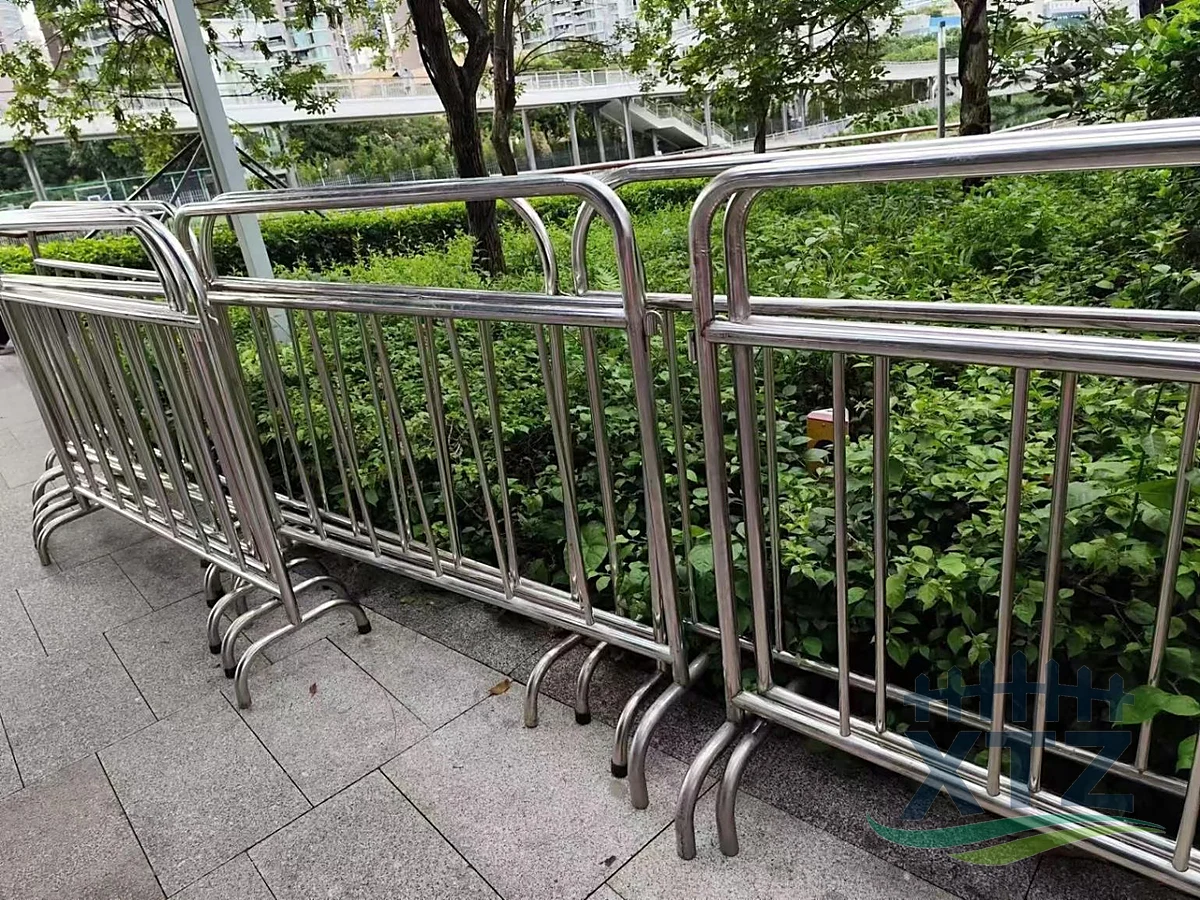 Stainless Steel Crowd Control BarrierPortable stainless steel barriers with interlocking hooks for rapid queue and crowd management.
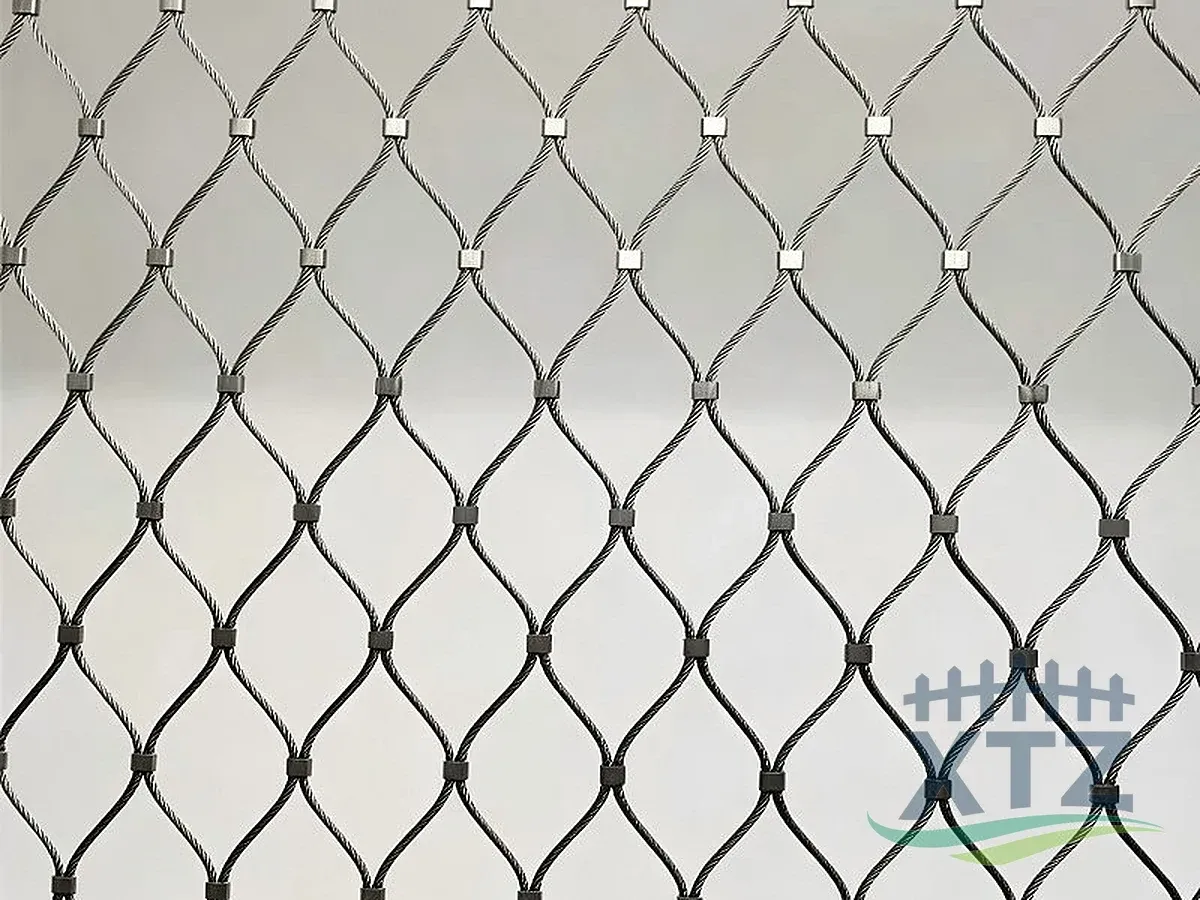 Stainless Steel Rope MeshFlexible rope mesh systems for transparent safety barriers, enclosures and architectural applications.
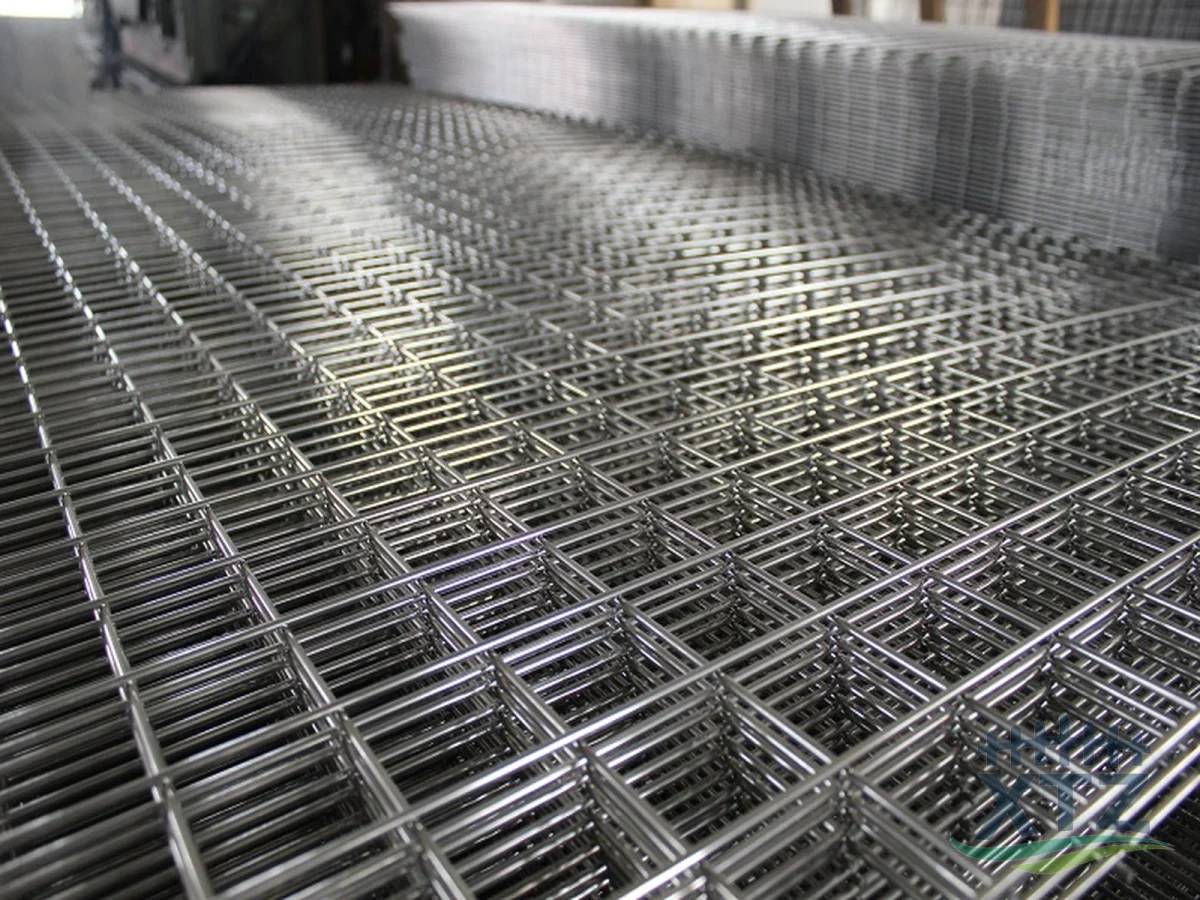 Stainless Steel Mesh PanelWelded or pressure-locked bar grating creates ventilated walking and service surfaces with coordinated support direction.
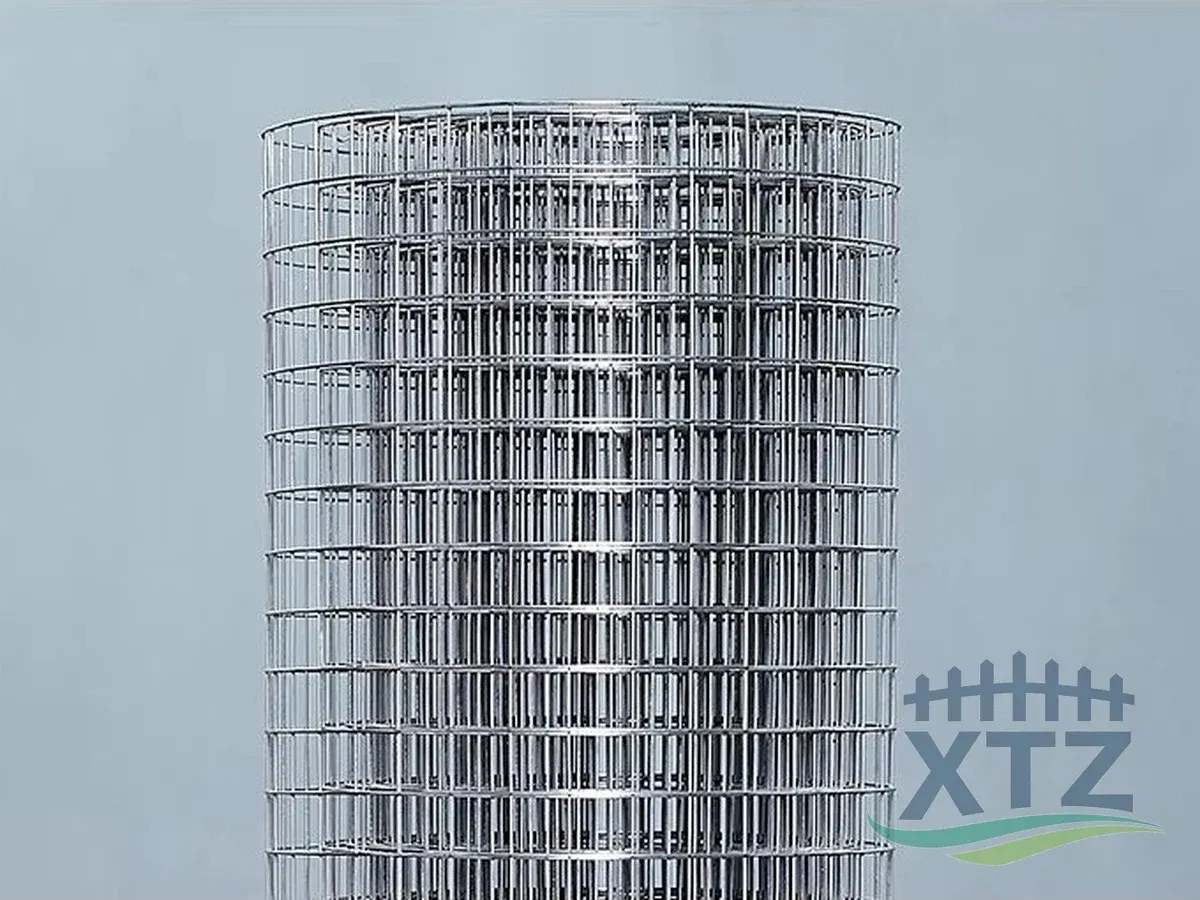 Stainless Steel Welded Wire MeshWoven and welded stainless meshes for screening, filtration, guarding and precise industrial separation.
 Stainless Steel Crimped Wire MeshCrimped woven mesh with uniform openings and locked intersections for screening, guarding and filtering.
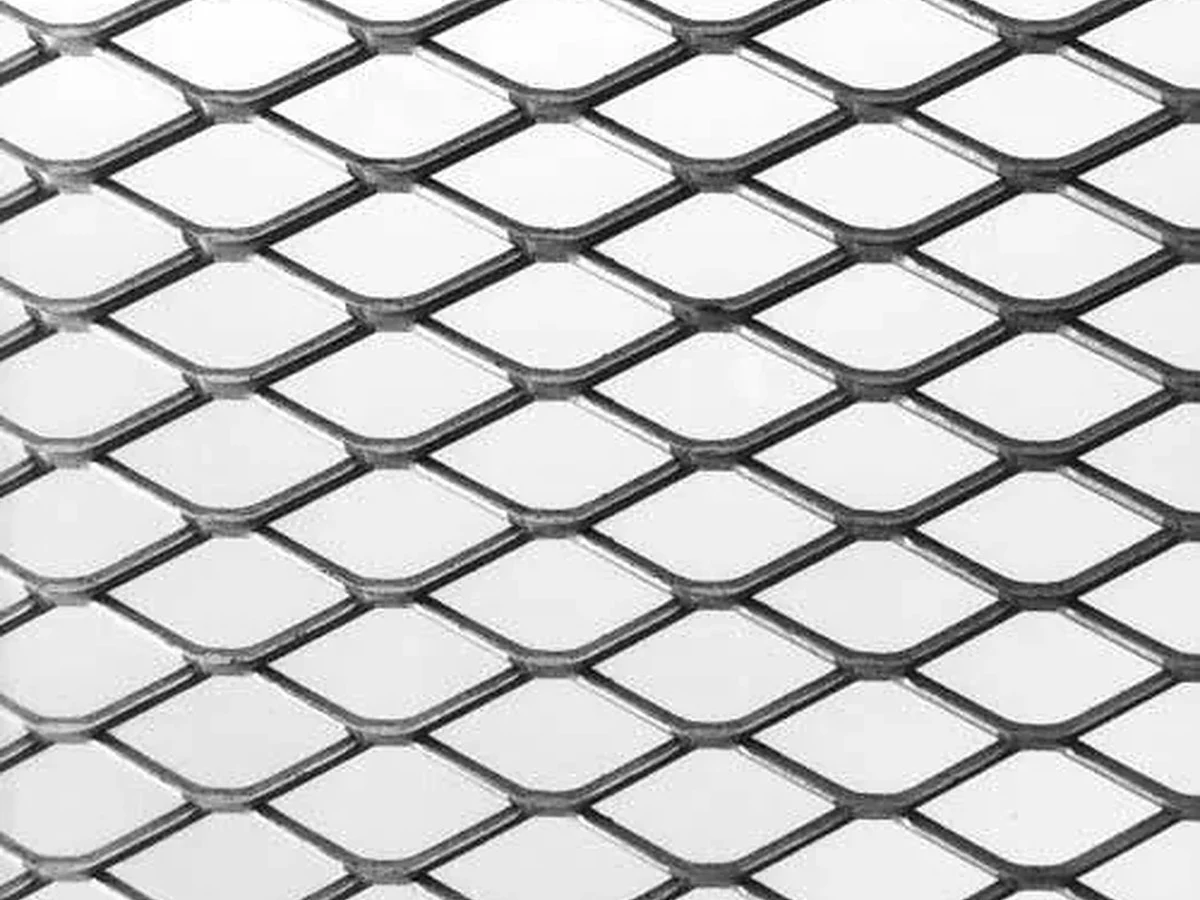 Stainless Steel Expanded Metal MeshA single sheet is expanded into a regular diamond network for guards, platforms, screens and architectural panels.
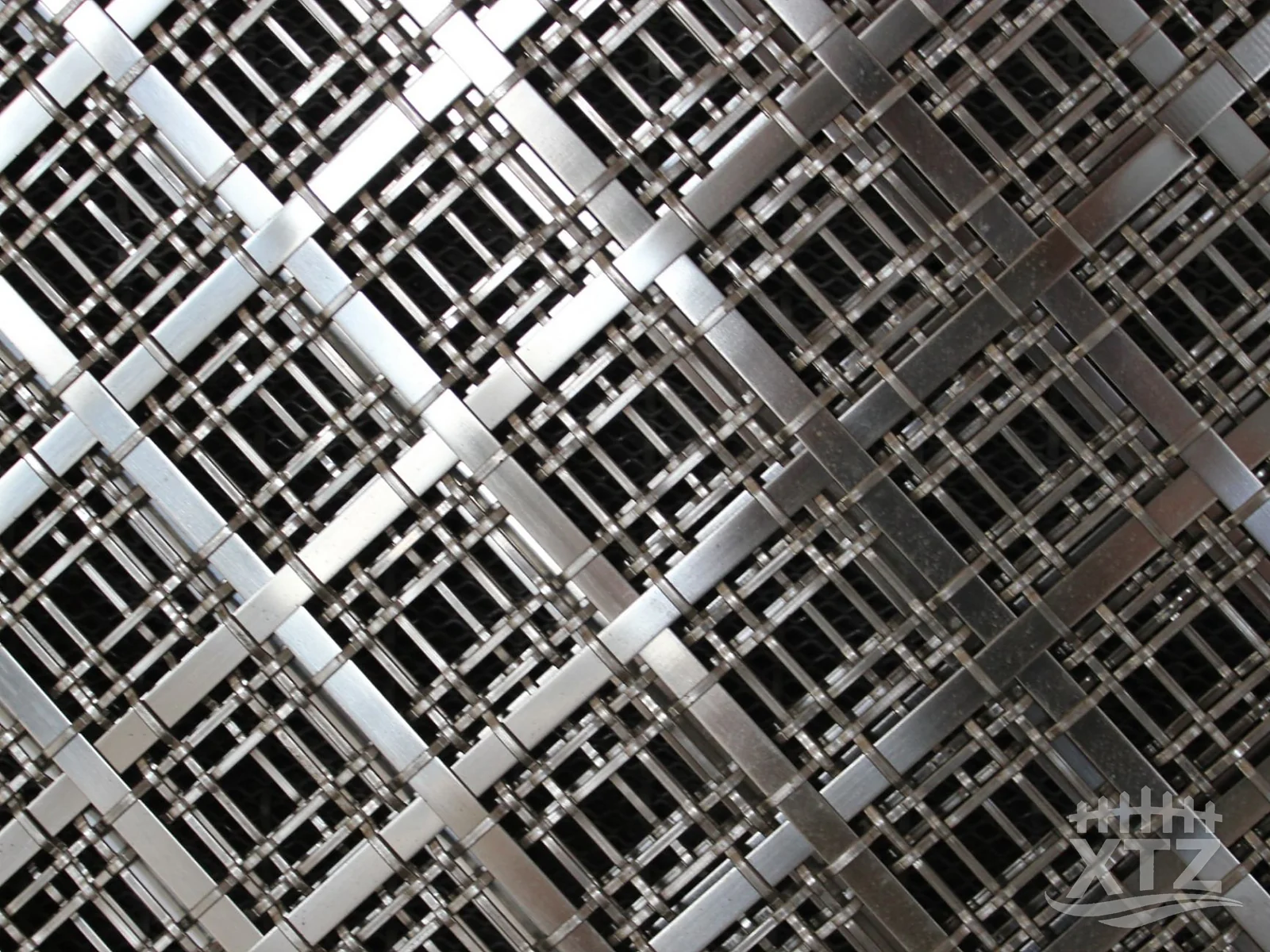 Stainless Steel Decorative MeshWoven, cable-supported and formed metal surfaces for facades, interiors, balustrades and feature screens.
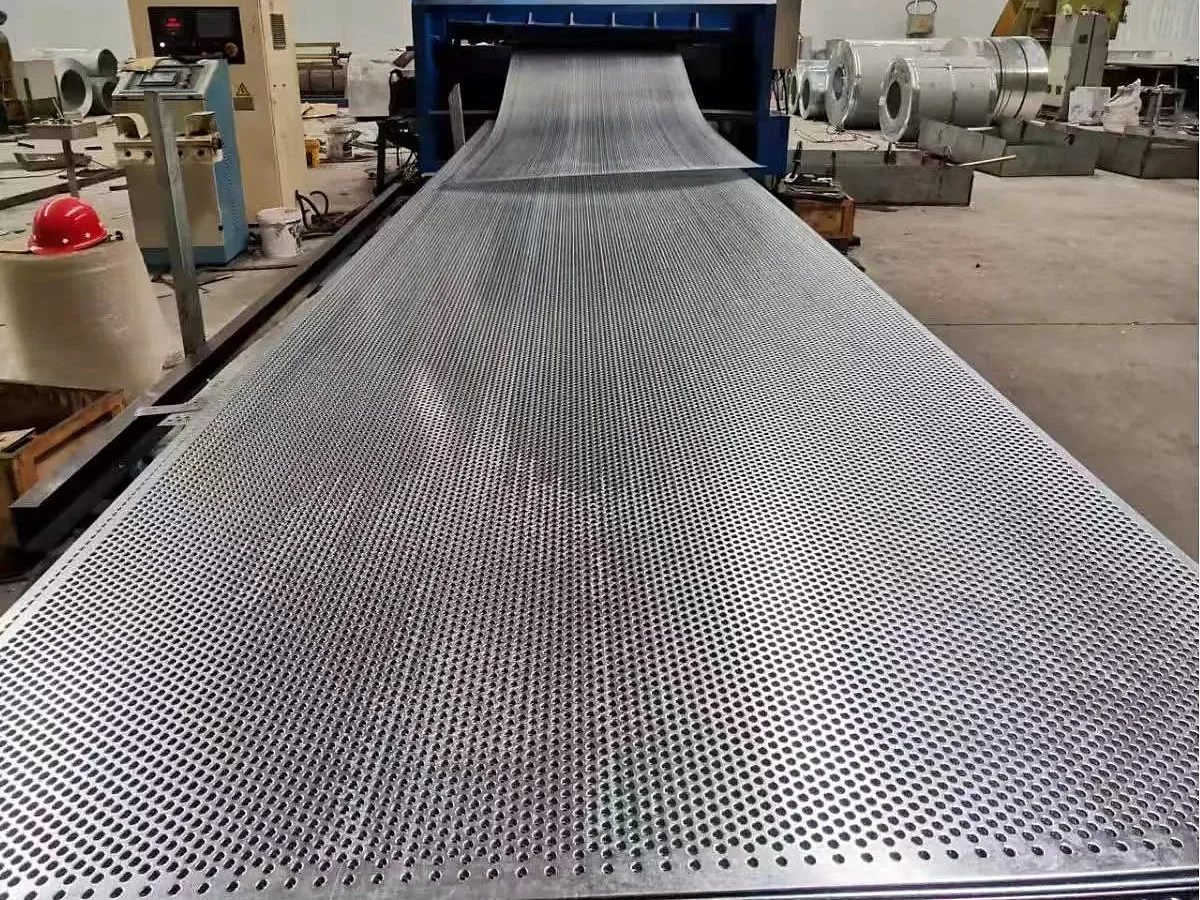 Stainless Steel Perforated SheetRound, square or shaped perforations can be arranged to control open area, appearance and downstream fabrication.
Send the project conditions.
Include drawings, dimensions, quantity, destination and any required finish or packing method.
Stainless Steel Conveyor Belt Mesh Products, Specifications and Applications
XTZ Fence manufactures stainless steel conveyor belt mesh, including spiral round wire, flat wire, balanced weave and eye link belts, made to the width, pitch and edge style of an existing line for baking, washing, cooling and oven applications.
Stainless Steel Conveyor Belt Mesh
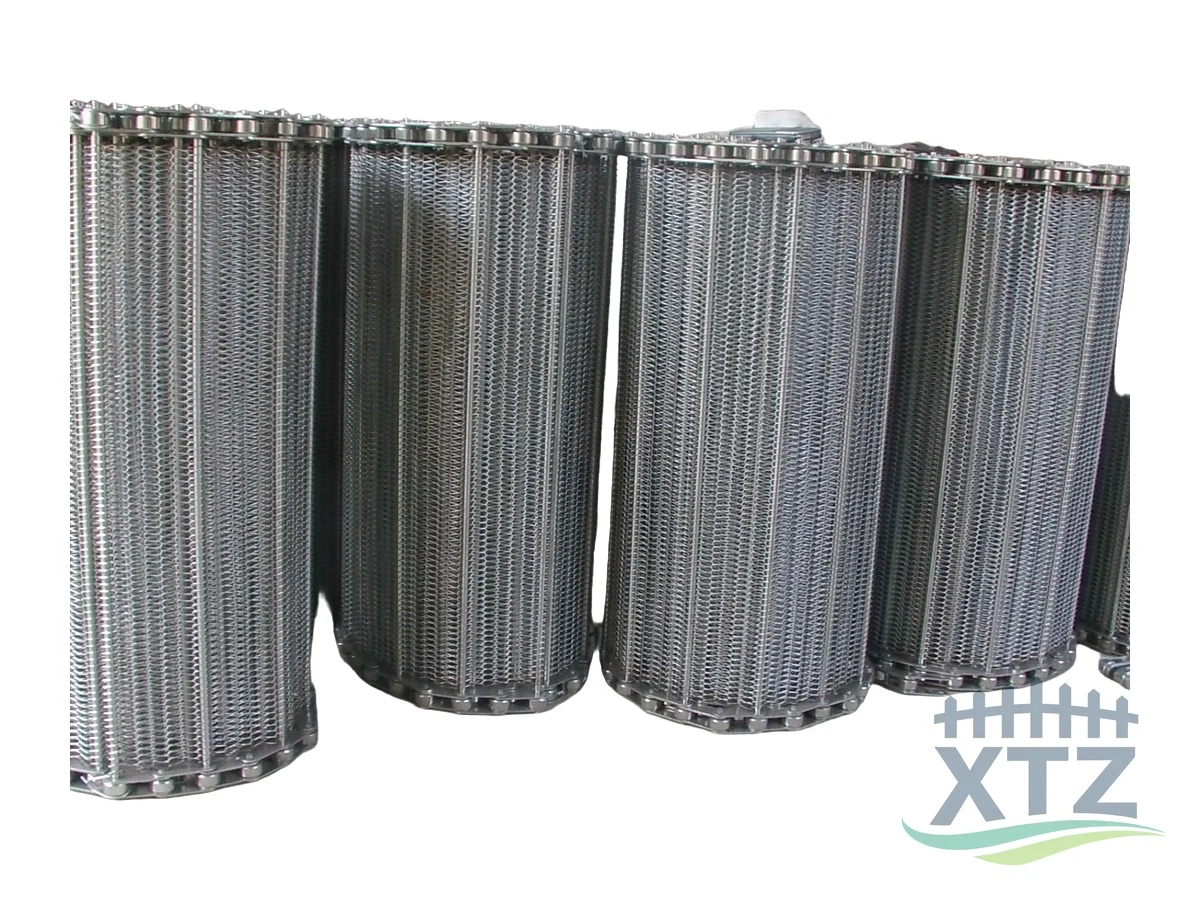
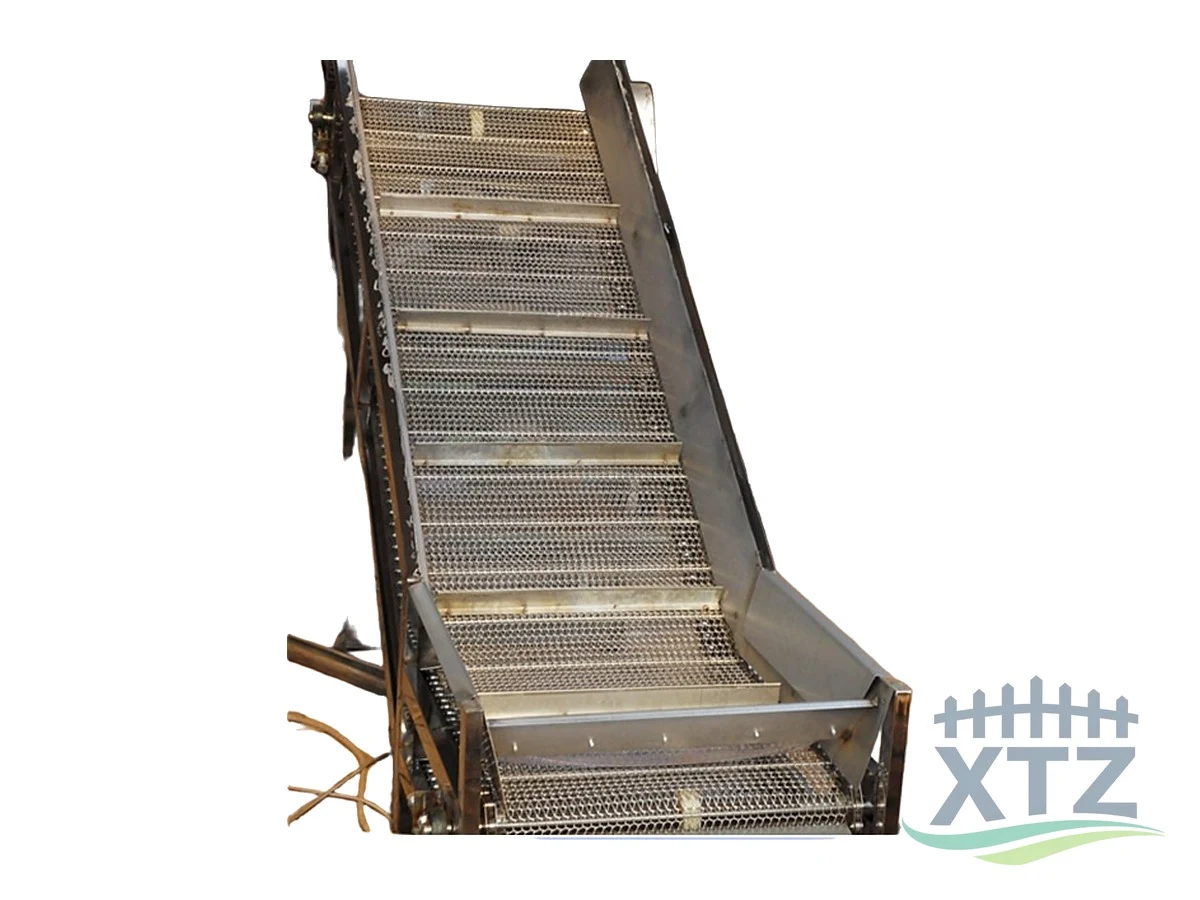
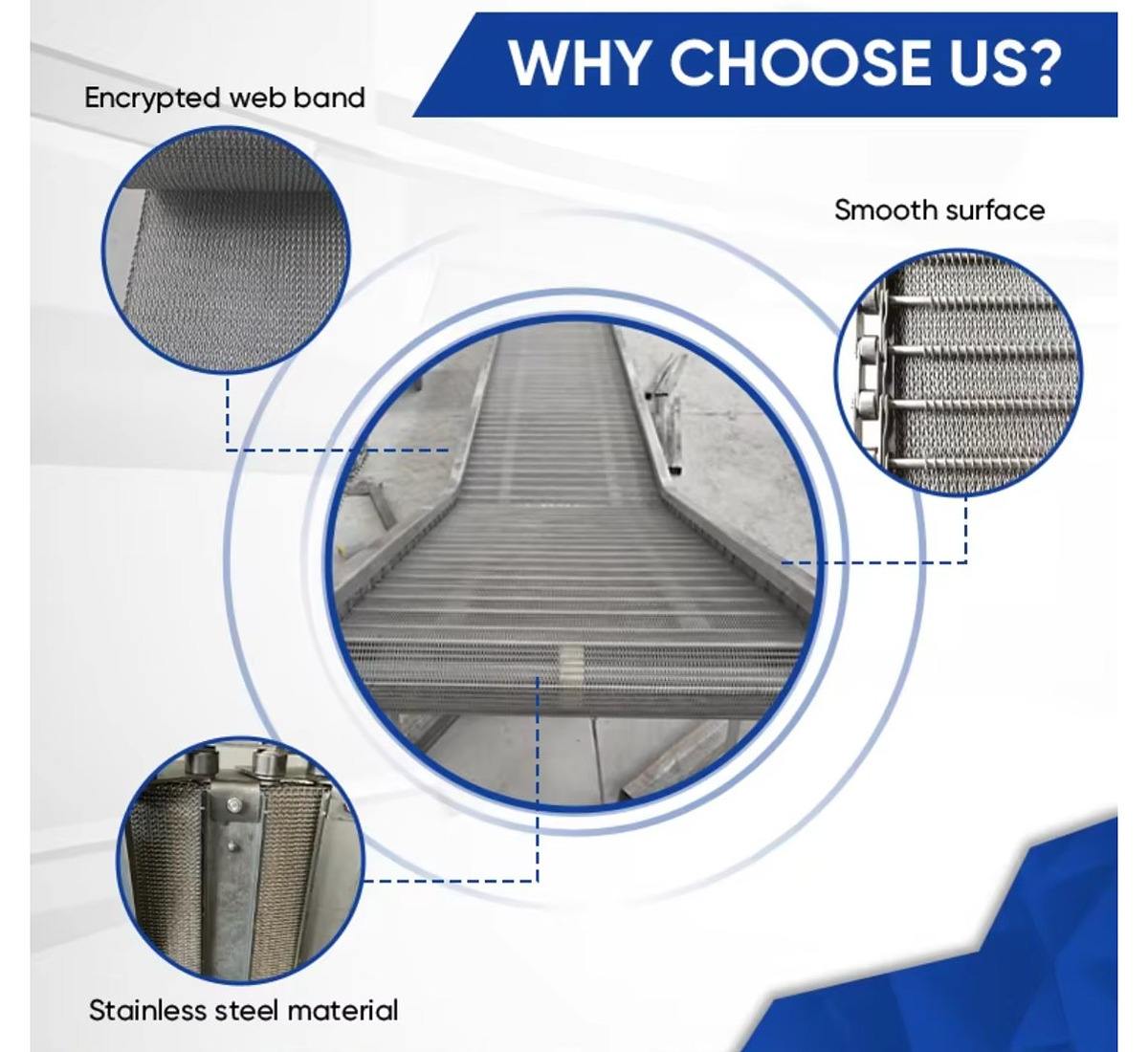
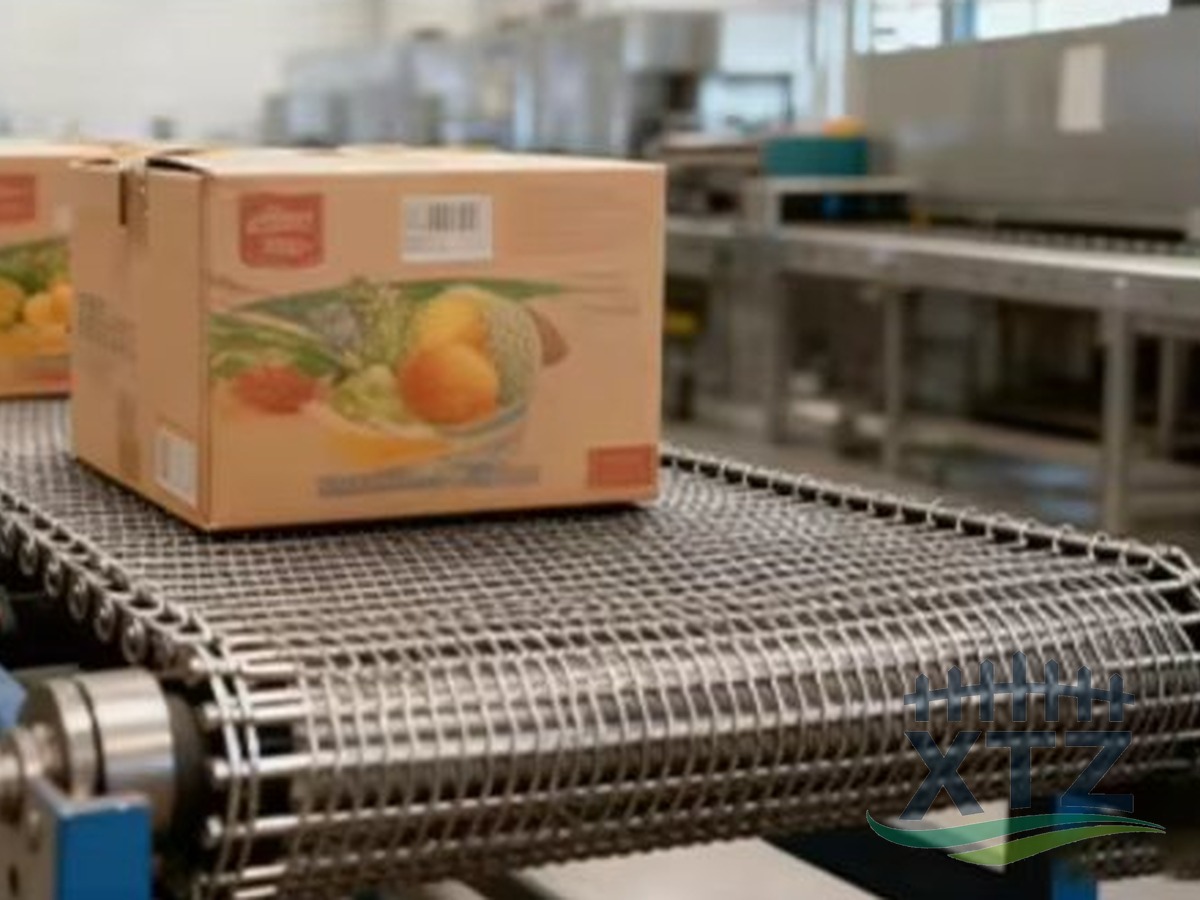
Stainless steel conveyor belt mesh is a continuous wire mesh belt used to move material through ovens, washing lines, baking lines and cooling tunnels. Unlike a solid belt, the mesh carries the product on an open surface, so heat, moisture and oil pass through it rather than being held against the product. XTZ Fence manufactures the belt to the width, pitch, edge style and drive arrangement of the existing line, so a belt can be replaced without changing the drums or the sprockets.
Product Structure and Materials
Belt Types and Specification Fields
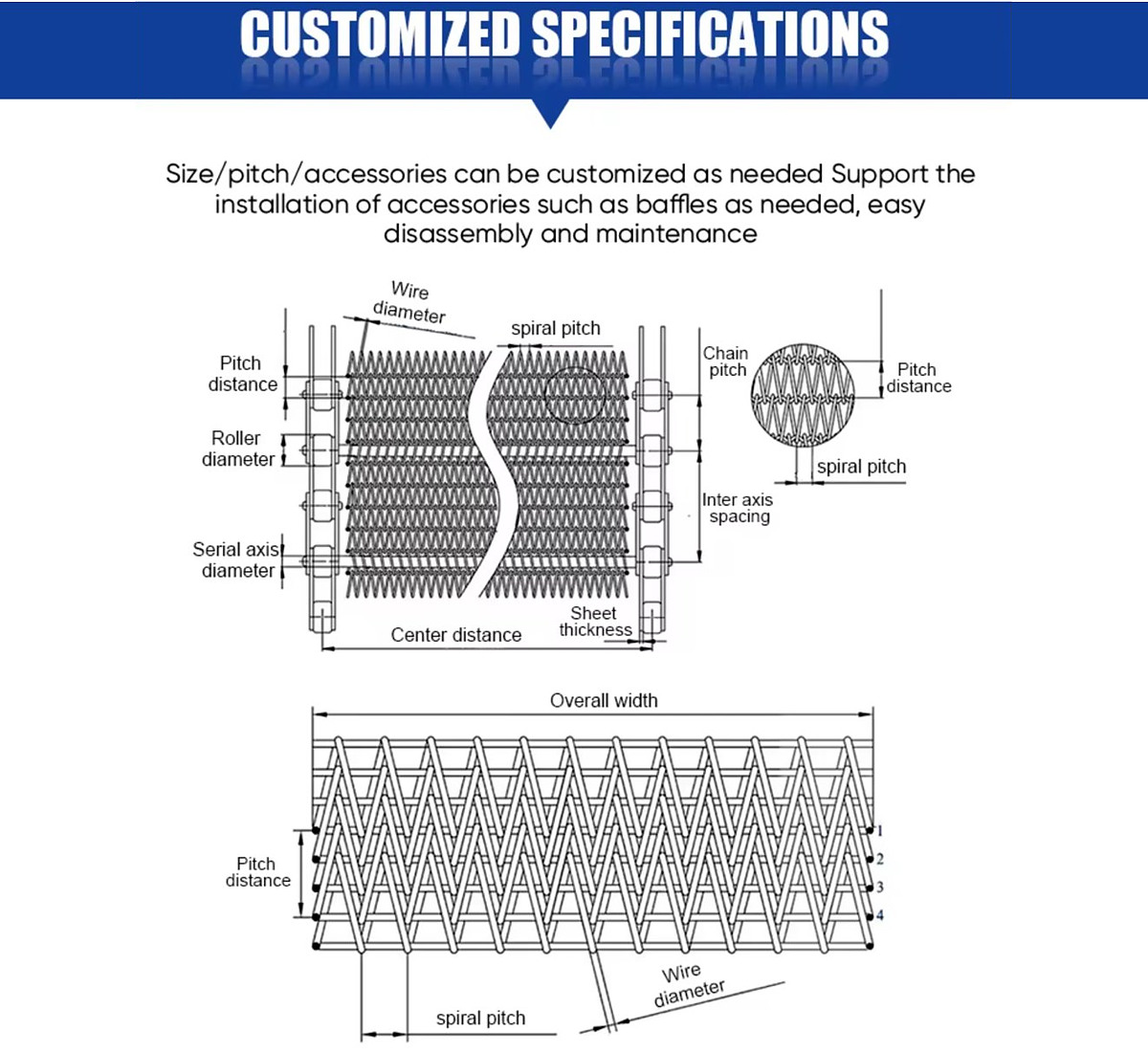
The belt is selected by type and then by dimension. A spiral round wire belt is the general purpose form and pushes material rather than carrying it in a trough. A flat wire belt carries on a flat surface, which suits delicate product. A balanced weave belt has alternating rows for stability in both directions, and an eye link belt is assembled from link rods for heavy duty and shock loads. Within each type the belt width, the wire diameter, the spiral pitch and the edge style are produced to the line specification.
- Belt type: Spiral round wire, flat wire, balanced weave or eye link
- Belt width: Produced to the existing line width
- Wire diameter: Custom Specifications, confirmed per application
- Spiral pitch: Set against the product being carried
- Mesh size: Derived from the wire diameter and pitch
- Edge style: Plain, side fold, hook or reinforced, to the drum
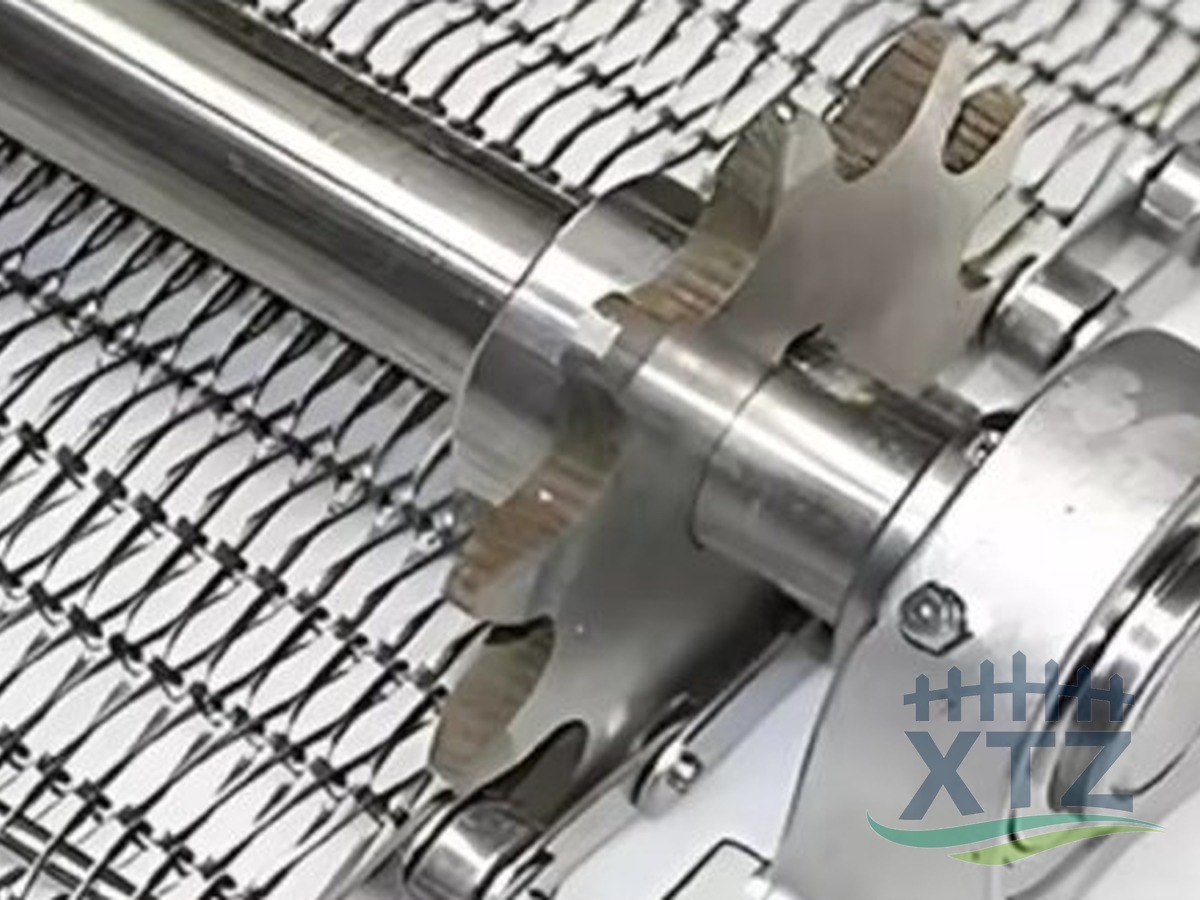
- Drive arrangement: Made to match the existing sprocket pattern
- Material grade: 304 or 316 stainless steel, confirmed per application
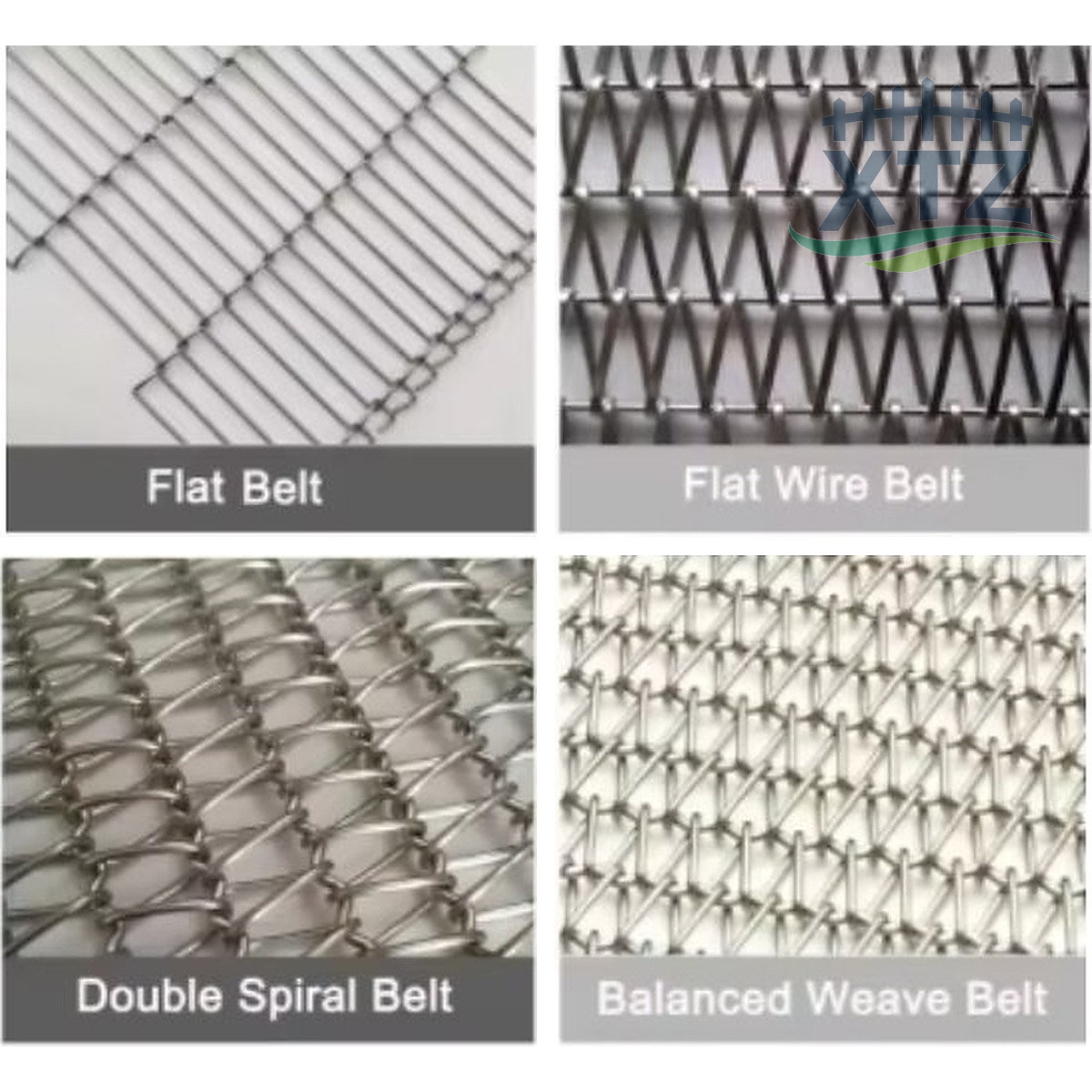
Conveyor Belt Types
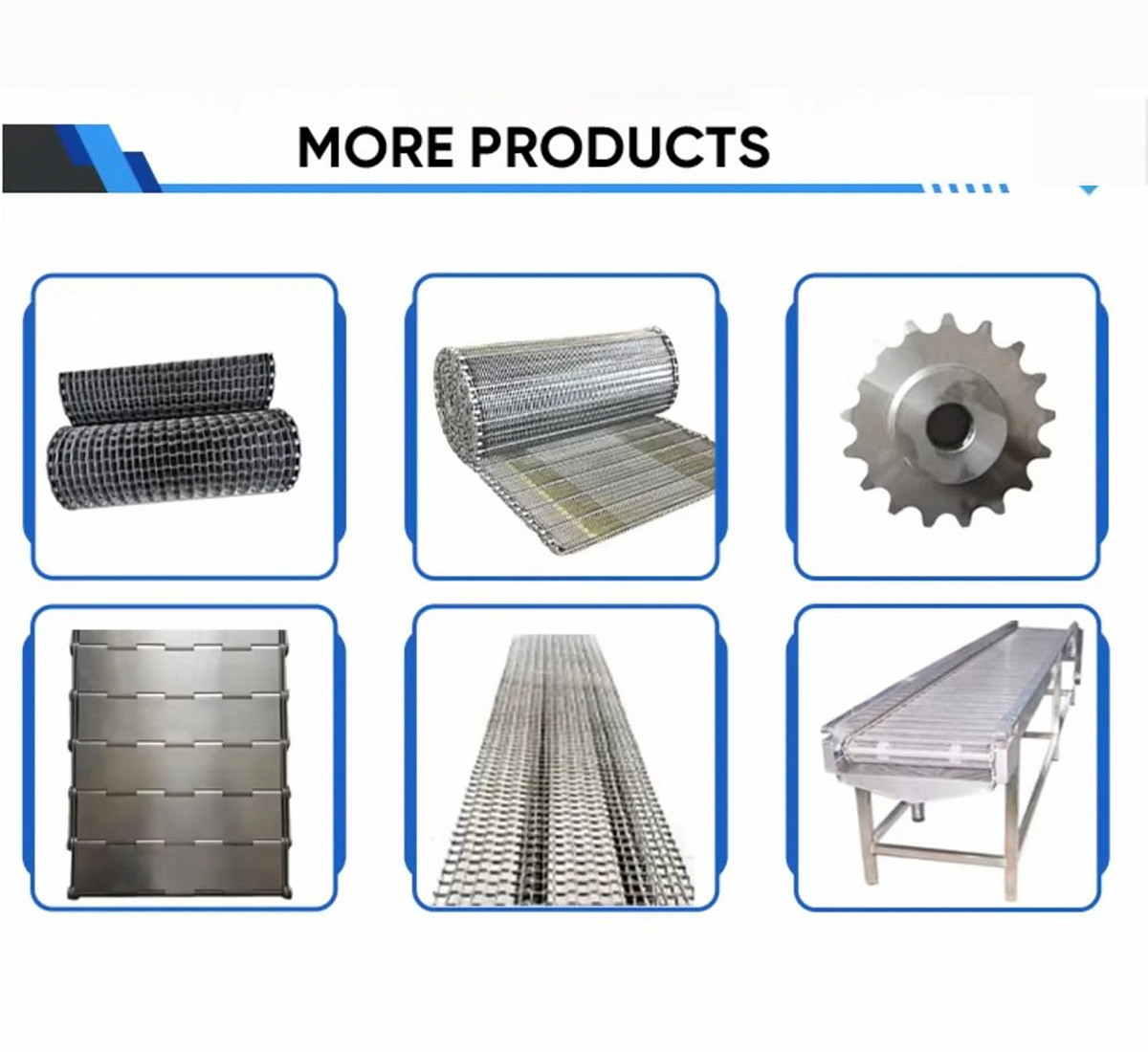
The main belt constructions shown side by side: flat belt, flat wire belt, double spiral belt and balanced weave belt. Each type is a different way of building the same open mesh surface, and the choice follows the product and the line.
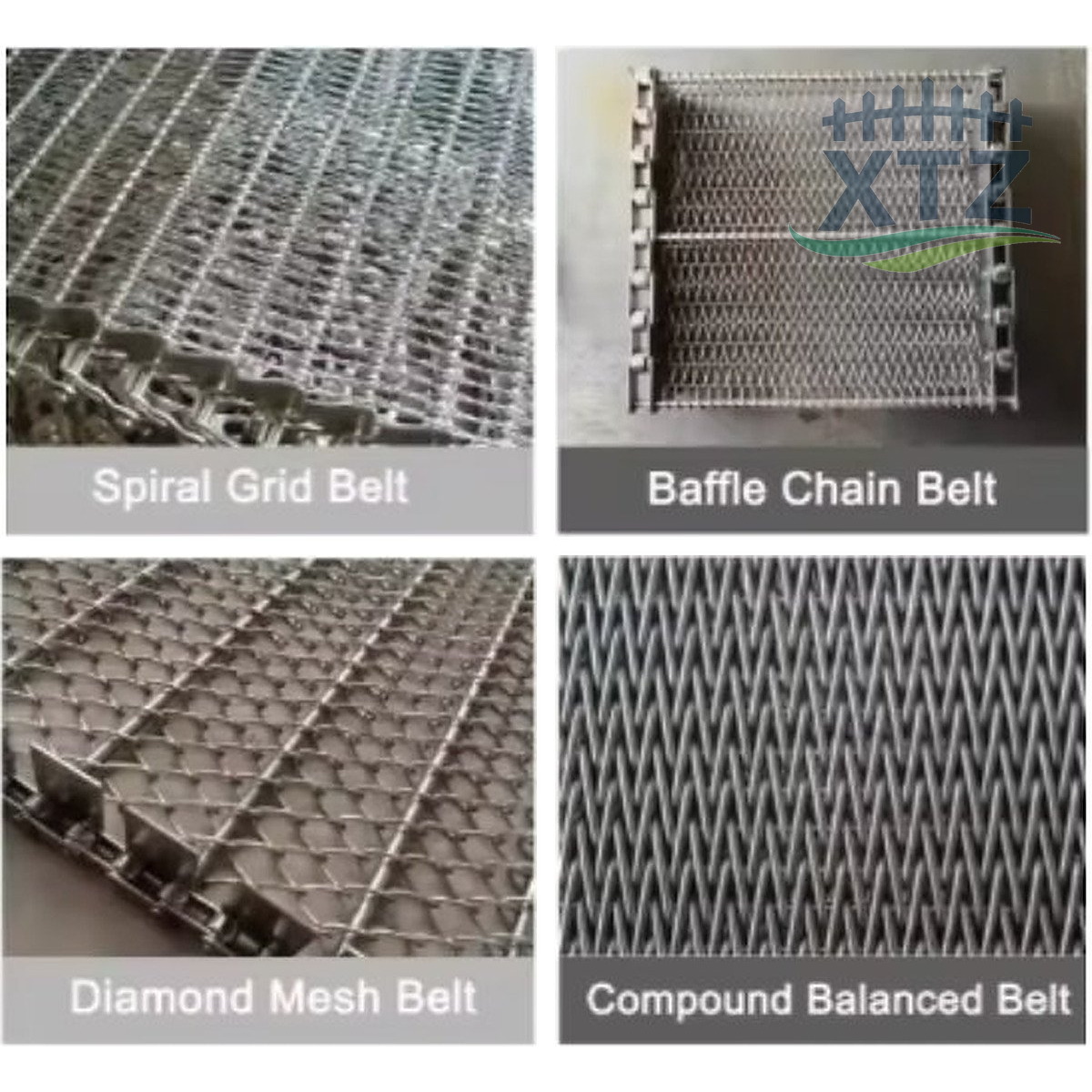
Spiral and Link Belt Constructions
Spiral grid belt, baffle chain belt, diamond mesh belt and compound balanced belt, shown together. The spiral grid form is the most widely used, while the link constructions carry heavier or shock loads.
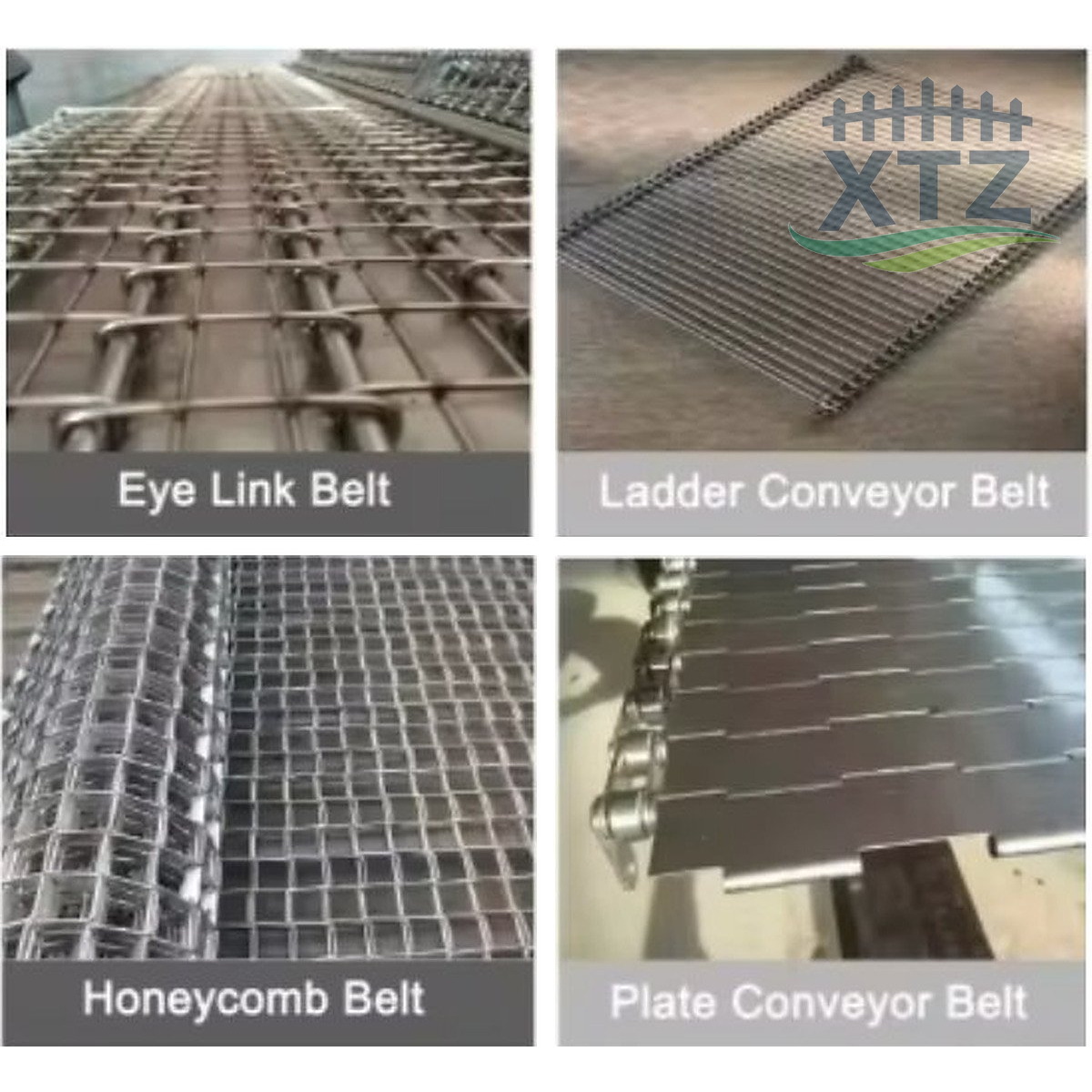
Eye Link and Heavy Duty Belt Types
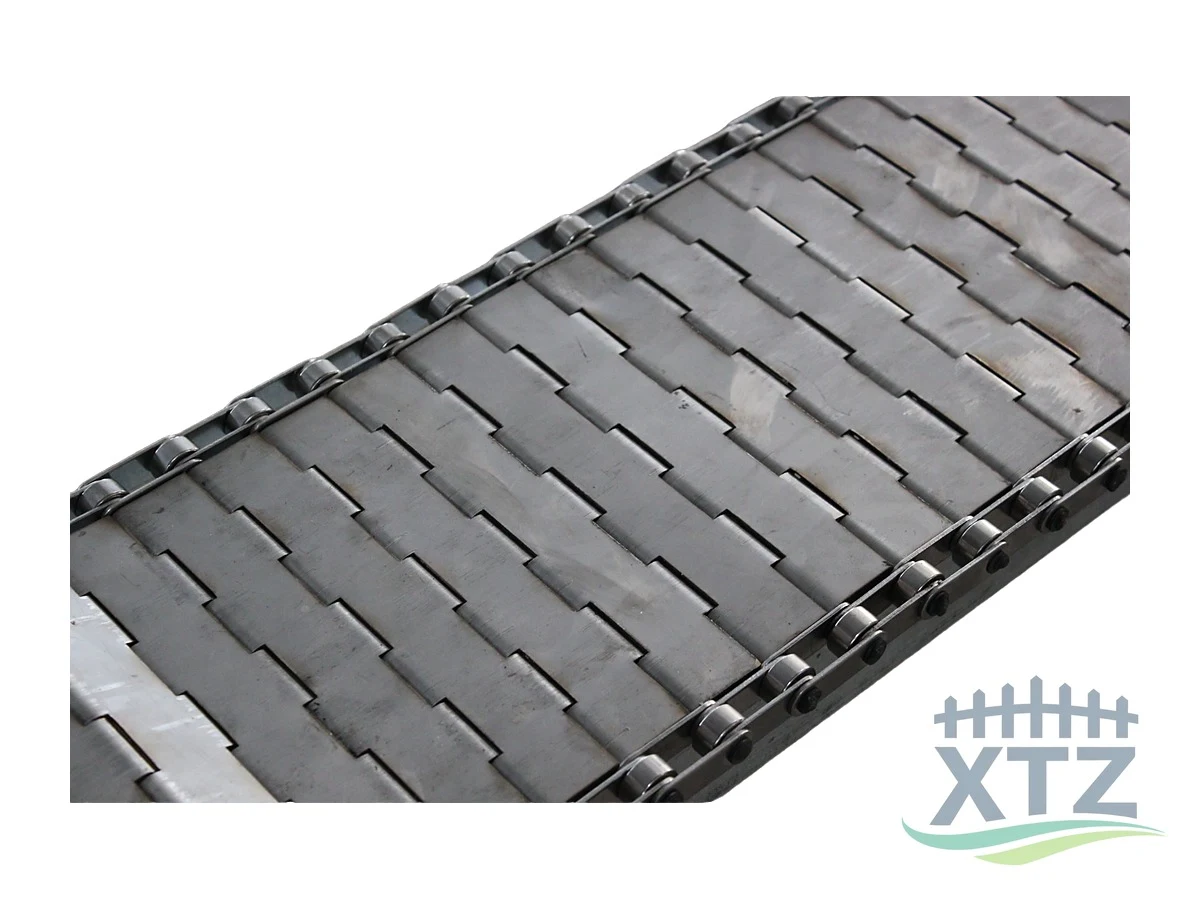
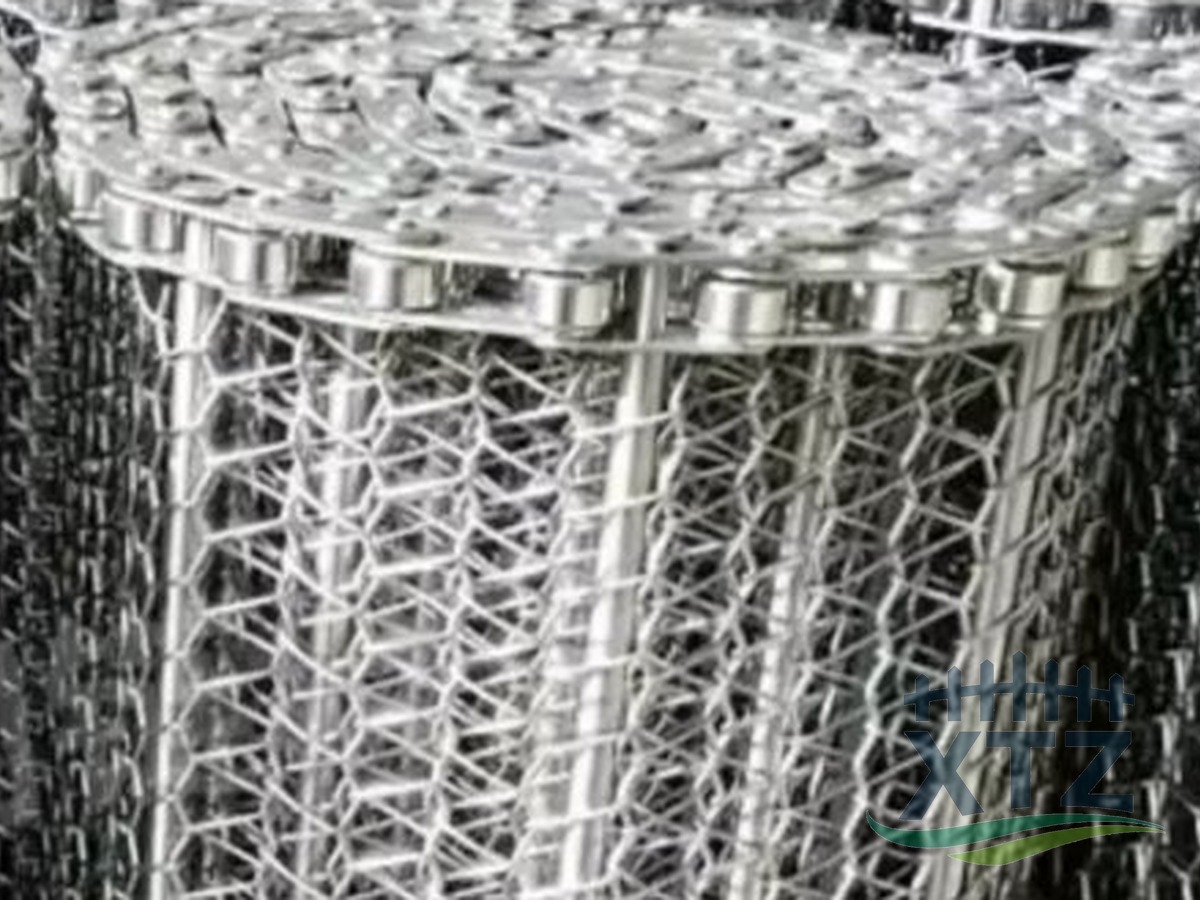
Eye link belt, ladder conveyor belt, honeycomb belt and plate conveyor belt. These are the assembled rather than woven forms, used where the belt has to survive a heavy or shock load.
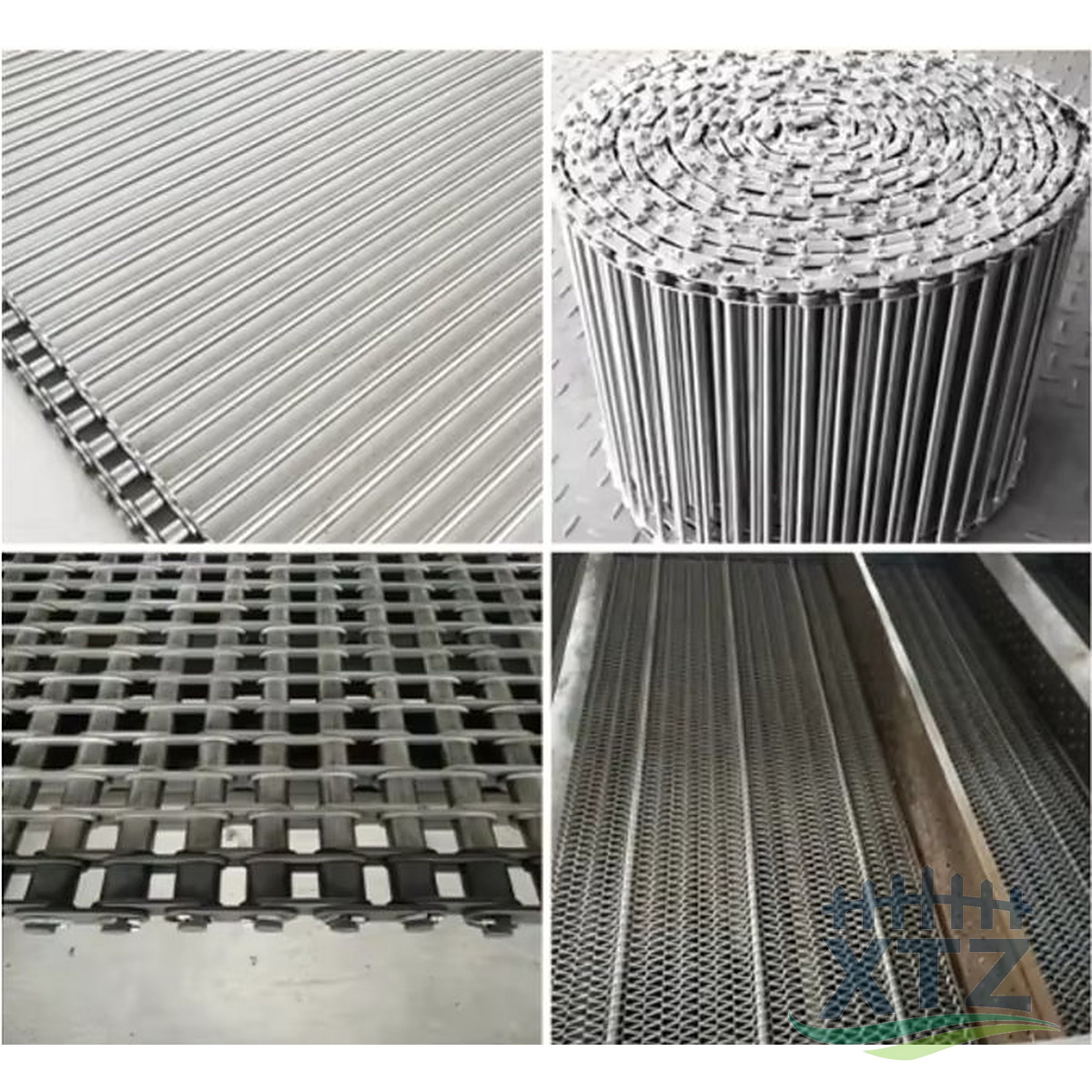
Balanced Weave and Heavy Duty Link Belt
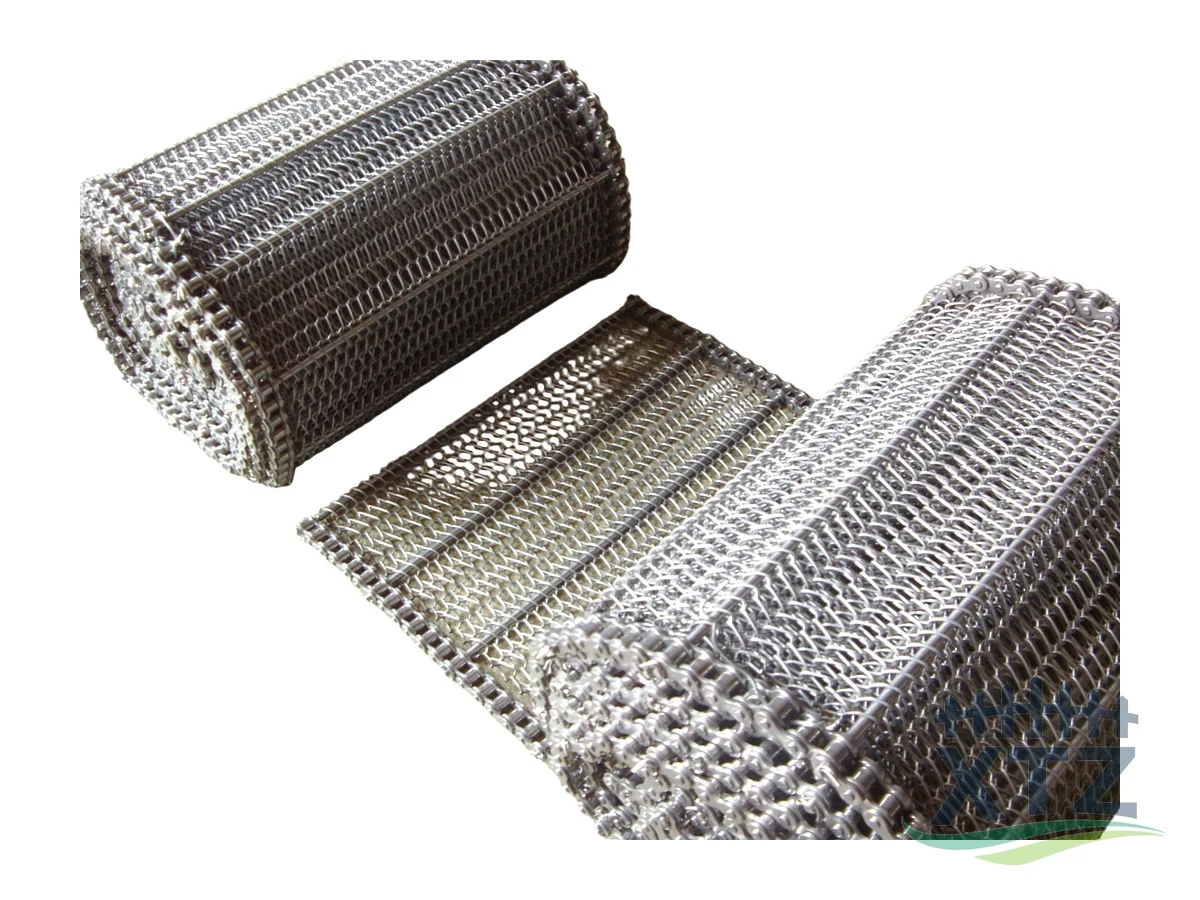
A balanced weave belt and a heavy duty link belt, showing how the two constructions differ in the way the wires are joined and in the load they carry.
Applications and Selection
Applications for Stainless Steel Belt Mesh
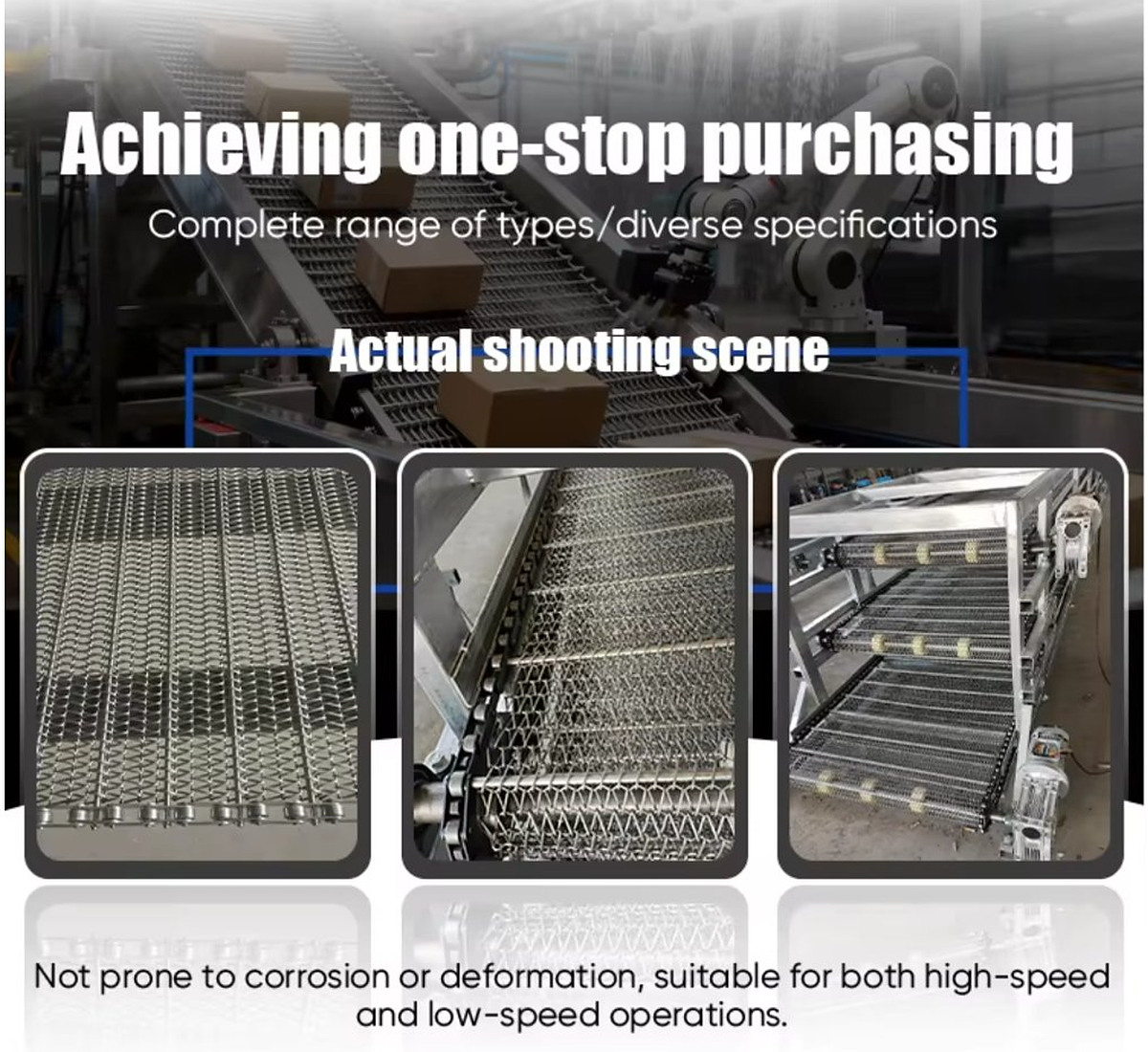
Mesh belts are used where a solid belt would trap heat, oil or moisture against the product. Food baking and cooling lines use them because the open surface lets air reach the product from both sides and the belt can run at temperature. Washing and rinse lines use them because the mesh drains instead of holding water. Heat treatment and drying ovens use them for the same reason, and the same open structure is used for filtration and for mist removal where a knitted wire mesh is specified instead.
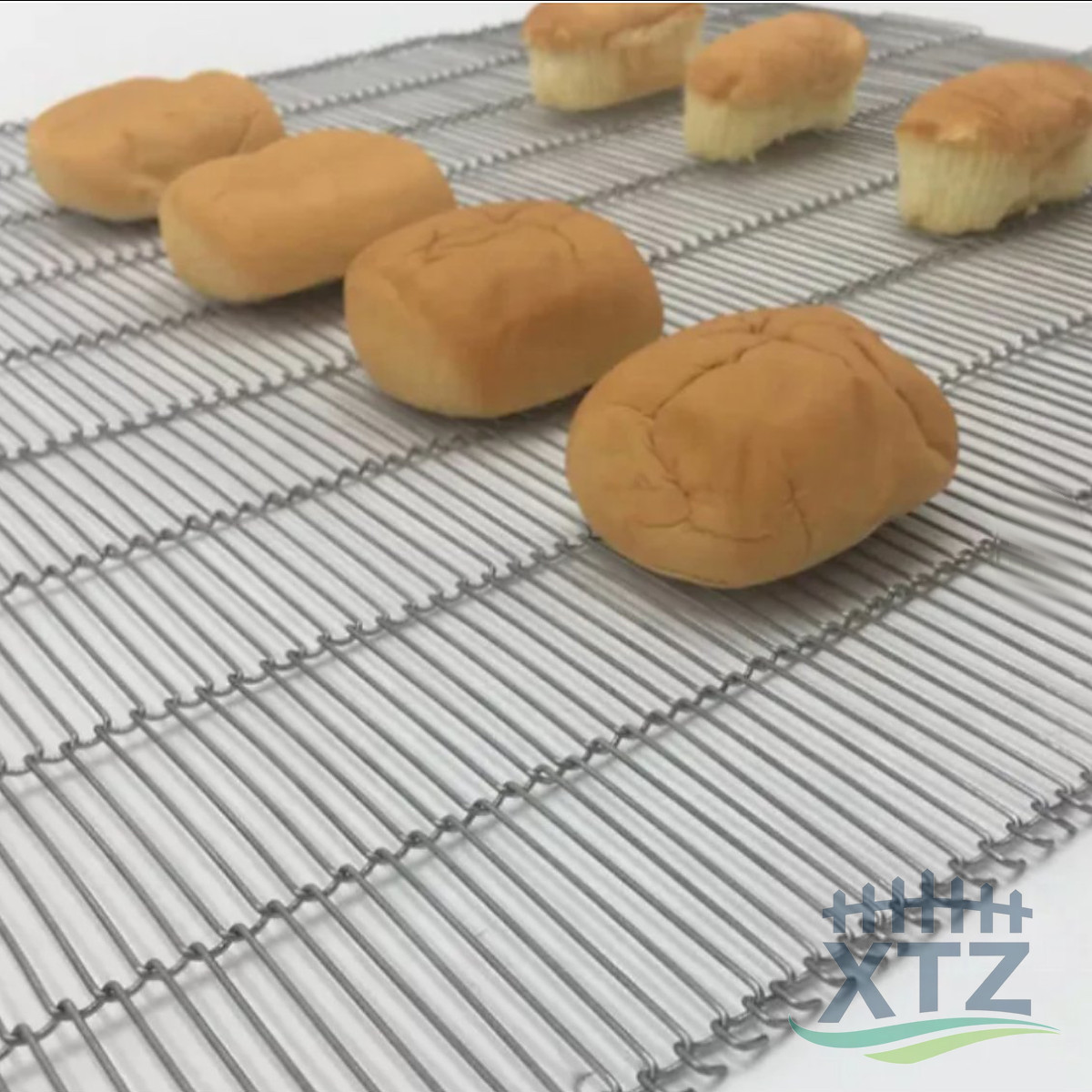
Mesh Belt in a Baking Line
Bread moving on a spiral wire conveyor belt. The open mesh surface lets the hot air reach the product from below and above, which is what a solid belt would prevent.
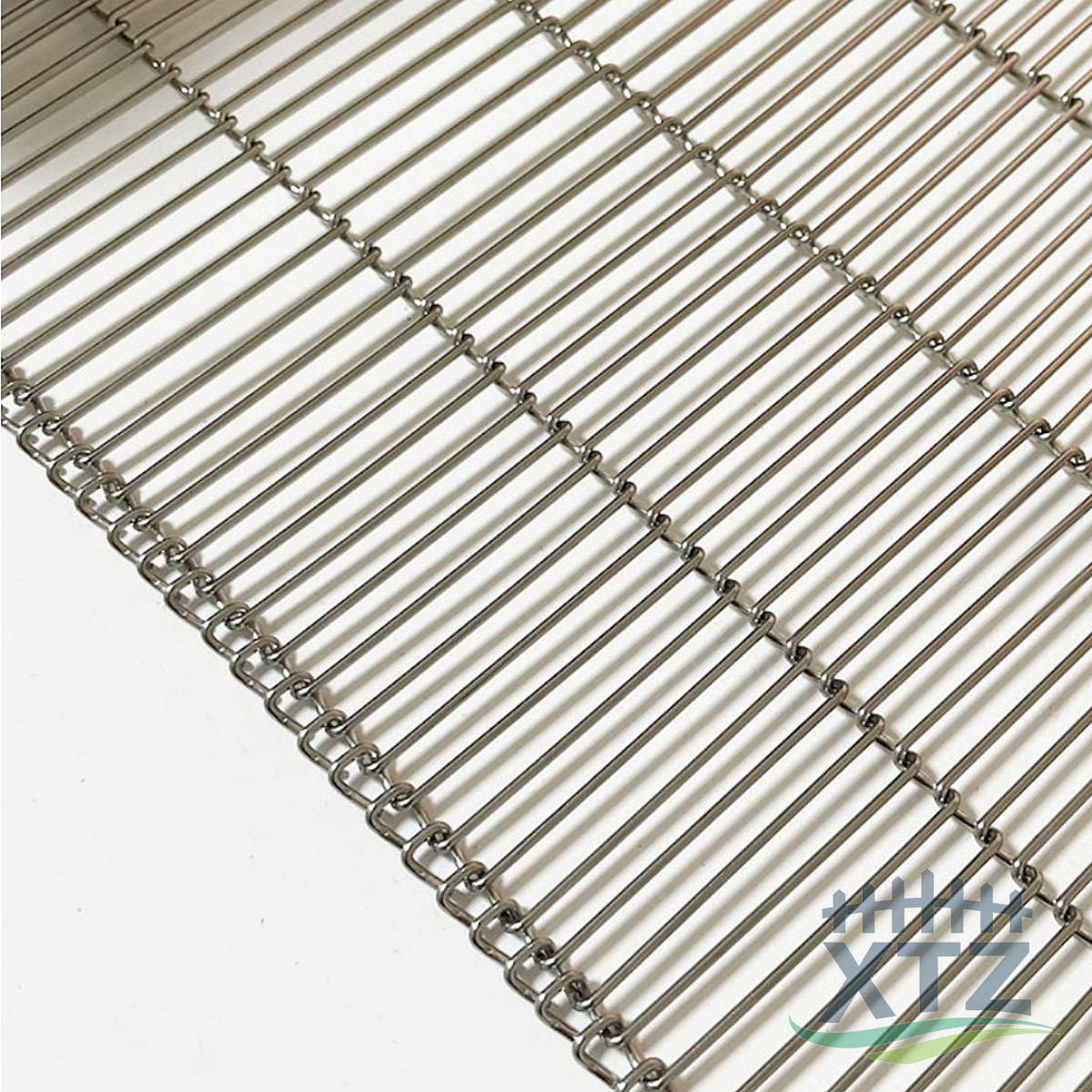
Spiral Wire Belt Weave Detail
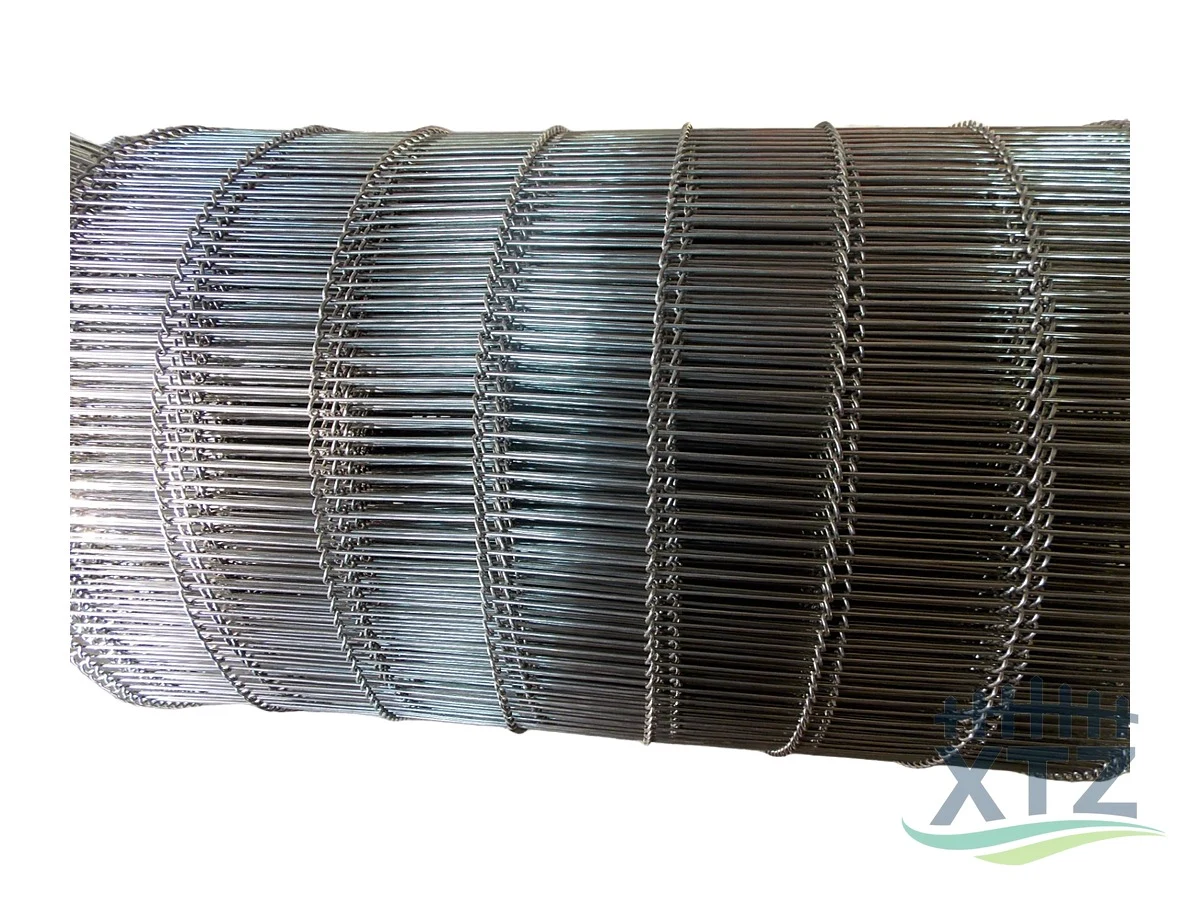
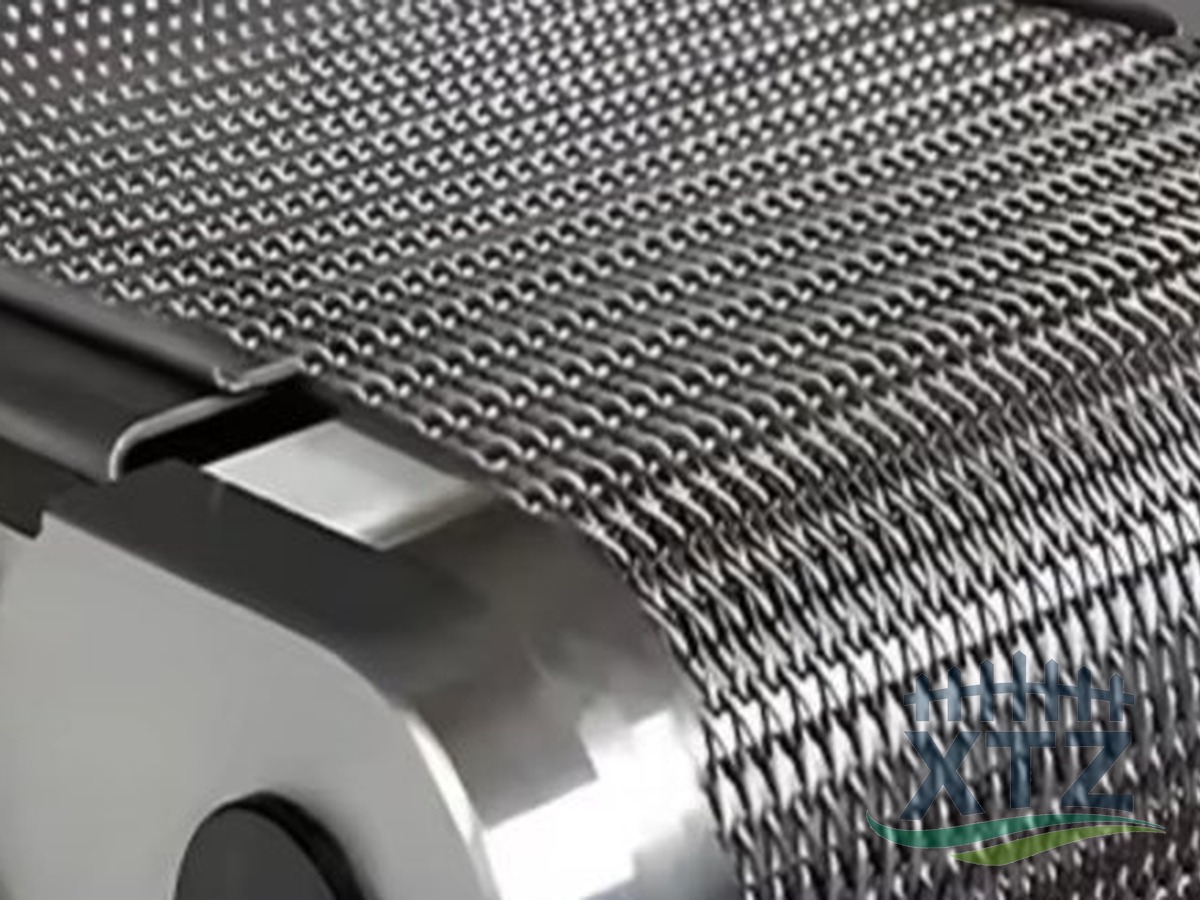
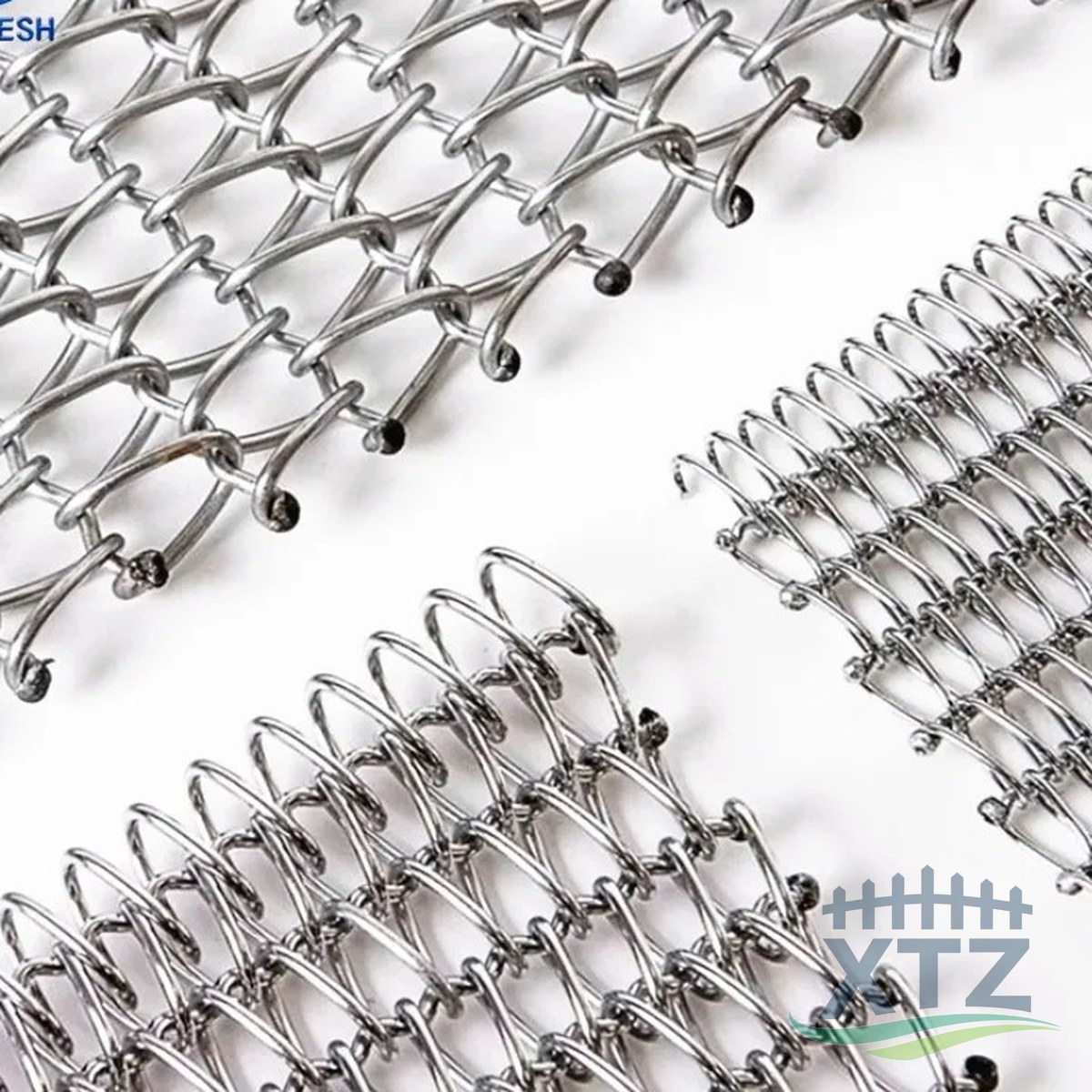
A close view of the spiral wire weave and the hook edge, showing how the wire is wound into the spiral and how the edge is formed to lock onto the drum.
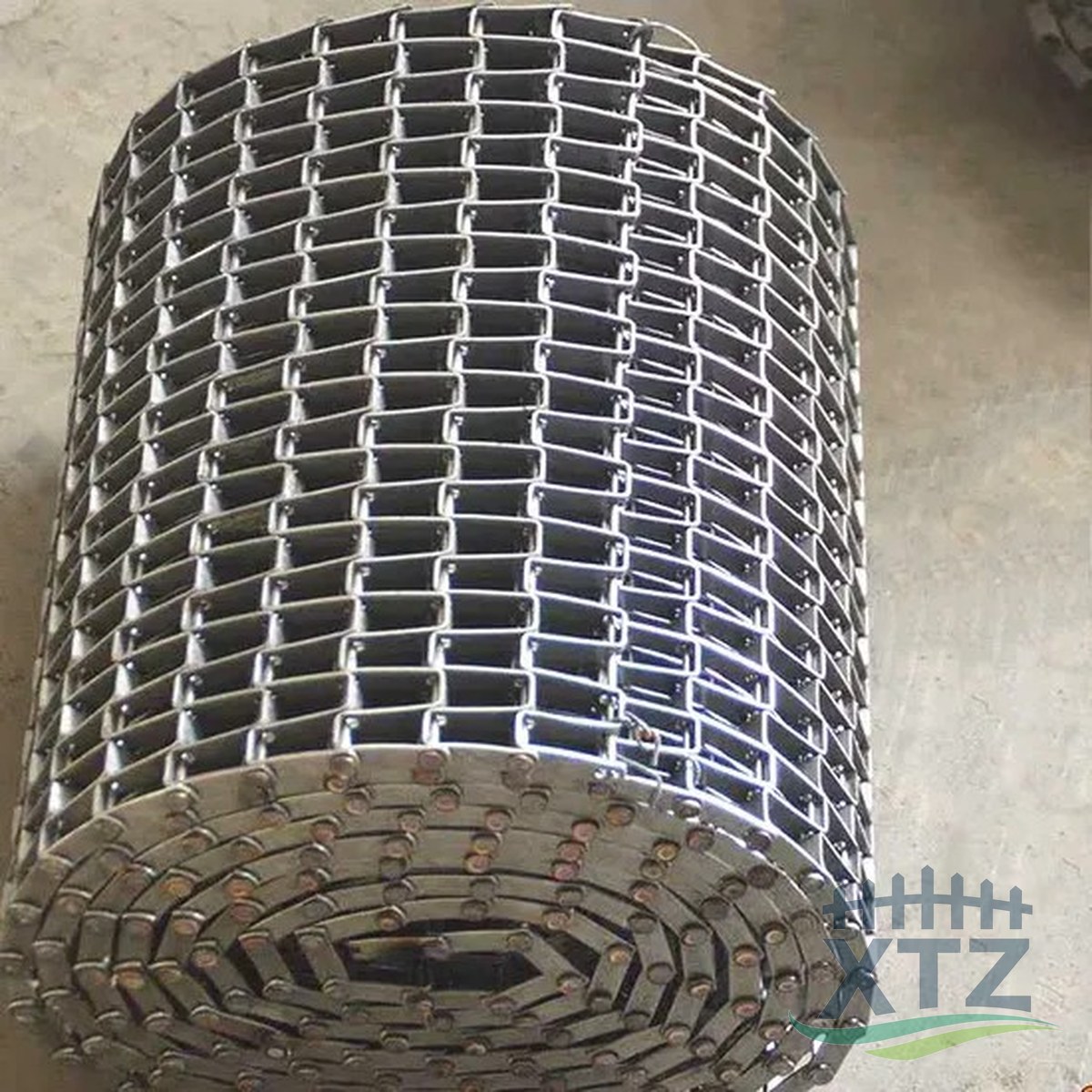
Rolled Wire Mesh Belt
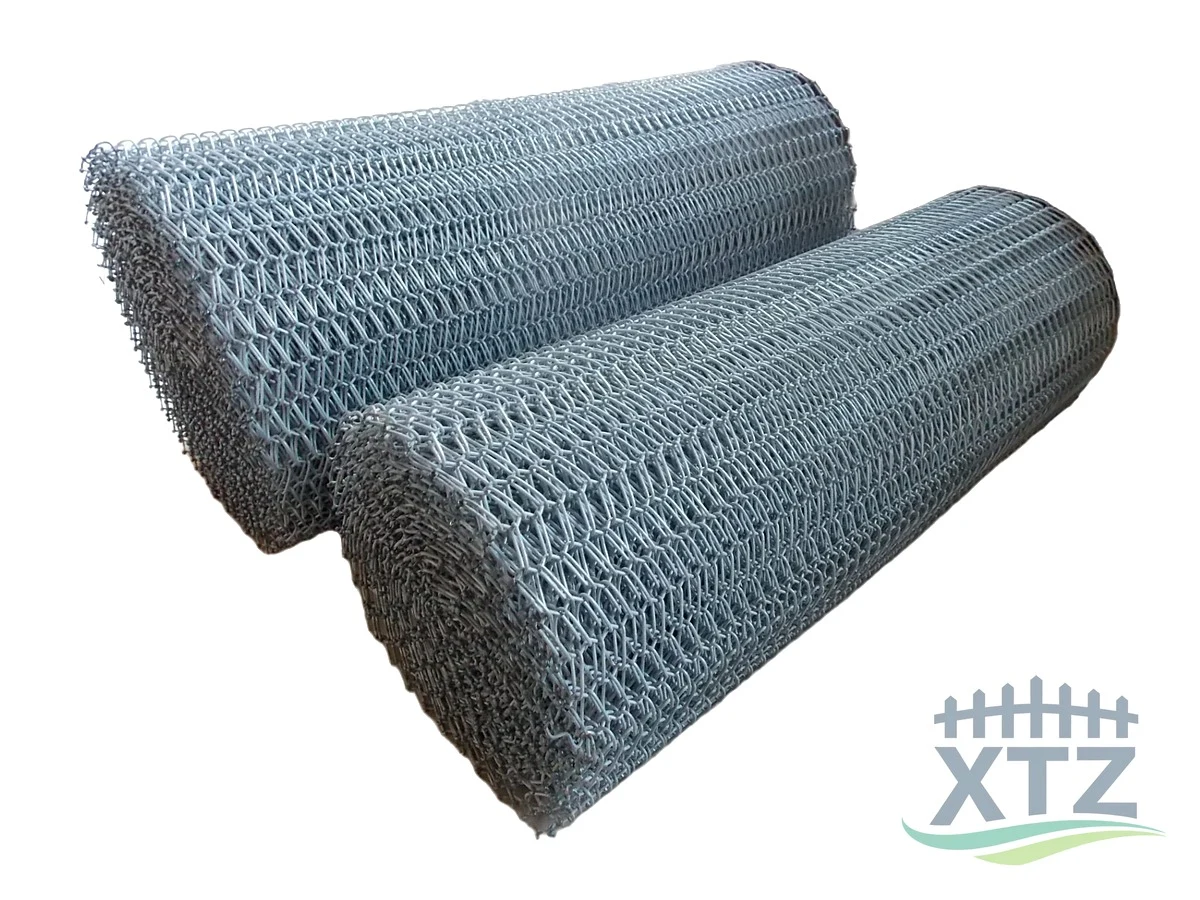
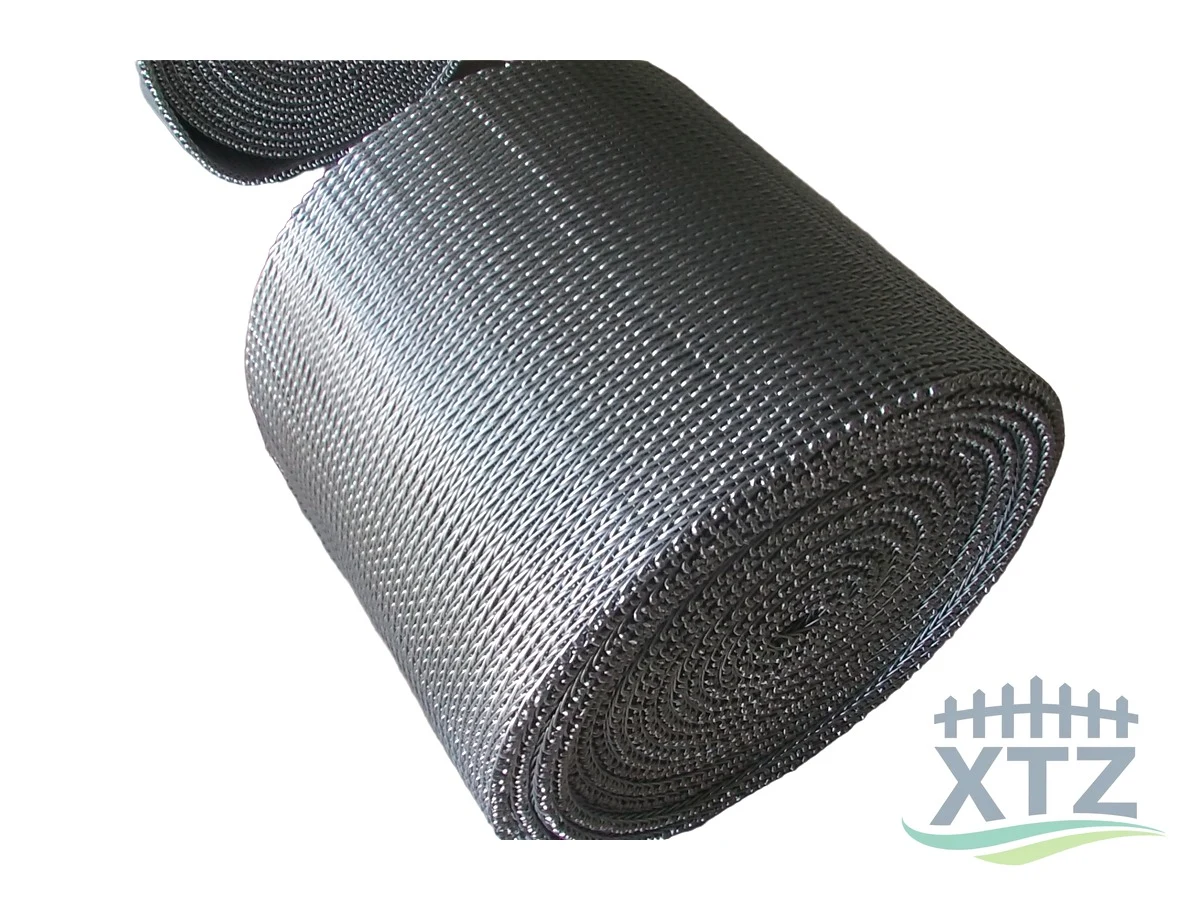
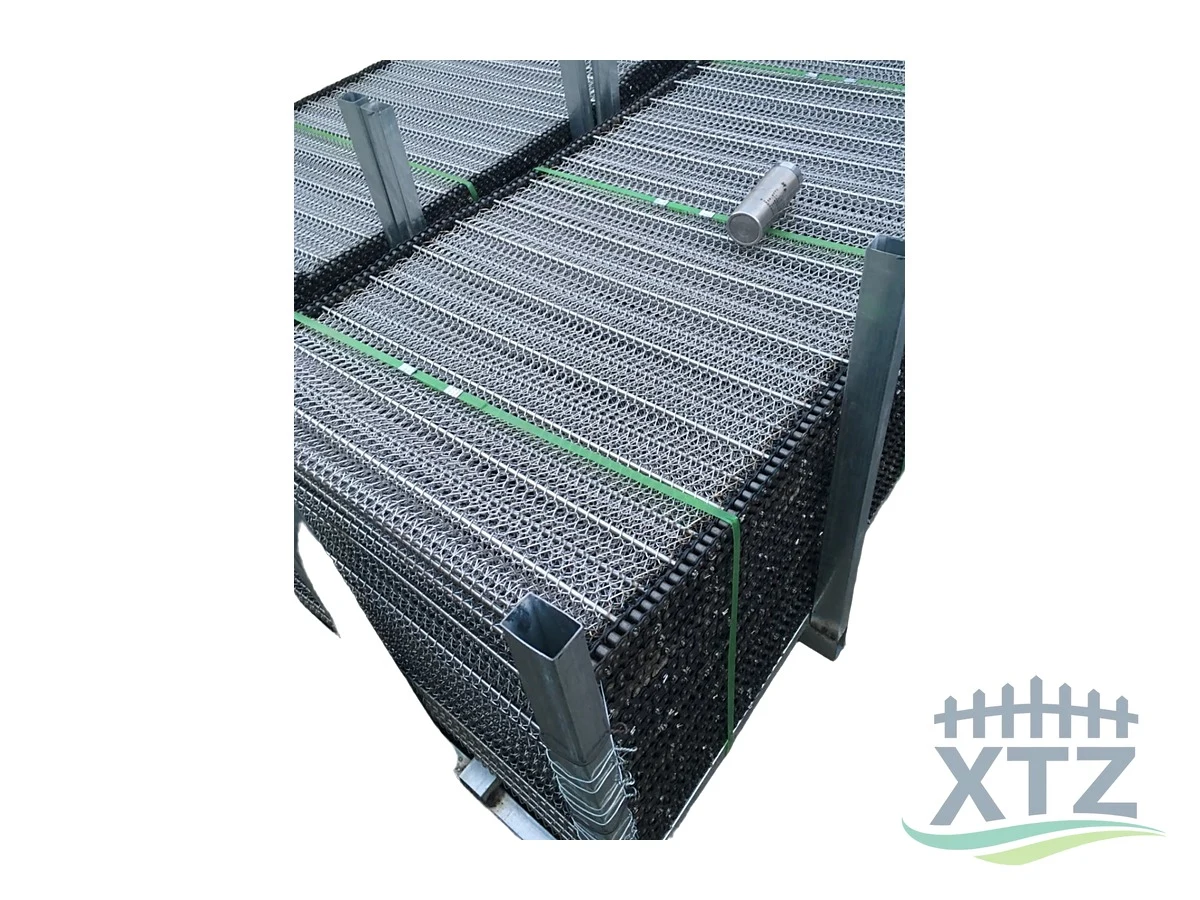
A spiral wire belt rolled for supply. The belt is rolled rather than folded because the spiral structure would crease, and the roll length is set to suit the line.
Section by Section Replacement
Mesh belts can be replaced section by section on an existing line, because the belt is manufactured to the belt width, spiral pitch, edge style and drive sprocket pattern of the machine it is fitted to.
Mesh Belt and Other Stainless Wire Products
A conveyor belt mesh is a woven wire product built for conveying, and it is a different article from the flat woven or crimped mesh used for screening. Where the requirement is a screen rather than a belt, our stainless steel welded wire mesh covers the welded grid form and our stainless steel cable mesh covers the rope-based woven form. Where the requirement is a formed open panel rather than a woven belt, our stainless steel perforated sheet covers the punched format.
Specifying Belt Width, Pitch and Grade
The belt width is taken from the line, the wire diameter and spiral pitch are set against the product being carried and the temperature it has to survive, and the edge style is chosen to match the drum. The grade follows the washdown regime: 304 covers most bakery, cooling and washing lines, while 316 is used where the product is acidic or salty or the line uses a chlorinated washdown. Send the line details, the belt width, the pitch, the edge style, the grade, the quantity and the destination to receive a project-specific quotation. For further technical reading, see Stainless Steel Safety Mesh and Stainless Steel Security Screen Mesh.
Frequently Asked Questions
Q: What is stainless steel conveyor belt mesh?
A: Stainless steel conveyor belt mesh is a continuous wire mesh belt used to move material through ovens, washing lines, baking lines and cooling tunnels. Unlike a solid belt, the mesh carries the product on an open surface, so heat, moisture and oil pass through it rather than being held against the product.
Q: What is the difference between a spiral belt and a flat wire belt?
A: A spiral round wire belt is the general purpose form and pushes the product along the belt rather than carrying it in a trough. A flat wire belt carries the product on a flat surface, which suits delicate product that must not be disturbed.
Q: Which grade should I use for a food conveyor line?
A: 304 covers most bakery, cooling and washing lines. 316 is used where the product is acidic or salty or where the line uses a chlorinated washdown. The belt material, spiral pitch and edge style are confirmed together with the grade.
Q: Can a mesh belt be replaced on an existing line?
A: Yes. The belt is manufactured to the belt width, spiral pitch, edge style and drive sprocket pattern of the machine it is fitted to, so a belt can be replaced section by section without changing the drums or the sprockets.
Q: What belt width and pitch do I need to specify?
A: The belt width is taken from the line itself, and the wire diameter and spiral pitch are set against the product being carried and the temperature it has to survive. The edge style is chosen to match the drum.
Request a Custom Quotation
Request a Custom Quotation – send the line details, the belt width, the wire diameter and spiral pitch, the edge style, the material grade, the quantity and the destination, and XTZ Fence will confirm the specification for your project.